







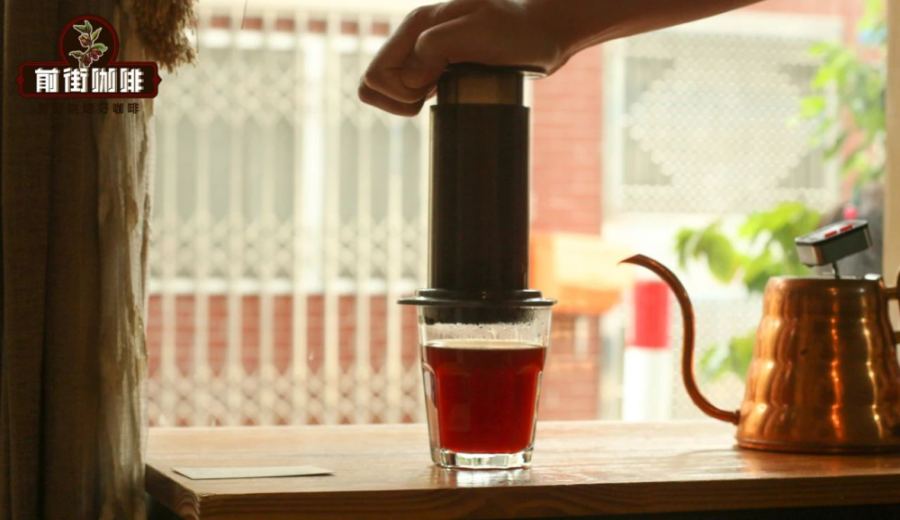
Introduction:As a brewing device that combines convenience and creativity, the AeroPress has garnered a massive global following with its unique design and versatile usage. It has even given rise to its own international competition — the WAC (World AeroPress Championship). This article will delve into its origins, differences from the French press, and guide you through a hands-on inverted brew of a well-known Kenyan "Little Tomato" bean from a leading brand. We’ll cover key parameters such as coffee dosage, grind size, water temperature, and brew time, helping you unlock the full potential of this tool and craft a coffee with rich layers of flavor.
The AeroPress was born in a company originally focused on designing frisbees. Its creators had no intention of making a coffee brewing tool, yet it unexpectedly became one of the most popular devices in the specialty coffee scene — even inspiring a global competition, the WAC. This simple device, consisting mainly of two parts, uses manual pressure to quickly extract coffee that is rich in flavor and body. It boasts advantages such as easy cleaning, portability, and high experimentability.
Compared to common coffee equipment, the AeroPress has a rather distinctive appearance. Its design draws some inspiration from espresso machines, but unlike them, it doesn’t rely on electricity or levers. Instead, users apply manual pressure to push hot water quickly through the coffee grounds. Though its shape may resemble that of a French press, the brewing principles and parameter settings are significantly different. Generally, the AeroPress recommends lower water temperatures and shorter brew times than the French press, making it more suitable for coffee lovers who prefer clean flavors and bright acidity.
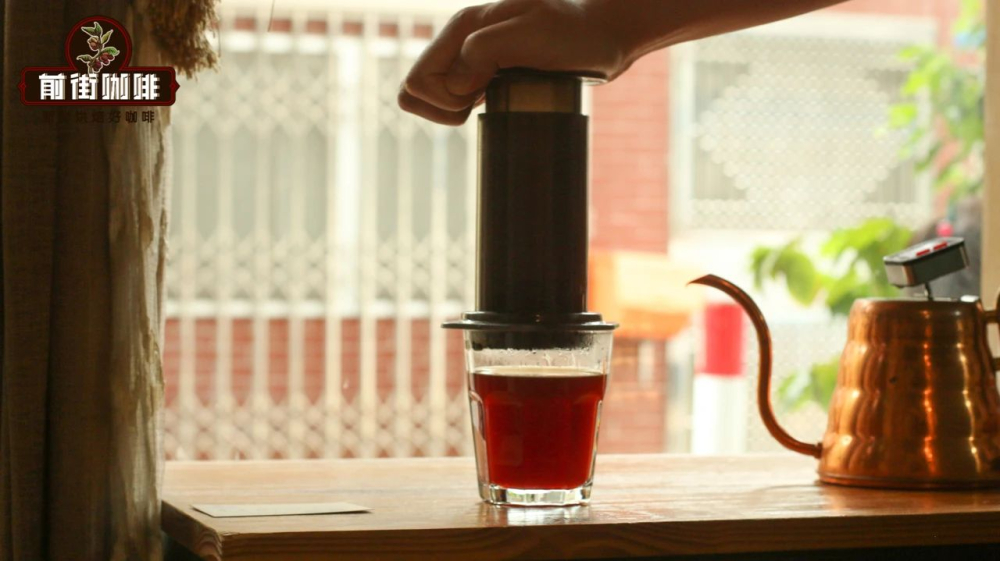
The story behind the AeroPress’s creation is quite inspiring. Its founder, Alan Adler, was an engineer who wanted to reduce bitterness in coffee by shortening the brew time. This led him to design a compact device that brews using a sealed pressure environment. With just a few simple steps, users can complete a brew in under a minute. Interestingly, although the original recipe emphasized fast brewing, the AeroPress brewing community has since expanded immensely, and today there are countless methods — some even using longer brew times to bring out different flavor profiles.
When it was first introduced, many specialty coffee professionals were skeptical of this “non-traditional” tool, dismissing it as a product from a toy manufacturer. However, Alan demonstrated its potential through actual brewing, gradually earning market recognition. In truth, the AeroPress stands out not only for its ease of use and simple cleaning, but also because it offers vast room for experimentation. Users can fine-tune various parameters according to personal taste, exploring a diverse range of coffee flavor expressions.
In 2008, the creative potential of the AeroPress was further realized in Oslo, Norway — where the first WAC competition was held. Initiated by Tim Varney and renowned barista Tim Wendelboe (now co-run with Tim Williams), the event started with just three participants but quickly gained popularity within the specialty coffee community. By 2018, the WAC had attracted over 3,100 participants from 61 countries, with online viewership exceeding 68,000. The competition encourages creativity — whether it's adjusting the pressing speed, altering the coffee-to-water ratio, or even flipping conventional usage upside-down, all become methods for discovering optimal flavors.
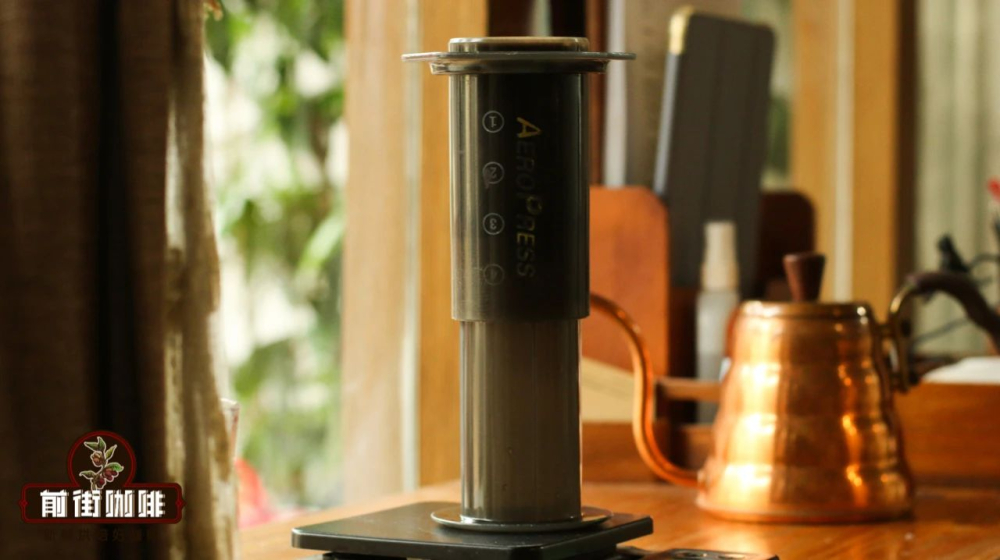
Below, we’ll use the well-known "Kenyan Little Tomato" bean from a leading brand as an example, and walk you through an inverted AeroPress brew. This bean is widely praised for its bright plum and cherry tomato acidity, along with a sweet pear note in the aftertaste — making it perfect for showcasing its complexity using the AeroPress.
Recommended Brewing Parameters:
Coffee Dosage:: 18 grams
Grind Size:: EK43s grinder setting 7 (approximately 90% through a #20 sieve, finer than standard pour over)
Coffee-to-Water Ratio:: 1:11 (total water volume around 200 ml)
Water Temperature:: 90°C
Brew Method:: Inverted (Inverted Method)
Step-by-Step Guide:
1. Place two round paper filters inside the filter cap and wet them with hot water to help them stick. If round filters aren’t available, you can cut your own to size.
2. Pull the AeroPress plunger up to about the ④ mark, then flip the entire device upside down (plunger facing upward).
3. Add 18 grams of ground coffee, then pour an equal amount of 90°C hot water over it, and start the timer.
4. Use a stir stick or spoon to gently stir the coffee grounds in slow circles for about 10 seconds to ensure even extraction.
5. Attach the filter cap with the wet filters, then place a cup (to catch the brewed coffee) upside down on top of the plunger.
6. When the timer approaches 1 minute, flip the whole setup back to its upright position, then slowly press the plunger down to extract the coffee.
The entire brew process takes about 1 minute and 20 seconds. The inverted method is more stable compared to the traditional (right-side-up) approach, and also helps beginners reduce the chance of mistakes. Using these parameters and steps, the brewed Kenyan beans exhibit a vibrant balance of sweetness and acidity, with a juicy mouthfeel and distinct layers of flavor — perfect for coffee lovers who enjoy bright and dynamic profiles.

The above content is compiled by CoffeeHunters, a coffee news website.


