







Introduction:Geisha coffee is world-renowned, but the expensive lots from Hacienda Esmeralda can be daunting. This article introduces you to a washed Geisha from the Boquete region of Panama, delving into the origins of its citrusy and honeyed flavors through variety characteristics, terroir, and washed processing methods. It also provides pour over recommendations for medium-light roasts, including grind size, water temperature, brew ratio, and a three-stage extraction process, so you can brew a refreshing and elegant Geisha at home.
When it comes to Geisha (Geisha), many people immediately think of the globally renowned and astonishingly priced top lot from Panama's Hacienda Esmeralda. However, its high price often deters coffee enthusiasts. In fact, if you want to enjoy the unique floral-fruity aroma and bright acidity of Geisha, you don’t necessarily have to choose a top-tier famous estate. A washed Geisha from Panama’s Boquete region also showcases the signature citrus and honey notes of this variety, making it an excellent entry point for experiencing Geisha flavors.
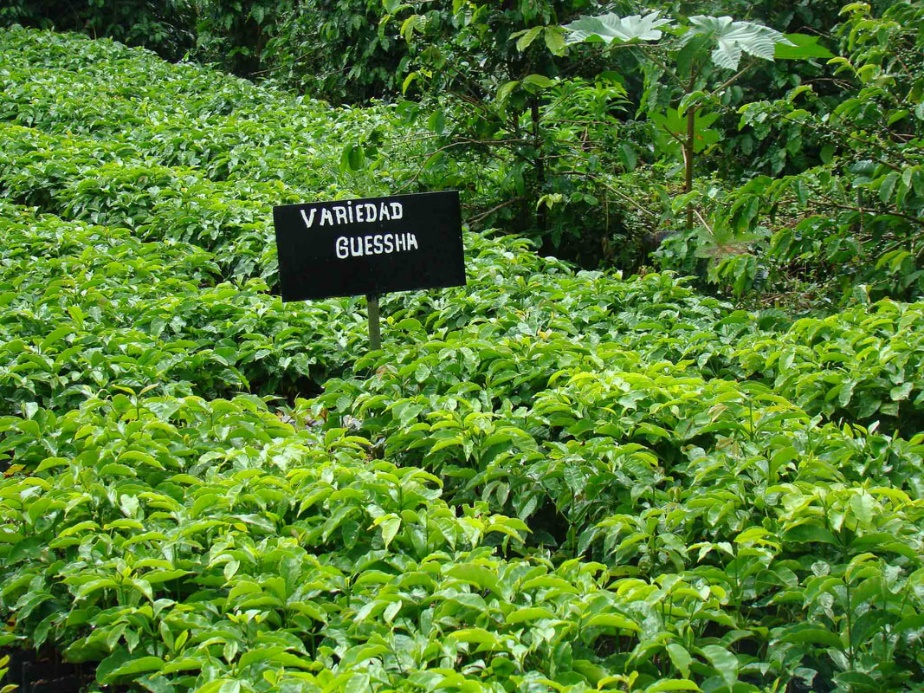
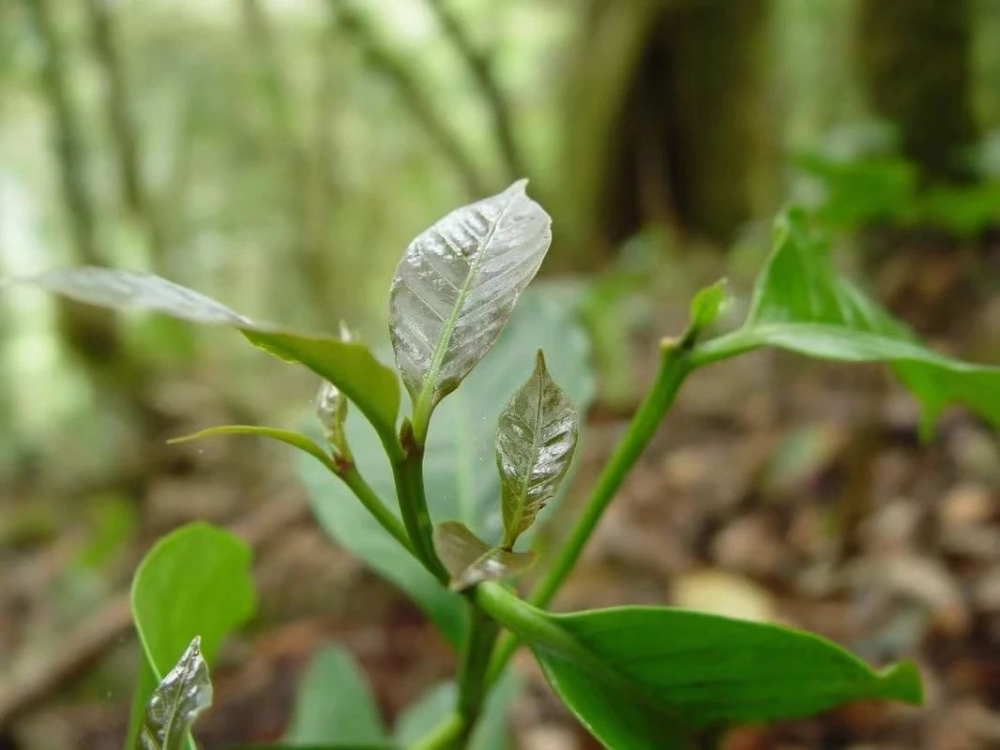
What makes Geisha special lies in its botanical traits and cultivation challenges. Compared to common Arabica varieties like Caturra or Typica, Geisha not only has lower yields but also higher environmental requirements. It thrives in high-altitude, misty environments with fertile soil and needs moderate shading. Additionally, Geisha has thinner leaves, leading to lower photosynthesis efficiency, and its less developed root system slows down nutrient and water absorption, further limiting yield. Especially in high-altitude planting areas, fruit ripening takes longer, and single-plant yields may be only half that of Caturra—this is one of the main reasons for its high price.
Many people wonder, where exactly is Panama? This Central American country lies between North and South America, bordering Costa Rica and Colombia. The construction of the Panama Canal brought not only economic transformation but also attracted a large number of American professionals moving south, including elites such as bankers and engineers. They established several well-known coffee estates locally—for example, the founder of Hacienda Esmeralda originally came from a banking background, while the owner of Hacienda Hartmann was an engineer by training. These estates introduced refined management practices, paying meticulous attention to altitude zoning, harvest standards, and post-harvest processing, all of which have contributed to Panama coffee’s outstanding reputation in the international market.
And the Boquete region introduced today is the cradle of the rise of Geisha flavors. This small town in Panama’s Chiriquí Province is located on the eastern side of the Barú Volcano, with an altitude range of about 1,000 to 2,000 meters, typical of a highland zone. This area not only faces the warm, humid trade winds from the Caribbean Sea but is also regulated by the cold currents of the Atlantic Ocean from behind. With steep terrain and cool climate, it enjoys year-round persistent mist and abundant rainfall, creating an ideal coffee-growing environment. The Barú Volcano is also designated as an ecological reserve, boasting extremely high biodiversity and seven microclimates—all of which provide Geisha with unparalleled growing conditions and enable the region’s Geisha to exhibit complex floral-fruity aromas and bright acidity, frequently winning awards in international competitions.
Although Geisha has now been introduced to various regions around the world, terroir differences still significantly impact the final flavor. Some coffee brands believe that Boquete, as one of the birthplaces of Geisha, even if not a top-tier famous estate, still offers a pure expression of its broad regional flavors worth trying. Compared to the pricey single-estate lots, this Boquete washed Geisha focuses more on showcasing the “terroir taste”—the unique regional imprint of this area.
In terms of processing method, this bean uses traditional washed processing. This method not only improves the stability of green beans but also highlights the cleanliness and freshness of Geisha itself. The washed processing steps are as follows: first, the selected coffee cherries are sent to a pulper to remove the outer skin and part of the pulp; then, the beans coated with sticky mucilage are soaked in water for about 24 hours of fermentation, during which microorganisms break down the remaining mucilage; after fermentation, the beans are thoroughly washed in a flowing flume to remove all attached mucilage and impurities; finally, the parchment-covered green beans are evenly spread out for either sun-drying or mechanical drying until the moisture content drops to around 12%, at which point the outermost parchment layer is removed. This processing method helps preserve the delicate aroma and acidity of Geisha while giving it a clean and refreshing base tone.
In roasting, this brand’s Boquete Geisha is medium-light roasted to preserve the vibrant acidity and complex layers brought by its high altitude. This roast level showcases elegant white floral notes, bright acidity of citrus and lemon, and a hint of green tea freshness, with an overall flavor profile close to that of lightly fermented oolong tea. However, since medium-light roasted beans release their substances more slowly, pay attention to improving extraction efficiency during pour over—use a higher water temperature and slightly finer grind to fully bring out its aromatic compounds.
Below are the pour over parameters used by this brand’s stores, suitable for those seeking clear floral-fruity notes and a soft, mellow mouthfeel: recommend using a V60 filter, control water temperature at 91–93°C, use 15 grams of coffee, set the brew ratio at 1:16, and grind size to about that of fine sugar (approximately 80% passing through a #20 sieve). Use the classic three-stage extraction: start by wetting the filter paper with a small amount of hot water and preheat the equipment, then discard the preheating water. Next, add the coffee grounds and gently tap to level. First stage: pour 30 grams of water for a 30-second bloom; second stage: continue pouring until reaching 125 grams, using a steady circular motion from the inside out; when the water level drops to about half, third stage: pour up to a total of 225 grams, then wait for the coffee to fully drip through, with a total extraction time of about 2 minutes.
The brewed Boquete Geisha offers a distinct bright acidity of citrus, lemon, and bergamot, with a silky mouthfeel like cream, and a finish that transitions into sweet honey and green tea notes. The overall flavor profile is layered and the aftertaste is long-lasting. A special note: coffee bean freshness greatly impacts flavor—opt for beans roasted within 5 days for the best tasting experience. This brand insists on shipping only freshly roasted coffee, ensuring each bag arrives with full aroma and flavor intact.
The above content is compiled by CoffeeHunters, a coffee news website.


