








Introduction:The Piccolo Latte is a classic Italian coffee that showcases the balanced flavors of espresso and milk in a small serving. This article will delve into the origins of the Piccolo Latte, the types of coffee beans suited for it, and provide detailed steps on extraction and milk steaming to help you master the essence of coffee in a 3 to 4-ounce cup. Whether you're a professional barista or a coffee enthusiast, you can easily replicate it at home.
In the world of Italian coffee, adjusting the ratio of coffee to milk can give rise to different beverages such as lattes, cappuccinos, and flat whites. Among them, the Piccolo Latte is a compact yet complete flavor experience, typically served in a 3 to 4-ounce (approximately 88 to 118 ml) glass. It is made with a 1:2 ratio of one shot of espresso to two parts milk, highlighting the layers of the coffee without being overly heavy.
The Piccolo Latte is called "Piccolo Latte" in English, where "Piccolo" means "small" in Italian, hence it is also referred to as a "small latte." However, it is not simply a smaller version of a latte but a coffee style that emphasizes proportion and flavor expression. Traditionally, it is served in a 3 to 4-ounce glass with one shot of espresso, plus two parts milk and fine microfoam, in a ratio of about 1:2, achieving an excellent balance between coffee and milk.
The origin of this drink was initially as a tool for roasters or baristas to test how well coffee beans integrate with milk. Compared to large 300 ml lattes, the small serving size of the Piccolo Latte (around 90 ml) reduces material waste while allowing a clearer taste of the interaction between the coffee itself and the milk. Later, it also became a favorite choice for consumers who want to limit their caffeine intake or prefer smaller servings.
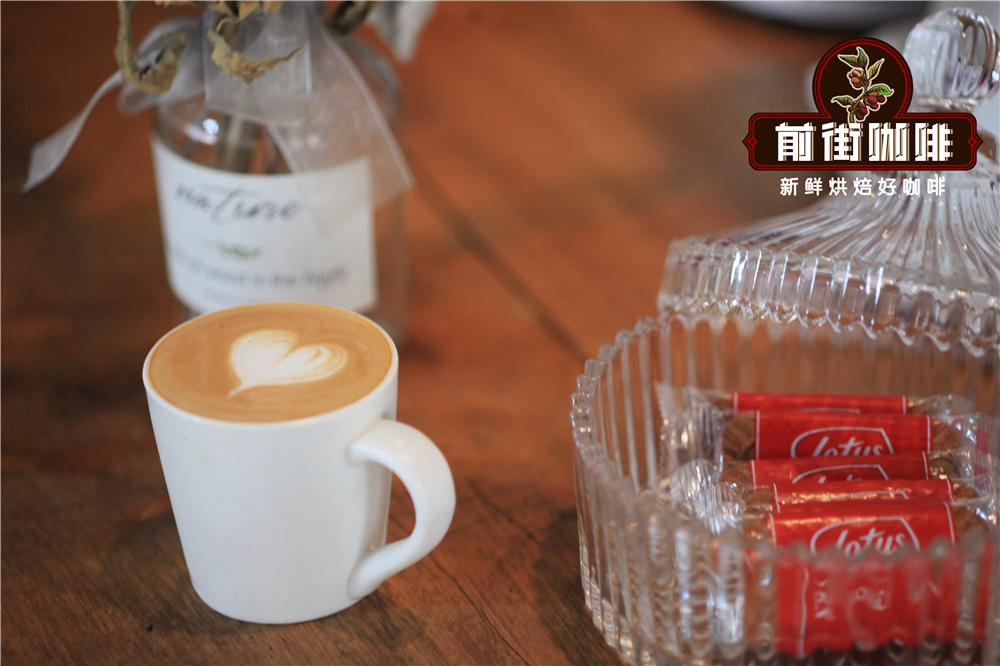
In practical preparation, the Piccolo Latte is usually served in a container with a capacity of 3 to 4 ounces (about 90 ml). According to the standard recipe, one Piccolo Latte uses about 30 ml of espresso, plus approximately 60 ml of milk and microfoam, maintaining a 1:2 ratio. This ratio allows the acidity, sweetness, and aroma of the coffee to fully shine, while retaining the smoothness and sweetness of the milk.
If you’re a coffee enthusiast looking to replicate it at home, it is recommended to use a ceramic or glass cup with a capacity close to 90 ml. Many households may not have a traditional 3-ounce (about 88 ml) Italian cup, and using a slightly larger cup does not affect the overall flavor as long as the total amount of coffee and milk is controlled.

When selecting coffee beans, since the Piccolo Latte uses espresso as its base, it is recommended to choose medium to dark roasted Italian blends. These beans typically offer rich caramel, creamy, and nutty aromas that complement the sweetness of the milk, creating a good flavor synergy. For stable performance and good value, you can opt for blends with a rich crema and buttery, roasted chestnut notes.
If you prefer single-origin coffee beans (SOE), you can choose beans with distinct caramel, chocolate, or spice notes, such as high-quality single-origin beans from Sumatra or Central and South America. These beans can showcase a stronger personality after extraction, creating a more distinct contrast with the milk, making them ideal for coffee lovers who want to explore deeper flavor layers.
When extracting the espresso, it is recommended to use about 20 grams of coffee grounds, aiming to extract around 40 grams of espresso with a time of 25 to 27 seconds. These extraction parameters ensure the espresso has the right concentration and flavor balance, along with a richer crema, which helps enhance the mouthfeel after blending with the milk.
Since the cup used for a Piccolo Latte is only about 90 ml, after pouring around 30 ml of espresso, you only need to add about 60 ml of milk and microfoam to easily achieve the ideal ratio without worrying about the coffee flavor being diluted.

For steaming the milk, it is recommended to use a pitcher with a capacity of 350 ml or more, pouring in about 100 ml of milk (less may make stable steaming difficult). Steam until the microfoam reaches a thickness of about 0.5 to 0.7 mm. This kind of foam is fine and fluid, able to blend evenly with the espresso, resulting in a smooth texture. Then, slowly pour the steamed milk into the espresso, using wrist rotation to mix the two thoroughly, ultimately presenting a Piccolo Latte with balanced coffee and milk aromas.
In summary, the Piccolo Latte is an Italian coffee that emphasizes proportion, flavor, and technique. As long as you choose the right coffee beans and master the details of extraction and foaming, you can easily enjoy this mini coffee masterpiece either at home or in a café.
The above content is compiled by CoffeeHunters, a coffee news website.


