







Introduction:Want to learn pour over coffee but don’t know where to start? This article dives deep into seven essential elements every beginner must understand, including coffee bean freshness, grind size, water temperature control, water quality selection, filter type, coffee-to-water ratio, and extraction time. It also explains the three critical stages of coffee extraction—wetting, dissolution, and diffusion—to help you build a solid pour over logic and easily brew coffee with layered flavors.
For those just entering the world of specialty coffee, the wide variety of pour over equipment and numerous brewing methods can often be overwhelming. But in reality, mastering just a few key elements will quickly give you a grasp of the fundamentals of pour over. This article will detail seven highly important parameters for coffee extraction, and deeply explore the three inevitable stages of the process—wetting, dissolution, and diffusion. Finally, through practical examples, it presents every detail from parameter setup to actual operation, helping you build a complete and clear pour over framework.
Specialty coffee has gained widespread attention in recent years, and pour over, as one of its most representative brewing methods, has become increasingly popular. However, beginners often feel at a loss when faced with various pour over tools and complex brewing techniques. Therefore, we’ve compiled seven influential elements of pour over coffee that not only help understand the logic behind the operations but also assist beginners in developing their own brewing style.
The following seven essential elements are important parameters compiled based on long-term practical experience, allowing learners to focus on the most critical aspects without having to sift through an overwhelming amount of information.
1. The Freshness of Coffee Beans Is Crucial
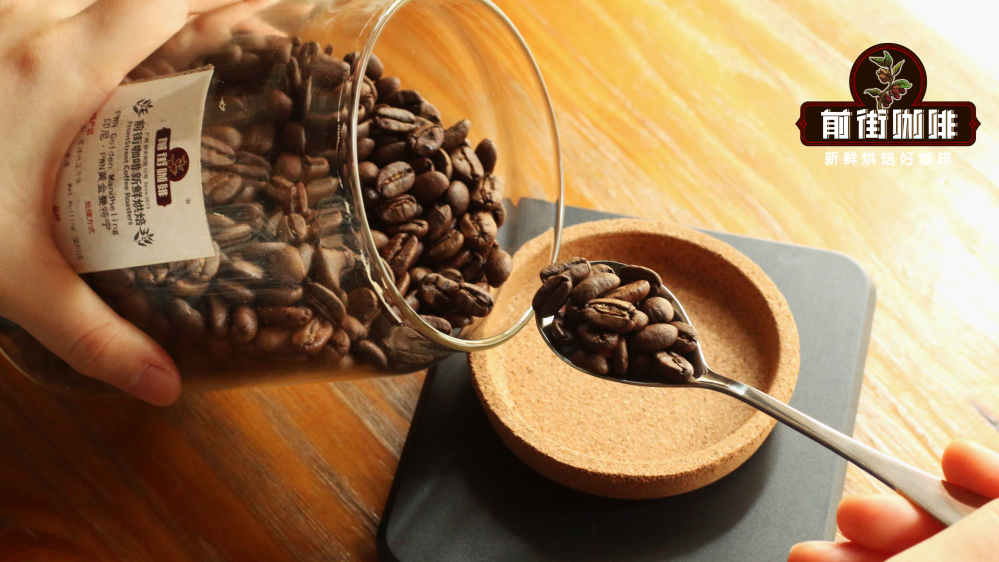
It is generally believed that the optimal period for a coffee bean’s flavor expression is around thirty days after roasting. During this time, the aromatic molecules inside the beans have not yet largely dissipated, allowing the coffee to fully showcase its layers and nuances. Once this period is exceeded, carbon dioxide and aromatic compounds gradually dissipate, making the brewed coffee prone to being thin and bland. Therefore, it is recommended to prioritize beans with a more recent roast date.
2. Grind Size Affects Extraction Efficiency
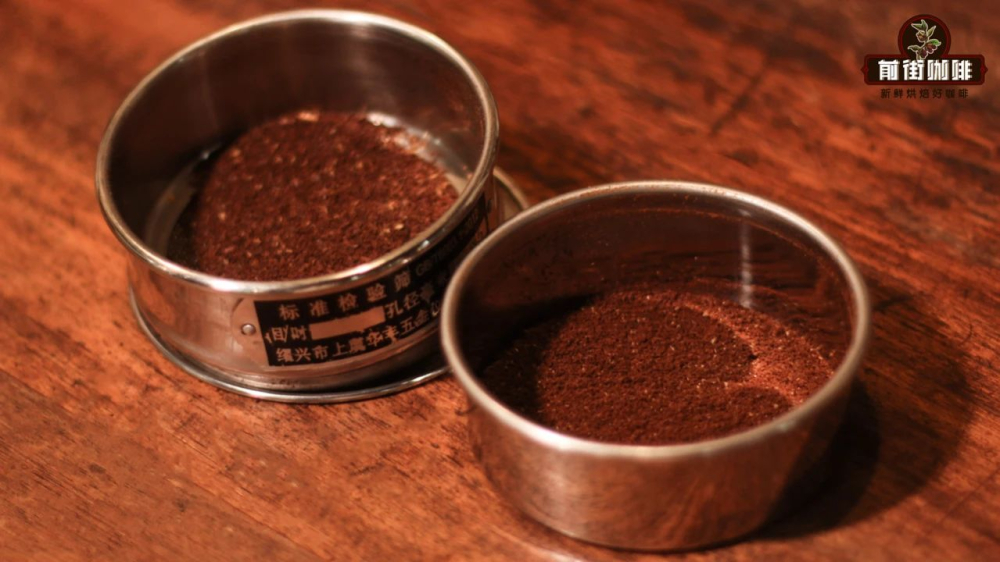
The coarseness or fineness of coffee grounds directly influences water flow rate and extraction uniformity. When the grind is too fine, the coffee bed can easily clog beneath the filter paper, slowing down water flow and thus extending extraction time, which may lead to woody or off-flavors. Conversely, if the grind is too coarse, water flows through too quickly, resulting in under-extraction, making the flavor weak and unremarkable. To precisely control grind size, it’s recommended to perform a coffee bed permeability test using a No. 20 sieve (with an aperture of 0.85mm): take 10 grams of ground coffee and sieve it—if 8 grams remain (80% passed through), it suits medium-light roasts; if 7 to 7.5 grams remain (70%–75% passed through), it suits medium-dark roasts. If the permeability doesn’t meet your needs, adjust the grinder settings accordingly.
3. Water Temperature Has a Notable Impact on Extraction Flavor
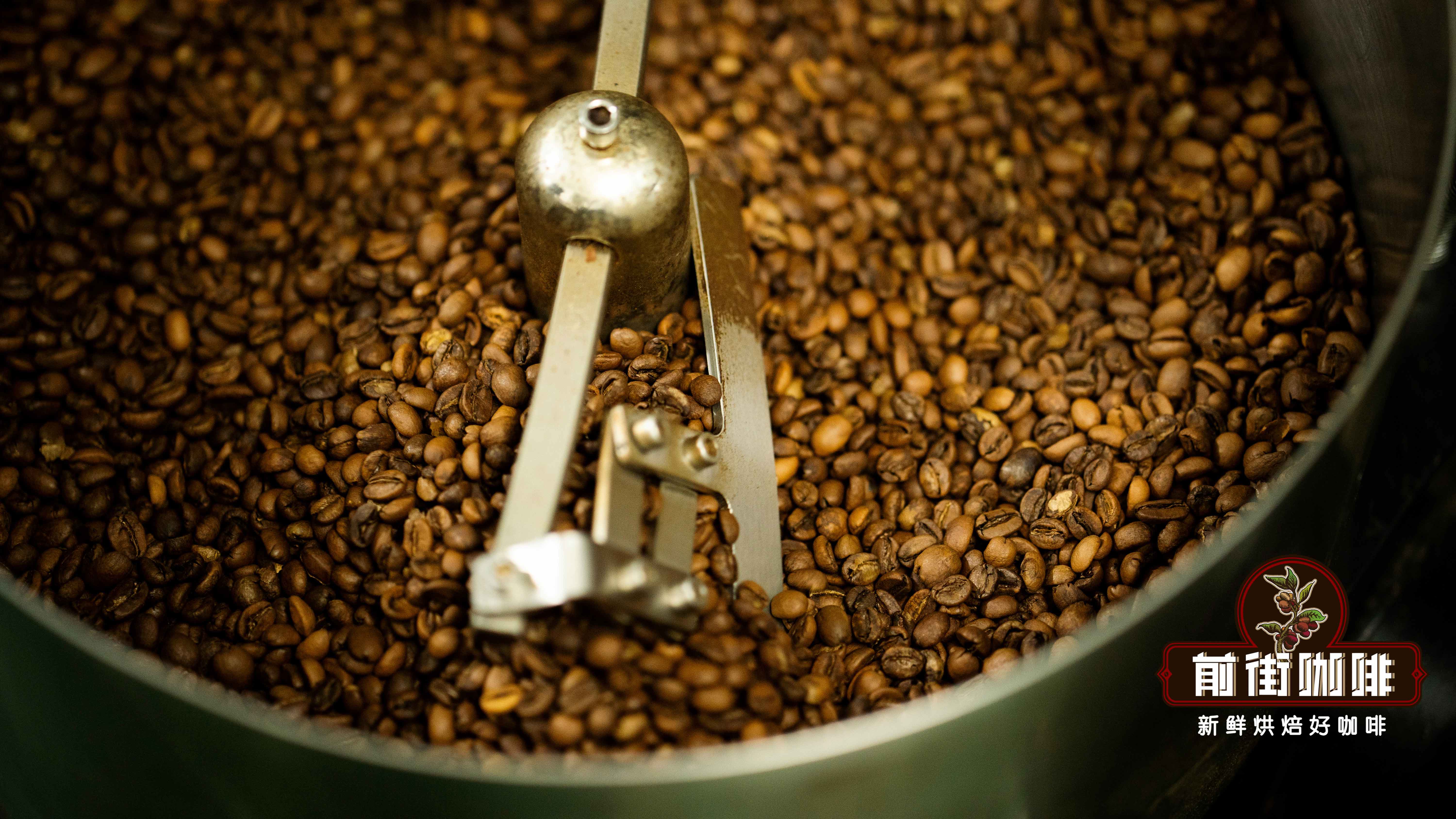
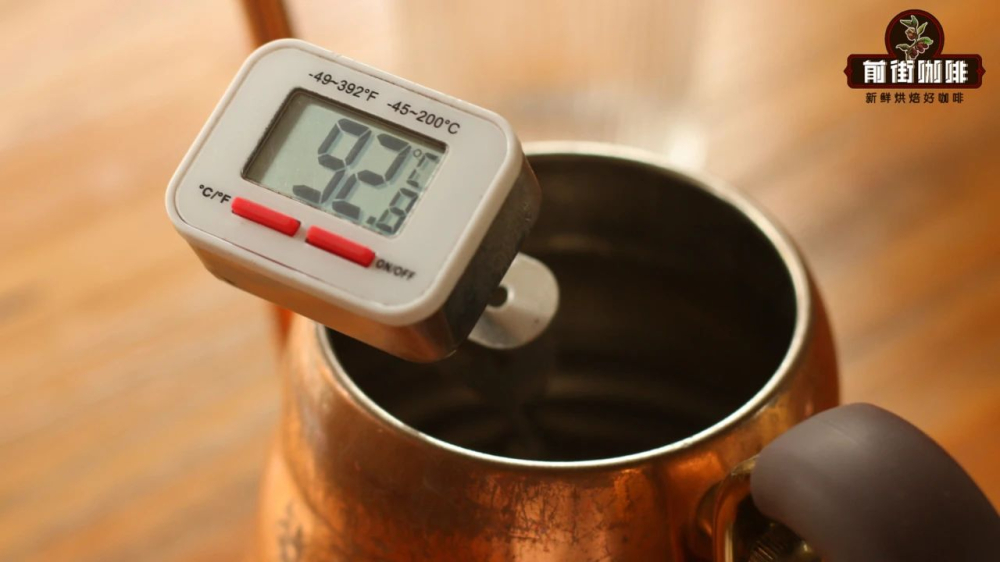
Different roast levels of coffee beans suit different water temperatures. Dark roasted beans, due to greater evaporation of internal substances, are recommended to be brewed at lower temperatures (around 87–89°C) to avoid extracting excessive impurities and bitterness. Medium-light roasted beans, on the other hand, are best extracted at 90–91°C, which helps bring out the delicate expressions of acidity and aroma.
4. The Potential Influence of Water Quality on Extraction Flavor
The mineral composition in water, such as calcium, magnesium, sodium, and potassium, affects the chemical reactions during coffee extraction, thereby altering the final flavor profile. Generally, it is not recommended to use unfiltered tap water directly for brewing, as it may contain impurities or chlorine, which can easily cause off-flavors or an unpleasant mouthfeel in the coffee.
5. Choosing the Right Filter Cup Enhances Extraction Texture
For beginners, it is recommended to start with the V60 01 filter cup. Its unique conical design and spiral rib structure effectively promote air circulation, making drainage between the filter paper and coffee bed smoother, which helps improve overall extraction consistency. Although coffee brewed with this filter may taste clearer and less heavy-bodied, it highlights the distinct clarity of acidity and aroma.
6. Coffee-to-Water Ratio Affects Overall Extraction Balance
According to the SCA (Specialty Coffee Association) Golden Cup extraction standard, the coffee-to-water ratio for pour over has a clear correlation with flavor direction: bold profiles range from 1:10 to 1:11 (Golden Cup 1:12.5–1:13.5), medium profiles from 1:12 to 1:13 (Golden Cup 1:14.5–1:15.5), and light or “clean” profiles from 1:14 to 1:16 (Golden Cup 1:16.5–1:18.5). The most commonly recommended ratio is 1:15, as it most often falls steadily within the Golden Cup’s suggested extraction yield (18%–22%) and concentration (1.15%–1.35%) ranges.
7. Extraction Time Determines the Concentration of Flavor
During the pour over process, the early stage typically releases pronounced aroma and acidity, while sweetness and bitterness gradually increase over time. Therefore, controlling extraction time is crucial to avoid over-extraction or under-extraction. For example, with 15 grams of coffee grounds and a 1:15 coffee-to-water ratio, it is generally recommended to keep the total extraction time between 2 minutes and 2 minutes 30 seconds to achieve a balanced extraction effect.
After understanding these seven elements, we’ll delve deeper into the three indispensable stages of coffee extraction: wetting, dissolution, and diffusion. Together, these steps shape the final flavor profile of the coffee.
Extraction Stage 1: Wetting (Bloom)
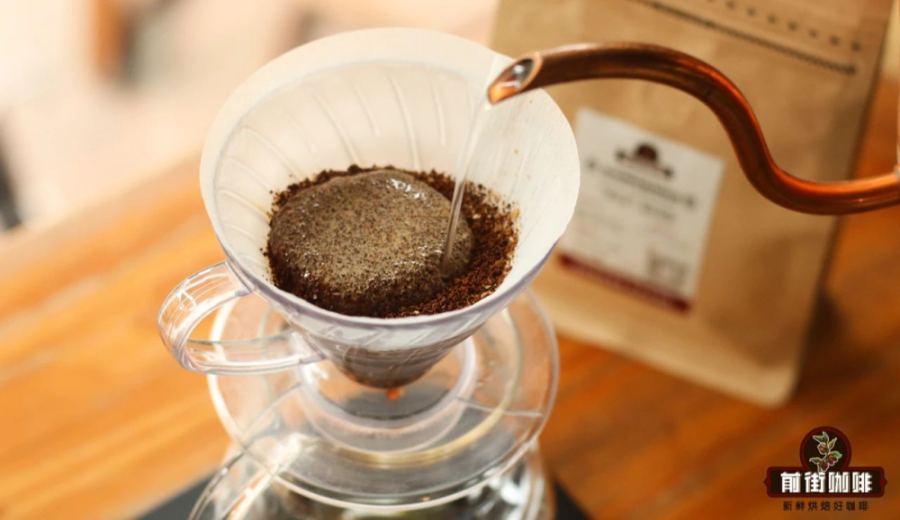
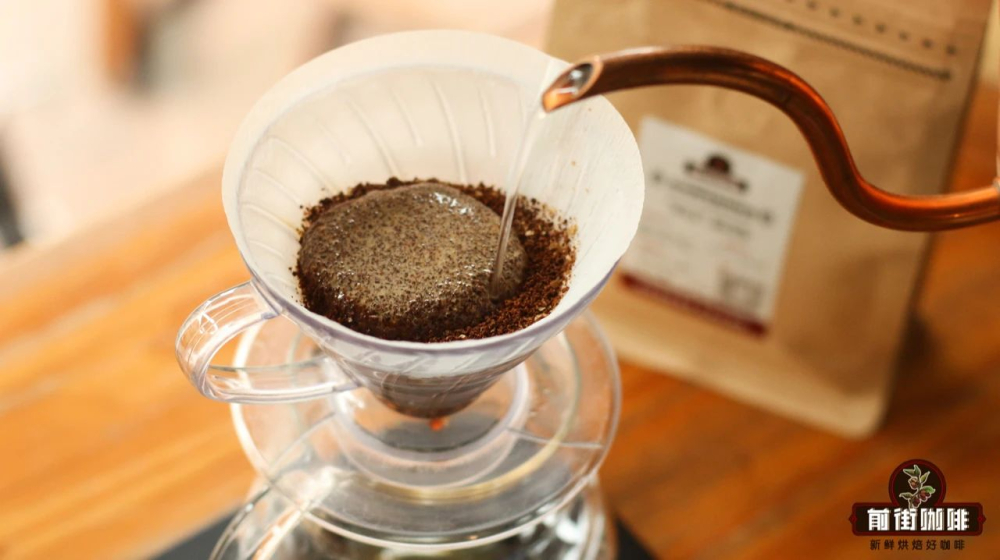
When hot water first contacts dry coffee grounds, the coffee bed rapidly absorbs water and begins to expand. This process is called wetting or blooming. It is the starting point for initiating the release of internal substances from coffee cells and plays a key role in the uniformity of overall extraction and the expression of aroma.
Extraction Stage 2: Dissolution
Dissolution is the process by which soluble substances in coffee cells dissolve into water, and it is the core step in forming coffee flavor. About 70% of a coffee bean is insoluble cellulose, while the remaining 30% consists of various aromatic and flavor molecules. These molecules are released in order of molecular size: first, small molecules that produce acidity and floral notes; next, medium molecules that bring sweetness, such as fruit or honey-like sweetness; and finally, large molecules that result in roasted or bitter flavors. Therefore, controlling extraction time can effectively adjust the intensity and layering of flavors.
Extraction Stage 3: Diffusion
Once soluble substances have dissolved, they gradually diffuse into the surrounding water, forming the final coffee liquid we taste. To ensure that the flavors of acidity, sweetness, and bitterness are well integrated, it is recommended to gently swirl the brewed coffee after pouring to ensure even flavor distribution, thereby delivering a more complete taste experience.
Practical Example: Ethiopian Yirgacheffe Natural Huiku 8.0 Pour Over Brew
Take a representative coffee bean as an example—the Ethiopian Yirgacheffe Natural Huiku 8.0, grown at an altitude of 2350 meters in the Guji-Hambela region, processed using the natural method from local heirloom varieties. Its flavor profile combines fruity notes, sweetness, and a rich body, making it an excellent benchmark for pour over practice.
Pour over parameters are as follows: using a Hario V60 filter cup, a coffee-to-water ratio of 1:15, a grind size of BG#6S (equivalent to 80% passing rate through a Chinese standard No. 20 sieve), and water temperature controlled at 90°C. In practice, start with double the coffee dose in water (about 30 grams) for the bloom phase, lasting 30 seconds. Then pour water in small circles, performing the first pour when reaching 125 grams, wait for the water level to drop, and continue pouring up to 225 grams before stopping. The total extraction time is about 2 minutes, effectively managing flavor balance and extraction efficiency.

After brewing, this coffee exhibits prominent almond aromas at high temperatures. As it cools, citrus acidity and berry juiciness gradually emerge, accompanied by a soft tea-like note reminiscent of lemon black tea. The sweetness is long-lasting and layered, making it perfect for slow savoring.
The above content is compiled by CoffeeHunters, a coffee news website.


