








Introduction:As a classic Italian coffee brewing device, the moka pot remains a top choice for many coffee enthusiasts at home due to its simple structure and rich extraction. This article explains in detail how the moka pot works, the types of coffee beans it is suited for, milk pairing techniques, safety precautions during use, and offers bean variety suggestions based on different flavor preferences—helping you easily master this classic technique and brew rich, smooth coffee.
In today’s era of growing specialty coffee popularity, the moka pot still maintains a steady fan base thanks to its minimalist design and highly concentrated output. This device uses steam pressure generated by heating the lower chamber to push hot water through a bed of coffee grounds, extracting a richly flavored coffee liquid. This article will deeply analyze the operating mechanism of the moka pot, suitable coffee bean choices, how to make milk-based coffee, and emphasize safety details during use. It also provides multiple practical bean variety suggestions tailored to different taste preferences, allowing you to consistently brew high-quality moka pot coffee at home.
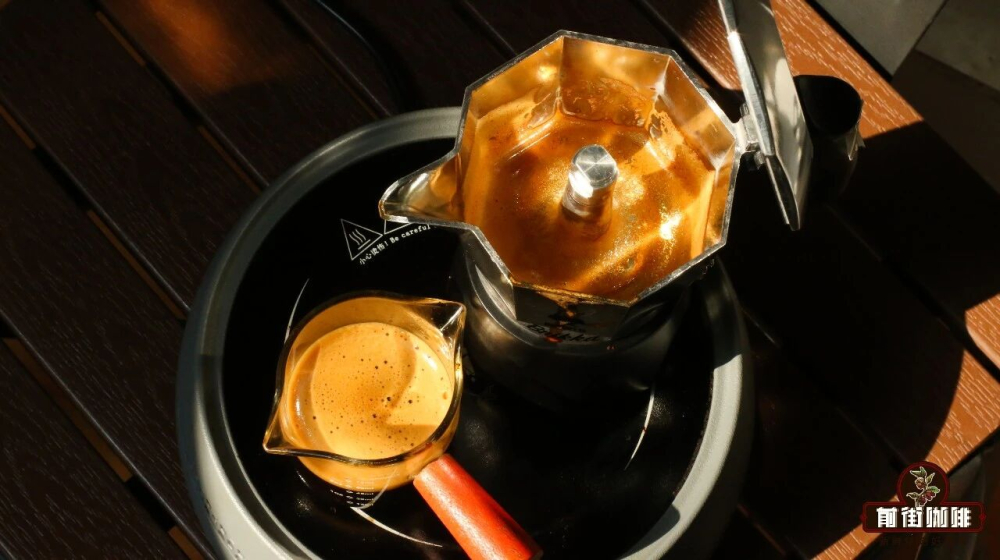
With the rise in popularity of pour over, siphon, and high-end espresso machines, the moka pot is sometimes seen as too traditional or difficult to operate. However, more and more coffee lovers are discovering that this affordable device can also deliver captivating coffee flavors. Compared to professional coffee machines that often cost tens of thousands, the budget-friendly moka pot is not only easy to obtain but can also achieve about 60–70% of the extraction performance of professional machines—making it especially suitable for everyday home use.
The extraction principle of the moka pot is quite straightforward: water goes in the lower chamber, coffee grounds are placed in the middle filter basket, and the upper chamber collects the brewed coffee liquid. When the lower chamber is heated, the water boils and generates steam pressure, forcing the hot water to rise through a central metal tube, pass through the coffee grounds, and drip into the upper chamber, forming a rich coffee liquid. It’s important to note that coffee directly brewed with a moka pot is usually quite strong. Depending on personal taste, you can dilute it with water or fresh milk—for example, making a “moka pot Americano” or “moka pot latte”—to mellow the flavor and better appreciate the coffee’s inherent aroma.
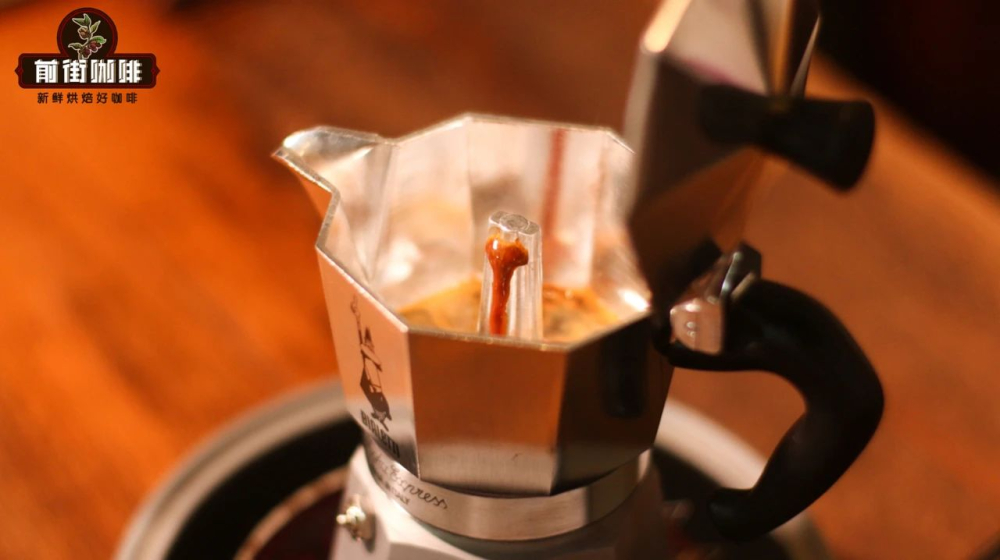
In the early days, the moka pot wasn’t widely favored, mainly because it was a home-use device lacking the professionalism of commercial espresso machines, and at the time domestic coffee culture wasn’t yet widespread, with most consumers preferring professional equipment. However, as the home coffee market has matured, many users have begun to re-evaluate this simple yet efficient brewing tool. Although it slightly lags behind high-end machines in crema performance and extraction intensity, the moka pot offers a near-professional extraction experience at a relatively low cost, making it a top choice for many household users.
In addition, coffee brewed with a moka pot is also suitable for milk frothing and latte art, meeting the diverse drinking needs of daily home use. If you aim to extract rich coffee crema, it’s recommended to choose medium to dark roasted beans, such as a certain classic blend. Due to their longer roasting time, these beans are best ground slightly coarser than fine salt to avoid over-releasing bitter compounds and maintain balanced flavors.
For those who prefer coffee with prominent fruity notes, you can try the Strawberry Candy Italian blend, recommended to be ground slightly finer (close to fine salt level), which helps release more rose floral and tropical fruit aromas. For users seeking unique flavors, pour over single-origin beans are also a great option: the Queen Estate SOE is ideal for those who enjoy balanced flavors, offering layers of creamy peanut, roasted nuts, and chocolate; while the lightly roasted Gran Reserva Geisha SOE brings citrus, caramel, and delicate floral notes, perfect for fruit-forward drinkers.
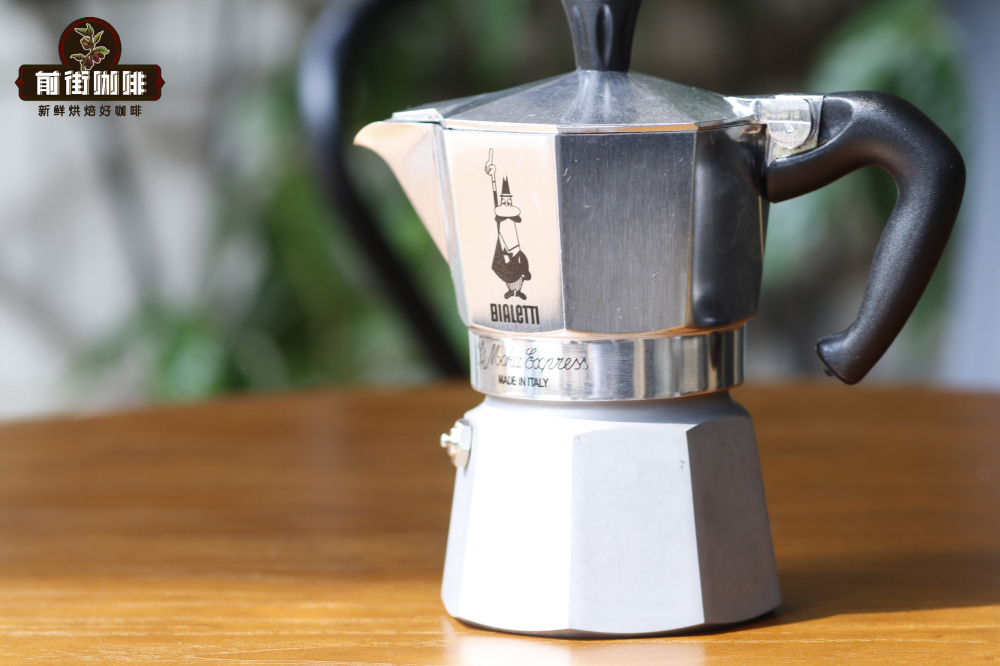
Here are the steps to make moka pot milk coffee: First, pour cold water into the lower chamber (avoid using hot water to prevent scalding). Place the filter basket into the lower chamber, then gently press the coffee grounds so that they are slightly convex in the center and fill the gaps around the basket. Next, attach the upper chamber and tighten it securely. Place the moka pot on an electric or gas stove to heat. When you hear a distinct “wuu wuu” sound, it means the coffee liquid has started to rise—turn off the heat immediately and wait for the coffee to fully drip into the upper chamber. Since the freshly extracted coffee usually has a layer of golden crema on the surface, it’s advised to quickly mix it with freshly whipped milk to preserve the best flavor.
A practical method used by a certain brand is to use a French press to froth 200ml of warm milk into milk foam, then evenly mix it with the coffee liquid to create a delicious moka pot latte. It’s particularly important to note that latte art results are closely related to the texture of the milk foam. Coffee liquid with crema provides a more stable surface, helping to present complex patterns. If the coffee lacks sufficient crema, detailed patterns like etchings will be harder to achieve.
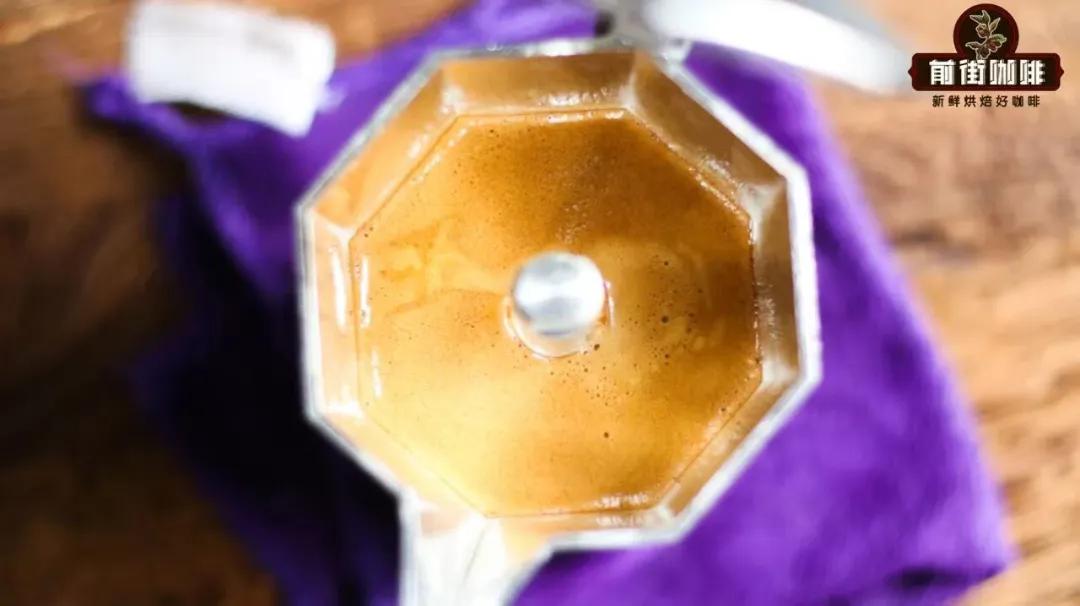
When using a moka pot, there are several key safety and operational details to pay special attention to. The lower chamber’s pressure relief valve has a water level marking—when adding water, be sure the water level does not exceed the valve position to avoid affecting the relief function and increasing the risk of explosion. In addition, observing the flow rate of the coffee liquid can also provide important feedback: if the liquid sprays out, it usually indicates the water temperature is too high; if the flow is too slow, the water may be insufficiently hot. In this case, you can moderately increase the heat and continue to monitor changes in flame intensity.
Another point to note is that the coffee grounds in the moka pot are recommended for single-use extraction only, and the actual yield depends on experience—stay focused during operation to avoid over-extraction, which can lead to overly bitter coffee. If you wish to achieve more layered crema, it’s recommended to use freshly roasted medium to dark roast beans. The caramelization reactions during roasting release a large amount of gas, which forms thick crema under pressure. Coffee beans stored for too long tend to lose their gases, significantly affecting crema performance. It’s generally advised to choose coffee beans roasted within 5 days for optimal flavor expression.

The above content is compiled by CoffeeHunters, a coffee news website.


