







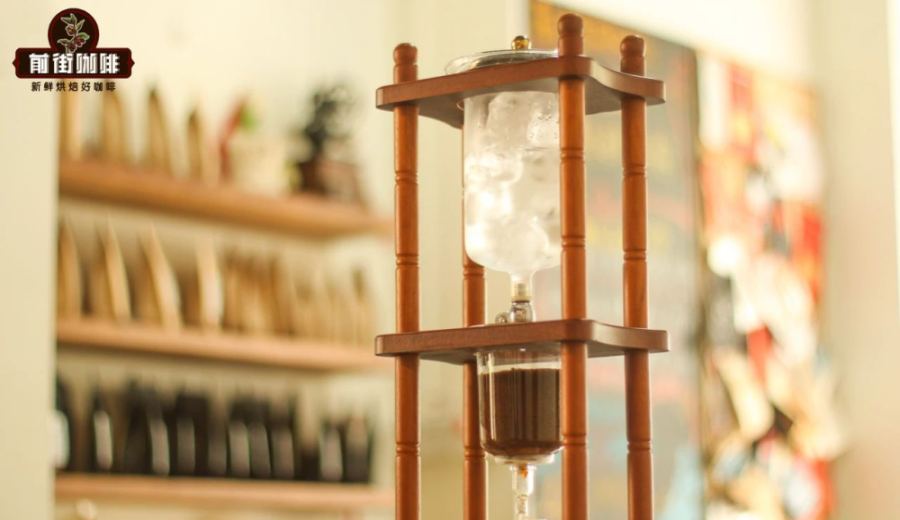
Introduction:Cold drip coffee, with its unique rich texture and low acidity, has become a winter favorite among many coffee enthusiasts. This article delves into how different roast levels affect the flavor of the beans—ranging from the deep, sweet richness of dark roasts to the floral and fruity layers of light roasts—and provides a detailed guide to making cold drip coffee, including grind size, filter paper placement, drip rate control, and maturation process. This will help you master every step and brew professional-grade cold drip coffee at home.
Cold drip coffee is made by slowly percolating ice water through a bed of coffee grounds, extracting flavor through a steady drip, resulting in a rich and aromatic coffee liquid. The final flavor profile is closely related to the roast level of the coffee beans used—dark roasts bring out intense caramel and spice notes with a pronounced aftertaste, while light roasts are better suited to showcasing delicate floral and fruity aromas with nuanced layers, ideal for those who prefer a refreshing taste.
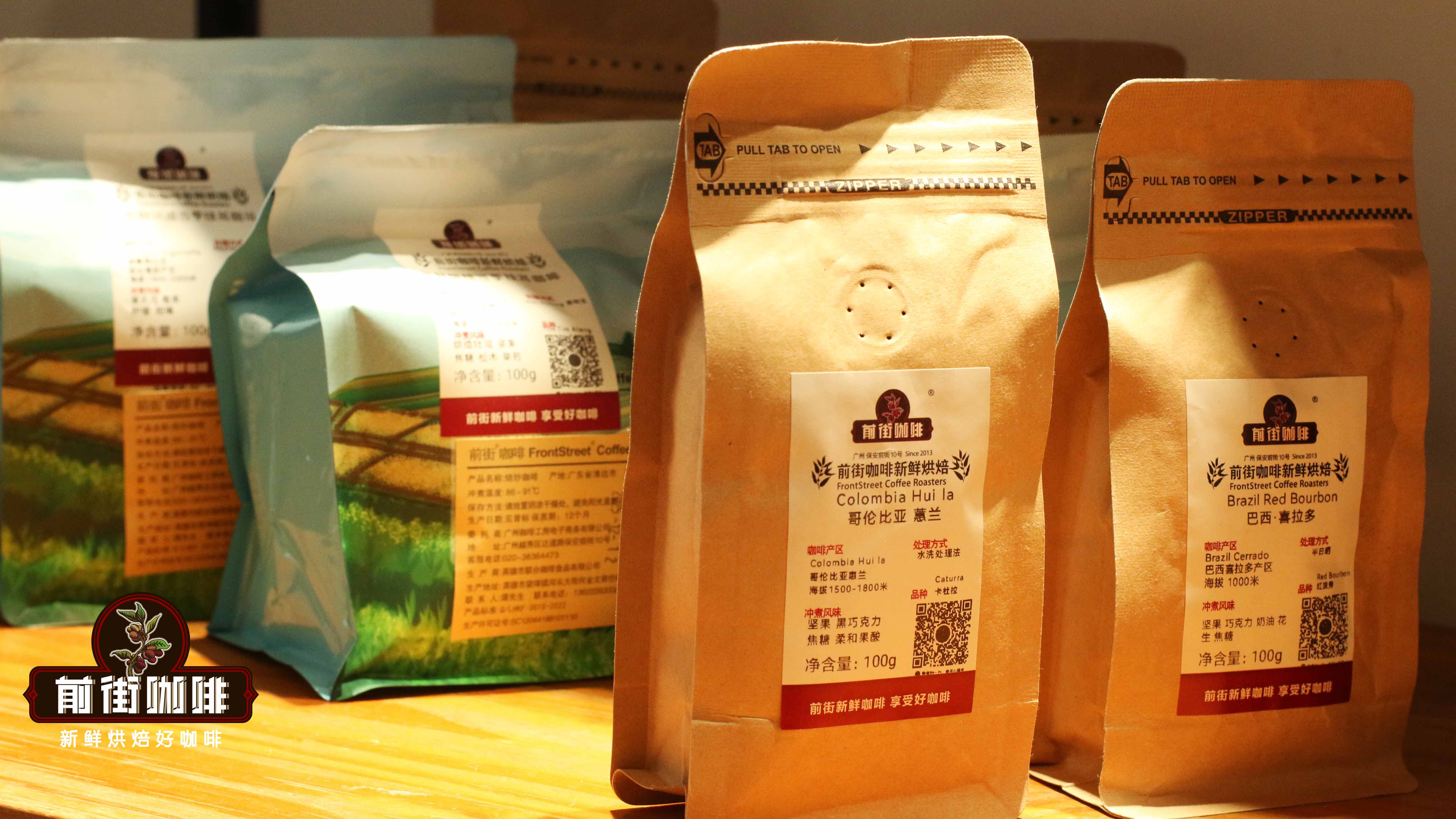
Among the many choices for cold drip coffee beans, dark roasts such as Mandheling, Huila, and Sidamo are classic recommendations. Mandheling often features distinct layers of caramel and spices; when brewed as cold drip, it has a softened bitterness, stable aroma, a full-bodied mouthfeel, and a clear, sweet aftertaste. Huila is characterized by black chocolate and maple syrup notes, yielding a rich yet not cloying, smooth-textured cold drip. Sidamo showcases a base of nuts and cocoa, offering a smooth entry and particularly highlighting its rich character when served over ice or enjoyed cold.
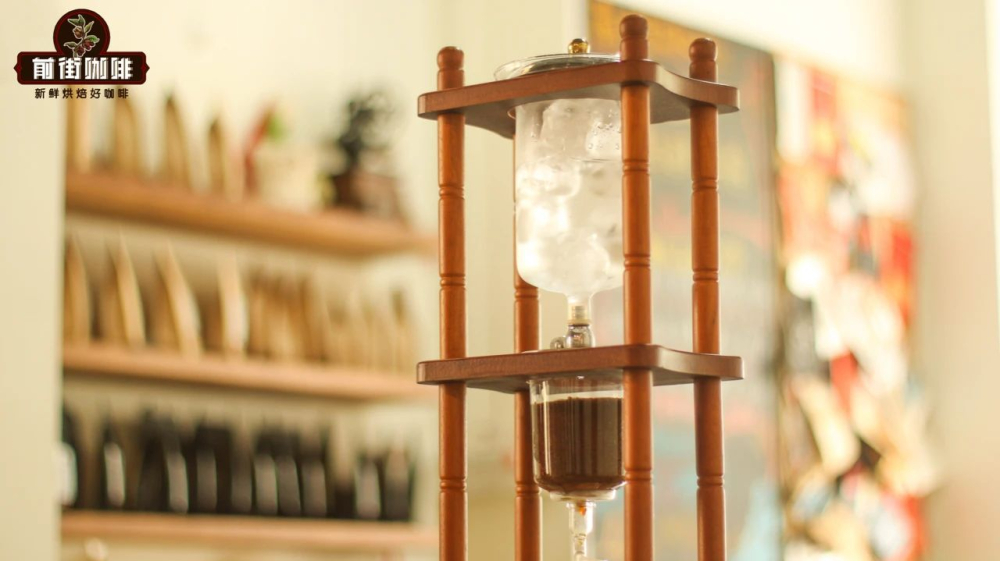
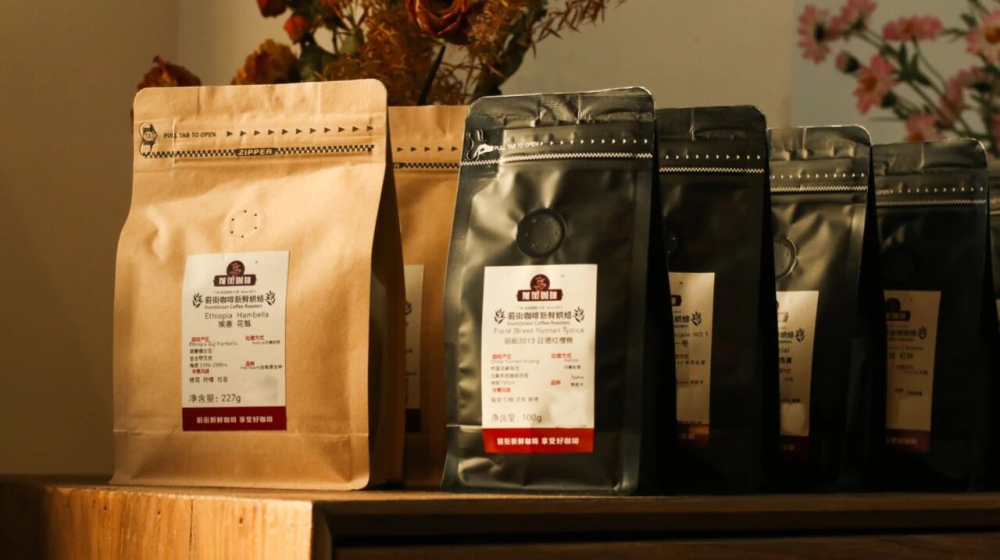
For those who prefer a fresher taste, light roast beans are also an excellent choice. For example, varieties like Huakui, Strawberry Candy, and Cherry Tomato, when cold dripped, not only show minimal bitterness but also reveal abundant floral aromas and layers of fruity sweetness. Among them, Huakui cold drip is particularly unique—when served cold, it delivers a sweet aftertaste reminiscent of black tea, becoming even more refreshing with ice, making it suitable for summer or for drinkers seeking a lighter taste.
The standard process for making cold drip coffee begins with preparing the appropriate equipment and materials. It is recommended to use a complete cold drip set, along with 60 grams of coffee beans (such as a certain premium-grade coffee bean), 300 grams of drinking water, and 300 grams of ice. First, grind the coffee beans to a granularity similar to that of superfine sugar, approximately corresponding to an 80% sieving rate through a Chinese No. 20 standard sieve. This grind size ensures that water flows steadily through the coffee bed while extracting sufficient flavor.
Next, place a round piece of filter paper at the bottom of the coffee chamber in the cold drip device, slightly dampen it with clean water, and press it firmly against the walls of the cup. This step prevents coffee grounds from leaking and helps lay the subsequent filter paper more smoothly. After adding the 60 grams of ground coffee, you can gently shake the coffee chamber to level the surface or lightly press it with a tamper to make the coffee layer more uniform, which aids in even water distribution later on.
To further ensure that the dripping water is evenly distributed across the entire coffee bed, it is recommended to place another sheet of filter paper on top of the coffee grounds. This not only helps the water spread evenly, preventing a central depression caused by prolonged dripping, but also enhances overall extraction stability.
Before starting the drip, it’s necessary to pre-wet the entire coffee bed with ice water to bloom it. This step is equivalent to the blooming process in pour over brewing, effectively improving subsequent extraction efficiency and ensuring more consistent and stable flavors.
When preparing to start dripping, it is recommended to mix ice and cold water in a 1:1 ratio in the dripping bottle, and control the drip rate to about 7 drops per 10 seconds. This drip rate helps maintain a stable extraction rhythm, avoiding both overly fast or slow rates that could negatively impact the final flavor.
Once the coffee liquid has completely dripped through, it is recommended to transfer the resulting coffee into a clean, airtight container that is free of oil and water, and then place it in the refrigerator for oxidation maturation. This step allows flavor molecules to further release and integrate. Typically, letting it sit for several hours before drinking will yield a richer and more balanced taste experience.
The above content is compiled by CoffeeHunters, a coffee news website.


