








Introduction:Making a latte at home that rivals those from coffee shops is not as difficult as you might think. By mastering key espresso extraction techniques, selecting the right coffee beans and fresh milk, and getting the coffee-to-milk ratio just right, you can easily create a latte with balanced flavors. This article will delve into the evolution of the latte’s definition, recommend practical coffee bean choices, share extraction parameters and milk pairing tips, and debunk common misconceptions about home and commercial machines — helping you step-by-step adjust to your own ideal taste.
To make a smooth, well-balanced latte at home akin to those from cafes, the key lies in three main elements: stable and flavorful espresso extraction, the right choice of coffee beans and fresh milk, and a well-judged coffee-to-milk ratio. This article will start with the basics of what a latte is, then clearly explain the extraction process, bean selection, milk pairing, and common issues, enabling every coffee enthusiast to adjust their latte to their preferred flavor.

First, let’s clarify the origin of the term "latte." In Italian, "latte" simply means milk, so a "coffee latte" is essentially a combination of coffee and milk. Early lattes had no fixed formula until brands like Starbucks popularized the drink format of "espresso plus steamed milk" globally, gradually forming the familiar latte we know today: one or more shots of espresso, paired with heated milk that may have a light layer of foam.
If you want to replicate a cafe-level latte at home, you don’t actually need expensive equipment. The key is controlling the following three elements: first, choosing the right coffee beans; second, stably extracting an espresso with concentrated flavor; and third, grasping the golden coffee-to-milk ratio. As long as you get these three aspects right, even using a home coffee machine, you can brew a satisfying latte.

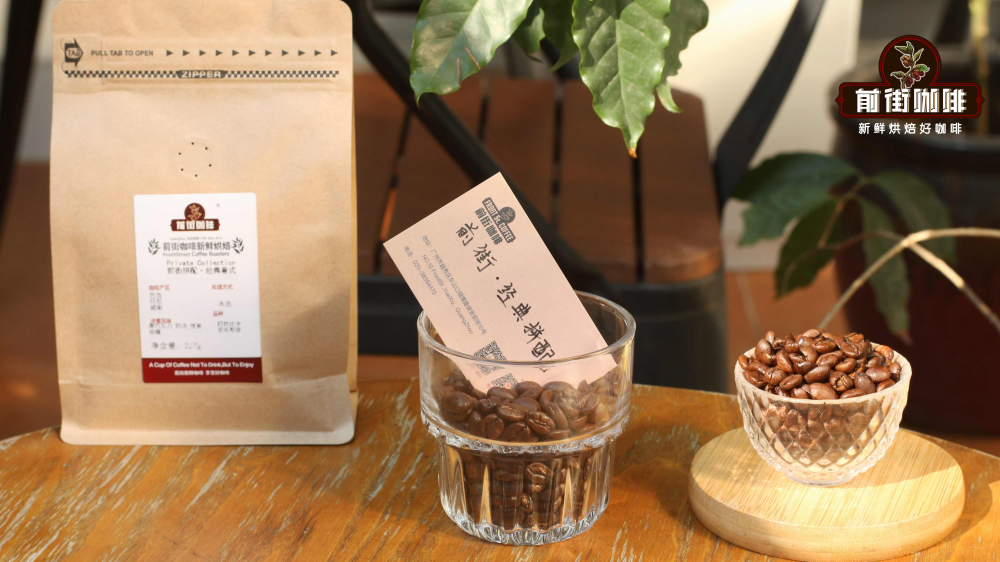
When it comes to choosing coffee beans, it is recommended to prioritize espresso-roasted blends. These not only offer a more balanced flavor but also suit multiple brewing methods, including using a moka pot or a home semi-automatic coffee machine. Below are three everyday-use espresso blends, each with its unique flavor profile and suitable scenarios:
① If you desire rich crema and a full-bodied mouthfeel, opt for a classic blend made with Brazilian Red Bourbon, Indonesian Mandheling, and Vietnamese Robusta. This recipe is tailored for use with espresso machines and moka pots, delivering abundant crema and a thick body. Whether enjoyed as a straight americano or as a latte with milk, it showcases deep and intense coffee aromas.
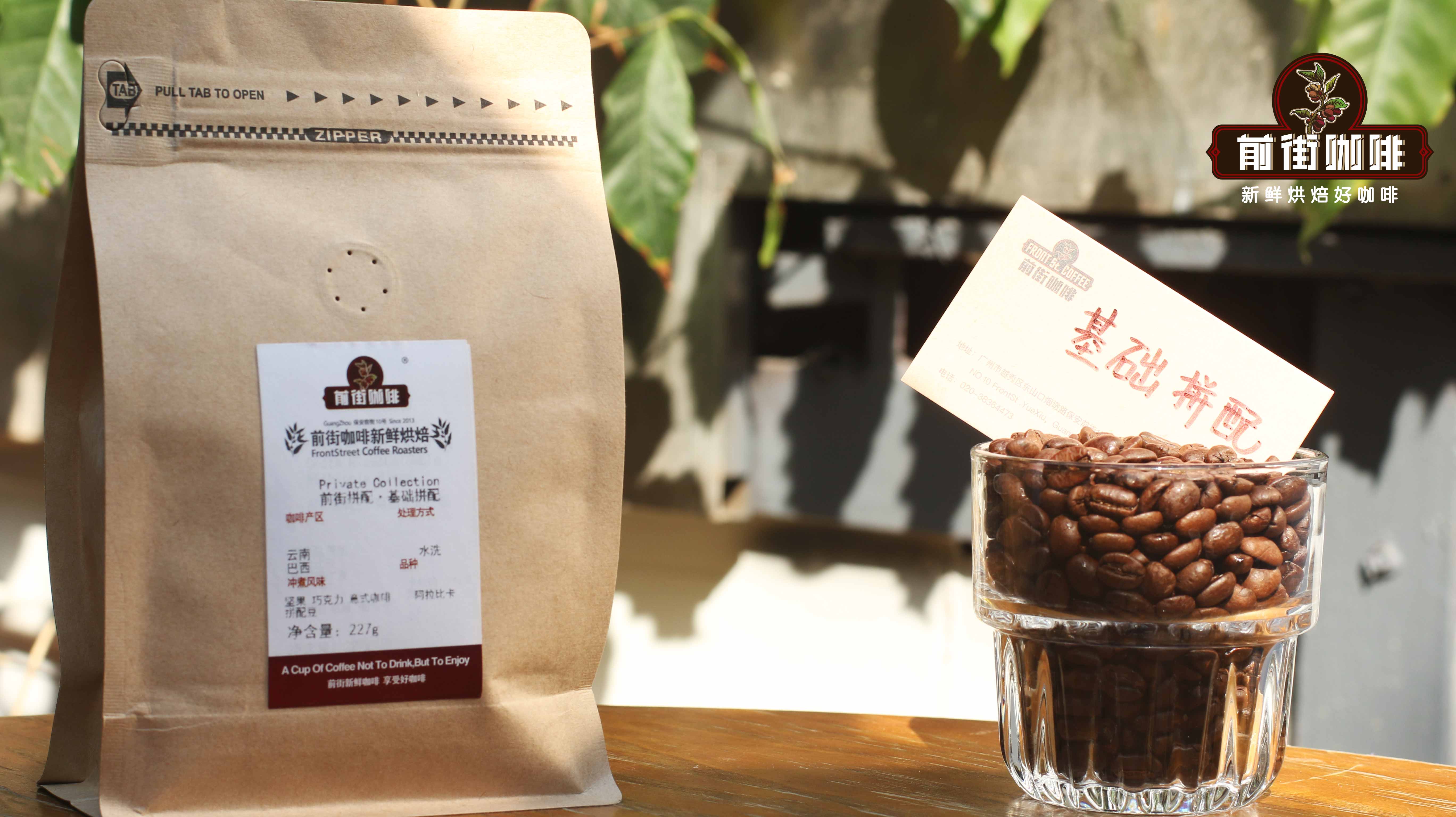
② If you prefer good value and balanced flavor, try a basic blend made with washed Yunnan small-seed variety and Brazilian semi-washed beans. This bean is roasted to a medium-dark level, offering a gentle fruit acidity paired with warm caramel and nutty notes. It is affordably priced, extracts consistently, and is ideal for beginners as a daily practice bean or base for everyday lattes.

③ If you are sensitive to bitterness or enjoy coffees with prominent floral and fruity notes, consider a medium-roast floral-fruity blend. This recipe features aromas of rose, strawberry soft candy, and dried blueberries. The brewed coffee has a refreshing flavor, and when made into a latte, it reveals layers of grape and citrus, with a hint of almond aftertaste in the finish — perfect for those seeking a fresh-tasting cup.
Beyond bean selection,the freshness of the coffee beans and their resting (aging) timeare also important factors affecting flavor. It is generally recommended to choose beans roasted within 5 to 10 days prior, when residual carbon dioxide inside the beans stabilizes, allowing for a more balanced extraction. Although freshly roasted beans are appealing, beans straight out of the roaster may have overly active internal gases, which can interfere with extraction efficiency, leading to insufficient aroma or uneven extraction. Typically, the optimal flavor window for espresso beans is around 50 days, and it is advised to use them within this period.
Milk is also a non-negligible component in a latte. It is recommended to choose commercially available fresh milk, which not only has better flavor but also produces moderate foam upon heating, helping to enhance overall mouthfeel and smoothness. Avoid using ultra-high-temperature long-time sterilized milk products, as the fat and protein structures in such milk have been altered, making it difficult to produce fine foam and negatively impacting the overall flavor layering.
Next, let’s talk about espresso extraction. Many people mistakenly believe that only high-end commercial machines can brew delicious espresso, but in fact, as long as you master the correctextraction parameters,even entry-level home coffee machines can steadily produce decent-quality espresso. The generally recommended base extraction ratio is a 1:2 coffee-to-water ratio, with extraction time controlled between 25 to 30 seconds. At the same time, pay attention to maintaining a stable flow rate, avoiding irregularities such as channeling, tunneling, or splattering.
As for a common question: should a latte use one or two shots of espresso? And how should the coffee-to-milk ratio be adjusted? There is actually no absolute standard — it depends on individual taste preferences. The generally recommended coffee-to-milk ratio range is1:4 to 1:8.If using a bold blend, such as the classic one, you can moderately increase the milk ratio to 1:6 to balance the overall intensity. But if you opt for a medium-roast bean with prominent floral and fruity notes, it’s advised to keep the ratio at 1:4 to prevent the milk from overpowering the delicate flavors of the coffee.
Finally, regarding milk foam and latte art — although many believe a perfect latte must have fine foam and beautiful latte art, this is not a necessity for everyday home enjoyment. As long as the milk temperature is appropriate and it is well integrated with the espresso, even without foam or art, you can still enjoy a latte with outstanding flavor and smooth texture. If you wish to further challenge your milk foam skills, you can refer to relevant tutorials, but remember, the soul of a latte is always the perfect union of coffee and milk.
In summary, the reason why coffee shops can deliver a latte that leaves a lasting impression is the result of countless adjustments and trials. Making a latte at home is no different — as long as you keep experimenting with coffee beans, extraction parameters, and milk ratios, you will eventually find your own “perfect latte” that suits your taste.
The above content is compiled by CoffeeHunters, a coffee news website.


