







Introduction:Jamaican Blue Mountain coffee is renowned worldwide for its rarity and refined flavor, yet its grading system and how to identify authentic beans often puzzle many coffee enthusiasts. This article delves into the official grading standards of Blue Mountain coffee, techniques for identifying genuine sources, and offers insights into the processing method of Blue Mountain No. 1 along with recommended pour over brewing tips — providing a comprehensive understanding of this legendary coffee from origin to cup.
As a globally recognized top-tier specialty coffee, Jamaican Blue Mountain stands out with its distinctive flavor profile and strict geographic restrictions, making it a dream brew for coffee lovers. However, due to its limited production, the market is flooded with imitations and misleading offerings. Understanding the grading criteria and authentic identification methods is essential to truly appreciating its essence.
The Grading System of Jamaican Blue Mountain Coffee
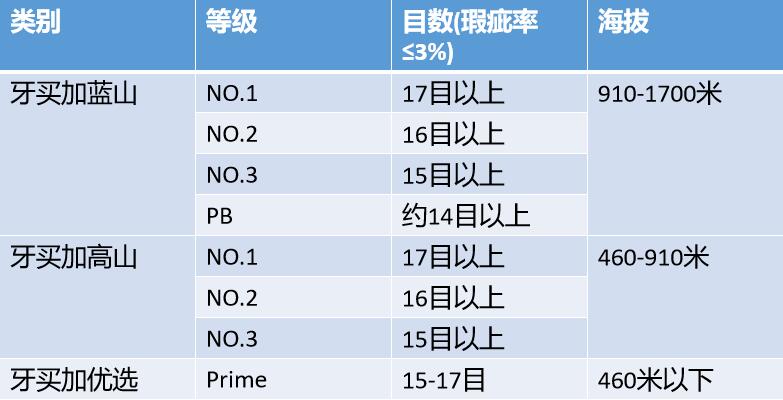
The Jamaican government, through the Coffee Industry Board (JCIB), strictly regulates the certification standards of Blue Mountain coffee. Only coffee grown at elevations between910 and 1700 meterswithin the Blue Mountains, using the Typica variety and certified by official standards, can be called “Jamaican Blue Mountain coffee.” This elevation zone spans only about6000 hectaresand includes five main peaks: John Crow, St. John's Peak, Mossman's Peak, High Peak, and Blue Mountain Peak, covering just one-third of the entire Blue Mountain area. Overall, Blue Mountain coffee accounts for approximately15%of Jamaica’s total coffee output.
The higher the altitude, the greater the difficulty and labor cost involved in harvesting the coffee cherries, resulting in different grades of Blue Mountain coffee. Typically, Blue Mountain coffee is categorized based on bean size, appearance, moisture content, and cupping performance intoBlue Mountain No. 1, Blue Mountain No. 2, Blue Mountain No. 3, and Blue Mountain Peaberry— four distinct grades. Among them,Blue Mountain No. 1is considered the highest grade, with the lowest percentage of defective beans and the most consistent cup quality, making it the most sought-after and authentic representation of Blue Mountain coffee in the market.
Flavor and Processing Features of a Well-Known Brand’s Jamaican Blue Mountain No. 1
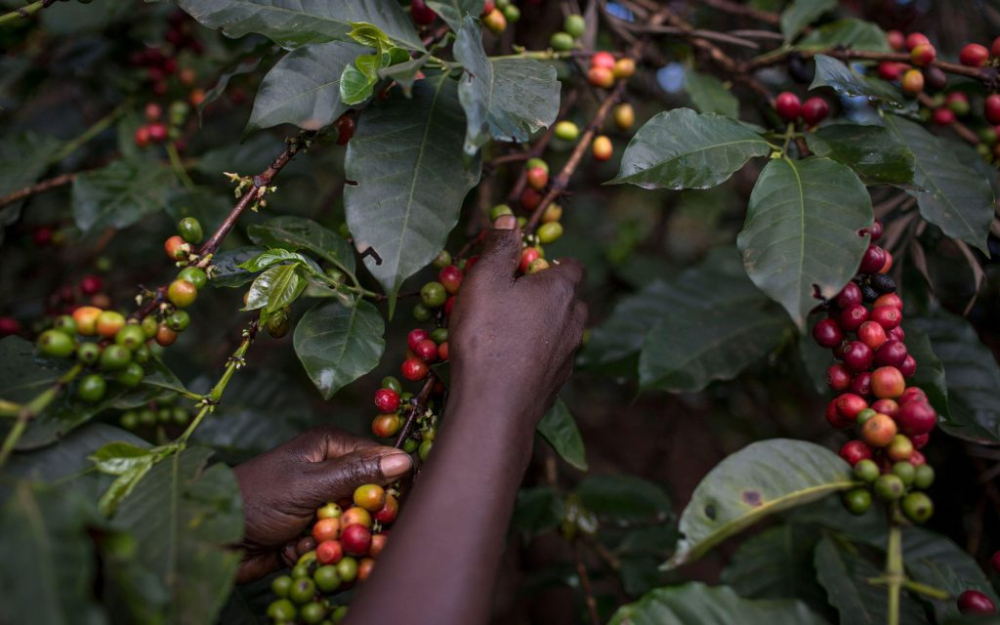
The Blue Mountain No. 1 used by a well-known brand comes fromClifton Estatein the Blue Mountain region, and is of the traditional Typica variety. Although this variety is less resistant to disease and yields lower production, it has developed a unique flavor profile under the region’s microclimate and long-term adaptation that is hard to replicate elsewhere. The local producers use the washed processing method, which not only effectively removes defective beans but also highlights a clean and clear aromatic profile. During washing, the coffee cherries are first floated to remove unripe ones, then fermented to remove the mucilage, and finally sun-dried to the appropriate moisture level, yielding a purer overall flavor.
This particular Blue Mountain No. 1 boasts a rich aroma, often featuring intense notes of chocolate and roasted hazelnuts, with a full body and balanced acidity and sweetness. Many consumers also detect delicate nutty sweetness and a long-lasting aftertaste when tasting it — a true reflection of the classic Blue Mountain flavor.
How to Identify Authentic Jamaican Blue Mountain Coffee?
Common products labeled as “Blue Mountain flavor,” “Blue Mountain blend,” or “Blue Mountain premium” are mostly not genuinely from the Jamaican Blue Mountain region. To distinguish the real deal, consider the following key points:
- Geographic Exclusivity: Genuine Blue Mountain coffee is produced only within specific elevations of the Blue Mountain range. Even if Typica is grown elsewhere, it cannot be called Blue Mountain coffee.
- Price Reflects Value: Due to limited production and high labor costs, authentic Blue Mountain coffee commands a high price. If the price seems too low (for example, just a few dozen yuan per 100 grams), it is very likely not genuine. As an example, the reasonable market price for authentic Blue Mountain No. 1 is about158 yuan/100 grams.
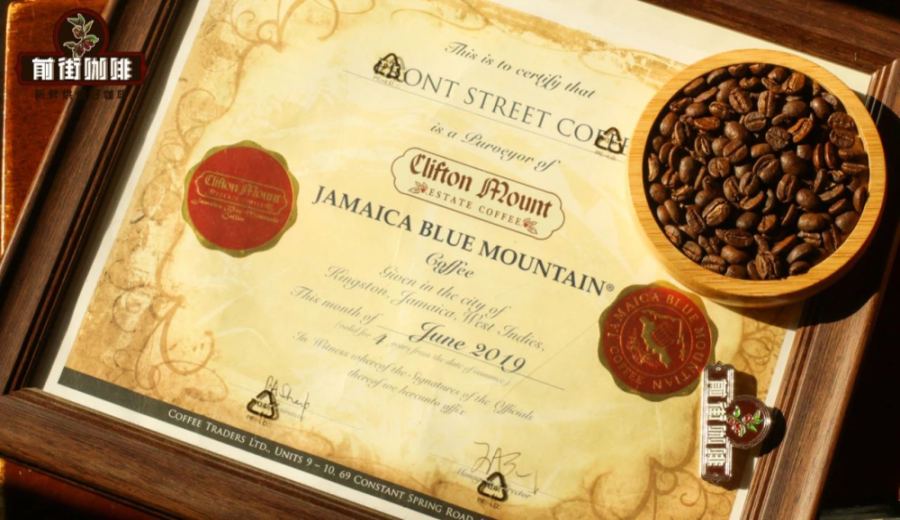
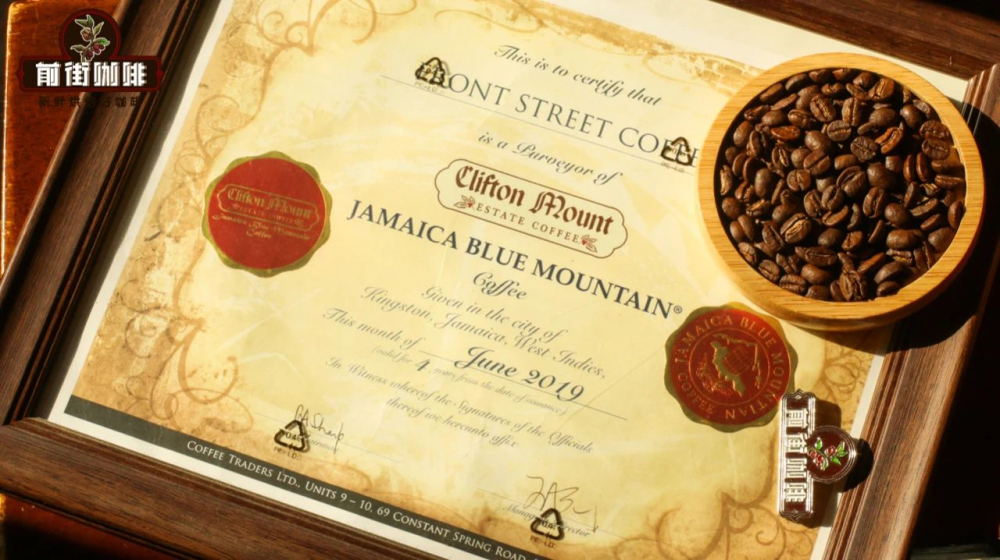
- Packaging and Certificates: Jamaican Blue Mountain is one of the few regions in the world that useswooden barrels for shipping green beans. These barrels are not only traditional but also help maintain bean quality. Additionally, authentic products should come with a quality certificate issued by the Jamaican Coffee Board, an authorized producer’s letter, and a certificate of origin.
When purchasing, consumers can ask vendors to show relevant documentation to ensure they’re buying genuine Blue Mountain No. 1.
Recommended Pour Over Parameters for a Well-Known Brand’s Blue Mountain No. 1
To fully showcase the delicate flavors of Blue Mountain No. 1, pour over parameters and technique are crucial. It’s recommended to use freshly roasted beans (ideally roasted within5 days) to ensure the aromas are at their peak.
Blue Mountain No. 1 is typically medium-to-dark roasted to balance its full body while retaining moderate acidity. In the cupping evaluation by a well-known brand, this coffee displayed layered flavors of dark chocolate, nuts, and gentle fruit sweetness. Hence, the following pour over settings are recommended:
- Filter Cone: KONO
- Grind Size: About75%20-mesh standard sieve passing rate (medium-fine grind)
- Water Temperature: 88°C
- Coffee-to-Water Ratio: 1:15 (15 grams of coffee grounds to 225 milliliters of water)
- Brewing Method: Three-Stage Pouring
The steps for three-stage pouring are as follows: First, pourAs follows: First, use30 grams of waterfor blooming, lasting about30 seconds; then, in the second stage, pour95 grams of waterin a steady circular motion from the inside out; when the water level drops to about the height of the coffee bed in the filter cone,2/3proceed to the third stage by pouring100 grams of water, maintaining a small, steady stream throughout. The total dripping time is about2 minutes, after which you can remove the filter cone and gently swirl before enjoying.
This brewing method fully highlights the layered aromas of Blue Mountain coffee — from roasted nuts to caramel sweetness. Upon tasting, the blend of dark chocolate and nutty flavors comes through with a full body and long-lasting aftertaste. Changes in temperature reveal different flavor dimensions, making it an excellent way to savor the essence of Blue Mountain coffee.
The above content is compiled by CoffeeHunters, a coffee news website.


