








Introduction:Kenyan coffee is renowned for its intense fruity acidity and unique berry-forward flavor profile. Its rigorous grading system serves as a key indicator of quality. This article takes an in-depth look at the entire journey of Kenyan coffee—from cultivation to grading—explains the differences between grades such as E, AA, AB, and PB, and includes practical pour over recommendations and roasting guidelines to help you select the most suitable Kenyan beans.
Kenyan coffee is celebrated for its bright and structured acidity. Compared to its neighbor Ethiopia, which also emphasizes fruity flavors, Kenyan acidity is more pronounced and bold, with rich fruit notes, whereas Ethiopian coffee tends to showcase a clean and bright citrus acidity. This distinctive trait has secured Kenyan coffee a notable place in the specialty coffee market.
The history of Kenyan coffee dates back to the early 20th century when Kenya was still a British colony. The colonial government introduced coffee cultivation to boost foreign exchange earnings. In 1922, the Scott Agricultural Laboratories were established and developed the iconic SL28 and SL34 varieties, which together still account for around 90% of Kenya’s coffee plantings and form the foundation of its unique flavor. In 1938, the government officially implemented the coffee grading system, laying the groundwork for today’s AA, AB, and PB classifications.
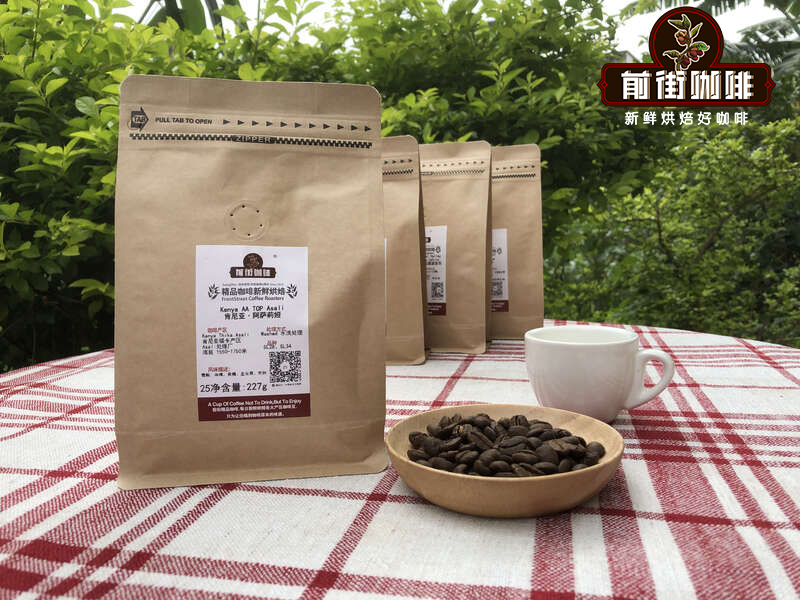
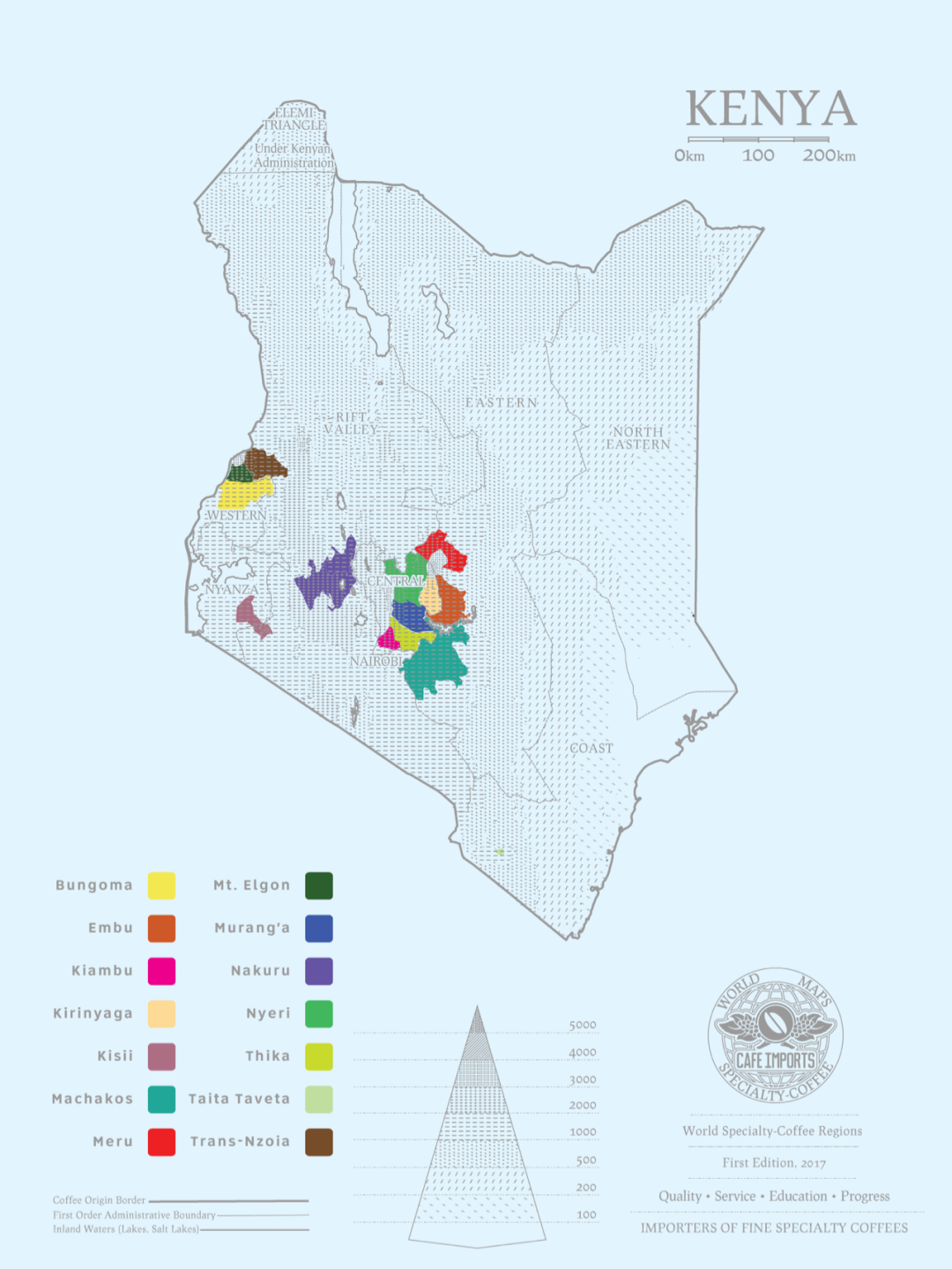
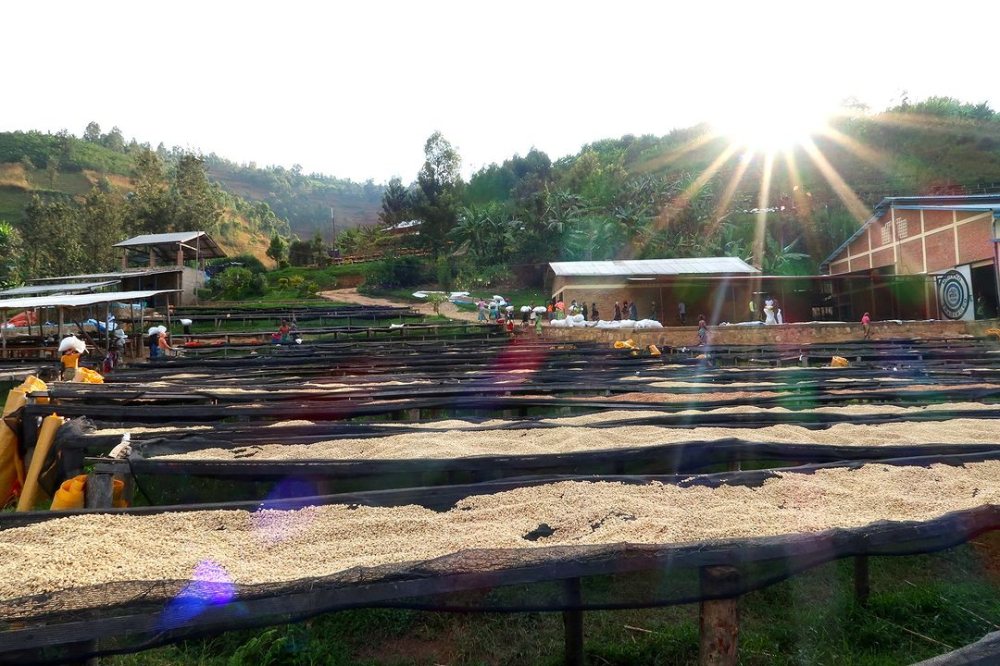
Kenyan coffee is primarily grown on volcanic red soil plateaus at elevations between 1,400 and 2,000 meters. These regions enjoy abundant sunlight and excellent drainage, and the high altitude slows down the ripening process of coffee cherries, resulting in denser beans with more concentrated flavors. Major producing areas include Nyeri, Kirinyaga, and Kiambu in the central region, as well as Kisii and Bungoma in the western part. Beans from different regions each have their own characteristics—for example, Nyeri is known for its bright citrus and berry acidity, while Bungoma exhibits softer acidity paired with nutty sweetness.
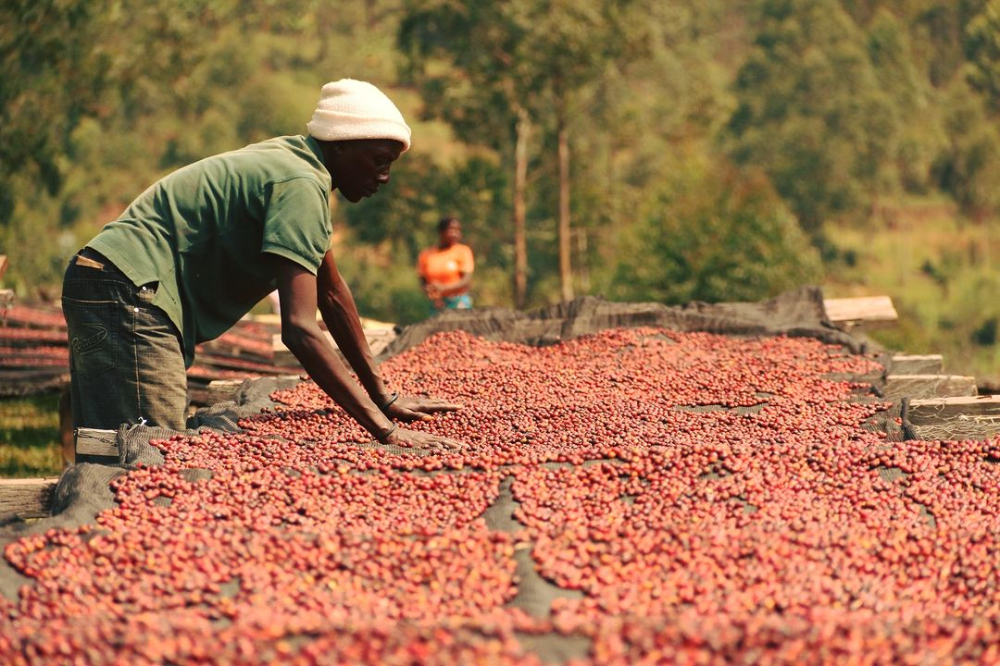
Coffee production in Kenya is carried out by both large estates and smallholder cooperatives, with approximately 75% of the coffee coming from 270 cooperatives and over 700,000 smallholder farmers. This cooperative model is similar to that of Ethiopia’s smallholder setups, helping to improve processing quality and market bargaining power. Coffee typically flowers between March and April, with two main harvest seasons from May to July and September to October, giving rise to its biannual harvesting characteristic.
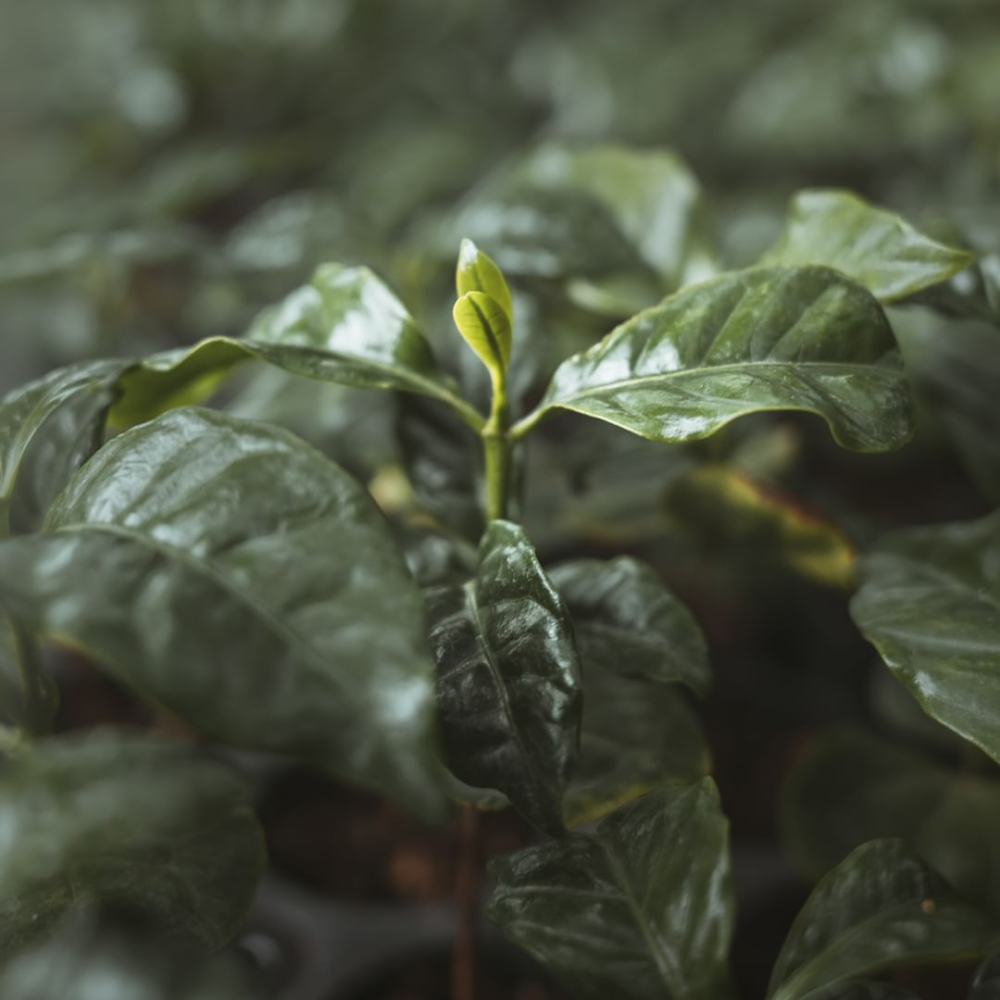
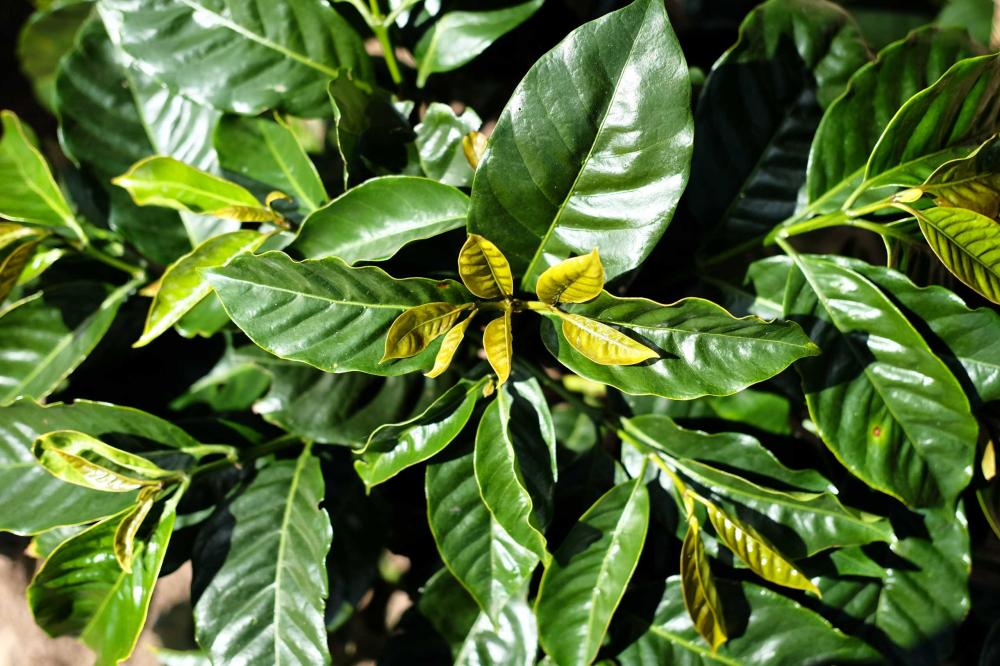
In terms of variety, SL28 and SL34 are the dominant cultivars in Kenya. The former is known for its bright acidity and complexity, while the latter has a milder acidity. Together, they form the core flavor profile of Kenyan coffee. Ruiru11 is a hybrid variety developed to resist coffee leaf rust, and although it offers disease resistance, its flavor performance is generally not as strong as traditional varieties.
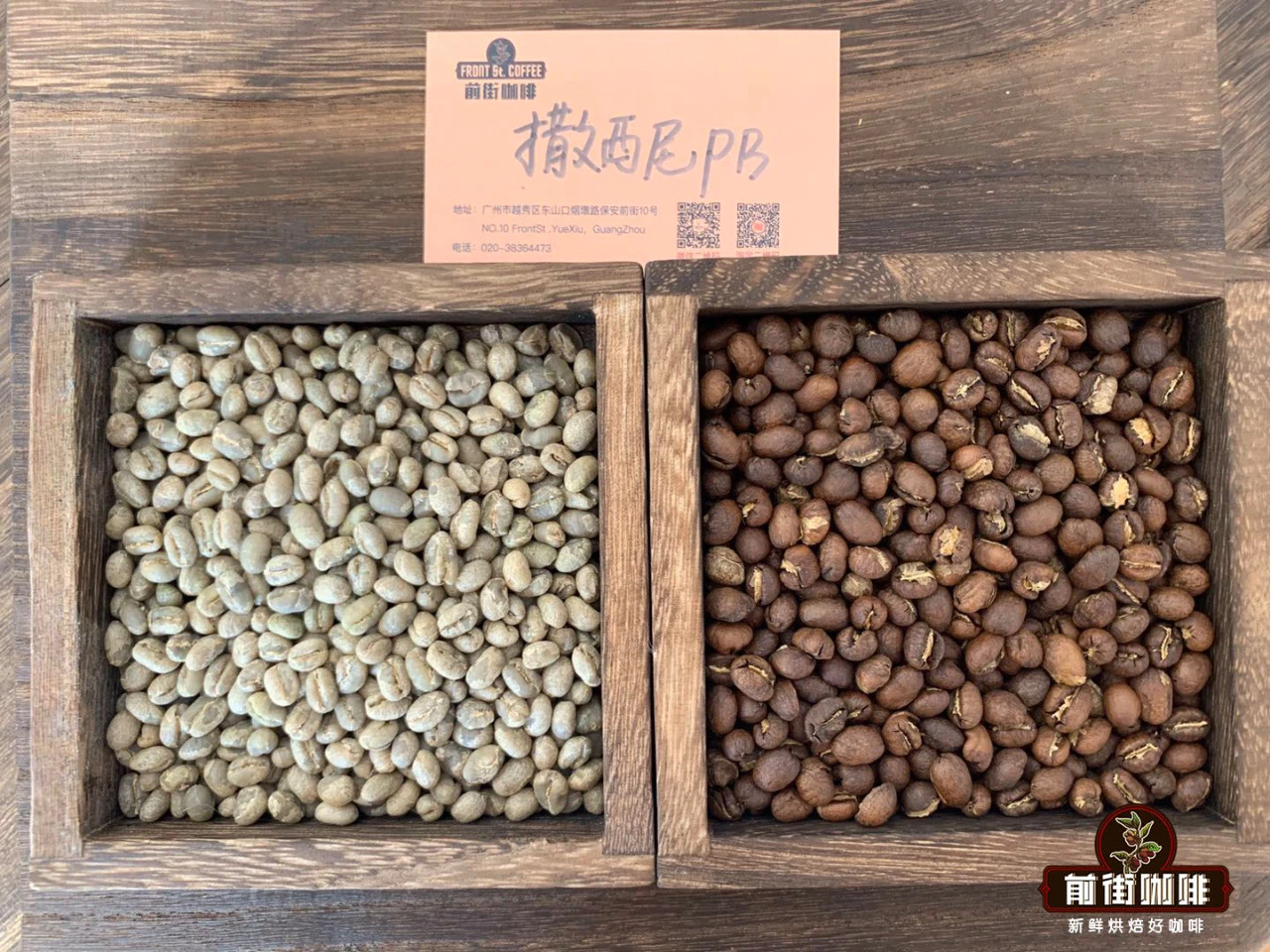
Kenya’s coffee grading system classifies beans based on size, shape, and cupping performance. From highest to lowest, the grades include E, AA or AA+, AB, C, PB, TT, and T. Among them, Grade E (Elephant) consists of unusually large, fused twin beans that, despite their size, often contain defects. Grade AA beans have a diameter of about 17 to 18 mesh, making them the most common high-end grade on the market, though this grade reflects bean size rather than directly indicating the best flavor. Grade AB beans are a mix of A and B sized beans, with a diameter of about 15 to 16 mesh, and are the mainstay of the market. PB (Peaberry), commonly known as small round beans, make up about 10% of production and occur when only one seed develops fully into a round shape, often found in well-known regions like the Sachini Estate.
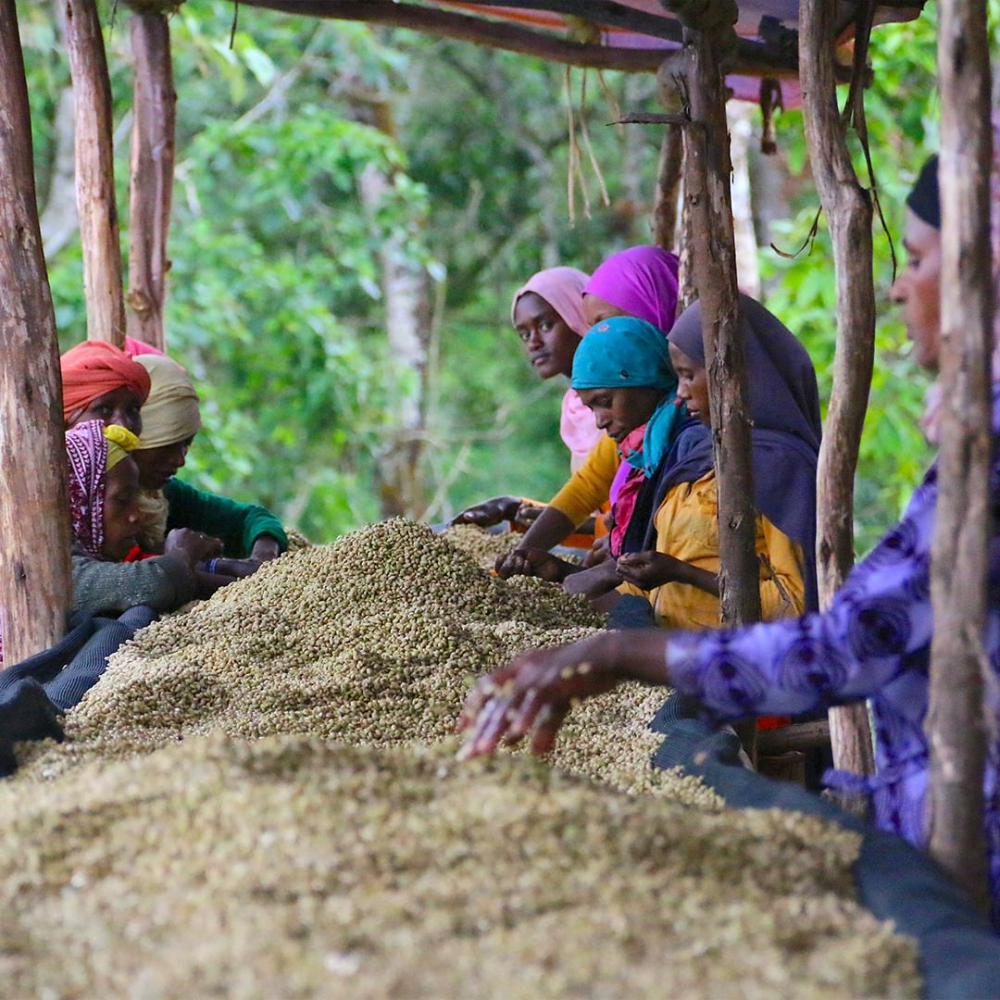
In addition to the primary grades, there are also C, TT, and T grades, consisting of smaller or lighter beans, as well as the MH/ML grades, mostly overripe fallen cherries, which are limited to domestic sales. It is worth noting that some exporters have established additional cupping-based sub-grades for AA and AB beans, such as TOP, PLUS, and FAQ, offering more detailed quality references, though these are not official mandatory standards.
The trading of Kenyan coffee is mainly conducted through the auction system of the Nairobi Coffee Exchange, accounting for about 85% of total production. Established in 1937, this system allows licensed agents to send samples to buyers worldwide, who then bid on behalf of clients. Starting in 2006, the government allowed some exporters to engage in direct trade with buyers, creating what is known as the “second window,” giving producers the opportunity to secure better returns. This dual-track system enhances market transparency and helps quality-focused coffee receive fair pricing.
In actual brewing, Kenyan coffee is commonly light to medium roasted to preserve its bright acidity and fruity notes. For pour over brewing, it is recommended to use water at 90°C and a coffee-to-water ratio of 1:15 as a baseline, adjusting grind size slightly depending on the beans’ condition. For instance, when using a V60 dripper, it is advised to sieve the grind to ensure stable flow rate, thereby achieving optimal flavor expression.
In summary, understanding Kenya’s coffee grading and regional characteristics can help you choose beans that match your personal taste preferences. Whether you prefer the bold fruitiness and complexity of AA grade or the smooth and sweet profile of PB peaberry beans, Kenyan coffee offers a diverse and high-quality selection well worth exploring for coffee enthusiasts.

The above content is compiled by CoffeeHunters, a coffee news website.


