







Introduction:Jamaican Blue Mountain coffee is hailed as the finest in the coffee world, renowned for its exceptional balance of acidity, bitterness, sweetness, and body, low caffeine content, and delicate fruity notes. This article delves into the unique flavor profile of Blue Mountain coffee, explores the rarity of peaberry beans, and provides practical pour over recommendations and parameters to help you appreciate this world-class coffee bean from a professional perspective and grasp the essence of its charm.
Jamaican Blue Mountain coffee has long been known as the "coffee beauty," grown in the Blue Mountains of Jamaica and recognized globally as one of the top-tier coffees. Its most outstanding feature is the ultimate balance of flavors—acidity, bitterness, sweetness, and body all blend seamlessly, with almost no noticeable harshness, leaving only a touch of elegantly balanced acidity and a lingering finish that carries subtle fruity aromas, making it truly unforgettable. In addition, Blue Mountain coffee contains only about half the caffeine of regular coffee, further enhancing its appeal as a healthy beverage choice, making it the preferred option for those seeking both quality and wellness.
True Blue Mountain coffee from the Blue Mountain region cannot be replicated.Even in places with similar climate and soil conditions, such as Hawaii, Kenya, or Papua New Guinea, where the same Arabica varieties are grown, it is impossible to recreate the one-of-a-kind flavor of Blue Mountain coffee. This irreplaceability is at the very heart of what makes Blue Mountain coffee so precious.
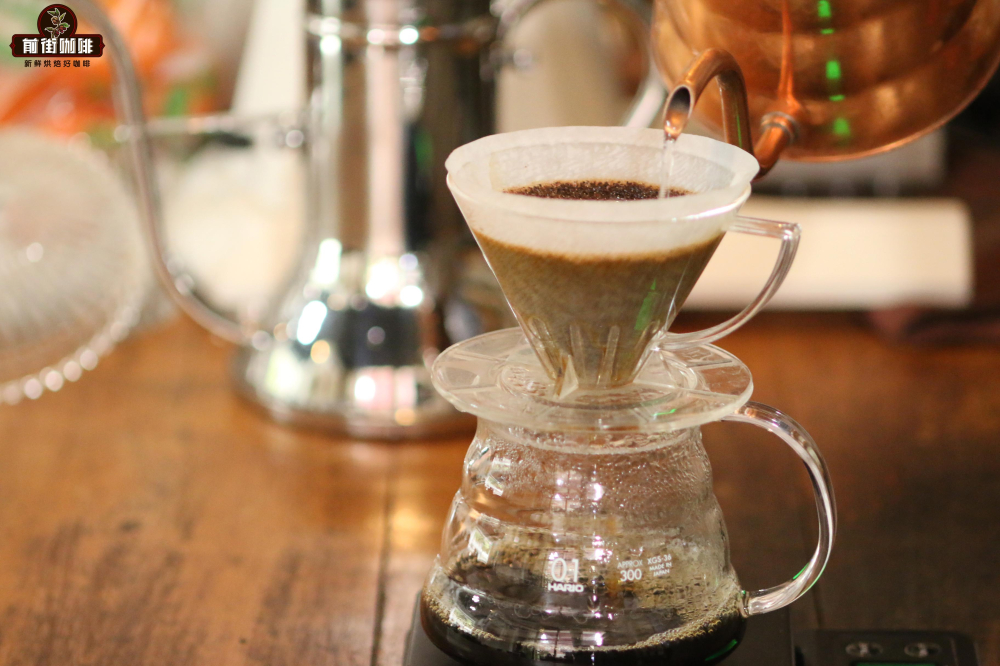
Universally acknowledged as the finest Blue Mountain coffee, it is undoubtedly among the highest-quality coffees in the world. However, despite its high price ensuring a certain level of market availability,not every cup may fully showcase its intended peak flavor.In fact, due to the delicate and layered complexity of Blue Mountain coffee’s flavor, using an insufficient amount of coffee grounds during brewing can easily result in its distinctive characteristics not being fully expressed. Therefore, to fully experience the essence of Blue Mountain coffee, it is recommended to use about 10% to 15% more coffee grounds than you would for regular beans, allowing its flavor layers to become more pronounced.
Authentic Jamaican Blue Mountain coffee is made from locally selected high-quality green beans, which is also the main reason why coffee connoisseurs are so drawn to it. Its taste is rich and full-bodied, with a well-balanced mouthfeel, coupled with pleasant fruity aromas and gentle acidity, capable of satisfying a wide range of taste preferences. Moreover,high-quality and freshly roasted Blue Mountain coffee has excellent flavor longevity.Its aftertaste is long-lasting, reminiscent of savoring a fine wine, leaving a memorable impression.
Among the many types of Blue Mountain coffee beans, the most premium is the NO.1 Peaberry, commonly known as the "pearl bean." These coffee beans are small, round beans carefully selected from the mid-altitude zone of the Blue Mountains, around 2,100 meters above sea level, through multiple rigorous screenings. Compared to regular flat beans, peaberry beans contain only one seed instead of two, concentrating more of the flavor essence, and are regarded as the finest among Blue Mountain coffees.
Taking the tasting notes of a well-known coffee brand on Blue Mountain No.1 as an example, they describe its flavor as: exceptionally clean and clear in mouthfeel, rich and nuanced in layers, overall gentle and smooth, with a soft chocolatey sweetness. It performs excellently in body, with a well-balanced proportion of sweetness, acidity, and bitterness—completely free of any jarring or unpleasant bitterness, retaining only a moderate and elegant acidity, while the finish offers a long-lasting and memorable fruity aroma.
The caffeine content of Blue Mountain coffee is so low that it is less than half that of other common coffee varieties, aligning perfectly with the modern dietary trend toward low-stimulation, healthy beverages, and making it a top choice for many office workers and health-conscious consumers.
It is worth mentioning that,even if the same coffee variety is transplanted to regions with similar climatic conditions, such as Hawaii’s Kona or the highlands of Papua New Guinea, it is still impossible to replicate the unique overall flavor of Blue Mountain coffee.This is not only related to the altitude, soil, and microclimate of the origin but also inseparable from the long-accumulated cultivation and processing techniques unique to the Blue Mountain region.
Pure Jamaican Blue Mountain coffee masterfully blends the four major flavor elements—acidity, bitterness, sweetness, and body—into a captivating aroma and mouthfeel that is both intense and elegant, a height that few other origin coffees can reach. Many Blue Mountain enthusiasts describe it as “a coffee beauty that embodies all the virtues of top-quality coffee,” where every sip is an ultimate delight. As Jim, General Manager of the renowned American coffee and tea company Peet’s, once said: “Blue Mountain coffee tastes fragrant, smooth, and full-bodied, as precious as a gem. Precisely because its flavor is so balanced and perfect, it is often best enjoyed as black coffee to fully appreciate its true charm.” When Blue Mountain coffee takes on a mesmerizing golden hue in the sunlight and glides smoothly upon the palate, it leaves an unforgettable impression. Coffee reference books also note: “Blue Mountain is one of the few coffees in the world that can simultaneously express both acidity and bitterness, yet still remain delightful—a single sip reveals its extraordinariness.”
The above content is compiled by CoffeeHunters, a coffee news website.


