








Introduction:Kenyan coffee is renowned for its bright acidity and rich berry aroma, making it a flagship bean in the hearts of many coffee enthusiasts. This article delves into Kenya’s coffee-growing environment, key varieties, and the classic K72 double fermentation washed process, analyzing the origins of its distinctive floral and fruity flavors. It also provides practical brewing methods—such as cold pour over, cold drip, and cold brew—that best highlight its acidity, helping you fully experience the charm of Kenyan coffee.
With its vivid and vibrant acidity and full-bodied berry flavors, Kenyan coffee holds a notable place in the global specialty coffee market. Its clear, layered acidity has made it a top choice for those looking to explore new flavors. The unique berry and floral notes are not only derived from specific geographical conditions but are also closely tied to the cultivated varieties and traditional washed processing techniques.
Located in East Africa, Kenya is crossed by the equator and features highland terrain with rich volcanic soil. Particularly in its central high-altitude regions, elevations generally range between 1,600 and 2,100 meters. With cool climates and significant day-night temperature variations, these areas provide ideal growing conditions for coffee cherries. This region is not only home to famous peaks like Mount Kenya but is also an important origin for specialty coffee beans. The coffee produced here typically exhibits solid bean structure and outstanding acidity and aroma.

Among the many factors influencing flavor, variety plays a key role. The unique character of Kenyan coffee mainly stems from two major varieties: SL-28 and SL-34. These two varieties were developed by the local Scott Laboratories in the 1930s with the goal of selecting coffee trees that could adapt to Kenya’s high altitudes and variable climate while also possessing commercial potential. These varieties naturally possess bright lemon and citrus acidity, along with rich berry and floral notes, forming the essential foundation of Kenyan coffee’s flavor profile.
Kenyan coffee commonly employs the washed processing method, and is particularly famed for its unique “K72 double fermentation washed process.” This technique emphasizes precision and timing control, with the entire process potentially lasting between 48 to 72 hours—far longer than standard washed processing. The steps include: first floating the harvested coffee cherries to remove unripe or defective beans, then removing the pulp, followed by placing the parchment-covered beans into the upper fermentation tank for an initial fermentation of about 24 hours. After that, most of the mucilage is washed away, and the beans are moved to the lower fermentation tank for a second fermentation lasting around 36 hours. The entire process involves multiple water changes to maintain stable fermentation and prevent the growth of unwanted microbes or off-flavors.
This double fermentation design effectively enhances the coffee’s acidity and overall cleanliness, while also promoting the development of specific aromatic compounds. During fermentation, the concentration of organic acids such as acetic acid increases, enabling the final coffee to exhibit a more vibrant and bright acidity, as well as clear fruit tones, during brewing. In addition, fermentation time is closely related to water temperature and humidity, requiring fine adjustments based on daily weather conditions to ensure balanced flavors.
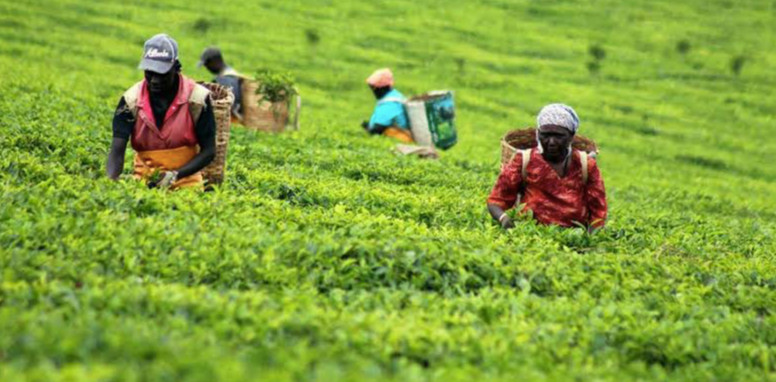
Kenya’s coffee-growing regions are primarily concentrated around the capital Nairobi and the highland areas at the foothills of Mount Kenya. These areas not only have suitable altitudes, but their volcanic soils are also rich in minerals, which help concentrate and develop the coffee’s flavors. With refined processing and appropriate roast levels, Kenyan coffee often presents unique flavor notes such as blackcurrant, grapefruit, berries, and even hints of tomato. Its acidity is bright and layered, with a rich yet refreshing mouthfeel.
For coffee with such bright acidity and tight structure, cold extraction methods can often better showcase its characteristics. Ice pour over is a common and beginner-friendly approach, with the key being the use of a low brew ratio and high-concentration coffee liquid, which is then diluted with ice to achieve concentrated flavors and balanced mouthfeel. It is recommended to use 15 grams of coffee grounds, with a 1:10 coffee-to-water ratio (i.e., 150 ml of hot water), using medium-fine grind (approximately 80% passing through an 0.85 mm sieve, or EK43s setting at 9.5). Water temperature should be controlled around 92°C. Start with a small amount of hot water for a 30-second bloom, then pour in a total of 120 ml of hot water in stages, maintaining a steady flow during the final pour. The total brew time is ideally between 1 minute 50 seconds and 2 minutes.
It is recommended to use solid large ice balls or large cube-shaped ice for the ice, to slow down melting and maintain a stable low temperature during extraction. After brewing, pour the concentrated coffee liquid into a server pre-filled with about 75 grams of ice, gently swirl to allow the ice to gradually dilute the coffee, bringing out refreshing and layered berry and floral notes.

If you prefer a slower extraction and a colder, crisper flavor, cold drip coffee is another excellent option. Use 60 grams of coffee grounds with 600 ml of ice water mixture, at a 1:10 coffee-to-water ratio, with a drip rate controlled at about 3 drops every 10 seconds. The entire process takes approximately 8 hours. After extraction, it is recommended to seal the coffee liquid and let it sit in the refrigerator for 48 hours to allow further flavor integration and sedimentation, resulting in a more refined balance of acidity and sweetness.
Cold brew is a simpler method for home preparation: simply mix 50 grams of coffee grounds with 500 ml of cold water thoroughly, and refrigerate for 8 to 14 hours. Once the time is up, filter out the coffee grounds with paper filters. For a stronger flavor, you may let it sit for an additional 3 to 4 hours to allow further sediment settling, ultimately yielding a cold brew coffee with balanced acidity and sweetness, and a refreshing taste—perfect for hot summer days.
No matter which method you choose, Kenyan coffee can offer you a unique coffee experience with its distinctive floral and fruity acidity and full-bodied mouthfeel. Mastering the correct brewing parameters and methods will allow you to fully appreciate the refined flavor layers from its high-altitude origins.

The above content is compiled by CoffeeHunters, a coffee news website.


