







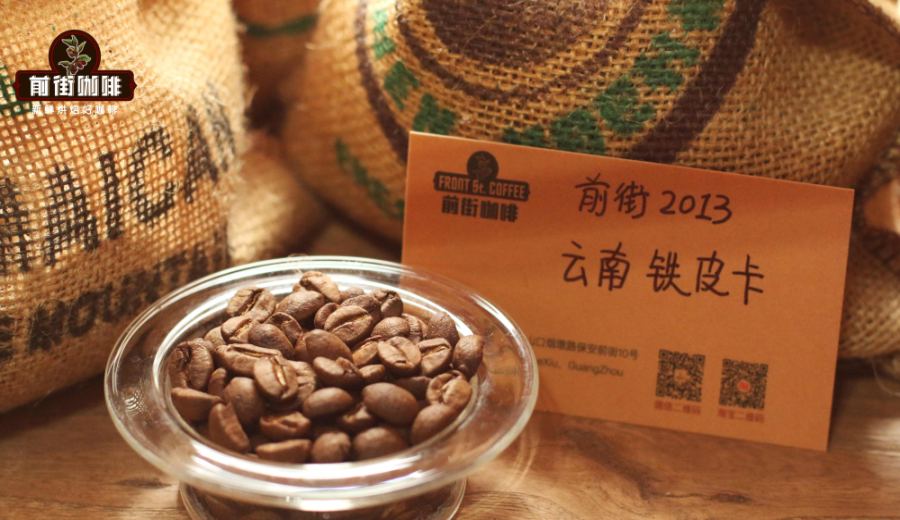
Introduction:From Typica, the oldest variety of Arabica, to the currently dominant Catimor, the journey of Yunnan’s small-grind coffee varieties has been full of twists and turns. This article delves into the historical roots and key regional characteristics of Yunnan coffee, and provides a detailed guide to brewing techniques and flavor profiles of natural Typica, helping you gain an in-depth understanding of this single-origin specialty coffee with local character — and brew it at home with balanced, mellow richness.
In recent years, Yunnan coffee has gradually entered the international market, but with so many producing regions and brands, consumers often feel at a loss. Which Yunnan coffee is truly worth savoring? This article will comprehensively analyze the development and characteristics of Yunnan’s small-grind coffee — from varietal evolution, terroir, grading systems, to brewing methods for natural Typica — to help you find your own perfect cup.
The Evolution of Yunnan Coffee Varieties: From Typica to Catimor
In Yunnan’s coffee varietal lineage, Typica is one of the oldest Arabica varieties and the first to be introduced to the region. As a small-bean variety, it is the namesake of “Yunnan small-grind coffee.” However, due to its low disease resistance and yield, it was gradually replaced by Catimor — a more disease-resistant and higher-yielding variety — as international brands like Nestlé entered Yunnan. Catimor combines Arabica and Robusta genetics; while its flavor complexity is slightly inferior, its yield can be up to three times that of Typica, and it offers good resistance to leaf rust.
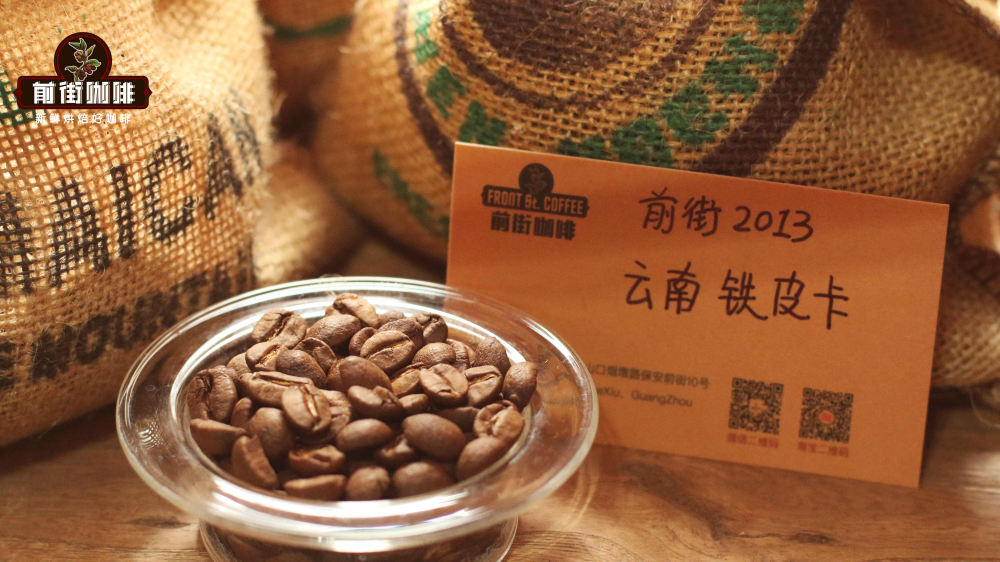
Nowadays, most Yunnan coffee on the market is of the Catimor variety. Though its flavor is not as delicate as Typica, with improvements in cultivation and post-harvest processing, some Catimor beans from certain regions have begun to show distinct fruity sweetness and well-balanced sweetness, with increasingly refined control over bitterness.
Yunnan’s Geography and Climate: Mountains Create Unique Flavor
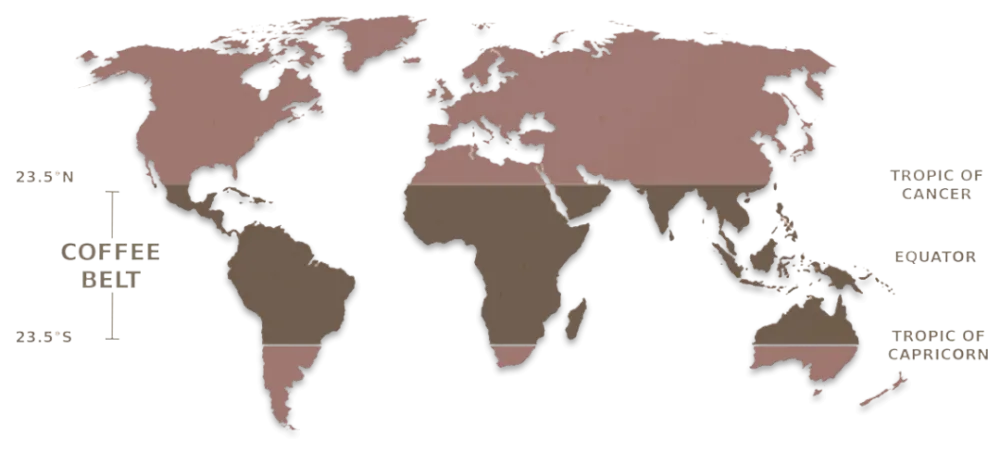
Western and southern Yunnan lie between 15°N and the Tropic of Cancer, with most planting areas situated at elevations between 1,000 and 2,000 meters. The terrain is mostly mountainous and hilly, with fertile soil, abundant rainfall, and significant diurnal temperature variation. These conditions result in coffee beans with a well-balanced acidity and sweetness, rich flavors without excessive bitterness, and often gentle fruit notes paired with nutty undertones.
Key Coffee-Producing Regions and Characteristics in Yunnan
In addition to Pu’er and Baoshan, other important coffee-growing areas in Yunnan include Dehong and Lincang. Each region’s microclimate and elevation differences lead to slight variations in coffee flavor.
【Pu’er】 With an average annual temperature of 17–20°C and planting elevations of 700–1,600 meters, Pu’er is a major distribution hub for Yunnan coffee. Its flavor profile is balanced, with soft acidity.
【Baoshan】 The Lijiang area once received top-tier ratings from the British market in the late 1950s. Planted at 1,000–1,500 meters with a warm climate, it delivers a uniquely rich and mellow cup.
【Dehong】 With a coffee introduction history dating back to 1914, it is one of the earliest regions to cultivate coffee. The large diurnal temperature difference aids sugar accumulation, resulting in vivid and layered flavors.
【Lincang】 Bordering Myanmar, Lincang enjoys a mild climate, ample rainfall, and significant day-night temperature shifts, making it an emerging hub for specialty coffee. The industry has also established its own proprietary种植 estates here.
Yunnan Coffee Grading Standards
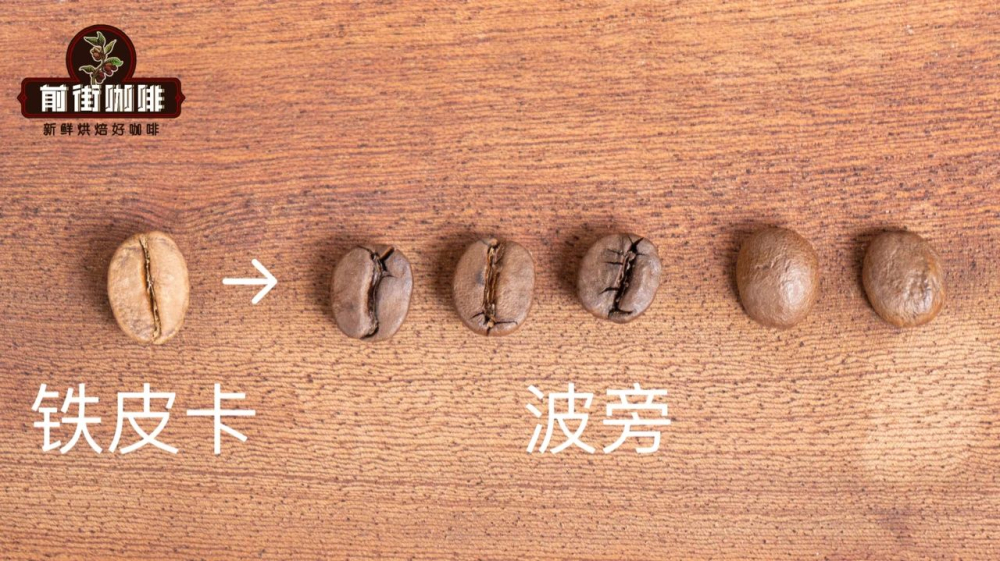
The grading of Yunnan coffee beans is primarily based on bean size and defect rate, referencing internationally common sieve and defective bean evaluation methods.
International grading often uses 10 to 20 mesh sieves (with apertures measured in 1/64-inch units) to determine bean size — for example, a No. 14 sieve means beans that pass through a 14/64-inch hole. Domestically, grades are typically divided into five levels using 6.5mm, 6.0mm, 5.5mm, and 5.0mm as boundaries, with comprehensive consideration of bean shape, color, cleanliness, and aroma.
For defective bean assessment, grading is based on the number of defective beans and impurities in a 300g sample — the fewer defects, the higher the grade.
Industry Planting Practices in Lincang
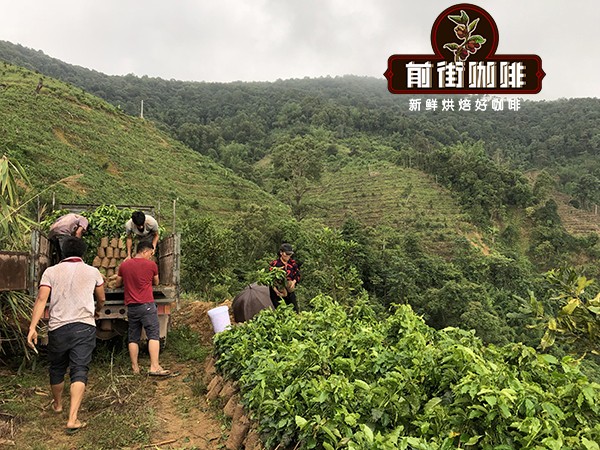
Long before entering the roasting business, the industry was already engaged in planting experiments. Initial attempts to introduce Catimor in Guangdong were ultimately abandoned due to insufficient understanding of the relationships between variety, elevation, and processing methods. The focus then shifted to Yunnan. In Lincang, high-elevation areas were selected, with a commitment to Arabica varieties — especially Typica — along with a dedication to maintaining biodiversity to create the optimal environment for coffee tree growth.
It takes at least three to four years from seedling to harvest. Now in its second growing season, the industry’s Lincang plantation is committed to creating truly premium coffee that represents Yunnan.
Natural Processing and the Unique Flavor of Typica
The newly released natural Typica uses the traditional natural processing method, where whole red cherries are spread out on drying beds and slowly dried in the sun. This method retains the pulp and mucilage layers. Though time-consuming, it imparts richer sweetness and fruity aromas to the coffee.
This natural Typica showcases intense dried fruit sweetness, gentle plum-like acidity, and nutty and brown sugar notes, with a lingering aftertaste of black tea and caramelized sweetness. The overall cup is bold, mellow, and layered.
Brewing Parameters and Steps for Natural Typica Using Pour Over
To fully highlight its sweet-acidic and tea-like characteristics, it is recommended to use a V60 dripper, with a 1:15 coffee-to-water ratio, medium roast, grind size roughly like coarse sugar (approximately 80% passing through a Chinese No. 20 sieve), and water temperature controlled around 91°C.
The brewing method suggests a staged extraction: begin with a 30-second bloom using twice the coffee’s weight in water (about 30g), to facilitate degassing and stabilize subsequent extraction. Then, pour water in small circles up to 125g for the first stage, then continue pouring until reaching a total of 225g. Once dripping is complete, remove the dripper. Total brew time is about 2 minutes. Finally, gently swirl the coffee liquid before pouring into your cup.
Flavor Profile Summary
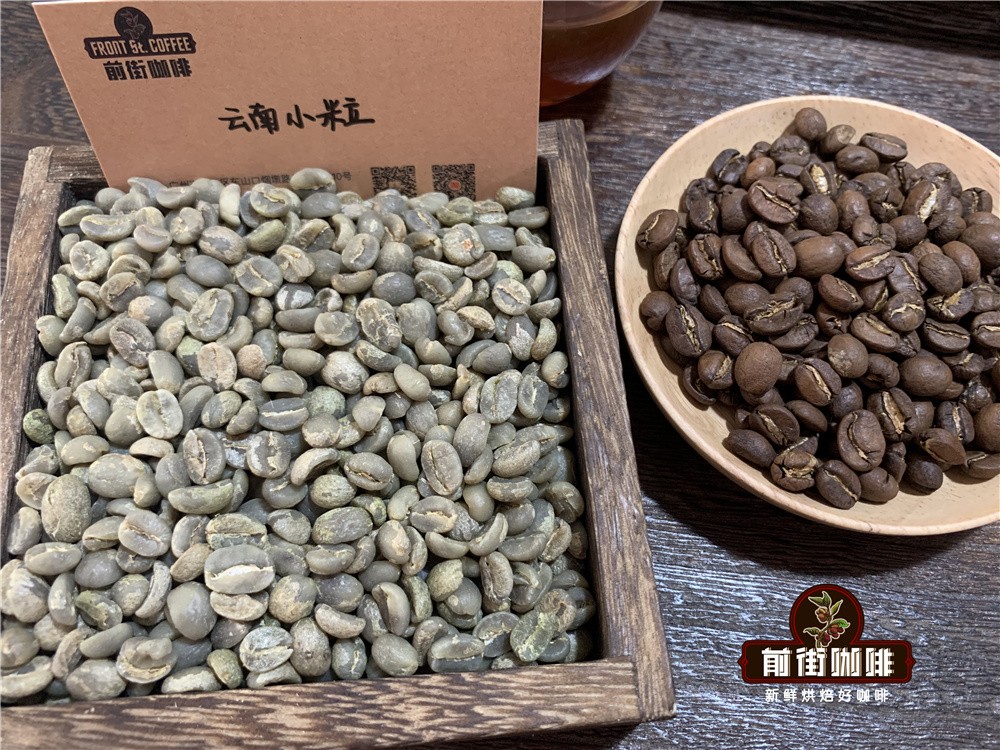
This 2013 natural Typica has a full-bodied mouthfeel, balanced acidity and sweetness, with citrus and berry notes. Delicate fermented wine-like aromas enhance its caramel sweetness, and the finish is creamy like butter, with the gentle aftertaste of black tea. It is a highly representative example of Yunnan specialty coffee.
The above content is compiled by CoffeeHunters, a coffee news website.


