







Introduction:In hot weather, many people turn to coffee for a pick-me-up, but find drip-bag coffee more convenient than the more complex pour-over or hanging filter coffee. This article will take an in-depth look at the brewing principles, methods, and flavor differences between drip bags and hanging filters. Through practical tests of both hot and cold brewing scenarios, we’ll help you determine which filter-bag coffee best suits your needs and guide you to the most suitable brewing option.
As temperatures rise, more coffee enthusiasts are seeking quick and energizing beverages, but the steps involved in traditional pour-over or hanging filter coffee can feel a bit tedious for some. Recently, a reader asked: “Can coffee be brewed just like a tea bag?” This question prompted us to explore the brewing methods and flavor profiles of drip-bag and hanging-filter coffee. For this test, we used the same medium-light roasted coffee beans and brewed them using both hot and cold methods, comparing the actual performance and suitable scenarios of these two types of filter-bag coffee in detail.
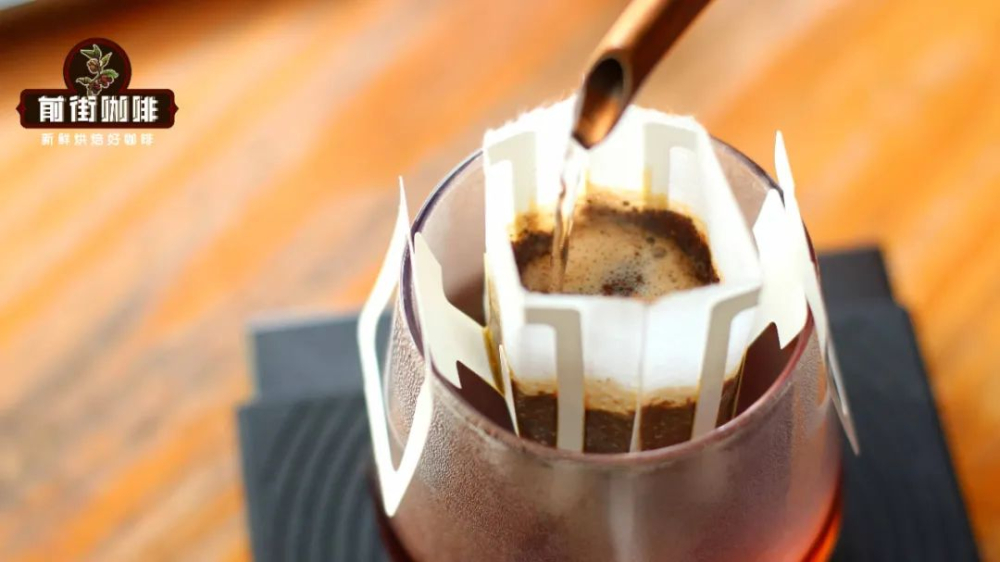
First, let’s understand the basic differences between the two. Hanging filter coffee involves placing pre-ground coffee powder in a non-woven fabric filter bag, which is then fixed to the edge of a cup using paper hanging ears on both sides. Hot water is poured through in a pour-over manner, making it a type of drip coffee. Its flavor profile is greatly influenced by factors such as grind size, coffee-to-water ratio, water temperature, and pouring technique. While it is simpler than pour-over, attention still needs to be paid to water temperature and controlled, multi-stage pouring.
Drip-bag coffee, on the other hand, follows a logic closer to that of tea bags. The coffee powder is packed into small bags similar to tea bags, and the entire bag is immersed in water to allow the flavors to naturally diffuse—a method of immersion brewing. This approach dates back to 18th-century France, where people boiled coffee powder in cloth bags, eventually evolving into today’s drip-bag format. This method has a low barrier to entry—just place the filter bag in a cup, add water, and you’re done—but the extraction efficiency and flavor complexity depend on the filter bag material and steeping time.
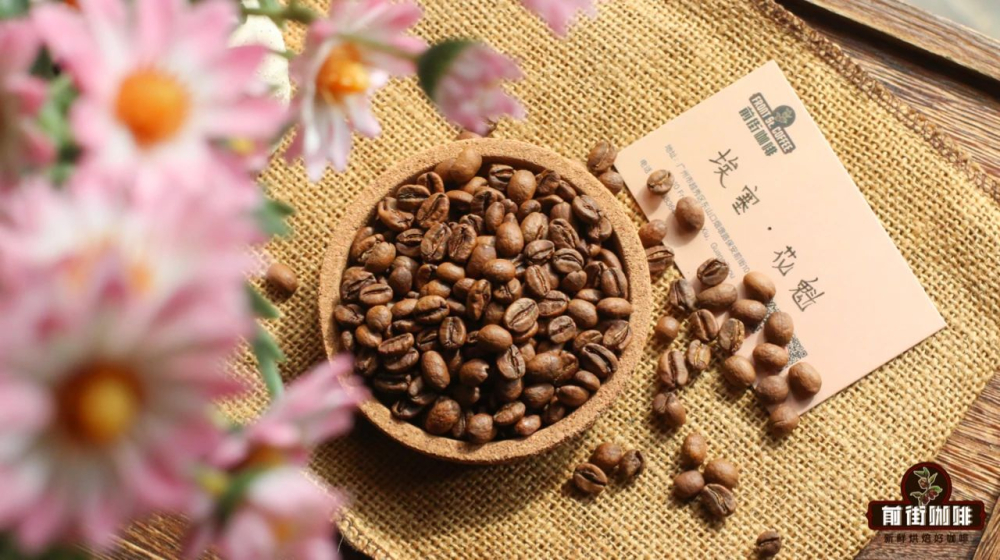
To ensure a fair comparison, we used medium-light roasted coffee beans of the same roast level—Duncan Estate Caturra from Panama. This bean exhibits pronounced floral and fruity aromas with a honey-like sweetness, making it ideal for highlighting the nuanced differences between brewing methods. In our tests, we brewed both hanging filter and drip-bag coffee using hot and cold methods, documenting their flavor performances and ease of use.
For the hot brew test, we used standard parameters: 10g of coffee, a 1:15 coffee-to-water ratio, and a water temperature of 93°C. For hanging filter coffee, we used a three-stage pour: the first stage involved 20g of hot water for blooming, followed by 65g and then another 65g, totaling 150g. The process required careful control of water temperature and pouring rhythm. For drip-bag coffee, the entire filter bag was placed directly into the cup, and 150g of hot water was poured in all at once, then left to steep for about 20 minutes to ensure full extraction.
The test results showed that hot-brewed hanging filter coffee had a bright flavor profile, featuring tangy notes of tropical fruits such as strawberries, mangoes, and pineapples, with a grape-like finish that added layers of complexity. In contrast, drip-bag coffee, due to the barrier of the non-woven fabric, released soluble substances slowly during the initial stages. Even with extended steeping time, the final cup remained light, offering only subtle dried fruit and floral notes, lacking depth and complexity.
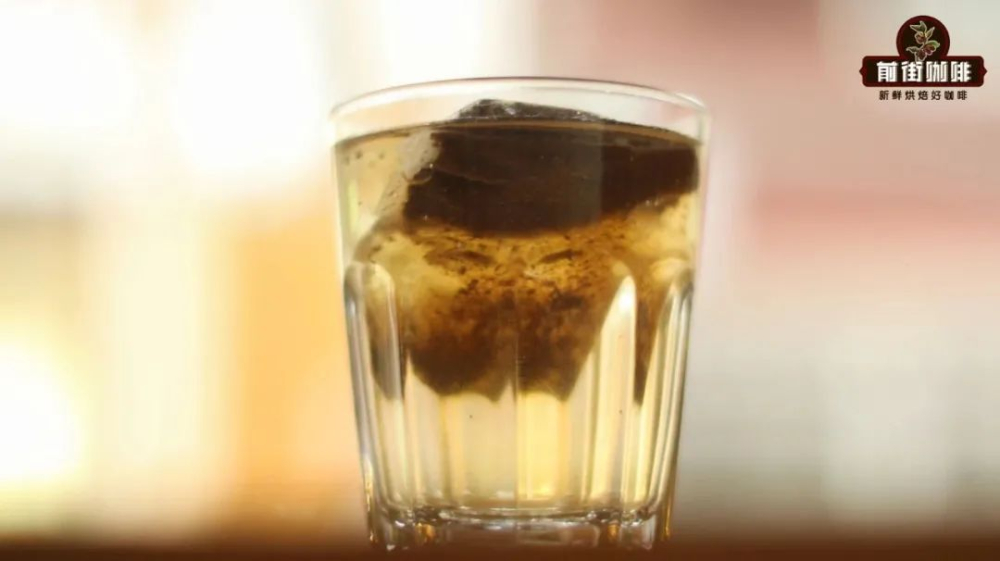
For cold brew, we used a uniform setup: 20g of coffee, a 1:11 coffee-to-water ratio, for a total of 220g of water, steeped for 8 hours. Hot-brewed hanging filter cold coffee required the coffee powder to be placed in a sealable container, mixed with room-temperature water, stirred evenly, and refrigerated. Occasional stirring helped improve extraction evenness. Drip-bag cold brew was even simpler—just place two filter bags into room-temperature water, refrigerate, and remove the bags before drinking, with no need for additional filtering.
In terms of flavor, both methods showcased the refreshing characteristics typical of cold brew, though with some differences. Hot-brewed hanging filter cold coffee, due to direct contact between coffee powder and water, delivered a clearer flavor with notes of raisins and citrus. Drip-bag cold brew, with the coffee powder enclosed in non-woven fabric, released flavors more intensely, resulting in a richer taste dominated by blueberries and black tea, along with a hint of orange, and a smoother, fuller mouthfeel.
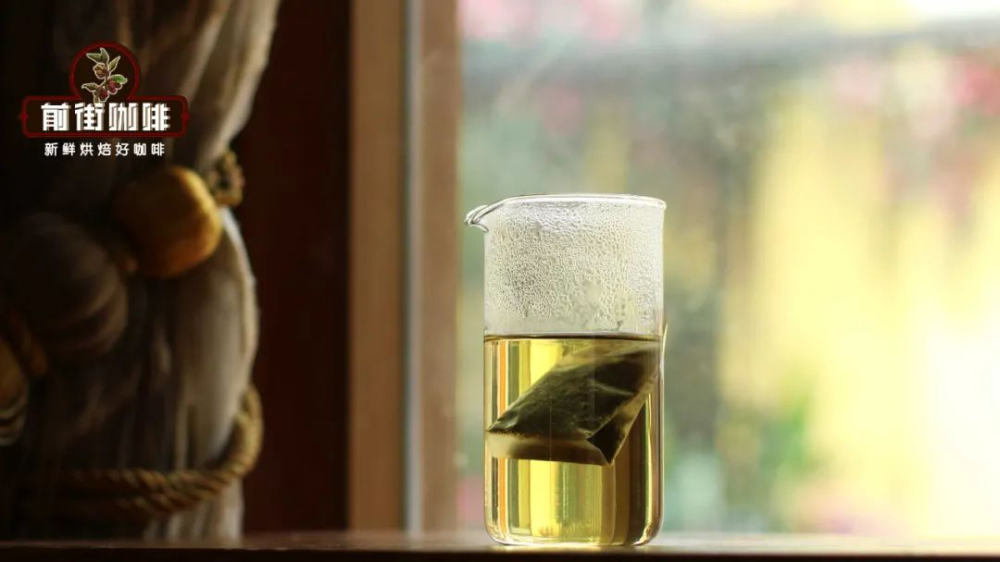
Based on the overall test results, if you prefer hot drinks and value layered, clear flavors, hanging filter coffee remains the better choice—especially when brewed properly, it can fully express the regional characteristics and processing-method flavors of the coffee beans. However, if you’re after convenience or want to enjoy a cool coffee in the summer, drip-bag coffee shows unexpected potential in cold brewing applications, particularly in maintaining stable concentration and delivering a rich mouthfeel.
Additionally, choosing the right coffee beans is crucial. For beginners, it’s recommended to select specialty coffee beans with distinct flavor profiles, such as those with noticeable floral or fruity acidity, which can help you more intuitively perceive the differences between brewing methods. Also, regardless of the type of filter-bag coffee you choose, it’s important to pay attention to water temperature, coffee-to-water ratio, and steeping time—all key factors that affect the final flavor outcome.
In summary, both drip-bag and hanging filter coffee have their own strengths and are suitable for different scenarios and needs. Understanding their brewing principles and real-world performance can help you enjoy a high-quality cup of coffee even in a busy life. Whether it’s the efficient drip-bag cold brew or the detail-oriented hanging-filter hot brew, each has its own charm waiting for you to experience and discover.
The above content is compiled by CoffeeHunters, a coffee news website.


