







Introduction:Dark roasted coffee beans, with their rich and bold flavors, are highly favored by coffee lovers who prefer low-acidity profiles. However, the glossy oil sheen often seen on the bean surface raises concerns for many about whether it affects quality. This article will explain the true reasons behind dark roast oils, teach you how to correctly assess freshness, and recommend several standout dark roast and espresso blend beans that are perfect for beginners—helping you find your own deeply aromatic choice.
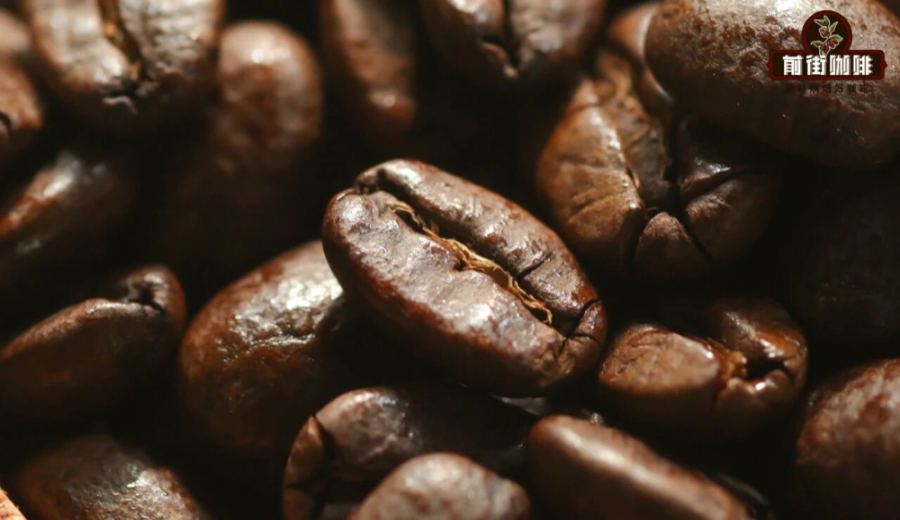
Many coffee enthusiasts who enjoy bold flavors often opt for dark roasted coffee beans but notice these beans typically have an oily, shiny appearance, in stark contrast to the dry look of medium or light roasts. This seemingly “greasy” exterior is actually not real oil but rather composed of water-soluble organic compounds. Although it carries aromatic elements, it doesn’t make the brewed coffee look oily.
The appearance of oil on coffee beans is a normal part of the roasting process and is not directly related to the beans’ quality, nor does it mean they’ve gone stale. During roasting, coffee beans accumulate large amounts of carbon dioxide and volatile substances. Over time, under normal ambient conditions, these gases and lipids gradually release, leading to the oily appearance on the bean surface. This phenomenon is especially common in dark roasts, where longer and higher heat results in more significant structural changes inside the beans, thus making oil emergence more likely.
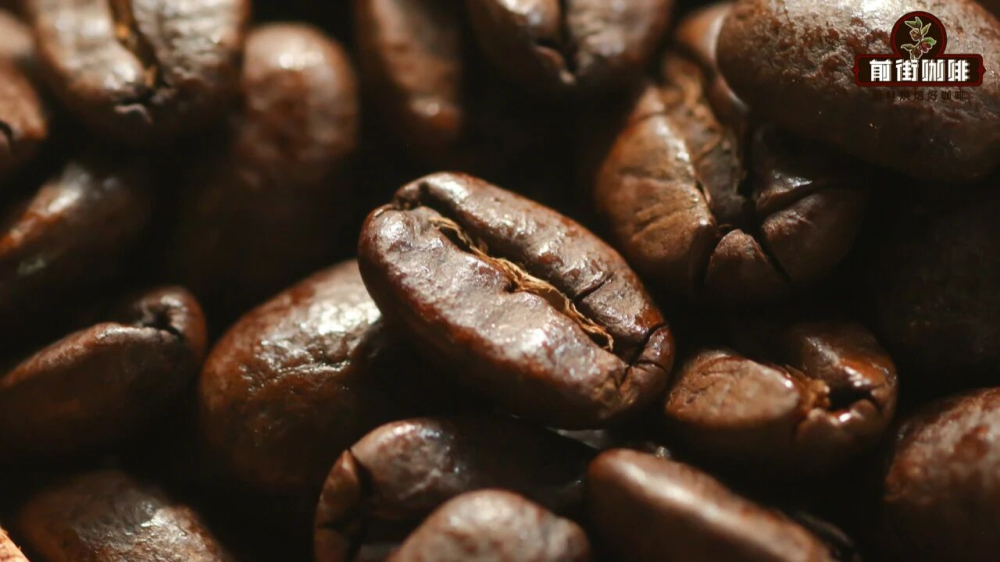
It’s worth noting that the speed of oil appearance is closely related to roast level. Generally speaking, for the same type of coffee bean, the darker the roast, the earlier the oil will show up. This is why many specialty espresso beans—which are usually medium-dark to dark roasted—more frequently display glossy surfaces on their packaging.
When evaluating whether a bag of coffee beans is worth purchasing, checking the roast date is far more important than observing oil sheen. Any coffee product without a clearly labeled roast date is advised to be approached with caution, as freshness directly impacts flavor performance. It is generally recommended to choose beans roasted withinthree to three weeksof the roast date. Within this period, the beans’ aroma and balanced flavors of acidity, sweetness, and bitterness are at their peak, making them most suitable for brewing. After one month, the volatile compounds in the beans will noticeably diminish, and the flavors will gradually become flat or even develop a cardboard-like taste.
If you want to enjoy high-quality dark roast coffee at home, it’s advisable to choose roasters with a solid reputation and prioritize products that provide clear roast date information. Freshly roasted beans not only exhibit more vibrant flavors but also better express the unique characteristics of their origin and processing method.
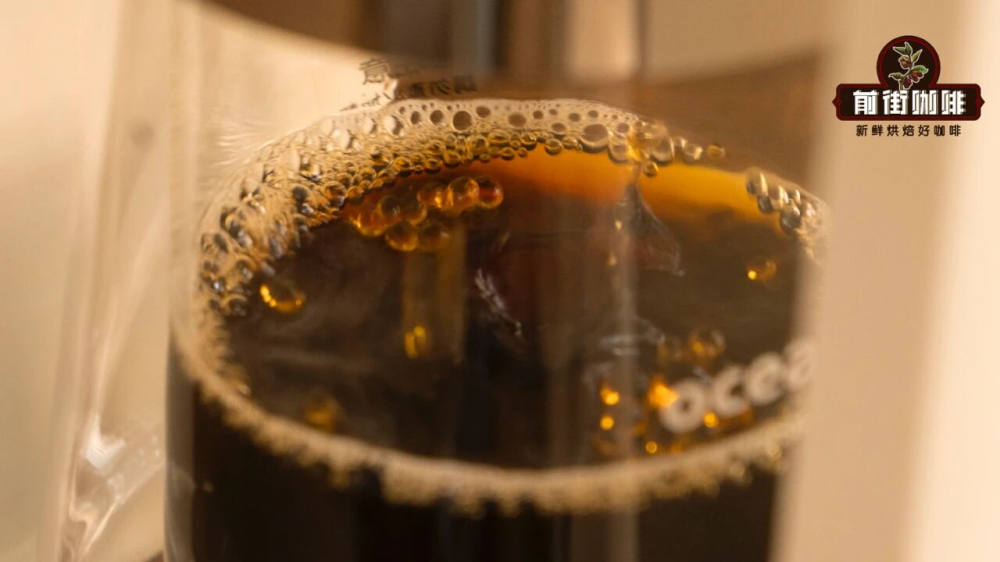
For those who dislike acidity and prefer bold, full-bodied flavors, here are several dark roast and espresso blend beans that have received strong market praise. These beans are widely recognized for their well-balanced bitter-sweet richness, low acidity, and pronounced aftertaste, making them ideal for pour over, French press, or espresso preparation.
Dark Roast Coffee Bean ① Indonesian Golden Mandheling
Hailing from Sumatra, Indonesia, Golden Mandheling is one of the representatives of dark roast coffee. Its flavor profile is grounded in spicy and herbal notes. After undergoing triple mechanical screening and hand-picking, the defect rate is significantly reduced, resulting in a cleaner, smoother mouthfeel, soft bitterness, and a pronounced sweet finish. Dark roasting fully brings out its rich characteristics, making it suitable for drinkers who enjoy deep, mellow flavors.
Dark Roast Coffee Bean ② Classic Espresso Blend
This blend is typically based on the traditional Mocha-Java formula (Mandheling + Brazil), with an appropriate addition of Robusta to deliver intense cocoa, nutty, and chocolate aromas. It has a rich crema, providing a fuller body and excellent milk foam adhesion for milk-based drinks like lattes—making it an ideal choice for home espresso preparation.
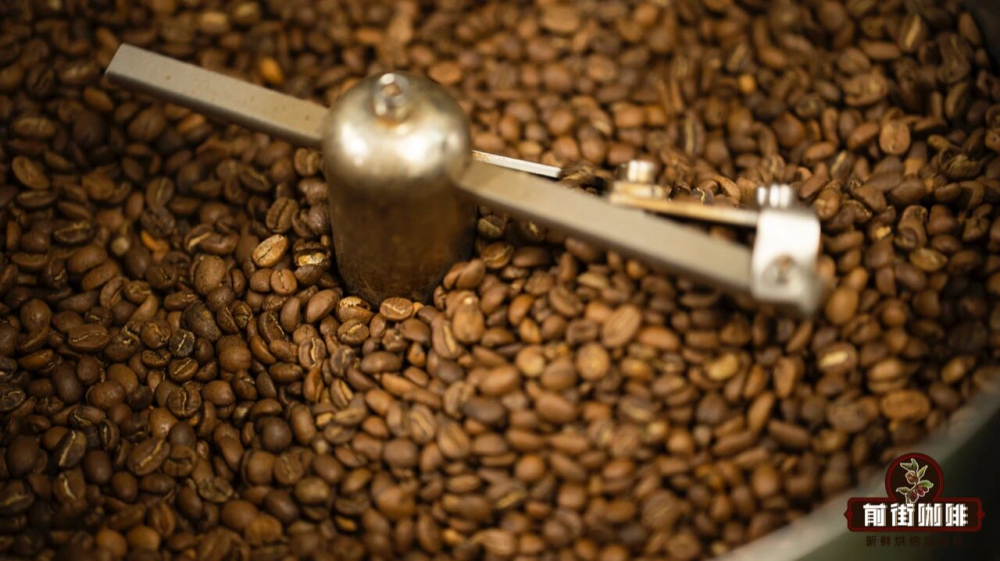
Dark Roast Coffee Bean ③ Brazilian Queen Estate
Grown in Brazil’s high-altitude regions, this Yellow Bourbon variety features a neutral and balanced flavor, with notes of creamy chocolate, dark cocoa, and almond. It has low acidity and moderate body, making it suitable for those who dislike sharp acidic profiles. Brazilian coffee is often used as the base bean in espresso blends, offering a stable bitter-sweet foundation and rich mouthfeel.
Dark Roast Coffee Bean ④ Colombian Huila
Processed using the washed method, this bean offers clean and distinct flavors. When medium-dark roasted, it presents sweet notes of caramel, cookie, and cocoa, catering to coffee lovers who enjoy noticeable sweetness and a smooth, rounded aftertaste. Colombian coffee is commonly found in various blends, contributing complexity and a soft balance of acidity and sweetness.
Dark Roast Coffee Bean ⑤ Brazil × Colombia Premium Espresso Blend
Combining the nuttiness of Brazil with the chocolate notes of Colombia, this two-region blend showcases rich aromas of creamy cookie, roasted nuts, and cocoa. It is ideal as a base for espresso or lattes, producing coffee beverages with a thick crema and well-balanced flavor.
The above content is compiled by CoffeeHunters, a coffee news website.


