







Introduction:An in-depth exploration of the diverse flavor profiles of Sumatran Mandheling coffee, from the commonly available entry-level Lintong SOE to the premium PWN Golden Mandheling. This article provides a complete guide to using it for espresso, covering extraction parameters, brew ratios, grind settings, and operational details for common home brewing equipment. Whether you want to brew a pure Mandheling SOE or pair it with milk to create a smooth latte, this piece is a practical reference to elevate your coffee tasting experience.
Sumatran Mandheling is one of Indonesia's most iconic specialty coffees, renowned for its rich, full-bodied, low-acid profile and layered taste. Compared to the commonly perceived “bitter coffee,” high-quality Mandheling showcases a complex aroma structure, including spices, dark nuts, and caramel notes, which is especially well-highlighted through dark roasting to bring out its unique sweetness and woody character. This article will take you from the basics—Lintong region Mandheling SOE—to understanding its performance on a home espresso machine, then further explore the differences in flavor and processing techniques of the premium PWN Golden Mandheling.
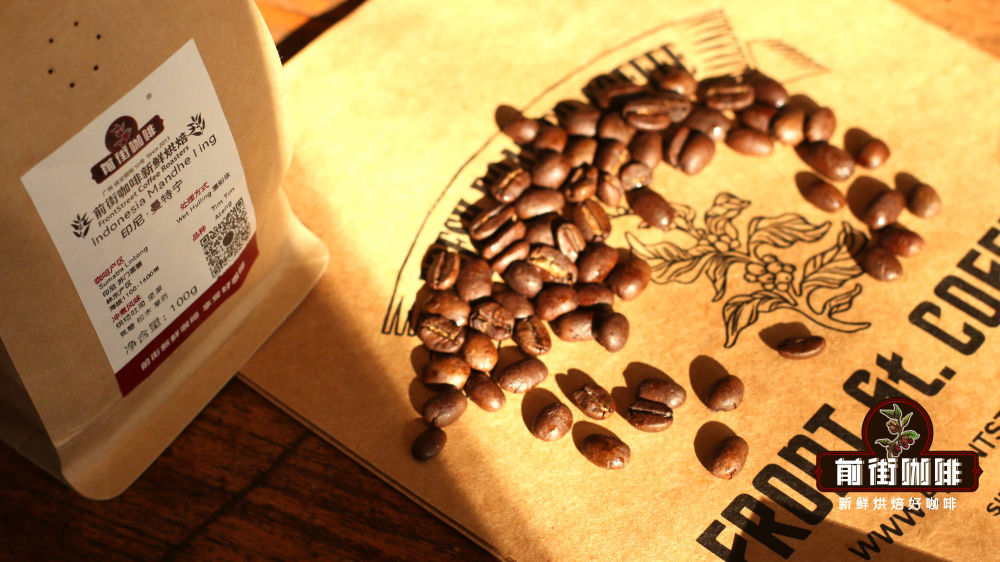
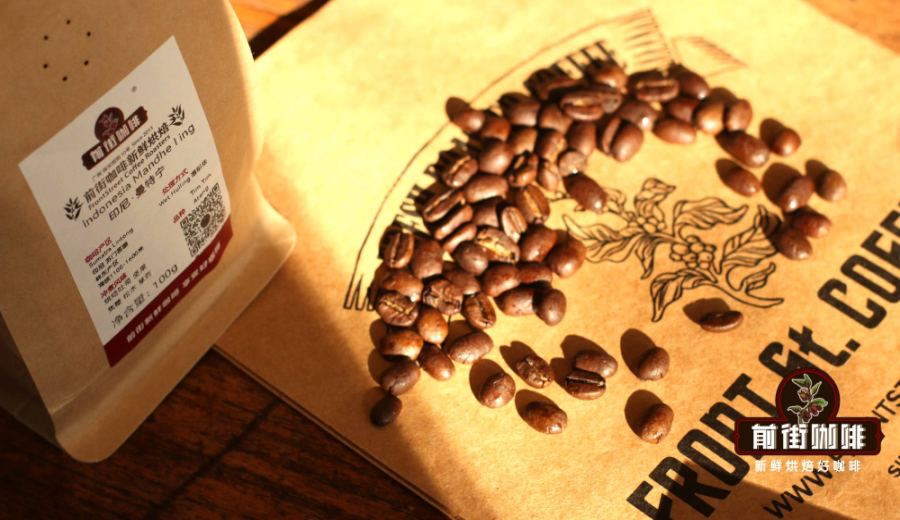
For beginner coffee drinkers, Lintong Mandheling is a very approachable option. These beans, grown in the Lintong region of Sumatra, are often used as the base for single-origin espresso (SOE). Its flavor profile is clear, dominated by strong notes of cloves, dark chocolate, nuts, and caramel, with a full body and long aftertaste. Due to its compatibility with dark roasting, when used for espresso or moka pot coffee, it delivers a rich and balanced cup, making it many coffee lovers’ first “Sumatra impression.”
For home espresso machine users, we’ve compiled a set of tested and effective Mandheling SOE extraction parameters for your reference and adjustment: use 20 grams of coffee grounds, aiming to extract 40 grams of coffee liquid, at a brew ratio of 1:2, with an extraction time recommended between 26–32 seconds. The grind size is suggested to be around the Galileo 2.0 mark, though the actual setting may need fine-tuning based on bean freshness, ambient humidity, and grinder characteristics. This ratio fully highlights the rich texture of Mandheling while avoiding over-extraction that could lead to bitterness or off-flavors.
When using a home semi-automatic espresso machine, it’s recommended to choose a model with stable 9-bar pressure, paired with an espresso grinder that allows precise grind control. In practice, first set the grinder to the target setting, then grind approximately 20 grams of coffee (for a double shot), and it’s advisable to use a scale to confirm the accuracy of the dose. Next, use a distribution tool to evenly spread the coffee bed, then apply vertical pressure with a tamper to ensure the puck is compact and level—this is a key step for stable extraction.
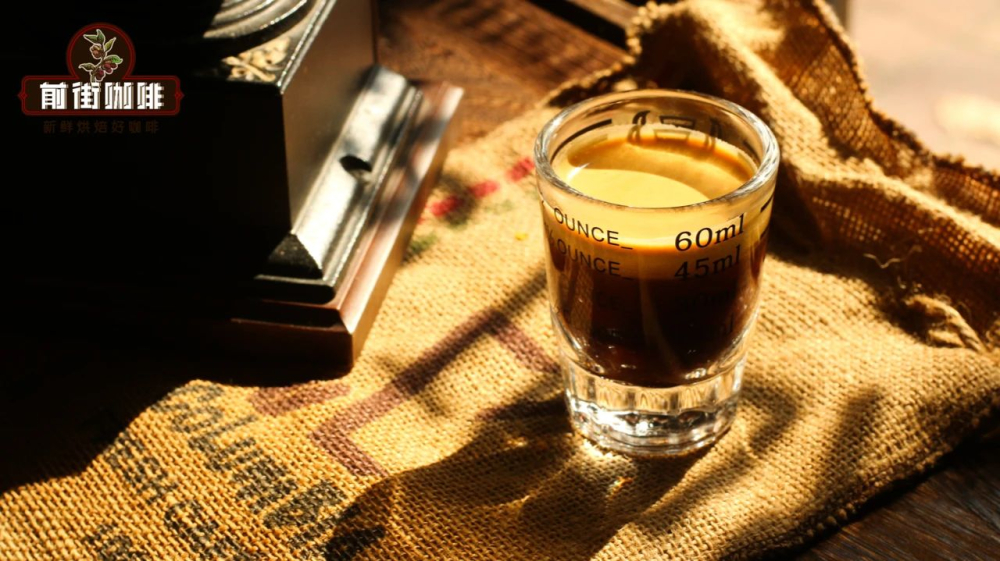
Before starting the extraction, you may first run water for 1–2 seconds to rinse the portafilter and preheat the brew path. After attaching the portafilter, begin the extraction and observe the flow rate and the color of the coffee. Ideally, the coffee should flow out at a consistent pace, with the color transitioning gradually from dark to light. When the scale shows 40 grams of extracted liquid and the time falls within the 28–30 second range, you can stop the extraction. Note that environmental temperature, humidity, and the number of days the beans have been stored post-roast may all affect extraction performance, so adjust grind size or dose as needed based on actual conditions.
The resulting Mandheling SOE will emit a strong aroma of roasted nuts and caramel, offering a solid mouthfeel with extremely low acidity, and a lingering aftertaste with subtle sweetness and spice notes. If you want to make an Americano with Mandheling flavor, add about 200 ml of room-temperature or cold water at a 1:5 ratio; if you prefer a milk-based coffee, it’s recommended to add 200 ml of freshly frothed milk at a 1:5 ratio to create a smooth and layered Mandheling latte.
A more advanced choice is the PWN Golden Mandheling offered by a well-known coffee brand. This is a carefully selected G1-grade Mandheling, using only top-grade green beans that are 18 mesh or larger, with fewer than 3 defects per 300-gram sample. From origin selection and density sorting to manual quadruple screening, each step ensures uniform bean size and consistent appearance, even taking on a golden sheen under sunlight—which is how it earned the name “Golden Mandheling.” This bean is suited for dark roasting, ideal for showcasing its rich notes of spices, caramel, and herbal tones, while maintaining a full body, pronounced sweetness, and low acidity.
After brewing, the PWN Golden Mandheling immediately presents a strong aroma of roasted nuts, and as it cools, warm spice notes such as cinnamon and herbs gradually emerge, even carrying a hint of refreshing melon in the finish. In terms of taste, it demonstrates a high level of clarity and a richly balanced mouthfeel, with noticeable sweetness and distinct layers—it’s a classic Sumatran that should not be missed by fans of medium-to-dark roasts.
The above content is compiled by CoffeeHunters, a coffee news website.


