







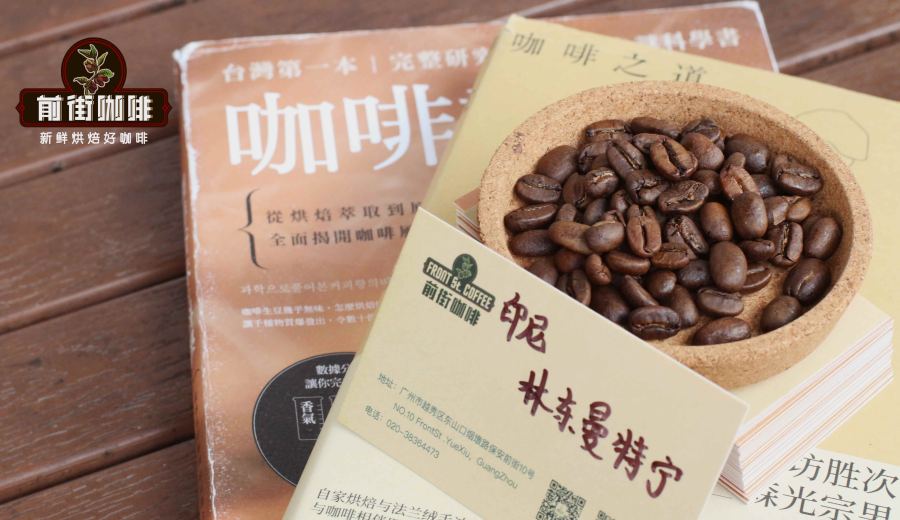
Introduction:As the most representative coffee variety from Sumatra, Indonesia, Mandheling is renowned for its rich, full-bodied flavor, low acidity, and distinctive notes of dark chocolate and herbs. However, behind its unique flavor profile lies an intricate interplay of geographical environment, traditional processing methods, and historical anecdotes. This article will delve into the origins of the name “Mandheling,” explore the characteristics and challenges of the wet-hulling process, and compare the flavor profiles of five popular Mandheling beans. From flavor layers to brewing recommendations, it will help you fully grasp this beloved Southeast Asian specialty coffee.
Mandheling coffee from Sumatra has long been a classic favorite among global coffee enthusiasts. With its rich, full-bodied flavor and low acidity, often accompanied by deep notes of dark chocolate and herbs, it leaves a lasting impression. But where does this flavor come from? Is it really as “bitter” and hard to enjoy as the stereotype suggests? The answer lies closely in its growing environment and traditional wet-hulling process, which also give rise to many well-known variations such as Golden Mandheling, Lintong Mandheling, Tiger Mandheling, and Aged Mandheling.
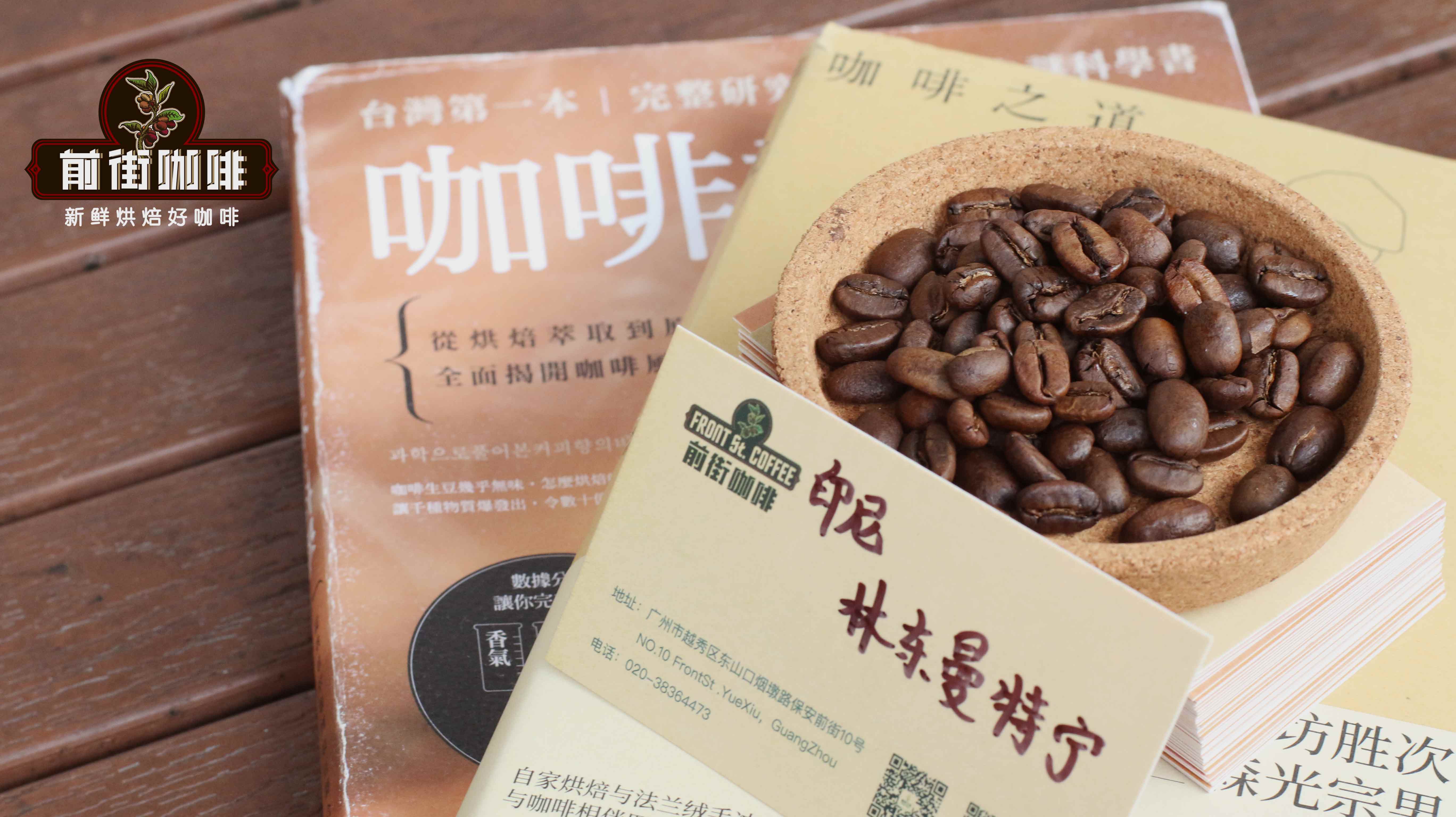
Many people, when first trying Mandheling, are surprised by its low acidity and heavy body, sometimes even mistakenly assuming it to be a coffee that is simply “very bitter.” In reality, beyond its pronounced body and herbal background, Mandheling’s flavor profile also encompasses complex layers such as caramel, nuts, and dark chocolate—especially with a persistent sweetness and aftertaste in the mid-to-late stages. When roasted to a medium-dark level, these characteristics are even more pronounced. Although Mandheling may not often score above 80 points in cupping evaluations within the specialty coffee world, its distinctive regional terroir has already won the favor of many coffee aficionados.
Speaking of the name “Mandheling,” it actually has no direct connection to the coffee’s growing region or variety. The term originates from World War II, when a Japanese soldier misheard the response of an Indonesian coffee shop owner—“Mandheling,” referring to the Mandailing ethnic group—as the name of the coffee. After the war, the soldier returned to Japan and commissioned an Indonesian coffee trader to import the beans, leading to the widespread use of the name and making “Mandheling” synonymous with this Sumatran coffee.
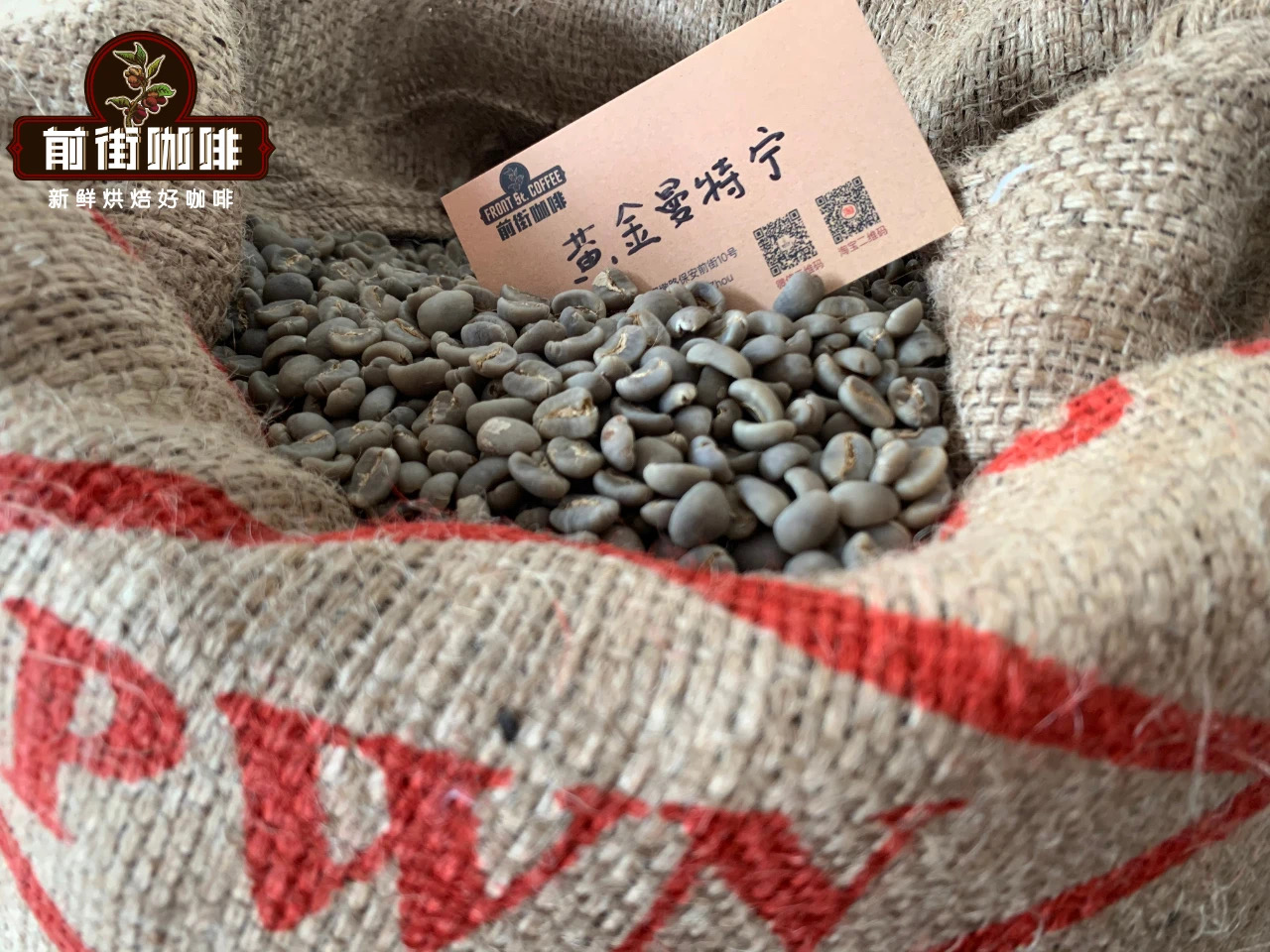
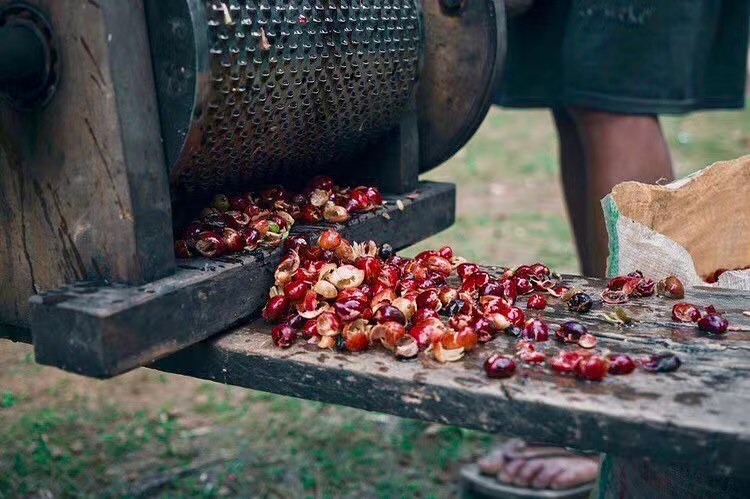
The rainy and humid climate of Sumatra, Indonesia, coupled with economic and technical limitations, has made common processing methods such as washed and natural drying difficult to implement, giving rise to the unique “wet-hulling” method. The most distinctive feature of this process is that after fermentation and initial drying, coffee farmers remove the outer fruit pulp and parchment layer while the beans are still in a semi-dry state (with moisture content around 30–50%). They then continue drying the beans to a safe moisture level (12–13%). This method not only accelerates the processing timeline but also imparts a fuller body and lower acidity to the beans. However, operating at this semi-dry stage makes the beans prone to pressure damage, often resulting in so-called “elephant foot” cracks. Though not a defect, this visual trait has become one of the hallmarks of Mandheling.
It’s worth mentioning that besides the standard wet-hulling process, there is also “aged wet-hulling”—where processed beans are stored in a ventilated, cool environment for 2 to 3 years, with regular turning to prevent mold. Over this long maturation period, acidity gradually transforms into sweetness, and the color deepens to a yellowish-brown or dark brown. This is the much-talked-about “Aged Mandheling,” whose flavor tends to be smoother, lower in acidity, and exhibits a calm, Pu-erh tea-like profile.
Next, we’ll take an in-depth look at five classic Mandheling coffees from different regions and processing methods, including Lintong Mandheling, PWN Golden Mandheling, Tiger Mandheling, Aged Mandheling, and Wahana Estate Natural Mandheling. We’ll explore their respective characteristics and ideal brewing methods based on factors such as origin altitude, variety, processing technique, and actual flavor performance.
Lintong MandhelingSourced from the Lintong mountainous region in central-northern Sumatra, grown at elevations of about 1100–1600 meters, commonly using Typica and Catuai varieties, and processed via the wet-hulling method. This coffee typically presents notes of nuts, caramel, pine, and herbs. Due to the semi-dry state of the beans during processing, they’re prone to damage, often exhibiting the signature “elephant foot” appearance. While this may affect sorting uniformity, it doesn’t diminish its rich charm.
PWN Golden MandhelingComes from the Gayo highlands in northwestern Sumatra, at similar altitudes, but with higher selection standards. Only Typica beans sized 19+ are selected, undergoing density sorting and four rounds of manual picking, classified as G1 grade with minimal defects. Its flavor is clean and bright, featuring spices, licorice, chocolate, and caramel. With its darker green bean color and uniform shape, it’s often regarded as a high-end representation of Mandheling in the market.
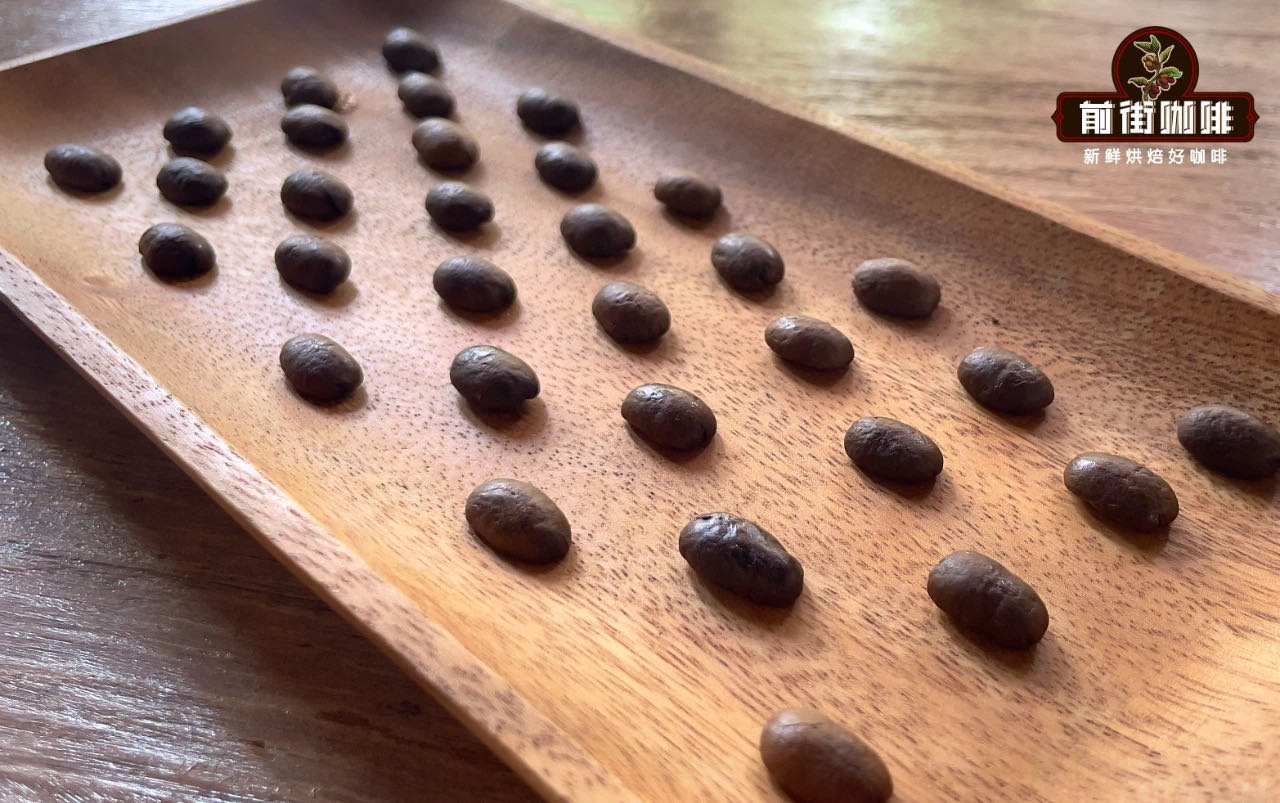
Tiger MandhelingSpecifically selects AA-grade beans sized 19+ and includes varieties such as Catuai, Typica, and Sidikalang, also processed with the wet-hulling method. Its name is said to be inspired by the rarity of the Sumatran tiger, symbolizing the coffee’s preciousness and balanced nature. Common flavor notes include cream, dark chocolate, and nuts, with an overall balanced taste profile, suitable for drinkers who enjoy richness without sacrificing subtlety.
Aged MandhelingUndergoes 2–3 years of proper storage, with controlled temperature and humidity and regular turning. During this time, acidity transforms into rich sweetness, and the flavor profile trends toward woody, aged pu-erh, caramel, and herbal notes, with acidity significantly reduced. This processing method originated from the long-distance transport needs during the early Dutch colonial period and has since become a classic technique that showcases the flavors refined by time.
Additionally, if you’re looking to experience a different Mandheling flavor profile, you might also want to tryWahana Estate Natural Mandheling, which uses the natural (sun-dried) processing method to enhance fruity tones and fermented aromas, resulting in a richer sweetness and smoother mouthfeel—ideal for coffee lovers who enjoy bright fruit notes.
Based on the actual brewing performance of each variety, when using the same extraction parameters (e.g., medium-light to medium-dark roast, medium-coarse grind, water temperature of 92–94°C, and step brewing), the following can be observed:
- PWN Golden MandhelingDisplays a layered, full-bodied, and clean flavor, with prominent notes of chocolate and nuts;
- Lintong MandhelingStarts with herbal and dark chocolate notes, finishing with a caramel sweetness;
- Tiger MandhelingOffers a balanced taste, with clear characteristics of cream and nuts;
- Aged MandhelingLoses wild acidity, gaining instead a mature fullness, similar to the steadiness of pu-erh tea;
- Wahana Natural MandhelingExcels in fruity aroma and fermented notes, perfect for coffee enthusiasts who enjoy tropical profiles.
In summary, Mandheling is not just a type of coffee, but a flavor experience that blends history, geography, and craftsmanship. Whether you prefer full-bodied low-acidity, deep chocolate notes, or wish to explore the variations brought by aging and natural processing, these classic Mandheling offerings from Sumatra provide a rich and rewarding coffee journey.
The above content is compiled by CoffeeHunters, a coffee news website.


