








Introduction:Café Au Lait is a classic milk coffee that predates espresso in Europe, made by mixing black coffee with hot milk in a 1:1 ratio. This article delves into the origins of its French name, the dietary culture of 17th-century France, compares its key differences with latte, and provides a step-by-step guide for making it at home using pour over methods. It includes detailed parameters such as bean selection, grind size, water temperature, and milk ratio to help you easily brew a balanced and smooth French-style milk coffee.
When it comes to milk coffee, many people first think of various coffee beverages based on espresso. However, in the era before espresso became widespread, Europe already had a popular drink that mixed black coffee with milk—Café Au Lait. This classic beverage, derived from the French term meaning "coffee with milk," played an important role on French breakfast tables during the 17th and 18th centuries. Its simple preparation method made it a common everyday drink in households.
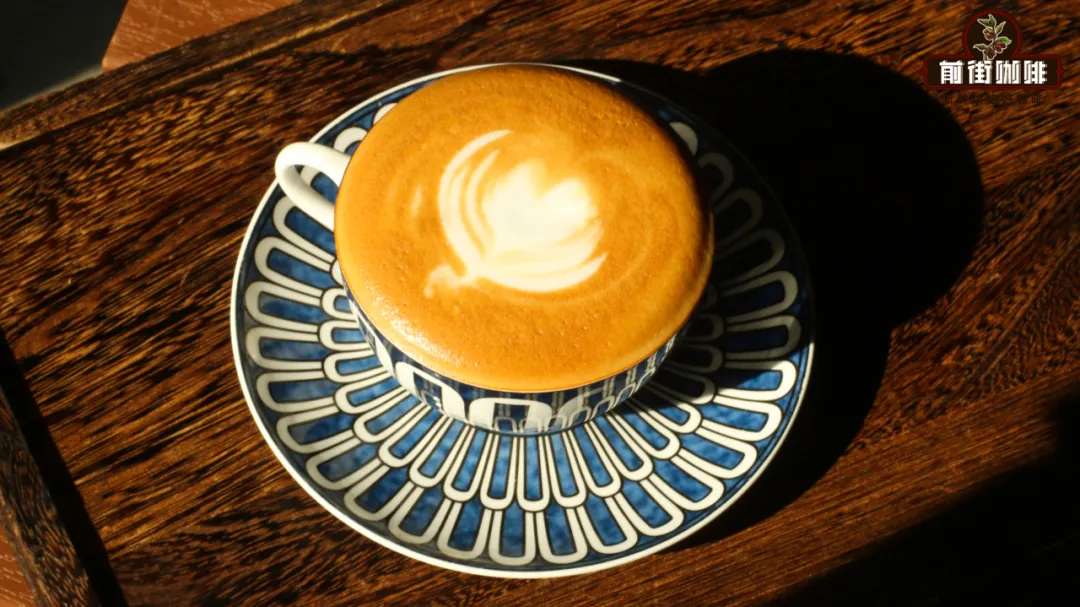
Unlike the mainstream espresso-based milk coffees of today, the history of Café Au Lait dates back to before the invention of the espresso machine. At that time, modern extraction tools like pour over hadn’t yet emerged, and people obtained coffee liquid by repeatedly pouring hot water over coffee grounds or using immersion methods (such as directly brewing coffee powder with boiling water or filtering it through a flannel cloth after boiling). After extraction, milk was added at a 1:1 ratio and mixed to create this mellow French-style milk coffee.
Interestingly, neighboring countries like Austria and Hungary also had similar drinks during the same period. Among them, Austria is widely known due to the legend of Kurzycki, the founder of Blue Bottle Coffee—reportedly, his innovative practice of blending milk into coffee laid the foundation for the milk coffee culture we know today. However, this article will focus on the unique flavor and practical techniques of French Café Au Lait.

Many home enthusiasts who have tried making Café Au Lait report that their results often lack the desired balance. The key lies in the choice of coffee beans: dark roasted beans, due to caramelization reactions, produce rich, toasty flavors that pair well with milk, resulting in a creamier texture and better integration. It is recommended to use medium-dark roasted beans, such as Indonesian Golden Mandheling, Central and South American estate beans, or bean varieties with a robust structure reminiscent of Blue Mountain flavors, which can provide sufficient support for the overall flavor profile.
Making Café Au Lait at home is extremely simple, with the core process being the extraction of high-concentration pour over coffee followed by mixing it with an equal amount of hot milk. Taking a real example for reference: when using the Costa Rican Mozart bean variety, it is suggested to use the following parameters—Coffee dose: 20 grams,Coffee-to-water ratio: 1:10 (total water volume 200 milliliters),Grind size: 85% through a #20 sieve (approximately equivalent to 9 on the EK43 grinder, slightly finer than regular hot brew),Water temperature: 92°C, usinga V60 dripperfor extraction. For the milk, use160 milliliters of whole fresh milk at around 60°Cto ensure a creamy texture without compromising the original flavor structure of the coffee.
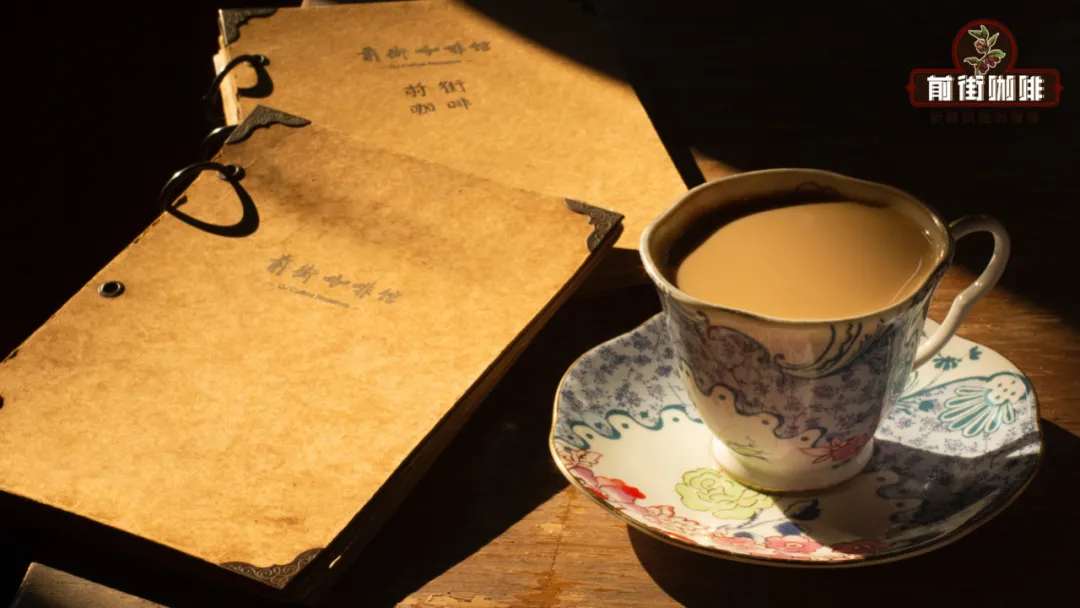
The core difference between Café Au Lait and latte lies in the base and proportions: the former uses black coffee extracted by non-espresso methods such as pour over or French press, maintaining a 1:1 equal ratio with milk, highlighting the more direct, original coffee flavor; the latter centers around espresso (30–60 milliliters), adding a large amount of steamed milk (about 200–300 milliliters) and a small amount of foam, resulting in a creamier texture and a relatively milder coffee taste. Additionally, latte is commonly found in Italian-style coffee shops, while Café Au Lait retains more of the simple, homey qualities of European household consumption.
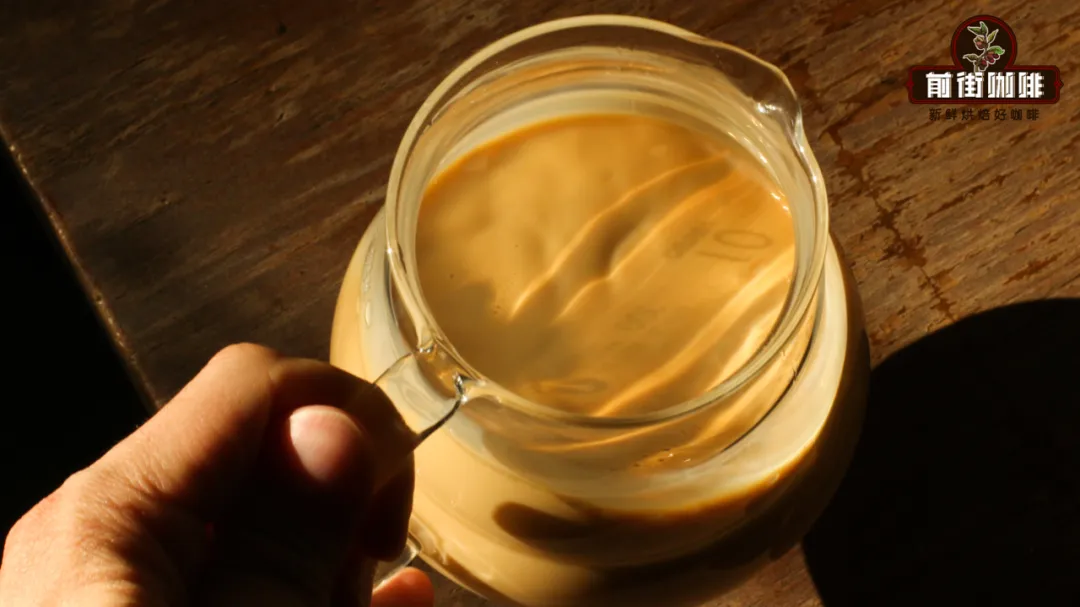
A few details to note during preparation: milk temperature should not exceed 65°C to avoid damaging the protein structure, which could lead to a coarse texture; grind size that is too coarse may result in insufficient coffee flavor, while too fine may lead to over-extraction and bitterness; during pour over, it’s recommended to pour water in a centered, slow circular motion to ensure even extraction. First-timers can start with the above parameters and then adjust the milk ratio or grind coarseness slightly according to personal taste.

The above content is compiled by CoffeeHunters, a coffee news website.


