







Introduction:Did you know that "Mandheling" is not actually a place of origin, but a misunderstanding dating back to World War II? This classic coffee from Sumatra, Indonesia, is renowned for its full body, low acidity, and distinctive herbal aroma. But what’s the difference between Lintong Mandheling and Golden Mandheling? This article will delve into the origin of the name "Mandheling," explore the regional characteristics, processing methods, roasting, and pour over brewing recommendations for these two classic types, helping you find the Mandheling coffee that best suits your taste.
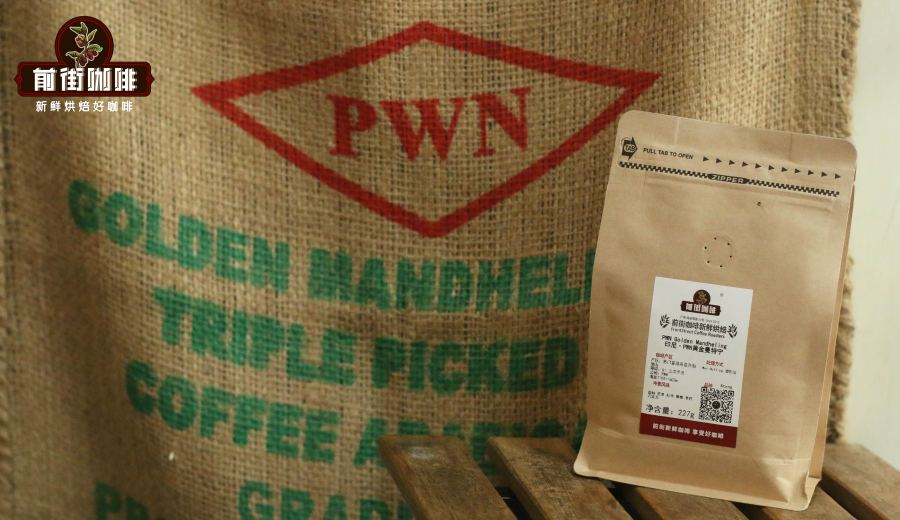
Mandheling coffee can be considered one of the representatives of Asian specialty coffee, but its name carries an interesting historical misunderstanding. The story begins during World War II, when a Japanese soldier in Indonesia tasted a rich cup of coffee and asked the shop owner what kind of coffee it was. The owner, misunderstanding the question, thought he was being asked where he was from, and answered "Mandailing." After the war, the Japanese soldier recalled this "Mandheling" coffee and introduced it to Japan through coffee traders. To everyone's surprise, it became extremely popular, and the name stuck. The original supplier was none other than the now well-known PWN coffee company.
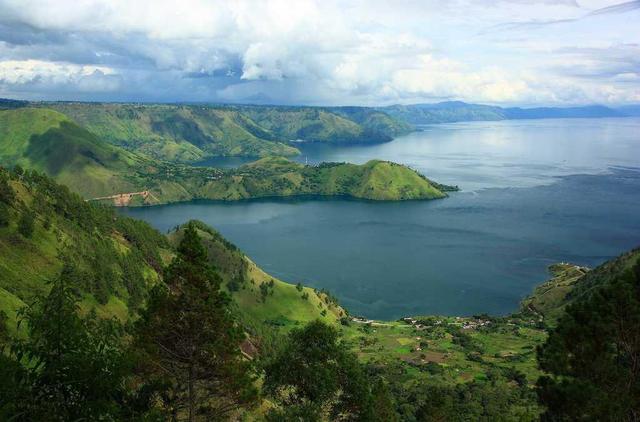
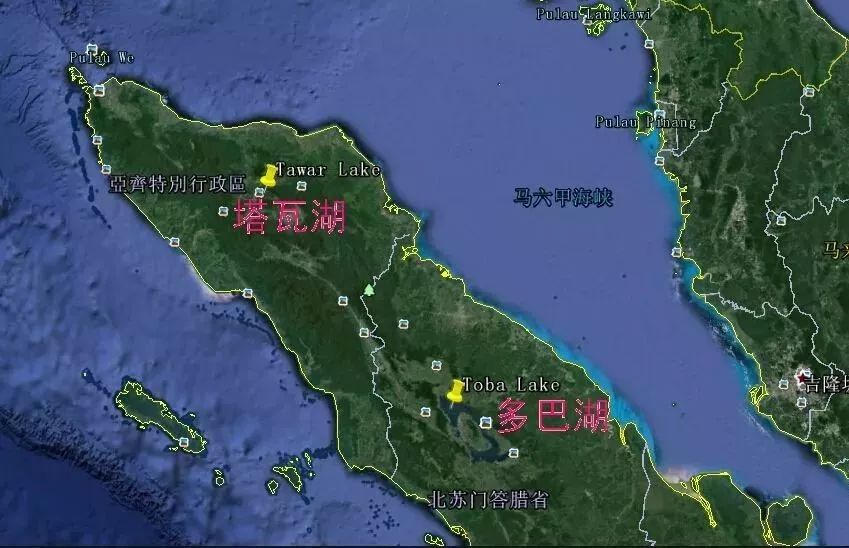
Mandheling coffee originates from Sumatra, Indonesia, and is commonly associated with the regional names Lintong and Mandheling. The coffee here is mostly grown from the Robusta variety, but the premium specialty Mandheling that is truly sought after primarily comes from the higher-altitude Arabica-growing areas in the northern part of the region. The Lintong coffee region is located southwest of Lake Toba and consists of a high-altitude, clay-rich plateau abundant in ferns. It is characterized by smallholder farming without the use of chemical fertilizers or shade-grown cultivation. Meanwhile, Mandheling is a broader geographic term, generally referring to the northern Sumatran areas with similar growing conditions.
When talking about Mandheling, one cannot overlook its most iconic processing method — wet hulling (also known as Giling Basah). Due to Indonesia’s rainy climate, stable sun drying is difficult, and the relatively high cost of the washed process makes it less economically viable. As a result, the unique “wet hulling” method was developed locally: the coffee undergoes a washed process to remove the pulp, then is dried with the parchment layer for a short period until the moisture content reaches around 20–24%, after which the parchment is removed while the beans are still semi-dry. This method enhances the coffee’s body and low acidity, and contributes to Mandheling’s signature bold herbal and spicy notes. Additionally, during this process, the beans often develop a distinctive “elephant foot” crack due to compression, which is normal and not a defect.
Lintong Mandheling is a more common version of Sumatran Mandheling, originating from the Lintong region in North Sumatra, near Lake Toba. The coffee produced in this area is known for its large bean size, high hardness, and rich body. Though the appearance may not be the most attractive, the "uglier" the beans, the more intense and smooth the flavor tends to be. Lintong Mandheling often features pronounced herbal, dark chocolate, and caramel notes, with a balanced bitterness and sweetness, making it ideal for coffee lovers who enjoy a full-bodied cup without the need for high acidity or brightness.
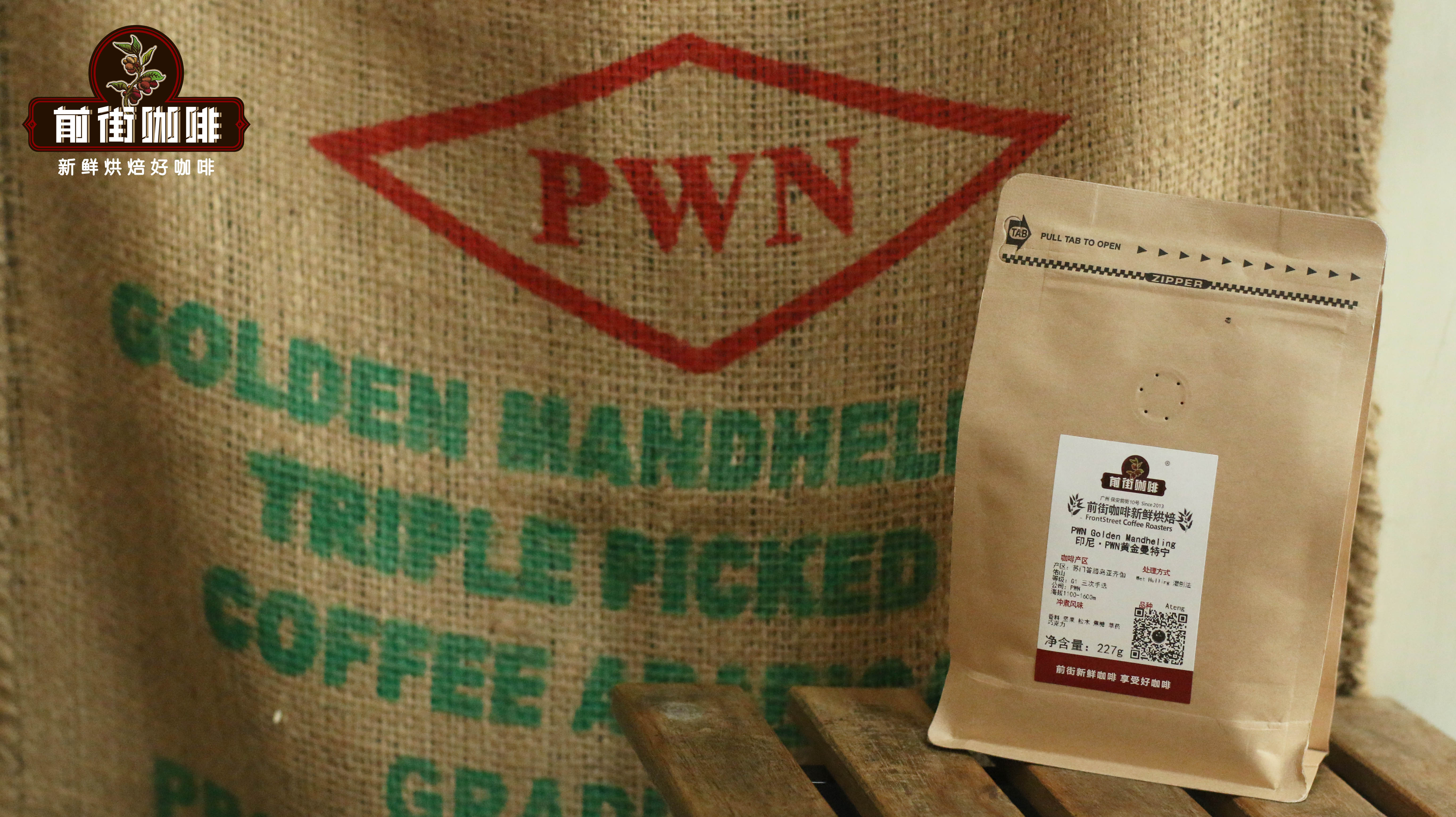
If Lintong Mandheling is the classic, then Golden Mandheling is the crème de la crème of specialty coffee. Produced exclusively by Indonesia’s PWN company, Golden Mandheling is carefully selected, using only the highest grade G1 beans with a bean size of 18 mesh or larger, and no more than 3 defective beans per 300 grams of sample. These green beans undergo machine sorting followed by three rounds of manual hand-picking to ensure maximum cleanliness and sweetness. Compared to regular Mandheling, Golden Mandheling offers higher sweetness, fewer impurities, clearer flavors, and more complex layers. It often presents intense notes of nuts, caramel, chocolate, and spices, with a long-lasting aftertaste, making it a favorite among serious coffee enthusiasts.
In terms of variety, Indonesian Mandheling has traditionally been dominated by Typica and its variants. However, due to their lower resistance to disease, many producers have switched to the Ateng variety, which is the same as the Catimor lineage widely planted in Yunnan. Ateng is a hybrid of Arabica and Robusta. Although it lacks the complexity of pure Typica, it can still deliver a rich and bold profile in Sumatra’s unique growing environment.
When roasting Mandheling, medium to dark roasts are generally used to enhance its natural spicy and herbal characteristics while preserving an appropriate level of sweetness and body. This roast level helps bring out Mandheling’s chocolate, caramel, and nutty aromas, without compromising its low-acid, bold foundation. However, due to Mandheling’s inherently intense flavors, it is recommended to avoid over-extraction during brewing to prevent amplifying bitterness.
For pour over brewing recommendations, the KONO filter is a great choice, as its design allows for more stable extraction and enhances the coffee’s body. It is recommended to use water at 88°C, a 1:15 coffee-to-water ratio, and a medium-fine grind (approximately 75% passing through a Chinese standard No. 20 sieve). A specific brewing approach involves a three-stage pour: start with a bloom using twice the coffee’s weight in water (around 30 grams) for 30 seconds, followed by pouring to 125 grams and then 225 grams. The total brew time should be kept around 2 minutes. These parameters help balance Mandheling’s boldness and intricate flavors, making it suitable for most home and professional brewing setups.
In summary, Lintong Mandheling is ideal for coffee lovers who enjoy a full-bodied, low-acid cup with herbal and chocolate notes. In contrast, Golden Mandheling stands out with its high cleanliness, sweetness, and spice profile, making it the preferred choice for those seeking a premium coffee experience. Whether you’re just starting your coffee journey or are a seasoned enthusiast, Mandheling offers a uniquely satisfying flavor experience.
The above content is compiled by CoffeeHunters, a coffee news website.


