








Introduction:Although both ice drip coffee and cold brew coffee fall under the category of iced coffee made at low temperatures, they differ significantly in extraction techniques, time control, and final flavor profiles. This article delves into the practical differences between the two—from equipment and coffee-to-water ratios to dripping speed and refrigeration conditions—to help you understand how parameter settings can highlight fruity notes or rich body. A clear comparison is also provided to assist you in choosing the most suitable iced coffee brewing method based on your taste preferences.
Both ice drip coffee and cold brew coffee are brewing methods completed in a low-temperature environment. Not only do they take longer to make, but each also has its own unique extraction logic and flavor profile. Ice drip uses the principle of drip filtration, allowing melted ice water to slowly drip through a bed of coffee grounds. Though the process is slow, it can draw out deeper flavors. In contrast, cold brew relies on prolonged steeping in a refrigerator, where the coffee grounds fully interact with cold water, resulting in a smoother and rounder taste. This article will professionally compare the key parameters of the two methods, including coffee dosage, grind size, dripping speed, coffee-to-water ratio, as well as the visual and taste differences in the final cup, helping coffee enthusiasts make the best choice based on their individual needs.
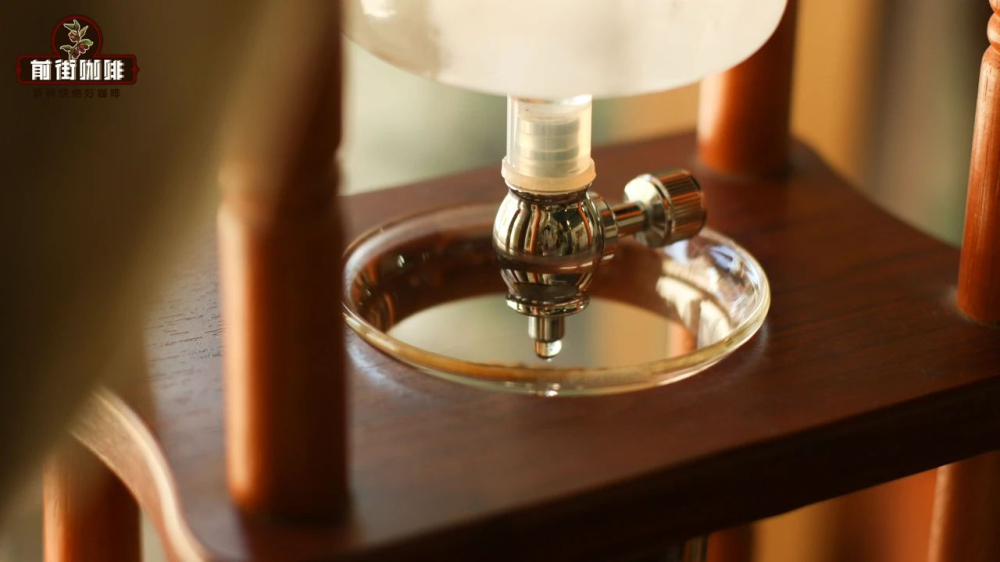
Although both emphasize low-temperature extraction and share the characteristic of not being readily available for immediate consumption due to the overall brewing time, their principles are fundamentally different. Ice drip is a “drip filtration extraction” method that requires specific equipment to allow melted ice water to uniformly drip through the coffee grounds drop by drop—a process that typically takes several hours. Cold brew, on the other hand, is an “immersion extraction” method, which simply involves mixing coffee grounds with cold water and letting them sit refrigerated. The steps are relatively simple. Understanding these basic differences is the first step to mastering the essence of these two types of iced coffee.

In actual practice, common parameter settings for ice drip coffee include using about 60 grams of coffee grounds, ground slightly finer than typical pour over, with approximately 85% of the particles passing through a #20 sieve. The dripping speed is recommended to be controlled at around 7 drops per 10 seconds, aiming to extract 600 milliliters of coffee liquid. The entire process usually takes about 6 hours. After extraction, it is advised to let the coffee liquid sit refrigerated for an additional 12 hours, which helps the flavors become more concentrated. Additionally, regarding the ratio of ice to water and the amount of ice used, the key is to maintain the overall extraction environment as a mixture of ice and water. As long as the desired volume of coffee liquid is obtained, unused ice does not affect the quality of the final product.
In contrast, the process of making cold brew coffee is more straightforward. Also known as “cold steeped coffee,” this drink is made by directly mixing coffee grounds with cold water at a 1:12 coffee-to-water ratio. The grind size is also recommended to be slightly finer than pour over, with roughly 85% of the particles passing through a #20 sieve. The mixed coffee liquid is then placed in a sealed container, shaken, and refrigerated for at least 12 hours. Afterward, the coffee grounds are filtered out using a filter, and it is suggested to let the filtered coffee liquid sit in the refrigerator for an additional 4 hours of maturation to achieve a more balanced flavor profile.
From an appearance and flavor perspective, ice drip coffee usually presents as a clear, bright amber color, which is related to the minimal presence of impurities during the dripping process. To enhance its unique fermented wine-like character, many shops opt for high-quality single-origin beans with prominent fruity notes. Through the lengthy dripping process and low-temperature environment, in addition to bringing out distinct fruity acidity, it also develops an aroma reminiscent of fruit wine—refreshing on the palate with clear layering. However, due to the long production time and high ingredient requirements, ice drip coffee often comes with a higher cost compared to regular cold brew or espresso blends.
In terms of flavor, even when using the same coffee beans, ice drip and cold brew still exhibit distinct personalities. Ice drip, having undergone prolonged low-temperature maturation, often carries a noticeable fermented atmosphere, with a refreshing taste and a slight tipsy fruit wine sensation. Cold brew, on the other hand, more faithfully reflects the original characteristics of the coffee beans, especially for fruity bean varieties, which can retain rich sweetness and a smooth texture, resulting in an overall fuller and more robust mouthfeel.
In summary, if you prefer an iced drink that showcases the inherent flavors of the coffee beans, cold brew coffee is the more intuitive and beginner-friendly option. But if you want to experience the unique fermented texture and clear visual appeal brought by low-temperature drip filtration, ice drip coffee is worth a try. Regardless of which you choose, mastering the coffee-to-water ratio, grind size, and time control will allow you to replicate a professional-grade iced coffee experience at home.
The above content is compiled by CoffeeHunters, a coffee news website.


