







Introduction:Walking into a café, do you often find the espresso menu overwhelming? From espresso, cappuccino, latte, mocha, macchiato, flat white, to dirty coffee—each with its unique flavor—but do you really understand their origins and correct preparation methods? This article will delve into the historical background, naming origins, and precise brewing parameters of these classic espresso drinks, taking you through the evolution of coffee culture, one cup at a time, so you can drink with more understanding and taste with greater depth.
Step into any café, and you’ll find a variety of espresso-based drinks on the menu—espresso, americano, cappuccino, latte, mocha, macchiato, flat white, and even the popular dirty coffee in recent years. Each has its unique flavor and story. Many people drink them daily but may not know their origins, how they got their names, or how they’re correctly made. This article will help you understand the roots and basic recipes of these classic espresso drinks, enhancing your appreciation of their finesse and cultural richness.
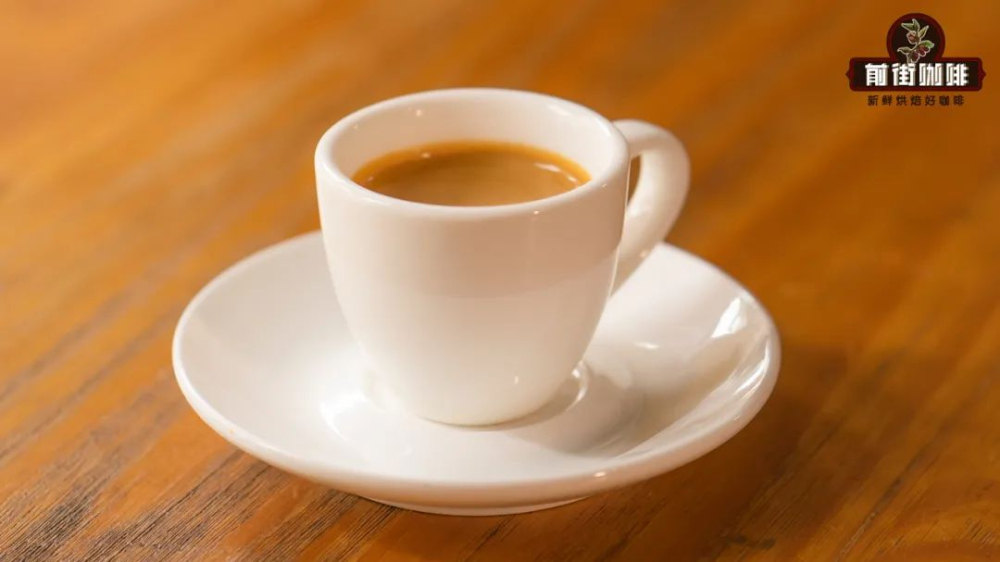
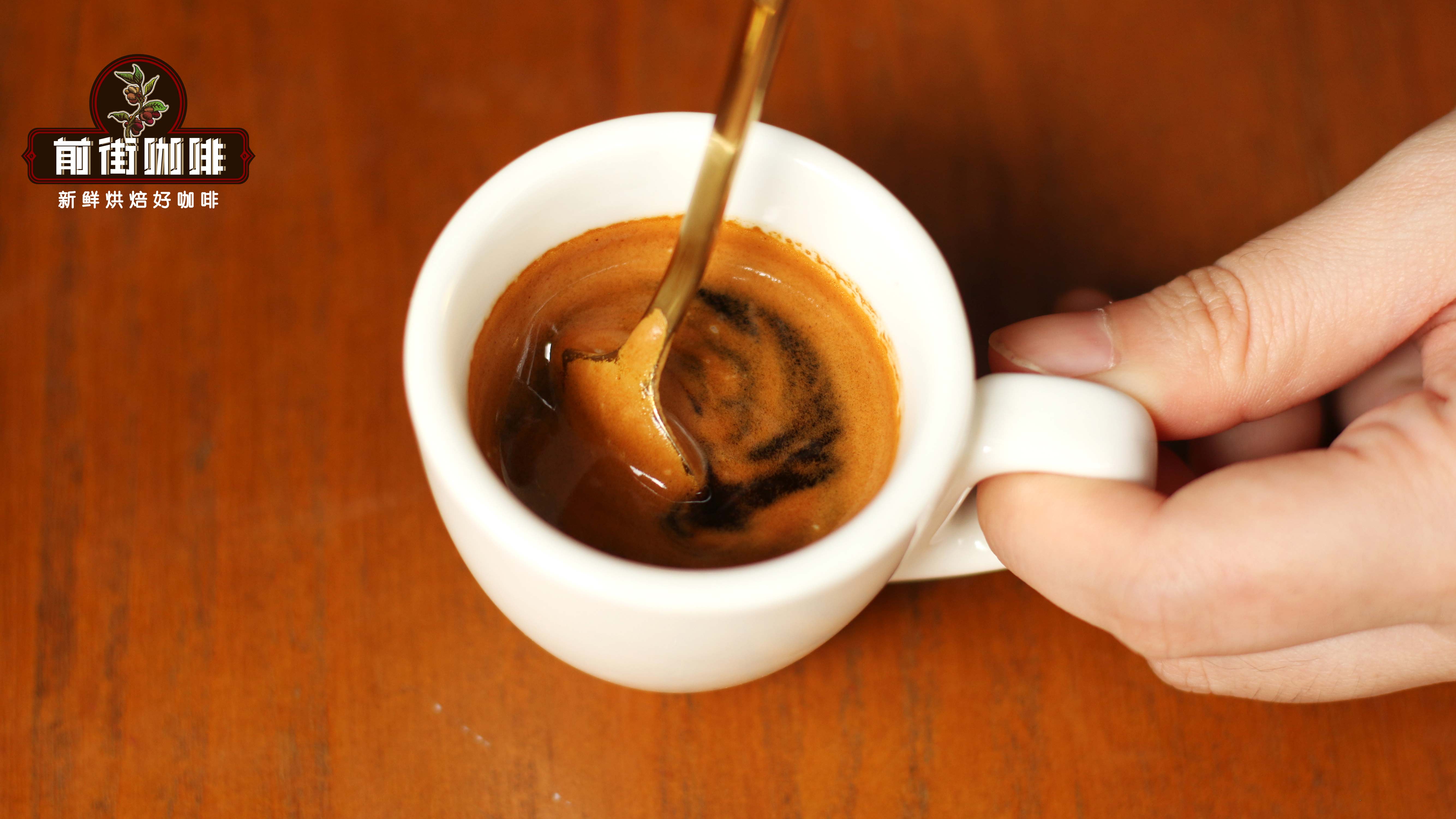
There are many types of espresso drinks, whether single-origin or milk-based, all originating from the most basic espresso. Among them,Espresso (Espresso)can be considered the foundation of all espresso drinks. The word “espresso” in Italian means “fast.” It originated during Europe’s Industrial Revolution in the early 20th century when people sought to save waiting time by inventing a machine that could quickly extract coffee, producing a strong and rich cup in just a short time. Traditionally, about 20 grams of coffee grounds are used to extract 40 milliliters of coffee in 28 to 35 seconds—this is a standard shot of espresso.
Next isAmericano (Americano), whose creation is actually linked to American soldiers during World War II. It’s said that when American troops came to Italy, they were unaccustomed to the strong local espresso, finding it too intense, and asked the baristas to dilute it with water. Gradually, this diluted version became popular and evolved into what we now call “Americano.” A common ratio is 1:4—for example, 40 milliliters of espresso mixed with 160 milliliters of hot water around 70°C. Simple yet smooth.
Then there’s the widely lovedCappuccino (Cappuccino), whose name comes from Italian, originally meaning “hood” or “cowl.” It’s said that early cappuccinos, with their rich foam, resembled the color of the hood worn by Capuchin monks, hence the name. Its basic ratio is 1:4—that is, 40 milliliters of espresso with 160 milliliters of steamed milk and thick foam, often finished with a simple latte art. It’s a classic that combines visual appeal and taste.
As forLatte (Latte), it’s actually short for “Coffee Latte,” which in Italian means “milk coffee.” With a large amount of milk added, it has a smooth and mellow taste, loved by consumers worldwide. But if you just order “Latte” in Italy, you might just get a glass of milk. The usual recipe is 40 milliliters of espresso with 200 milliliters of steamed milk at about 65°C and thinner foam. Simple but classic.
Another classic isMocha (Mocha Cafe), whose name originally comes from the port of Mocha in Yemen, once a major hub in global coffee trade. Many coffees were exported from here, and to indicate origin, sacks were labeled with “Mocha.” Later, as coffee cultivation spread and Mocha Port's prominence declined, people sought to recreate the chocolate-flavored coffee once associated with it by adding chocolate to the brew, thus forming today’s mocha. Common recipes include 40 milliliters of espresso, 10 grams of chocolate syrup, and 190 milliliters of steamed milk at 65°C with thin foam.
As forMacchiato (Macchiato), the name in Italian means “mark” or “stain.” Early on, some customers found espresso too bitter and asked for a small amount of milk to mellow it—but visually, it was almost indistinguishable from pure espresso. To differentiate, baristas would top it with a thin layer of foam as a “mark,” giving rise to the macchiato. The standard recipe is 40 milliliters of espresso with 10 milliliters of hot milk around 65°C, topped with a layer of foam for garnish.
With the rise of specialty coffee, many no longer need milk to soften bitterness, and traditional macchiatos have gradually faded. However, a drink calledCaramel Macchiato (Caramel Macchiato)has emerged. But it’s actually a newly created flavored coffee. Though it borrows the name “macchiato,” its method is entirely different. It’s based on latte, flavored with vanilla and caramel syrups, and topped with a caramel drizzle. Sweet but not cloying, it’s especially popular with female customers. To make it, start with 10 milliliters of vanilla syrup, pour in 180 milliliters of steamed milk with thick foam at 65°C, then add 40 milliliters of espresso in the center, finishing with a caramel drizzle.
Another increasingly popular milk-based espresso drink isFlat White (Flat White), originating in Australia. Compared to traditional cappuccino, Australians prefer a stronger, less foamy coffee, leading to the development of this drink with thin foam and moderate milk. Typically made with 40 milliliters of espresso and 160 milliliters of steamed milk at 65°C with light foam, it offers a smooth and bold taste, a daily favorite for many coffee lovers.
Finally, let’s introduce a creative coffee known for its hot-cold contrast—Dirty (Dirty). It’s said this drink originated from Japanese barista Mr. Katsuyuki Tanaka, inspired by the visual and flavor impact of hot espresso meeting cold milk. As hot espresso slowly pours into cold milk, it creates a unique pattern while offering a double sensation of boldness and sweetness. The authentic method involves preparing 200 milliliters of cold milk first, placing the cup under the spout, and letting 40 milliliters of hot espresso flow directly into the cold milk, creating an “angel’s tear” visual effect—hence the name “dirty coffee.”
By understanding the origins and detailed preparation of these classic espresso drinks, the next time you walk into a café, you won’t just be ordering—you’ll also appreciate the story and craftsmanship behind each cup, turning coffee drinking into not just a daily habit, but a refined cultural experience.
The above content is compiled by CoffeeHunters, a coffee news website.


