








Introduction:Blue Mountain coffee is renowned for its uniquely balanced flavor and rich body, making it the dream taste for many coffee enthusiasts. However, successfully replicating this classic style at home requires precision at every step—from selecting the right coffee beans and mastering the appropriate roast level, to accurately controlling water temperature, grind size, and pouring rhythm. This article will take you in-depth into the brewing secrets of Blue Mountain black coffee, providing practical pour-over operation guides and parameter recommendations to help you easily extract a smooth and multi-layered Blue Mountain coffee experience.
Blue Mountain coffee has long been highly praised for its rich yet balanced taste profile, featuring the intense flavors of dark chocolate, gentle fruit acidity, and a lingering sweet aftertaste that leaves a lasting impression. But to truly showcase the delicate layers of Blue Mountain coffee, every step—from choosing the beans, determining the roast level, to adjusting grind size, water temperature, and pouring technique—must be precisely managed. This article takes the representative washed Blue Mountain No. 1 from the high-altitude growing regions of the Blue Mountains as an example, thoroughly analyzing everything from green bean characteristics and roast settings to the actual pour-over process, so you can brew classic Blue Mountain coffee flavors at home with ease.

The reason why Blue Mountain coffee is favored by seasoned coffee enthusiasts mainly lies in its balanced and full-bodied taste expression: a rich dark chocolate base note, mellow layers of fruit acidity, a clear sweetness in the finish, and a caramel-like aftertaste. The overall cup is smooth, bold, and substantial. This unique flavor is the crystallization bestowed by the high-altitude cultivation environment of the Blue Mountains.
When you receive high-quality Blue Mountain No. 1 green beans, you’ll notice their captivating bluish-green appearance, crystal clear like gemstones. Thanks to the washed processing method, fermentation renders the beans’ acidity more delicate and well-rounded, while also emitting subtle notes of fresh grass and lemon. These green beans are typically rigorously selected, keeping only those sized between 17–18 mesh, with a defect rate below 3% and plump shapes. This not only helps ensure even heat absorption during roasting but also guarantees the purity and consistency of the final flavor.
Based on practical observations, Blue Mountain No. 1 has a moisture content of about 13%, and the bean density falls within the medium range. Therefore, it is recommended to use a roasting strategy with stable temperature rise. Generally speaking, dropping the beans around 4 minutes after first crack, when the roaster temperature reaches 201°C, achieves a medium-dark roast level. This roast degree enhances the coffee’s body while preserving moderate acidity, resulting in a more layered and nuanced flavor profile.
If you want to fully experience the delicate layers of Blue Mountain coffee, the top priority is to use freshly roasted beans. It is generally recommended to use them within 5 to 30 days after roasting to achieve the best flavor performance. Freshly roasted beans contain a large amount of carbon dioxide internally, which gradually releases over the first five days. This helps eliminate any smoky residues from the roasting process and preserves the fullest aroma and flavor characteristics.
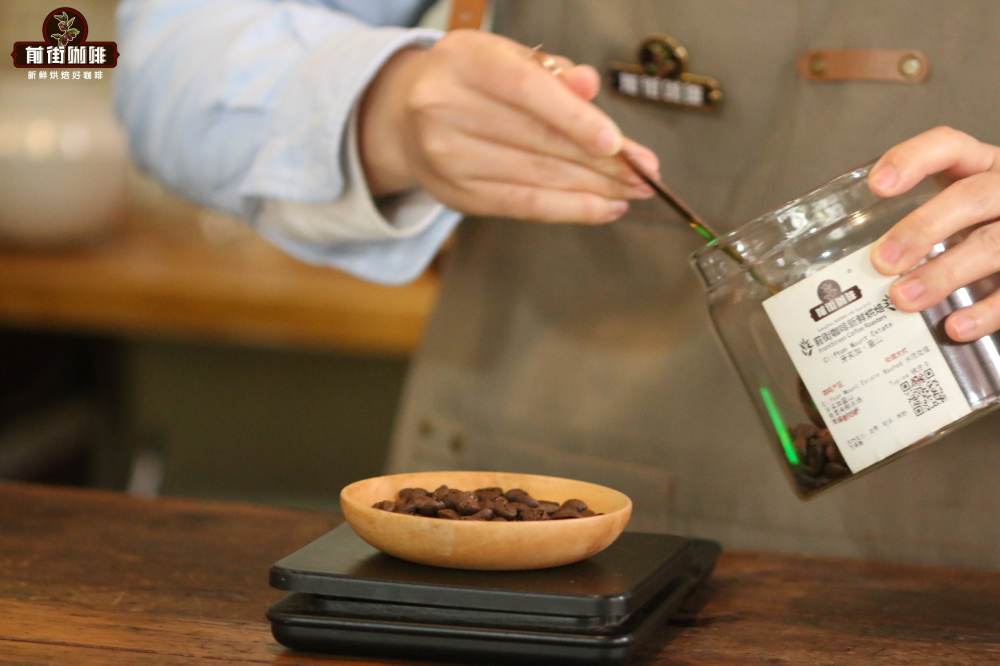
In terms of grind size, it is recommended to use a medium-coarse grind, roughly similar to coarse sugar, with a reference standard of about 70% passing through a Chinese 20-mesh standard sieve. Additionally, water temperature should be controlled between 88–89°C, which helps balance extraction and avoid over-extraction or under-extraction. If you wish to further enhance the coffee’s richness and overall balance, you may choose to use a Kono filter cone for pour-over. This filter cone design allows the filter paper to adhere tightly to the cup wall, creating an immersion-like extraction effect during brewing, thereby intensifying the coffee’s boldness and smooth mouthfeel.
Practical pour-over parameter recommendations are as follows: set water temperature to 89°C, use approximately 15 grams of coffee grounds, with a 1:15 coffee-to-water ratio, and maintain a medium-coarse grind (70% passing through a 20-mesh sieve). Begin with a bloom phase, using about 30 grams of water (approximately double the coffee grounds weight) for 30 seconds. This step helps release carbon dioxide trapped inside the coffee grounds, ensuring a more stable extraction process afterward. Then proceed with pouring in small circles using a gentle stream of water. When the total water volume reaches 125 grams, perform the first pour break, then continue pouring until reaching 225 grams before stopping. Once the water in the filter cone has completely dripped through, remove the cone. The total extraction time should be controlled to around 2 minutes and 10 seconds. Finally, it is recommended to gently swirl the brewed coffee before pouring it into your cup to fully appreciate its flavors.
By using the above method to pour over Blue Mountain No. 1 coffee beans, you will be able to enjoy a flavor as smooth and rich as dark chocolate, accompanied by the aroma of roasted nuts, and a velvety texture like cream. The overall cup not only achieves an excellent balance of acidity, sweetness, and bitterness, but also features a distinct and long-lasting aftertaste, perfectly showcasing the classic charm of Blue Mountain coffee.
The above content is compiled by CoffeeHunters, a coffee news website.


