








Introduction:Is your home pour over coffee always inconsistent in flavor? This article takes Papua New Guinea Bird of Paradise coffee beans as an example to deeply analyze the core parameters that affect pour over flavor, including bean variety background, roast level, grind size, water temperature control, filter choice, and pouring techniques. It helps you master the essentials of stable extraction to brew a pour over coffee with distinct layers and balanced flavor.
Many friends who enjoy pour over coffee often encounter a problem: even though they follow the brewing steps to the letter, the taste of each cup varies significantly. In fact, the flavor of pour over coffee is influenced by numerous variables—from bean selection, roasting, and grinding to water temperature and pouring methods—each step can affect the final extraction outcome. This article uses Papua New Guinea Bird of Paradise coffee beans as an example to detail all the key parameters needed to brew a great cup of coffee at home, helping you move away from relying on luck and instead adjust based on solid reasoning to consistently extract coffee with appealing color, aroma, and complexity.
 Choosing the right coffee beans is the first step to brewing a great cup. It’s recommended to select freshly roasted beans and grind them just before brewing to preserve the maximum amount of flavor compounds. This article uses Papua New Guinea · Bird of Paradise coffee beans roasted to a medium-dark level as a demonstration, explaining in detail each aspect from bean selection to pouring, so you can grasp the key techniques.
The history of coffee cultivation in Papua New Guinea dates back to the introduction of Typica variety from Jamaica’s Blue Mountain. Coupled with the island’s climate and environment, its coffee is often referred to as the “Little Blue Mountain.” This friendly nickname is not only easy to remember but also reflects some of the flavor similarities with Blue Mountain coffee, such as bright acidity and clear layering.
The flavor of a cup of coffee is influenced by multiple factors including variety, soil, altitude, and post-harvest processing, among which altitude is particularly crucial. Papua New Guinea is located between the equator and 10 degrees south latitude, with a climate that is typically tropical rainforest and highland. Some producing areas reach altitudes as high as 2,500 meters, making it very suitable for coffee cultivation. The country has diverse terrain, consisting of central mountains, southern plains, northern hills, and southeastern coastal areas, giving rise to varied microclimates and ecological environments with rich biodiversity. There are approximately 6,500 species of native plants and over 380 species of birds.
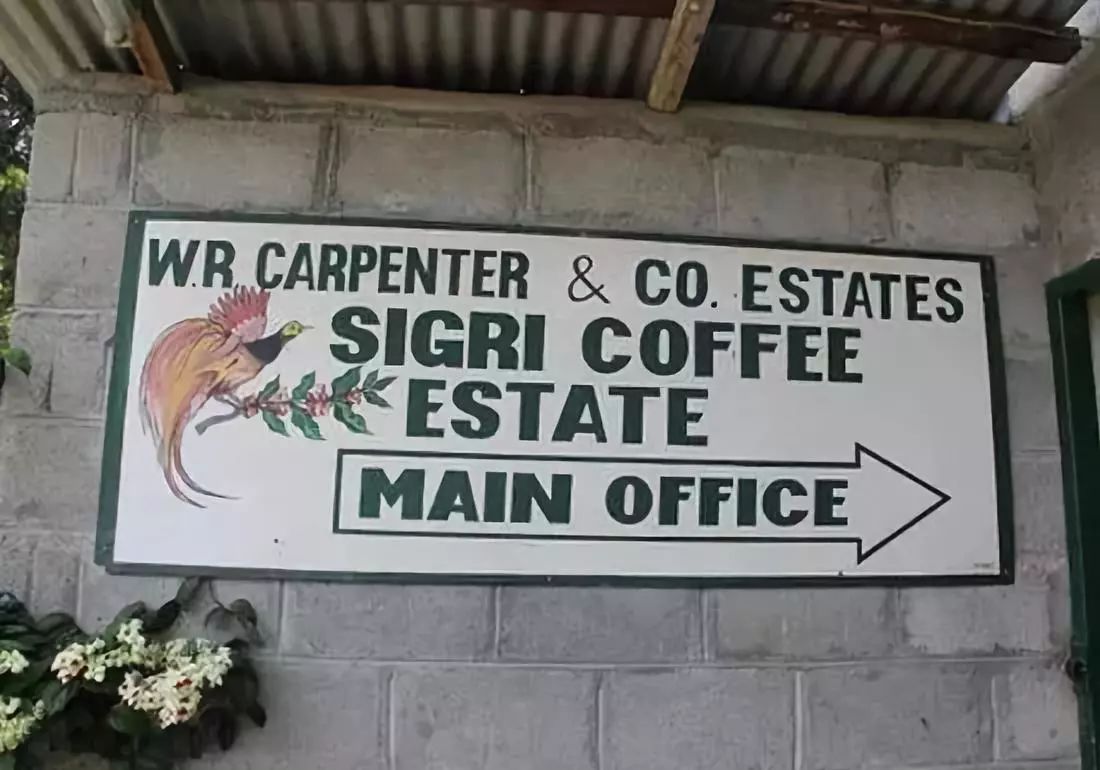
 Coffee in Papua New Guinea is mostly grown in high-altitude mountainous regions, primarily distributed in Eastern and Western Provinces. Notable areas in Eastern Province include Goroka and Kainantu, where the Arona and Purosa estates are known for producing high-quality coffee. Western Province is dominated by the area around Mount Hagen, especially the Wahgi Valley, which features fertile volcanic soil and good drainage. This is where the Bird of Paradise estate is located and is the main producing region of the coffee beans we are introducing. Most coffee in Papua New Guinea is grown by smallholders, with about 85% produced by small-scale farmers using the washed processing method. Its flavors are bright and clear, differing from the deeper tones of Indonesian coffee, and more similar to the fruity and sweet-acidic profiles of South American beans.
It’s worth mentioning that the washed processing method in Papua New Guinea differs slightly from that in Central and South America. Locally, a triple-washed fermentation process is used, each stage lasting about 24 hours, with fresh water changed to precisely control fermentation flavors. After processing, the mucilage and outer skin are removed, followed by strict grading and screening. The grading system is rigorous, and the resulting coffee beans generally have uniform particle size and low defect rates.
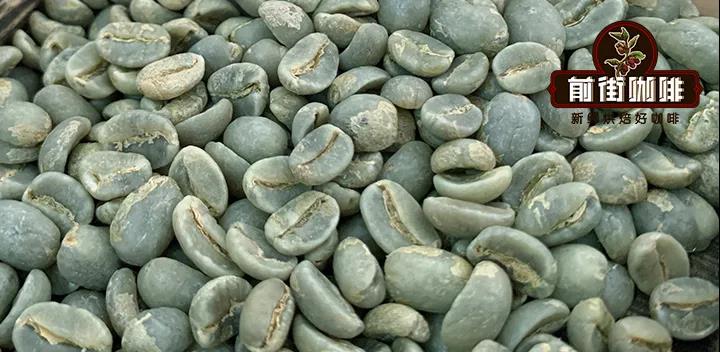
One coffee brand chose Bird of Paradise coffee beans not only for their unique regional flavors, but also because the estate has been committed to sustainable cultivation since 1950, without using pesticides or insecticides, preserving the local ecosystem and bird habitat. These coffee beans are of the Typica variety, Grade AA, grown at an altitude of 1,600–1,800 meters in the Wahgi Valley, processed using washed method, medium-dark roasted. In terms of flavor profile, they emphasize a nutty, toasted bread base, complemented by delicate fruit acidity and spicy notes. The taste is rich and balanced, with a lingering hint of oolong tea.
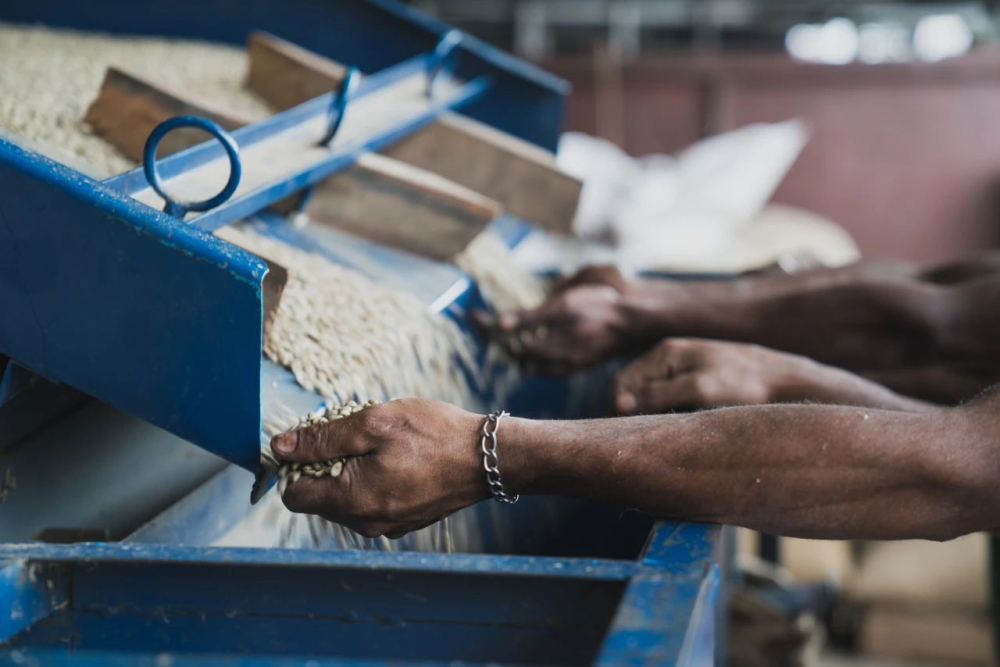 Next, we’ll delve into the practical pour over parameter settings. First is grind size. The coarseness of coffee grounds directly affects how much of the compounds are released when in contact with water. Generally speaking, the finer the particles, the more thorough the extraction, but it can also lead to over-extraction and bitterness. If the particles are too coarse, it may result in under-extraction and a weak flavor. It’s recommended to test the extraction rate using a standard No. 20 sieve. For medium-dark roasted beans, like Bird of Paradise, the target extraction rate is 70–75%. The specific method is to weigh 10 grams of coffee beans, grind them, then sieve them, and weigh the coffee powder that passes through the sieve. Divide that weight by 10 to get the extraction rate. If it’s below 70%, adjust the grind to be finer; if it’s above 75%, make it coarser.
Water temperature is equally critical. The higher the water temperature, the faster and more complete the extraction, but it can also release too many large molecular substances, leading to bitterness and astringency. For medium-dark roasted coffee beans, it’s recommended to use water at 87–88°C to avoid over-extraction. In comparison, light roasted beans can use 91–93°C to fully bring out the acidity and aroma. Controlling water temperature helps you adjust the extraction flavor more precisely.
 The choice of filter also affects the flow rate and extraction rate of coffee. For example, the KONO filter has a smooth upper section and ribs only in the lower part, causing the filter paper to adhere closely to the cup wall, reducing venting and extending the contact time between water and coffee grounds. This makes it suitable for brewing coffee with a richer body. If you prefer coffee with a dense texture and rich layers, the KONO filter is a good choice.
Finally, there’s the technique of segmented pouring. For pour over beginners, the three-stage pouring method is the easiest to master and highly adaptable. Taking a 1:15 coffee-to-water ratio as an example, using 15 grams of coffee beans, the total water volume is 225 grams. The first step is to pour 30 grams of water for a 30-second bloom to help the coffee grounds degas and initiate extraction. The second stage is to pour up to about 125 grams, using a steady circular pouring method. When the water level drops to half, proceed to the third stage, pouring up to 225 grams, with the total brewing time controlled to around 2 minutes. This segmented approach effectively stabilizes the flow rate and avoids over-extraction or uneven extraction due to lack of skill.
The above content is compiled by CoffeeHunters, a coffee news website.


