







Introduction:Want to explore the charm of Panamanian Geisha but don’t know where to start? This article will take you deep into the unique environment of Panama’s specialty coffee regions, explain the evolution of the Geisha variety from Ethiopia to Panama, analyze the differences in flavor among various grades and estates, and recommend entry-level, intermediate, and gift-worthy Panamanian Geisha beans to help you find your own dream coffee.
Panama, the Central American country famous for the Panama Canal, also takes pride in producing world-class specialty coffee. Especially around the Baru Volcano in the west, the unique microclimate and mineral-rich volcanic ash soil have created the ultimate flavors of Geisha (also translated as Artisan or Geisha) coffee, and have nurtured top-tier coffee estates renowned worldwide, such as the Hacienda Esmeralda. This article will take you deep into Panama’s coffee-growing culture, trace how Geisha transformed from a marginal windbreak tree species into a top-tier variety pursued by coffee lovers globally, and recommend practical bean options including Boquete Geisha, Green Label, and Red Label Geisha based on different levels of needs.
Specialty coffee is quite picky about its growing environment, generally requiring cultivation at altitudes of 1,500 meters or even 2,000 meters and above, while also relying on suitable temperature, rainfall, sunshine hours, and soil structure. Many renowned producing regions stand out due to their unique geographical conditions—for example, Blue Mountain coffee benefits from the regulation of high-altitude clouds and fog, Kona coffee thrives under the shade of afternoon clouds, and Antigua owes its fertility to volcanic soil. Panama, especially the areas around Boquete and Volcán Candela, also becomes an excellent stage for cultivating Geisha coffee due to the interaction of altitude and microclimate.
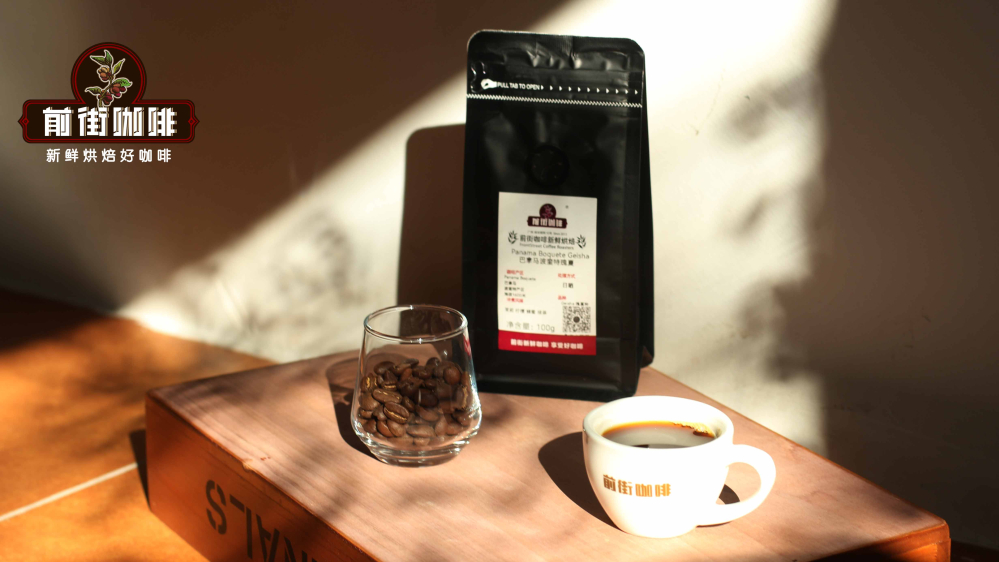
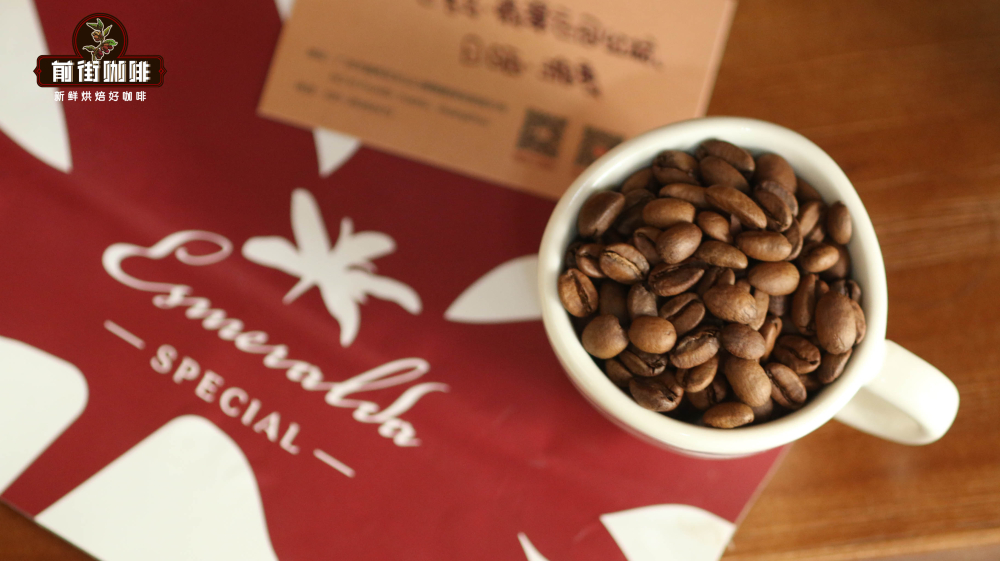
For beginners just starting with single-origin coffee, Panamanian Boquete Geisha is an excellent entry choice. This coffee often features bright citrus notes and honey-like sweetness, with a refreshing and soft mouthfeel. It doesn’t taste as intense as traditional coffee but more like a refined fruit tea, making it very suitable for daily drinking or as an introductory option to experience the flavor of Geisha. If you’ve already gained some tasting experience, you can further opt for the cost-effective Emerald Green Label Geisha to enjoy richer layers and delicate acidity. And if you want to choose a premium coffee as a gift or share it with fellow enthusiasts, then the top-tier Emerald Red Label Geisha is the perfect choice.
Panama’s highland microclimate is key to the unique flavor of its coffee. The east-west orientation of the country causes cold air from the north to gather in areas above approximately 6,500 feet (about 2,000 meters) after crossing the central mountains, creating a diverse microclimate environment around Boquete and Volcán Candela. These regions not only have lower temperatures and significant day-night temperature variations but also boast fertile and nutrient-balanced soil from the Baru Volcano, providing ideal growing conditions for specialty coffee varieties like Geisha.
Many people’s impression of Panama is limited to the Panama Canal, but in fact, the western part of the country, surrounding the Baru Volcano, is a hidden gem that coffee lovers shouldn’t overlook. The town of Boquete on the volcano’s eastern side is world-renowned for the Hacienda Esmeralda, while the western side’s Volcán Candela is another important coffee-producing region, home to the famous Finca Carmen. It’s worth mentioning that the rise of Panama’s coffee industry is closely related to the construction of the Panama Canal over a hundred years ago. At that time, many European technical immigrants were attracted by the pleasant highland climate, chose to settle in Boquete, and invested in coffee cultivation, laying the foundation for the region’s specialty coffee. However, it was not until the 2004 Best of Panama (BOP) competition that Geisha truly gained attention.
It was the Hacienda Esmeralda that brought Geisha onto the international stage. Initially, Geisha was seen as just one of the windbreak tree species on the edge of the coffee farm. When planted at altitudes below 1,400 meters, it not only had low yields but also lacked notable flavor, so it was largely ignored. However, when the planting altitude was raised above 1,500 meters, especially under the influence of cold mountain winds, Geisha exhibited unprecedented flavor potential. Peterson, the father and son team at Hacienda Esmeralda, keenly noticed this characteristic, cultivated and processed it separately, and entered it into the 2004 BOP competition under the name “Jaramillo Special.” The result was instant fame, sparking a global craze for the Geisha variety.
So, where does Geisha actually come from? According to multiple sources, its journey roughly went like this: In 1931, the British ambassador to Ethiopia collected disease-resistant coffee seeds from Geisha Mountain (now possibly the original home of Panamanian Geisha); between 1931 and 1932, these seeds were sent to Kitale, Kenya, under the names Geisha and Abyssinian for trial planting; in 1936, some seedlings were further transplanted to the Lyamungu Coffee Research Institute in Uganda and Tanzania; starting in 1953, Costa Rica’s CATIE coffee research institution repeatedly introduced these plants; and it wasn’t until 1963 that Panamanian coffee farmer Don Pachi brought this batch of disease-resistant Geisha varieties from CATIE. However, since the seeds may have undergone hybridization during long-term circulation, it’s difficult to say whether the Geisha we drink today is exactly the same as the original variety back then.
The reason Panamanian Geisha is so widely loved, apart from its distinct citrus and honey sweetness, is largely due to the boost from its growing environment. The high-altitude environment slows down the ripening of coffee cherries, resulting in denser beans that can accumulate richer flavor compounds. It’s worth noting that although Geisha has outstanding flavors, its yield is extremely limited. It’s reported that the annual production of Geisha from a top-tier estate is less than 12 tons, with premium batches being only two to three hundred kilograms—this also explains why there’s such a supply shortage in the global market. Therefore, not only in Panama but also in other well-known producing regions, efforts have been made to try planting Geisha, hoping to showcase the variety’s diverse potential under different soil and climate conditions.
Panama’s geographical environment has given rise to a diverse distribution of microclimates. From Boquete, Volcán, Candela to Santa Clara, these regions have formed unique microclimates due to altitude and the convergence of cold air, coupled with the nutrient supply from volcanic soil, making this area one of the world’s important producers of specialty coffee.
Panama’s coffee-growing history dates back to 1780, when European immigrants first introduced the Typica variety. Today, the main varieties grown locally include Typica, Caturra, Catuai, and the most notable Geisha. Panamanian coffee is known for its diverse flavor profiles, commonly featuring notes of jasmine, citrus, ripe fruits, berries, caramel, vanilla, and chocolate. These characteristics are closely related to its washed processing method. Washed processing highlights the fresh citrus and honey sweetness of Geisha, but in recent years, naturally processed Geisha has also gradually emerged, with its rich fruitiness and full-bodied mouthfeel driving transaction prices to new highs.
Finally, it’s worth mentioning Panama’s renowned coffee estates. In addition to Hacienda Esmeralda, its subsidiaries such as Jaramillo and Canas Verdes have repeatedly broken auction records for Geisha lots. Similarly located in the Boquete region, Finca La Valentina’s “Geisha Arista Agrario” even won the championship at the 2011 BOP competition. As for the western Finca Carmen, it has consistently ranked in the top five in various BOP competitions, showcasing the profound strength of Panama’s specialty coffee.
The above content is compiled by CoffeeHunters, a coffee news website.


