







Introduction:As one of the world’s most renowned coffee-producing regions, Indonesia is home to three major coffee-growing areas—Sumatra, Java, and Sulawesi—that yield distinctive specialty coffees. This article delves into the historical background of Indonesian coffee, the geographical and climatic characteristics of each producing region, as well as the processing methods and flavor profiles of classic beans such as Mandheling, West Java Amanie, and Sulawesi Toraja. It aims to help you better understand the rich allure and brewing essentials of Asian coffee.
Indonesia is one of the world’s major coffee producers, boasting well-known coffee-growing regions such as Sumatra, Java, and Sulawesi. Among them, Mandheling coffee from Sumatra is celebrated for its full-bodied flavor with earthy and spicy notes, making it a classic favorite among many coffee enthusiasts. In addition, the honey-processed sun-dried coffees from West Java and the semi-washed coffees produced in the Toraja region of Sulawesi also showcase unique regional characteristics. This article will comprehensively introduce the terroir, processing techniques, and representative coffee varieties of Indonesia’s major coffee-growing areas, taking you on an in-depth exploration of the stories and flavor features behind these specialty coffees.
The Historical Background and Regional Distribution of Indonesian Coffee
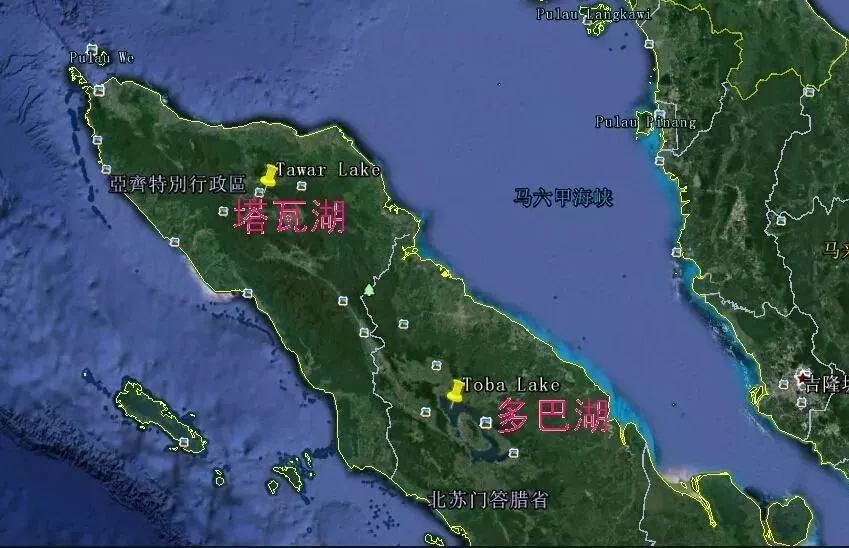
The history of coffee cultivation in Indonesia dates back to the 17th century when Dutch colonists introduced coffee trees to Java, marking the beginning of coffee production in the region. However, the truly defining moment that brought Indonesian coffee to widespread recognition is inseparable from the island of Sumatra. Although the “Java coffee” exported to Europe in the early days mostly actually came from Sumatra, the name “Mandheling” became synonymous with Sumatran coffee, particularly from the mountainous areas around Lake Toba, such as Lintong and Gayo. These areas, with their high altitudes and unique microclimates, are ideal for producing coffee with rich and bold flavors.
Sumatra Mandheling: The Classic Representative of Wet-Hulled Processing
Mandheling coffee from Sumatra is primarily grown in mountainous regions at elevations of approximately 900 to 1600 meters, with the area around Lake Toba being the most famous. The commonly planted varieties include Ateng (a local Indonesian variety of Catimor) and Timor, which exhibit distinct Asian coffee traits such as herbal, dark chocolate, and cedar notes. Mandheling coffee most often undergoes thewet-hulled process (Giling Basah), a method developed in response to the region’s rainy climate. It involves removing the skin and pulp and allowing a short fermentation, then hulling off part of the mucilage and parchment when the moisture content is reduced to 30–50%. The beans are then dried further to reach a moisture level of 12–13%. This processing method gives Mandheling its deep, bold, earthy, and spicy flavor profile.
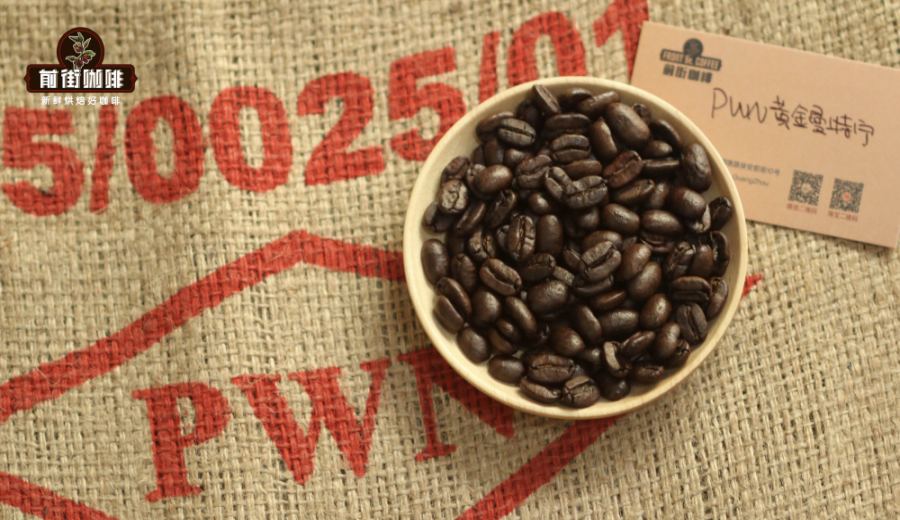
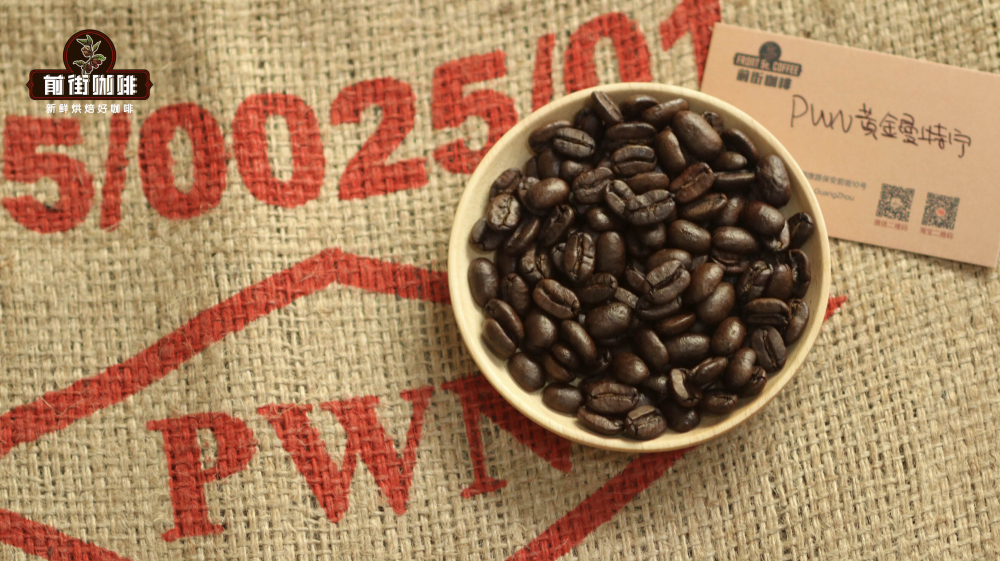
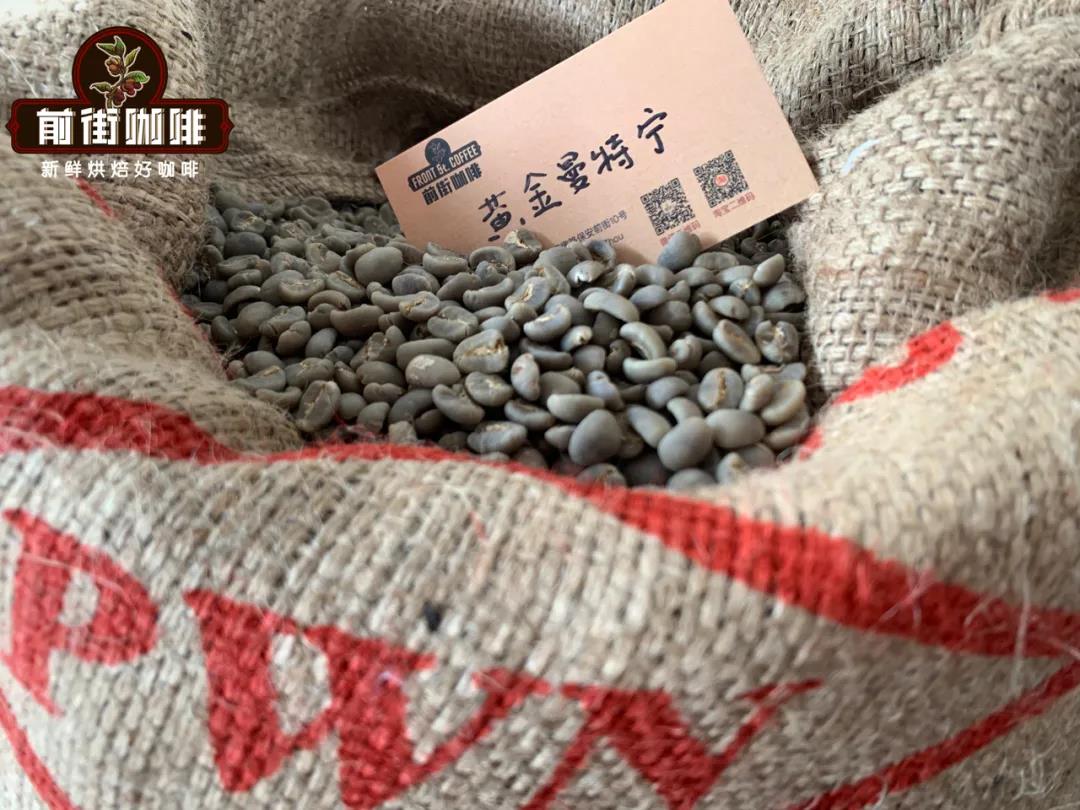
Among them, PWN Golden Mandheling is considered the top-tier representative of Mandheling, sourced from the Gayo highlands in Aceh Province at elevations of 1100–1600 meters. The variety is Ateng, graded G1 and hand-sorted three times. This coffee bean offers a strong aftertaste and sweet cane-like aroma, with an extremely low defect rate, clean mouthfeel, and pronounced sweetness—widely recognized by coffee professionals as a classic. It is worth noting that not all products labeled “Golden Mandheling” on the market actually come from the PWN company. Consumers can verify its authenticity by checking the green bean sack or certification documents.
West Java Amanie: A Flavor Breakthrough with Honey Processing
As a first-level administrative region of Indonesia, West Java has a tropical rainforest climate with numerous volcanoes and fertile soil, making it highly suitable for coffee cultivation. The Tigulara mountainous area in West Java is an important specialty coffee producing region, with elevations of about 1400–1600 meters. A certain coffee brand’s West Java Amanie coffee beans are of the S795 variety, a hybrid originating from India known for its intense fruity and tropical fruit notes. This particular coffee is processed usinghoney processing (Honey Process), where part of the mucilage is retained after removing the skin, and the drying process involves manual turning to control fermentation levels, thereby highlighting complex sweetness and subtle wine-like aromas. Cupping reveals pronounced flavors of mango, jackfruit, and other rich tropical fruits, offering an intriguing contrast to the typically heavier style of Indonesian coffee.
Sulawesi Toraja: Refined Expression of Semi-Washed Processing
Sulawesi Island, formerly known as Celebes, is one of Indonesia’s oldest islands, with its main coffee-growing region located in the Toraja area of South Sulawesi. This region sits at an altitude of about 1200 meters and features iron-rich soil. Despite its rugged terrain and challenging farming conditions, it produces specialty coffee with delicate flavors and limited yield. The annual production of Toraja coffee is only about 1000 metric tons, and it employs the locally commonsemi-washed processing method (Wet Hulling). This involves fermenting the coffee cherries, removing the mucilage, and then drying the beans still in their parchment. The final moisture content is controlled at 11–13%. This processing method preserves the coffee’s fresh floral characteristics while imparting gentle acidity and a pronounced caramel sweetness, resulting in a solid mouthfeel and long-lasting aftertaste. Due to the region’s limited transportation access, many coffee beans are first transported to the lower-altitude Kalosi area for distribution, hence it is also referred to as “Kalosi coffee.”
Conclusion: Exploring the Diverse Facets of Indonesian Coffee
Indonesia’s three major producing regions—Sumatra, West Java, and Sulawesi—each showcase distinctly different terroirs and processing characteristics. From the wet-hulled Mandheling of Sumatra, to the honey-processed Amanie of West Java, to the semi-washed Toraja of Sulawesi, each coffee tells the story of local farmers’ ingenuity and the influence of the natural environment. Whether you prefer bold and deep flavors or complex profiles balancing fruitiness and sweetness, Indonesian coffee offers a rich array of choices and is a must-explore classic origin for pour over enthusiasts and coffee newcomers alike seeking Asian flavor profiles.
The above content is compiled by CoffeeHunters, a coffee news website.


