







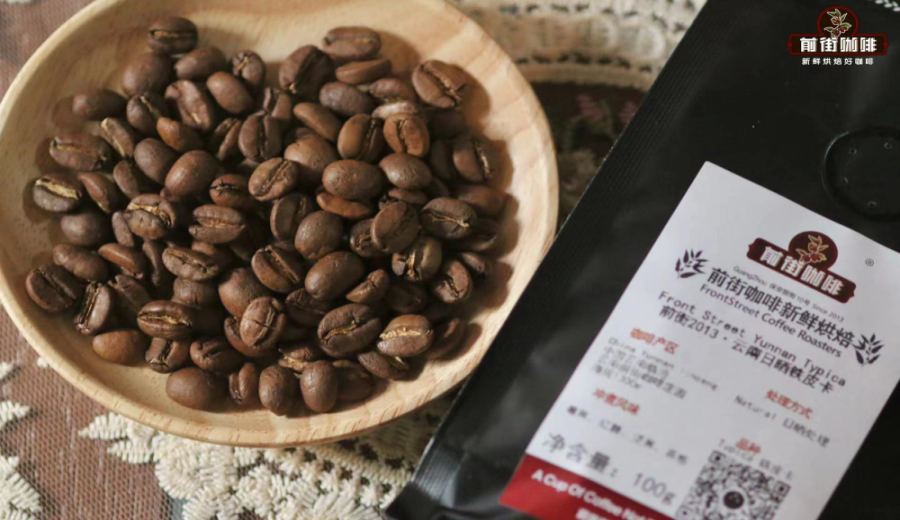
Introduction:Want to dive deeper into the potential of China’s specialty coffee? This article explores the natural conditions and mainstream planted varieties across Yunnan’s four major coffee-growing regions, analyzes the key differences between washed and natural processing methods, and uses a sun-dried Typica from a self-operated estate in Lincang as an example to guide you through its true flavor profile. Not only does it break down every detail of '2013' from planting to roasting, but it also provides practical pour-over parameters to help you fully master the brewing techniques for Yunnan coffee.
As a representative origin of China’s specialty coffee, Yunnan has gradually gained recognition among coffee enthusiasts in recent years. But how does it actually perform? This article systematically reviews everything from planting region distribution, mainstream variety structure, to common processing methods, with a special focus on the sun-dried Typica grown at a self-built estate in Lincang. Through its actual flavor profile, we showcase the unique charm of Yunnan coffee under traditional processing methods. Additionally, we’ll delve into the natural environment characteristics of Baoshan and Lincang—two core producing areas—and the full journey of the '2013' coffee beans, from cultivation history and harvesting details to optimal extraction parameters, helping readers comprehensively understand the current state and future potential of China’s specialty coffee.
Where exactly is Yunnan’s small-grind coffee grown?
The term “small-grind coffee” is primarily used to distinguish it clearly from the medium-grind Robusta commonly grown in Hainan. In fact, the coffee grown in Yunnan, like that in most global producing regions, belongs to the Arabica species, with Catimor currently being the dominant cultivar. Coffee trees naturally thrive in warm climates—they can adapt to relatively high temperatures but are extremely sensitive to cold, and ample sunlight is key to their growth. The ideal cultivation temperature ranges between 16 to 21 degrees Celsius, which is why the area within 25° north and south of the equator is hailed by the industry as the “world’s golden coffee-growing belt.” Yunnan lies within this golden zone, with most regions in the province sitting at elevations between 1,000 to 2,000 meters. The sloped land features fertile soil, abundant sunlight, sufficient rainfall, and significant day-night temperature variations—all of which provide an excellent growing environment for coffee trees.
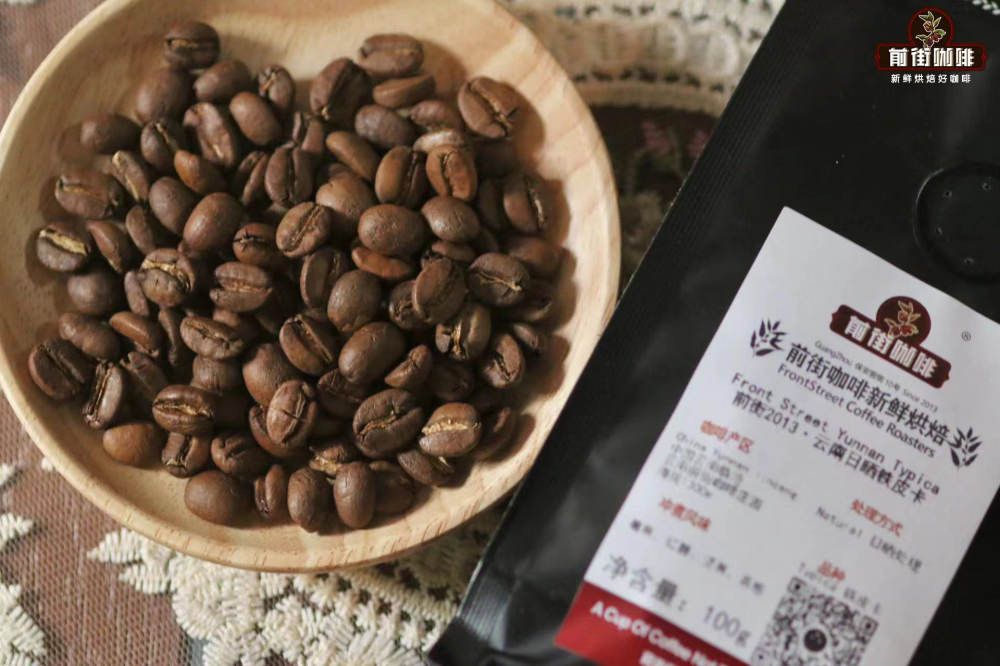
Coffee cultivation in Yunnan is mainly concentrated in the southwestern part of the province, gradually forming four major producing regions: Baoshan, Dehong, Pu’er, and Lincang. On our coffee menu, there are currently three Yunnan coffee beans sourced from Baoshan and Lincang.
Baoshan: A Historic Dry-Hot Valley Coffee Zone
The history of coffee cultivation in Baoshan dates back to the mid-1950s when patriotic overseas Chinese Mr. Liang Jinshan first introduced coffee seedlings. The region’s frost-free, warm climate is particularly well-suited for the growth of small-grind coffee, especially the unique dry-hot valley climate around the Lugujiang Dam area. Not only does it maintain stable temperatures year-round, but the significant day-night temperature variation also contributes to the distinctive sweet aftertaste of Baoshan’s small-grind coffee. Moreover, the area benefits from well-controlled, moderate, and evenly distributed rainfall, providing optimal conditions for coffee fruit development. Therefore, Baoshan’s small-grind coffee is specially selected as one of the staple beans representing the producing region, allowing coffee enthusiasts to directly experience the unique taste of Yunnan’s small-grind coffee.
What Processing Methods Are Mainly Used for Yunnan Coffee Beans?
In recent years, many Yunnan coffee beans marketed with special processing methods have emerged, often enhanced with added flavoring agents to intensify aroma. This can easily mislead consumers into thinking these are the inherent flavors of Yunnan coffee. However, that’s not the case. Due to limited production equipment and technical conditions among most Yunnan coffee farmers, who cannot afford expensive precision processing facilities, the vast majority of Yunnan coffee beans still rely on traditional natural processing methods, primarily divided into washed and natural (sun-dried) categories.
The washed processing flow typically includes: first, pouring the coffee cherries into a water tank and using buoyancy principles to remove impurities and unripe berries; then using a pulper to remove the outer skin and most of the pulp; next, placing the coffee beans with the mucilage layer into a water tank for fermentation, where the acidic substances produced by the mucilage layer help separate them from the bean; after fermentation, thoroughly washing away the remaining mucilage with clean water to obtain the parchment-covered green beans (i.e., parchment coffee); finally, drying the beans naturally or mechanically based on weather conditions until the moisture content is reduced to around 12%, then using a hulling machine to remove the parchment and obtain the final green coffee beans.
We always insist that to truly understand the essence of Yunnan coffee, one should start from its original flavors rather than relying on novel processing methods to mask its inherent characteristics. Therefore, many coffee beans on our menu are processed using traditional washed and natural methods, with the staple bean representing the producing region showcasing the unique flavor of Yunnan’s small-grind coffee through the washed method. Additionally, there’s an extremely popular exclusive product—‘2013’. This coffee bean comes from a self-operated estate in Lincang, featuring the delicate and elegant Typica variety, and is processed using the natural sun-dried method to further enhance the coffee’s sweetness.
The Story Behind Our Self-Grown Yunnan Coffee
From the very beginning of delving into coffee knowledge, the idea of personally growing coffee took root. In 2013, our team traveled to Lincang, Yunnan, officially initiating the full-process practice—from site selection, varietal selection, seedling cultivation, planting, harvesting, processing, to roasting—accumulating a wealth of valuable experience regarding varietal characteristics, altitude impact, and processing techniques.
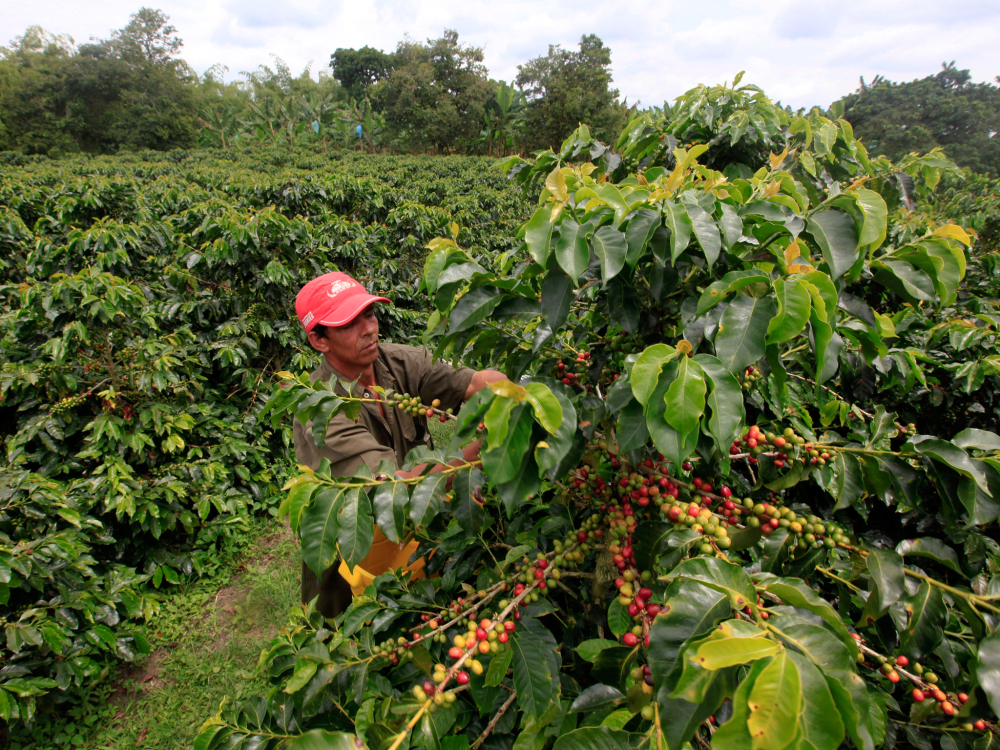
The Lincang region is influenced by the warm, humid air currents of the Indian Ocean and the southwest monsoon. Although the boundaries between the four seasons are not distinct, the dry and rainy seasons are clearly defined. The area enjoys abundant rainfall, long sunshine hours, very short frost periods, and even frost-free conditions in some regions year-round. Coupled with significant vertical climate characteristics, it’s highly suitable for growing Arabica coffee. We specifically chose the most representative original Typica variety. Although its flavors are elegant and pure, its low yield and relatively poor resistance require more effort in cultivation management. After 5 to 6 years of careful nurturing, we finally harvested the first batch of coffee fruits in 2020, which were processed using the sun-dried method and named ‘2013’.
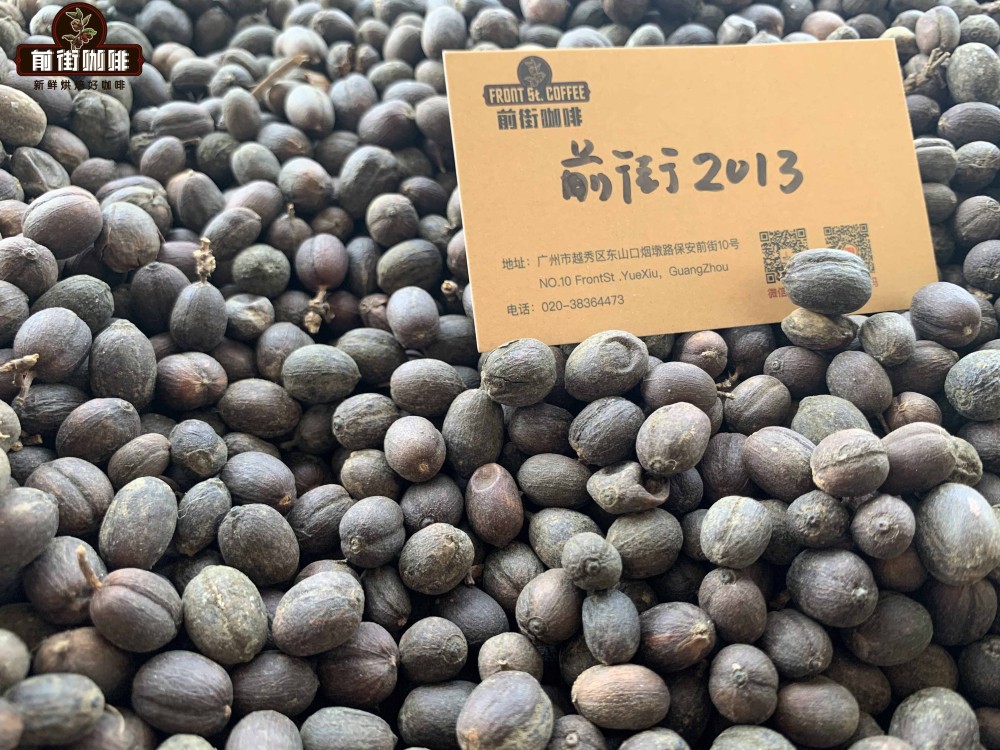
Every year in November, as the coffee fruits gradually turn red and ripen, our team arranges for manual picking of fully ripe red coffee cherries. The fresh fruits are then evenly spread under the sun for natural drying. Once the coffee beans dehydrate to a purplish-red color and reach the target moisture content, they undergo hulling and subsequent roasting steps.
The Actual Flavor Profile of Yunnan Coffee and Pour-Over Recommendations
Based on the overall flavor profile of Yunnan coffee, we find that its performance is balanced and harmonious, combining acidity with a rich bitterness. Therefore, we opted for a medium roast during the roasting stage. Through cupping the sun-dried Typica, we captured multiple aromas such as plum, dried fruit, chocolate, nuts, and black tea, with all flavor elements blending just right, and the sweetness being particularly prominent.
Industry Pour-Over Reference Parameters:
• Dripper: Hario V60
• Coffee Dose: 15 grams
• Water Temperature: 90°C
• Grind Size: 75% passing through a #20 sieve (medium-coarse grind)
• Coffee-to-Water Ratio: 1:15
• Brewing Method: Three-Pour Technique
– First Pour: Wet the coffee bed with twice the coffee dose (about 30 grams) of water, allow a bloom to form, then let it degas for 30 seconds
– Second Pour: Pour water in a slow, circular motion from the center outward to 125 grams, pause the pour, and wait for the coffee bed to descend to half the height of the dripper
– Third Pour: Continue pouring with the same fine stream until reaching 225 grams, then remove the dripper once all the coffee liquid has dripped through, for a total brew time of about 2 minutes
Flavor Profile of the 2013 Coffee Beans:The dry aroma carries subtle notes of caramel and nuts. The cup opens with chocolate as the dominant note, accompanied by a brown sugar-like sweetness and mild fruity acidity. The finish subtly hints at the texture of black tea, with the overall flavor profile being rich, layered, and well-balanced.
The above content is compiled by CoffeeHunters, a coffee news website.


