








Introduction:Dive deep into Papua New Guinea’s specialty coffee, often hailed as the “Little Blue Mountain.” Explore its unique island-growing environment, historical background, the flavor profile and processing method of the Typica washed beans from the Heaven Bird Estate, and gain a detailed understanding of the local coffee grading system. This article provides a comprehensive bean selection and tasting guide for readers who enjoy Blue Mountain-style flavors or are seeking coffees with bright acidity.
Although located far in the South Pacific, Papua New Guinea has coffee-growing potential that can rival that of Blue Mountain. This island nation, with its high altitudes, active volcanoes, and distinctive island climate, produces a specialty coffee often referred to as the “Little Blue Mountain.” What is its charm that allows it to stand out in the international market? This article will fully dissect the flavor code and selection essentials of Little Blue Mountain coffee, from its growing environment, historical background, representative estates, to the meticulous Typica washed process and official grading system.
When it comes to Blue Mountain coffee, many people first think of Jamaica. However, on a remote Pacific island—Papua New Guinea—there is also a specialty coffee often praised as the “Little Blue Mountain.” Like Blue Mountain, it shares characteristics such as high altitude, volcanic soil, and a mild island climate, excelling with gentle fruity acidity and clear flavor layers. Through actual cupping, we found that although its flavor is not as bold and rich as Blue Mountain, it boasts unique nutty aromas, subtle citrus notes, and a lingering sweetness of caramel and spices, making it bright and highly distinctive.
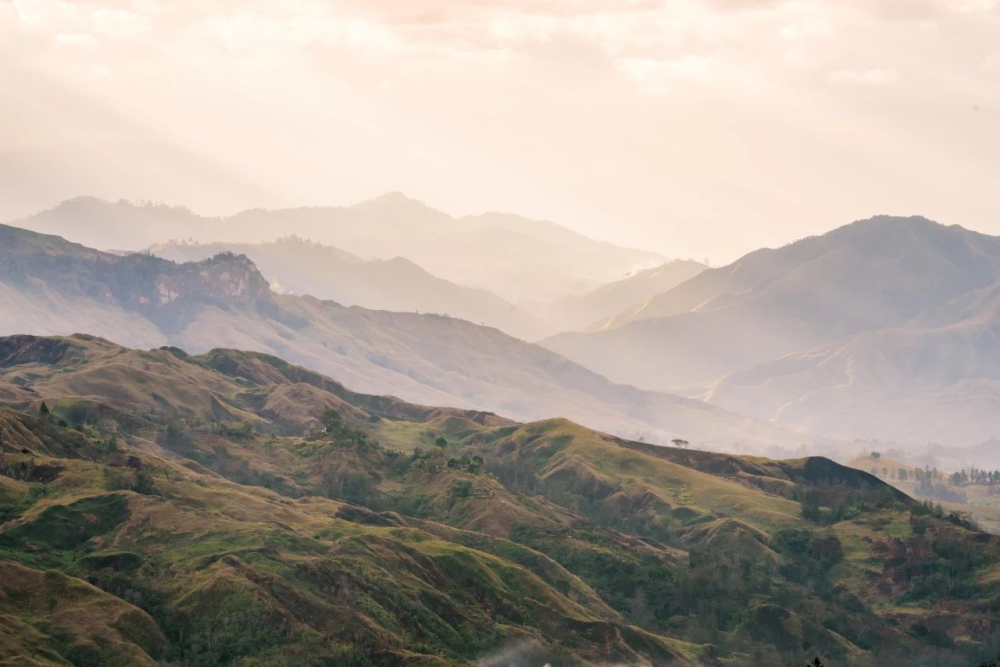
Surrounded by the sea on all sides, Papua New Guinea is the second-largest island country in the South Pacific in terms of both population and area, after Australia. The country retains numerous native languages and cultures, and is also one of the few regions globally where the natural environment remains largely undamaged. Such an environment provides ideal growing conditions for coffee: altitudes generally ranging between 1200 and 2500 meters, along with frequent volcanic activity, create mineral-rich fertile soil that offers delicate yet abundant potential for coffee.
The history of coffee cultivation in Papua New Guinea began in 1931, when the Typica variety was introduced from Jamaica. Due to the country’s past British colonial influence—and since Jamaican Blue Mountain is a classic representation of Typica—the introduction process went smoothly. Subsequently, Bourbon was introduced from Kenya in 1950, and in 1962, varieties such as New World and Caturra were brought in from Brazil, gradually improving the quality of the local coffee. Especially during the 1970s and 1980s, with government policy support, the industry expanded rapidly, laying the foundation for today’s specialty coffee.
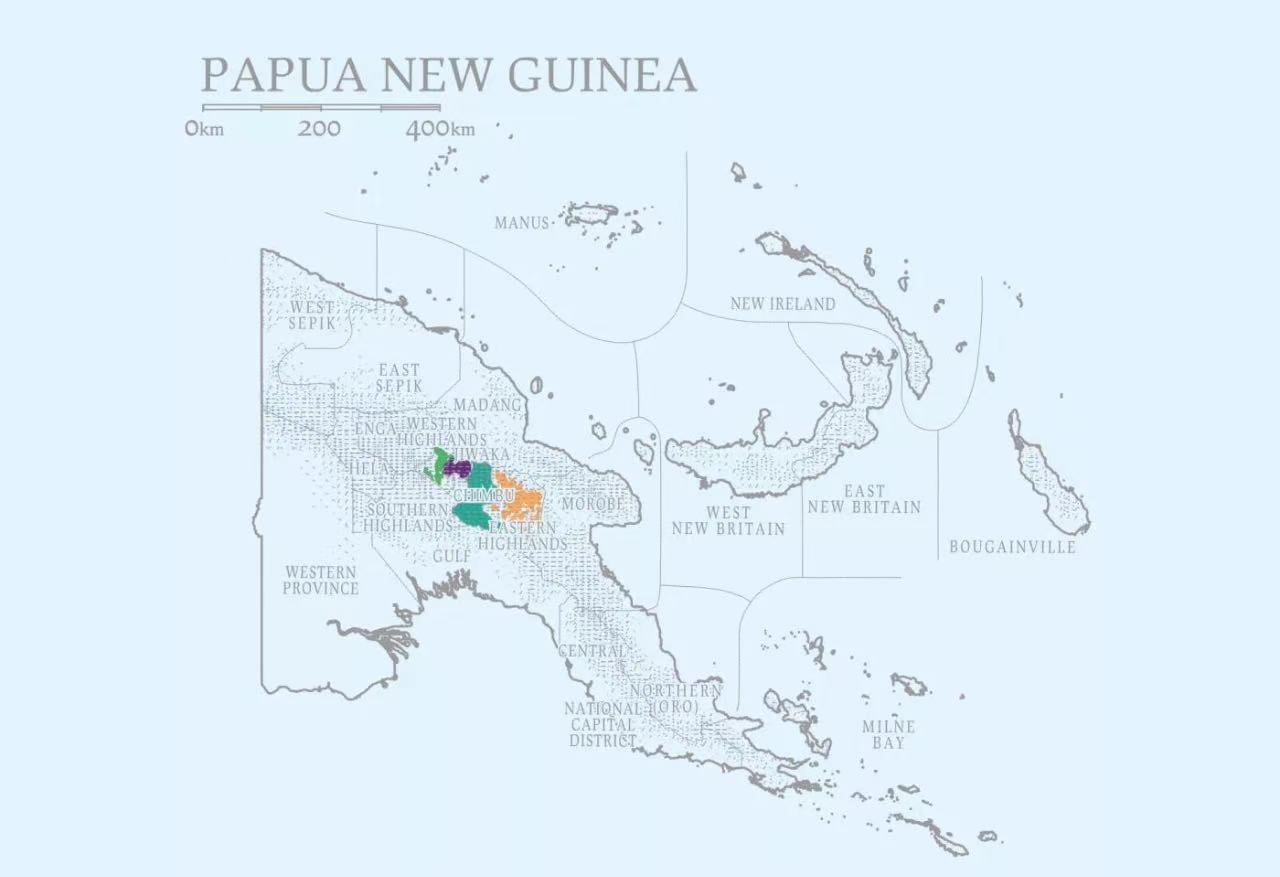
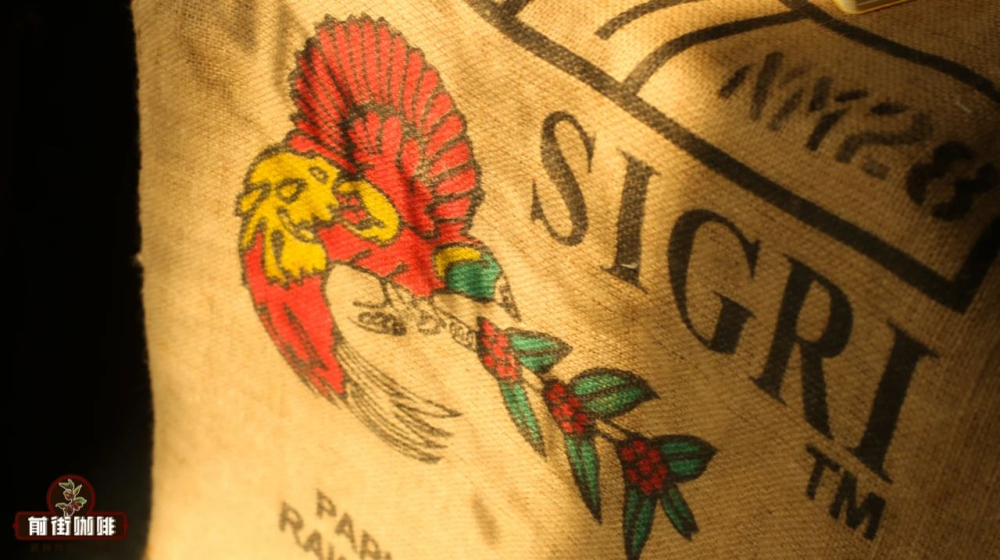
Papua New Guinea’s specialty coffee mainly comes from the Western Highlands and Eastern Highlands, including the Wahgi Valley, Arona Estate, Kimel Estate, and others. Among them, the Sigri Heaven Bird Estate (also known as Heaven Bird Estate), with an altitude of about 1500 meters, fertile volcanic soil, cool climate, and abundant rainfall, has become one of the most representative producing areas. The estate refuses the use of pesticides and chemical agents, and is committed to maintaining ecological and bird habitat environments. With up to 90 species of birds in the area, including the country’s national bird, the Bird of Paradise, it derives its name.
The Typica washed beans from the Heaven Bird Estate are a typical representative of the “Little Blue Mountain” flavor. Their origin traces back to the Typica introduced from Jamaica in 1931, sharing the same roots as Blue Mountain but exhibiting a different flavor profile due to environmental differences. During cupping, one can perceive a distinct toasted bread sweetness, gentle citrus acidity, along with medium-bodied notes of nuts and cocoa, while the finish brings subtle spices and caramel sweetness. The overall balance is delicate, and it is a rare coffee in the Asian market with high brightness.
It should be noted that although often called the “Little Blue Mountain,” Papua New Guinea coffee still has clear distinctions in flavor compared to Jamaican Blue Mountain: the former is more refreshing, with soft but distinct fruit acidity, whereas the latter is known for its richness, low acidity, and intense chocolatey tones.
Similar to Kenya, Papua New Guinea uses coffee bean size as the main basis for grading. Although bean size is not the sole determinant of flavor, in high-altitude, uniformly mature growing environments, larger and more uniform beans often demonstrate more stable and premium flavor profiles. Below are the country’s common official grading standards:
Grade E: Flat beans over 19 screen size (commonly known as elephant beans).
Grade AA: 17–18 screen size (approximately 7.2–8.2 mm), considered a high-quality grade.
Grade AB: 16–17 screen size (approximately 6.2–6.8 mm), the most widely circulated grade in the market.
Grade PB: Peaberry beans (4.7–6.6 mm), each fruit containing only one seed with a unique shape.
Grade C: Below 14 screen size (4.0–6.3 mm), usually not considered specialty grade.
Grade TT: Light beans screened from Grades AA and AB via air classification, with lower hardness.
Grade T: Below 12 screen size, high defect rate, less stable in quality.
Grade MH/ML: Unwashed and unsorted fallen beans, the lowest grade, mostly for domestic supply.
Grade TOP: Graded based on cupping results, not an official standard, for reference only.
Grade PLUS(+): Standards set by individual companies, with no unified criteria.
Grade FAQ: Fair to Average Quality, allows minor defects but does not affect overall flavor.
Typica, as the main variety of Little Blue Mountain coffee, originated in southern Ethiopia and Sudan. It is one of the ancestors of modern Arabica coffee. Its characteristics include an oval, slender bean shape, with copper-colored top leaves (commonly known as “red-tipped coffee”), and a flavor profile known for being clean, bright, and balanced, with gentle acidity and distinct layers. However, its drawbacks include relatively low yield, strict altitude requirements, and susceptibility to leaf rust, necessitating careful management. Despite these challenges, Typica remains a classic variety beloved by many specialty coffee enthusiasts and has received high praise in various international evaluations.
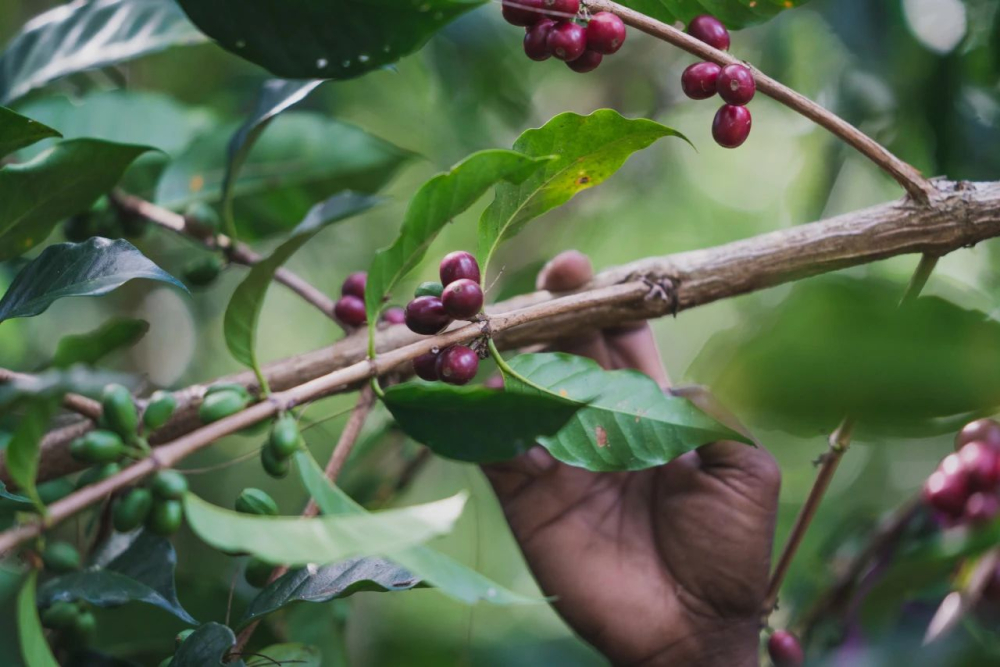
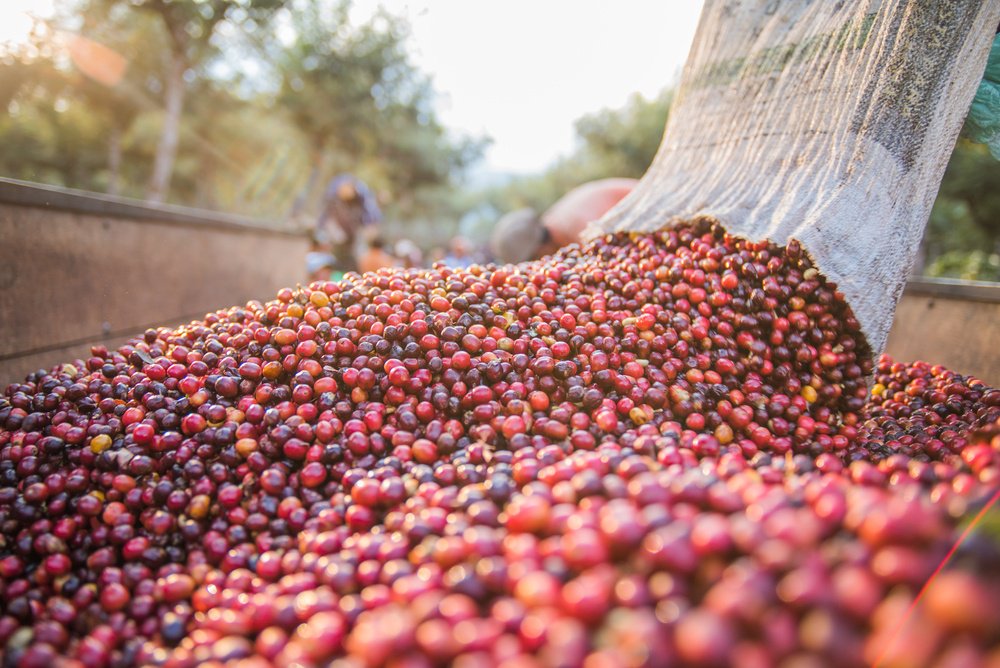
Most Little Blue Mountain coffee in Papua New Guinea is processed using the washed method, which preserves the original fruitiness and clear acidity of the coffee cherry to the greatest extent. The general process includes: harvesting fully ripe coffee cherries and immediately sending them to the estate’s washing station, where they undergo three rounds of approximately 24-hour washed fermentation, with fresh water changes to control fermentation flavors; afterward, the pulp and outer layers are removed, followed by strict grading based on size and density, ultimately producing high-quality green beans such as Grades AA, AB, or PB. This processing method imparts bright fruit acidity, delicate sweetness, and a long-lasting aftertaste, which are key factors behind the clear and captivating Little Blue Mountain flavors.
In summary, Papua New Guinea’s Little Blue Mountain coffee, with its unique geographical background, Typica variety traits, and refined washed processing, creates a captivating flavor profile that combines fruitiness, acidity, and sweetness. For coffee lovers who enjoy Blue Mountain-style coffee or wish to explore high-altitude, high-brightness flavor profiles, this specialty bean from the South Pacific is definitely worth adding to your try list.
The above content is compiled by CoffeeHunters, a coffee news website.


