







Introduction:Indonesian Mandheling coffee is renowned for its full-bodied, mellow flavor and distinctive herbal aroma, making it a key player in the global specialty coffee market. This article delves into the regional characteristics, varieties, and processing methods of Sumatran Lintong, the Gayo Highlands, and Golden Mandheling. It also provides expert-level pour over recommendations and flavor profiles to help you—from novice to connoisseur—find your ideal Mandheling coffee experience.
As one of Asia’s most iconic coffees, Indonesian Mandheling has earned global acclaim for its rich, bold taste and unique herbal, woody notes. Whether you’re just starting out or an experienced coffee enthusiast, you can discover a distinct coffee culture and regional character through this exceptional brew.
Mandheling coffee is not actually a single variety, but rather a collective term for beans sourced from specific regions of Sumatra, Indonesia, including Lintong, the Gayo Highlands, and carefully selected Golden Mandheling. Most of these coffees are processed using the wet-hulled method, which contributes to their unique flavor profile and solid body structure.
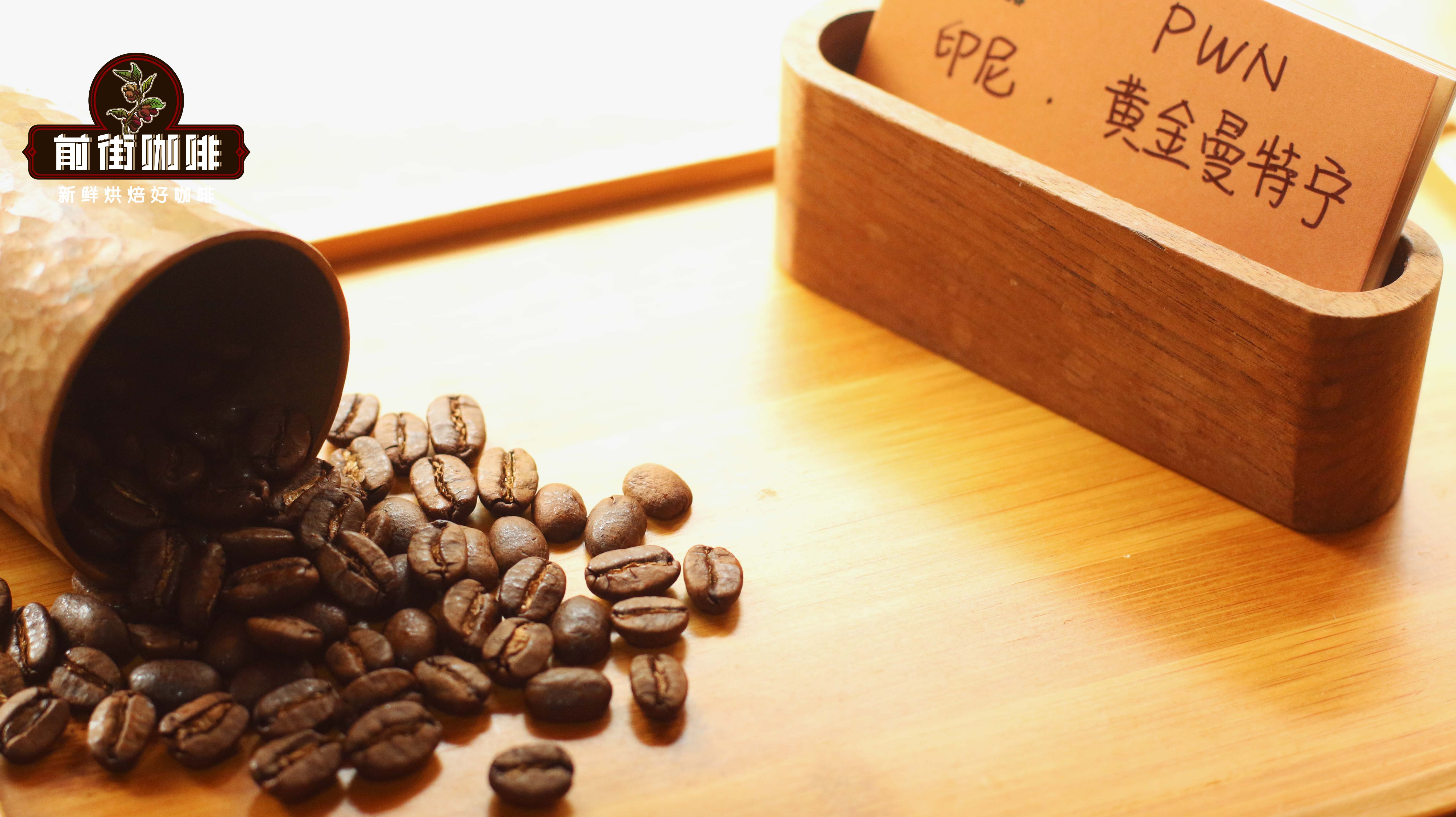
Sumatra is one of Indonesia’s primary coffee-producing regions. Aside from a small portion of Robusta, its Arabica coffee is mainly grown in the highland areas of the north, such as Lintong and the Gayo Highlands. Lintong’s coffee is cultivated in volcanic soil at high altitudes, mostly by smallholder farmers who avoid chemical fertilizers, showcasing the pure flavors of natural farming practices.
In contrast, the Gayo Highlands, located in Aceh Province, sit between 1,500 and 2,500 meters above sea level, and are currently one of Sumatra’s highest-quality Arabica producing areas. The region is cultivated by the indigenous Gayo people and is known for organic farming. The fertile soil and abundant water supply—bolstered by stable irrigation from Lake Tawar—result in coffee that often exhibits pronounced notes of nuts, spices, and caramel. This area is also the main source of Golden Mandheling.

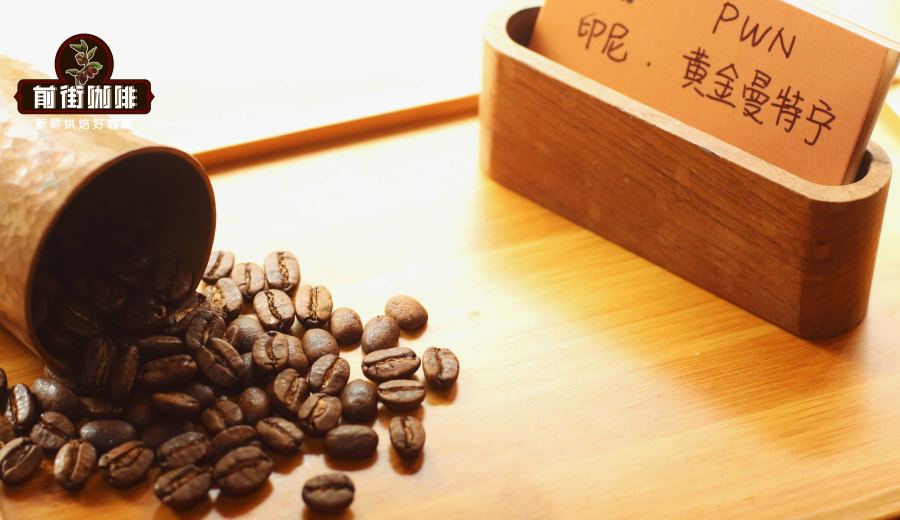
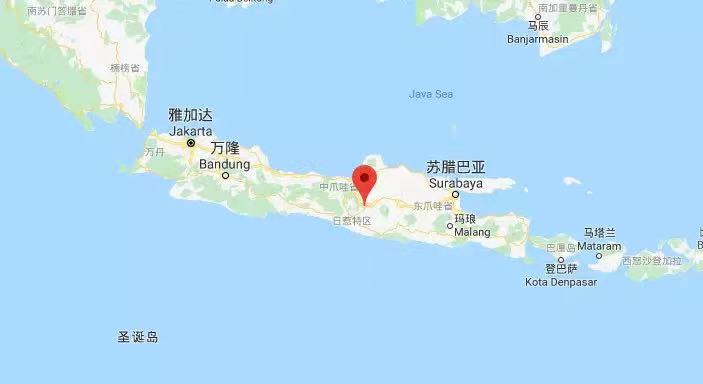
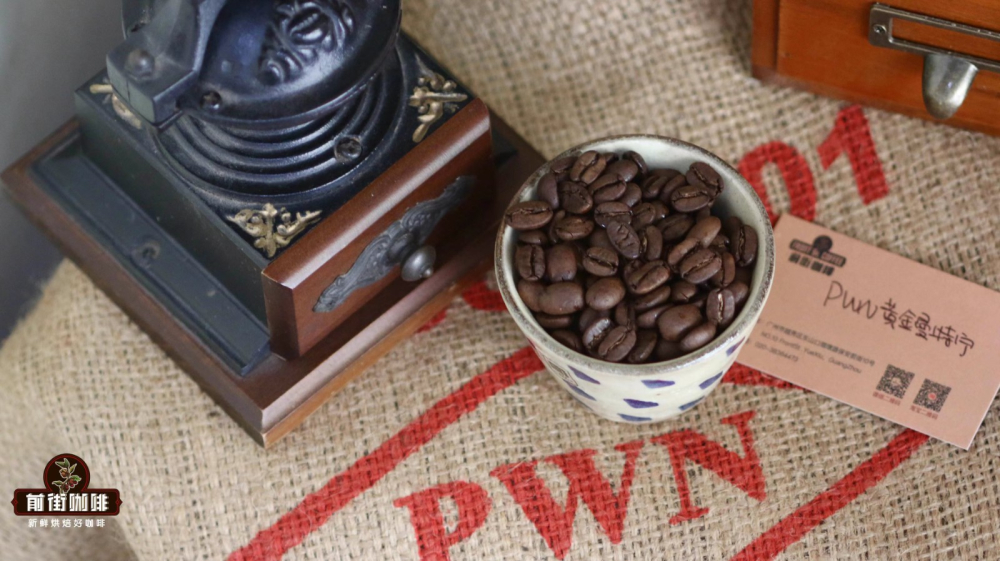
When talking about Mandheling, one cannot overlook "Golden Mandheling." However, this is not the name of a coffee origin or variety, but rather a trademark registered by Indonesia’s Pwani Coffee Company (PWN). Established in 1957, PWN was among the first Indonesian companies focused on exporting high-quality Arabica coffee, and it built a strong reputation especially in the Japanese market. Golden Mandheling beans must meet strict selection criteria: only G1 grade beans with a size of 19 mesh or larger are chosen, and they undergo at least three rounds of manual sorting. No more than three defects are allowed per 300 grams of green beans, ensuring the beans are uniform in appearance, deep green in color, and have minimal flaws.
Since counterfeit or uncertified "Golden Mandheling" is common in the market, consumers should check for official PWN certification or reliable sourcing to ensure they are enjoying a truly premium product.
Indonesian coffee grading is based on the ratio of defective beans and the number of hand-sorting rounds, divided into five grades from G1 to G5, with G1 being the highest. Beyond the general G1–G5 grading, the Sumatra region further categorizes coffee based on origin and processing traits, including types such as Lintong Mandheling, Golden Mandheling, Lake Tawar Coffee, and Aged Mandheling. Among them, Lintong Mandheling is known for its full body, low acidity, and herbal, woody aromas, while Golden Mandheling excels in overall cleanliness and fine flavor detail.
The main coffee varieties used for Mandheling include Ateng and TimTim. The former is a variant of Catimor, while the latter is a Timor variety with Robusta lineage. Due to their Robusta genes, these varieties have limited aromatic development in high-altitude environments, but this gives rise to intense herbal, spicy, and earthy tones, forming the unique personality that distinguishes Mandheling from other origins.
Indonesia’s unique wet-hulled method (Giling Basah) is the essence of its coffee processing. Developed in response to the region’s humid, hot climate and frequent rainfall, this method differs significantly from washed or natural processes. First, after the coffee cherries are depulped, they undergo around three hours of fermentation, followed by initial drying to reduce moisture content to 30–50%. At this semi-dry stage, the parchment layer and mucilage are removed before the beans continue drying to a final moisture level of 12–13%.
While this process greatly improves efficiency, removing the parchment while still moist can damage the bean surface, leading to characteristic chips and defects. Therefore, pre-export green beans undergo rigorous hand sorting to maintain quality stability. This processing method directly contributes to Mandheling’s bold, full-bodied, low-acid profile with a heavy body and distinctive earthy, woody aromas.
If you want to brew Mandheling at home to achieve its best performance, here are expert-level recommendations: Use freshly roasted coffee beans, ideally within 5 to 21 days post-roast. Before brewing, allow the beans to degas for about 4 to 7 days to achieve a more balanced flavor.
It is recommended to use a Kono filter cone, whose low rib design reduces airflow and extends contact time between water and coffee grounds, helping to enhance body. Specific parameters are as follows: water temperature at 88°C, 15 grams of coffee, a 1:15 coffee-to-water ratio, and a medium-fine grind (approximately 75% passing through a #20 sieve). Start with a 30-second bloom using 30 grams of water, then pour in stages to reach 125 grams and 225 grams. Total brew time is around 2 minutes. This setup fully highlights Mandheling’s notes of nuts, caramel, and chocolate, with a long, balanced finish.
In summary, Lintong Mandheling stands out with its robust herbal and dark chocolate profile, making it ideal for beginner coffee lovers, while Golden Mandheling appeals to more advanced enthusiasts with its higher clarity, delicate nuttiness, and well-balanced acidity and sweetness. No matter which style you prefer, Sumatran Mandheling offers a rich and layered flavor journey, and serves as a great entry point into exploring Southeast Asian coffee terroirs.
The above content is compiled by CoffeeHunters, a coffee news website.


