







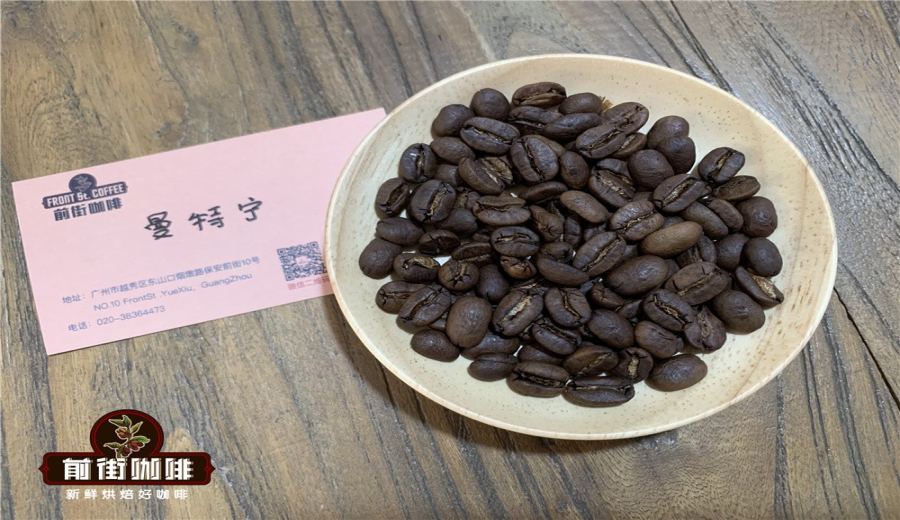
Introduction:Indonesian Mandheling coffee is renowned for its full-bodied flavor and unique spicy notes, making it one of the representatives of Asian coffee. This article delves into its etymological origins, the terroir characteristics of Sumatra’s two core producing regions, the evolution of the Typica and Catimor varieties, as well as the crucial wet-hulling processing method. It also provides practical pour over recommendations and flavor analysis to help coffee enthusiasts gain a deeper understanding of this classic bean variety.
Among the many Indonesian coffees, Mandheling is undoubtedly one of the most representative, known for its low acidity, full body, and rich aromas of herbs, nuts, and caramel. However, this widely known coffee name actually stems from a language misunderstanding during World War II, and is not the name of a producing region or variety. Instead, it originated from the mispronunciation of “Mandailing,” an indigenous ethnic group in Sumatra. This misunderstanding gave rise to a classic coffee that transcends borders.
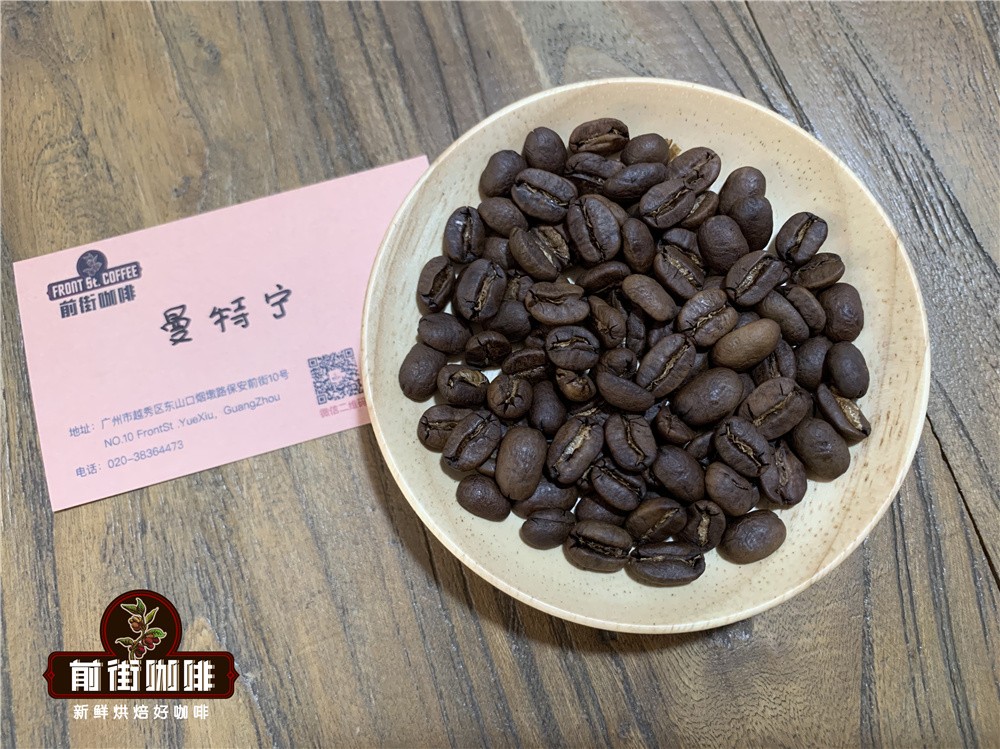
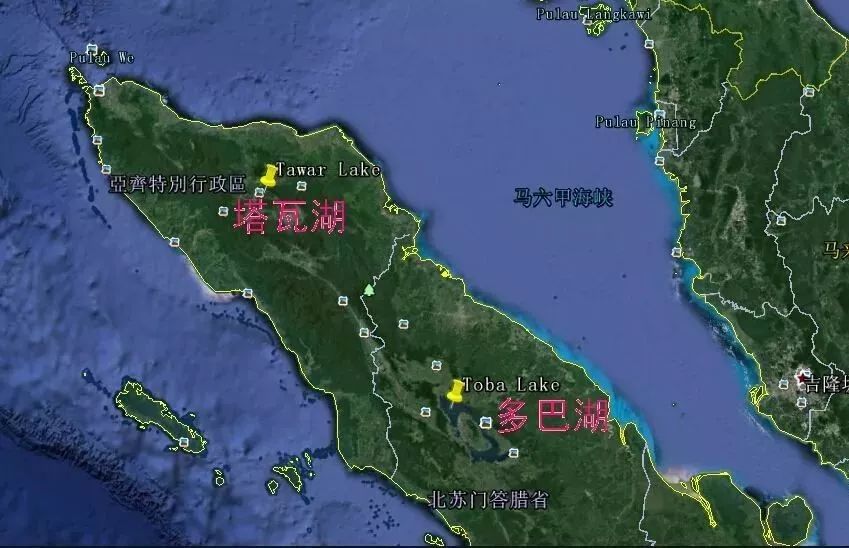
As a globally significant coffee-producing country, Indonesia boasts exceptional geographical conditions: the equator runs through it, there are numerous volcanoes, the soil is fertile, and the climate is favorable, making it an important origin for both Arabica and Robusta. Mandheling coffee is mainly produced in the northern part of Indonesia’s western Sumatra Island, particularly in Aceh and North Sumatra Provinces. Among them, two well-known producing areas—Lintong and the area around Lake Tawar—are respectively celebrated for their distinct flavor profiles and planting traditions.
Lintong is located on the southwestern side of Lake Toba, at an altitude of about 1,000 to 1,500 meters. It is surrounded by volcanic terrain, and its mineral-rich soil, combined with the abundant rainfall brought by the tropical rainforest climate, contributes to the bold and layered characteristics of Mandheling coffee. Lake Toba, the world’s largest volcanic lake and Indonesia’s largest freshwater lake, enjoys stable temperatures averaging around 22°C year-round, making it extremely suitable for coffee cultivation. The Lake Tawar area, on the other hand, influenced by the Gayo Mountain range, generally sits at altitudes above 1,500 meters with a cooler climate, and is an important growing region for the Typica variety, often yielding more consistently high-quality beans.
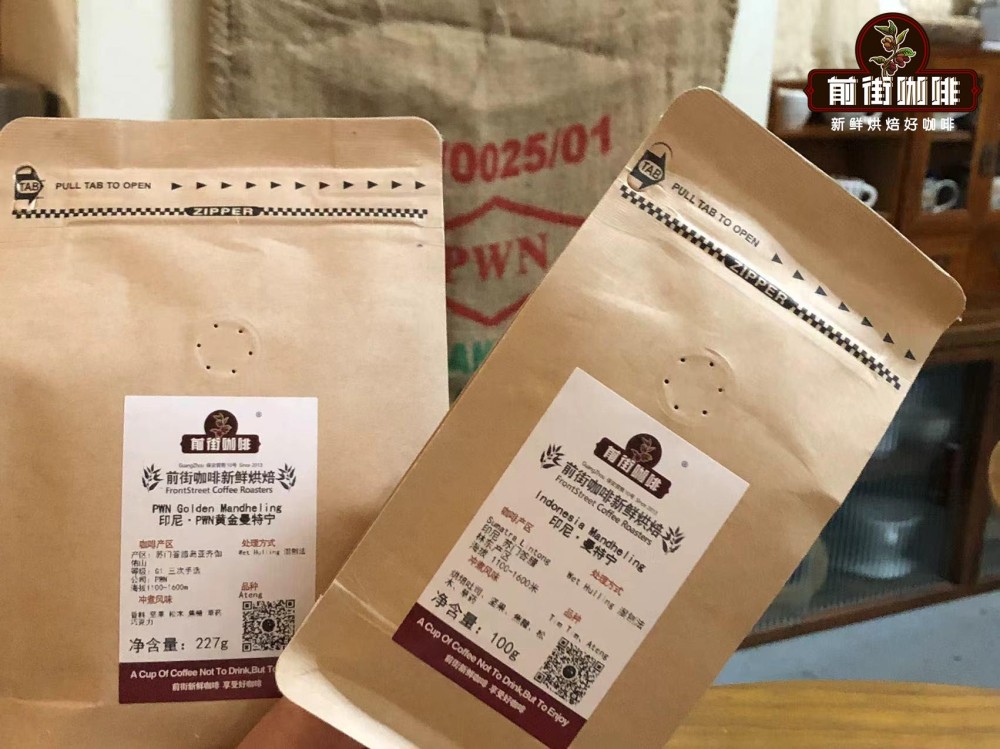
Lintong Mandheling has always been known for its bold flavor and spicy, herbal notes. Although some areas have switched to new varieties in pursuit of higher yields, leading to less stable flavors than in the past, the region as a whole still retains the heavy and complex characteristics typical of Sumatran coffee. In contrast, the Lake Tawar region in Aceh Province, with its long history of cultivating traditional Typica and more ideal geographic conditions, often produces coffee with greater complexity and finer nuances. Though exports were once affected by political instability, they gradually recovered after the 2005 tsunami, returning to the specialty coffee stage.
When talking about Mandheling, one cannot overlook its most iconic processing method—the wet-hulling process (Giling Basah). Indonesia’s equatorial location, with its year-round high temperatures and frequent rainfall, is not conducive to sun-drying methods commonly used in Africa, nor does it allow for lengthy drying processes. As a result, the region developed the unique wet-hulling method, which significantly shortens processing time and shapes the low-acid, full-bodied profile characteristic of Mandheling.
The processing procedure is as follows: first, the coffee cherry’s skin is removed. After an overnight fermentation, the pulp is washed away with clean water, leaving the parchment-covered beans with a rough surface. Next comes the critical “semi-drying” stage, where moisture content is typically reduced to around 30%–50%. At this point, the beans are still semi-soft, and a special machine is used to remove the not yet fully dried parchment layer. Since the beans haven’t completely hardened yet, this step can easily cause the beans to deform in appearance, even developing the so-called “elephant foot” shape—an entirely normal phenomenon, not a defect. Finally, the beans are dried further until their moisture content reaches 12%, ready for storage and export.
The most distinctive feature of the wet-hulling method is the removal of the parchment layer midway through processing, exposing the coffee to air before it is fully dry. This effectively lowers acidity while enhancing the body’s richness and sweetness—key reasons why Mandheling’s flavor profile is so pronounced and easily recognizable. Compared to the washed process, although wet-hulled beans may appear less uniform in shape, they offer a bolder, denser body, making them highly favored by those who prefer dark roasts and heavier mouthfeel.
In terms of variety, the earliest Mandheling plantings were of the Arabica Typica variety—a historically significant cultivar with high quality potential but also demanding environmental requirements, prone to leaf rust and with relatively low yields. After the leaf rust epidemic in the late 19th century, many producing areas shifted to more disease-resistant varieties such as Catimor, a hybrid of Catuaí and Timor. While Catimor is considered to have a somewhat rougher flavor profile in certain regions, in Sumatra’s unique environment, it can exhibit distinctive woody tones and a full-bodied taste.
In addition to Catimor, Indonesia has also introduced other disease-resistant varieties including Robusta, Tim Tim, and Ateng. Typica is mainly concentrated in the high-altitude regions around Lake Toba and Lintong, and remains highly sought after by many specialty coffee enthusiasts. Different varieties each bring their own unique flavor expressions, but all benefit from Sumatra’s distinctive processing methods and terroir, resulting in intense and character-rich coffee profiles.
For pour over brewing of Mandheling, given its dense and hard bean texture, it is recommended to use a medium-coarse grind (such as a 75% pass rate through a Chinese standard No. 20 sieve), and to slightly lower the water temperature to around 88°C to avoid over-extraction, which can lead to prominent bitterness. The KONO filter cone is recommended for its unique structure that extends the contact time between water and coffee grounds, improving extraction uniformity and concentration—ideal for highlighting Mandheling’s body and aromatic layers.
Specifically, it is suggested to use 15 grams of coffee, with a 1:15 coffee-to-water ratio. Begin with a 30-second bloom using 30 grams of water, then proceed with a two-step pour-up to 125 grams and 225 grams, keeping the total brew time around 2 minutes. This parameter setup effectively brings out Mandheling’s spicy, chocolatey, and caramel notes, while minimizing any negative flavors from over-extraction.
In summary, Indonesian Mandheling coffee, with its unique linguistic background, complex regional terroirs, classic wet-hulling process, and bold, full-bodied flavor, stands as a must-try classic for coffee lovers worldwide. Whether it’s the herbal, nutty notes of Lintong Mandheling or the cleaner, more refined taste of Golden Mandheling—selected through a four-step process—it offers a profound and memorable tasting experience.
The above content is compiled by CoffeeHunters, a coffee news website.


