







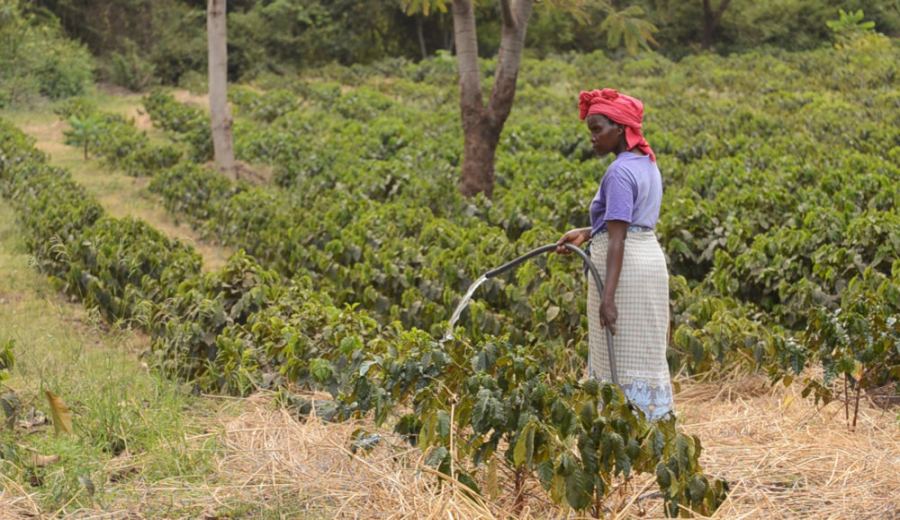
Introduction:Although Tanzania is not one of the world’s most famous coffee-producing countries, the Typica variety grown in the Kilimanjaro region produces coffee beans with remarkable complexity—showcasing citrus, berry, and tea-like flavors—thanks to its washed processing method and strict AA-grade classification system. This article delves into the geographical conditions, variety characteristics, processing techniques, and grading system of this region, while also providing practical pour-over parameters and roasting suggestions to help coffee enthusiasts fully appreciate this “refined coffee from the Roof of Africa.”
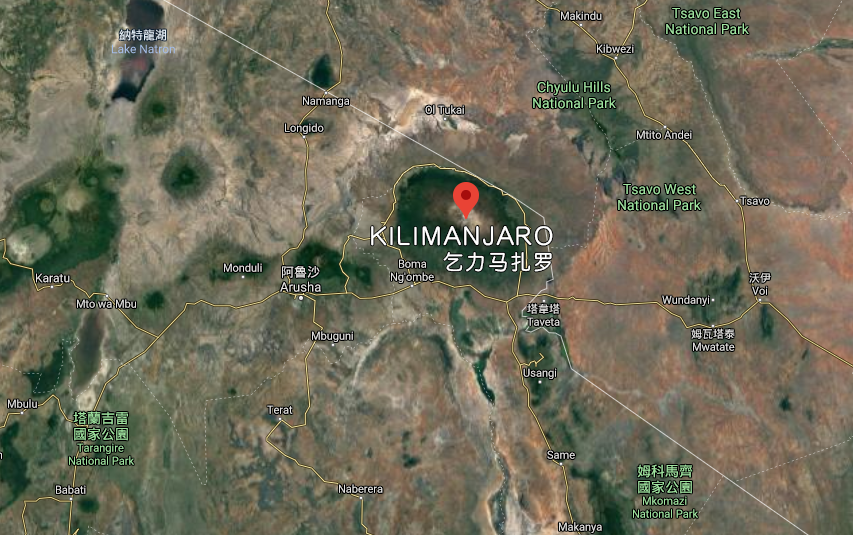
Though Tanzania may not be as well-known globally in the coffee scene as Ethiopia or Colombia, its high-altitude Kilimanjaro region produces exceptionally high-quality coffee beans. As Africa’s highest peak located near the equator, Kilimanjaro rises nearly 6,000 meters, and its volcanic soils at the foothills are rich in minerals. Coupled with significant day-night temperature variations, these factors contribute to the fine texture and bright yet gentle acidity of the beans. The Kilimanjaro coffee introduced here is based on the classic Typica variety, processed via the washed method, and rigorously selected under the AA grade, offering an excellent balance of citrus, berries, and tea notes.
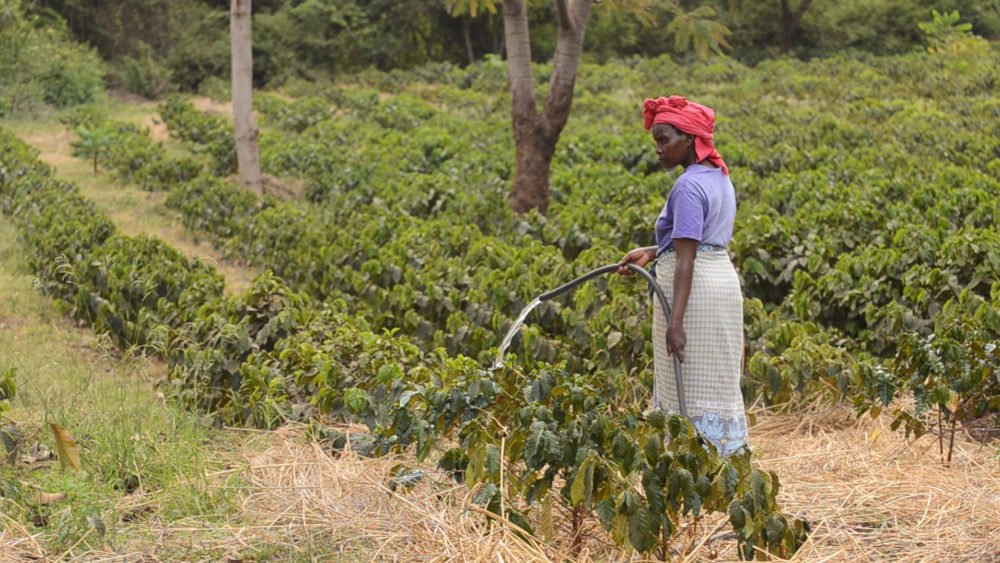
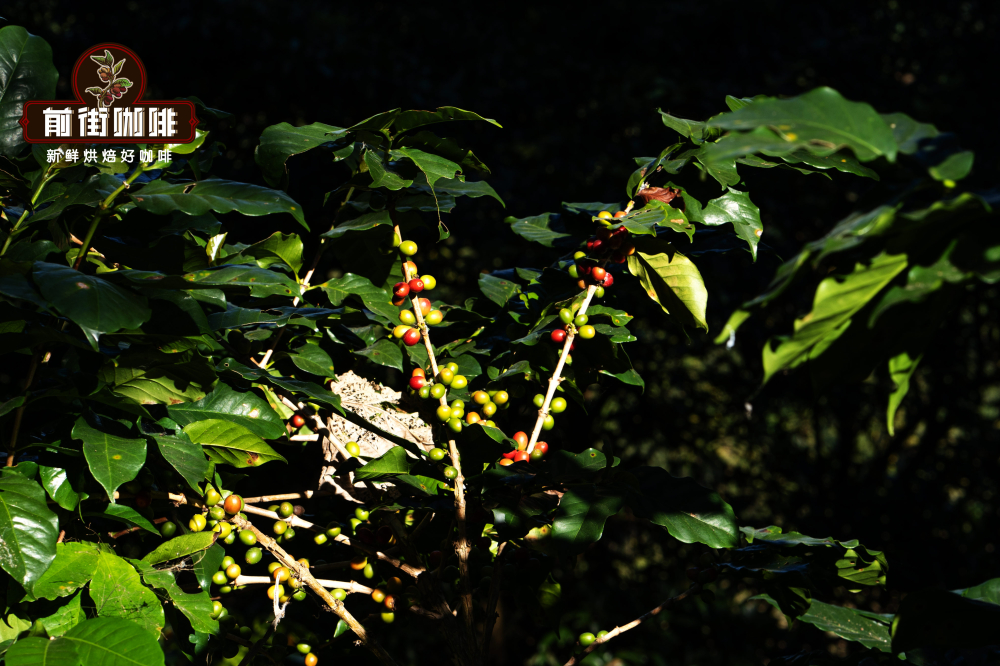
Kilimanjaro is not only a landmark of Tanzania but also one of its major coffee-growing regions, alongside Arusha. Its unique geographical advantages allow coffee trees planted here to enjoy abundant sunshine and cool alpine climates. Most coffee trees are cultivated at altitudes between 1,300 and 2,000 meters, with soils being nutrient-rich volcanic ash—conditions that together create the distinctive terroir flavor of Kilimanjaro coffee. Moreover, some areas have coffee trees over a century old. Thanks to long-term adaptation and careful human care, the beans produced have greater depth and complexity.
The history of coffee cultivation on Mount Kilimanjaro dates back several hundred years, when missionaries first introduced coffee seedlings from neighboring Kenya. Due to the high altitude and special microclimate, growers need to invest more effort in care, including regular weeding, fertilization, and pruning of old branches to ensure the maturity and quality of the coffee cherries. Especially during the washed processing phase, Tanzanian processing facilities are generally equipped with comprehensive fermentation and washing facilities, which effectively enhance the cleanliness and flavor purity of the coffee.
Coffee from the Kilimanjaro region carries a refreshing fruity aroma originating from the high mountains, along with subtle hints of peach and honey sweetness. Such coffees are typically suitable for blending but can also be savored as single-origin offerings. The growing area of Moshi, where it originates, lies at an altitude between three thousand and six thousand feet (approximately 900 to 1,800 meters)—the golden zone for coffee growth. The nourishment of volcanic ash gives the beans not only bright acidity but also a rich, full-bodied mouthfeel and delicate aftertaste.
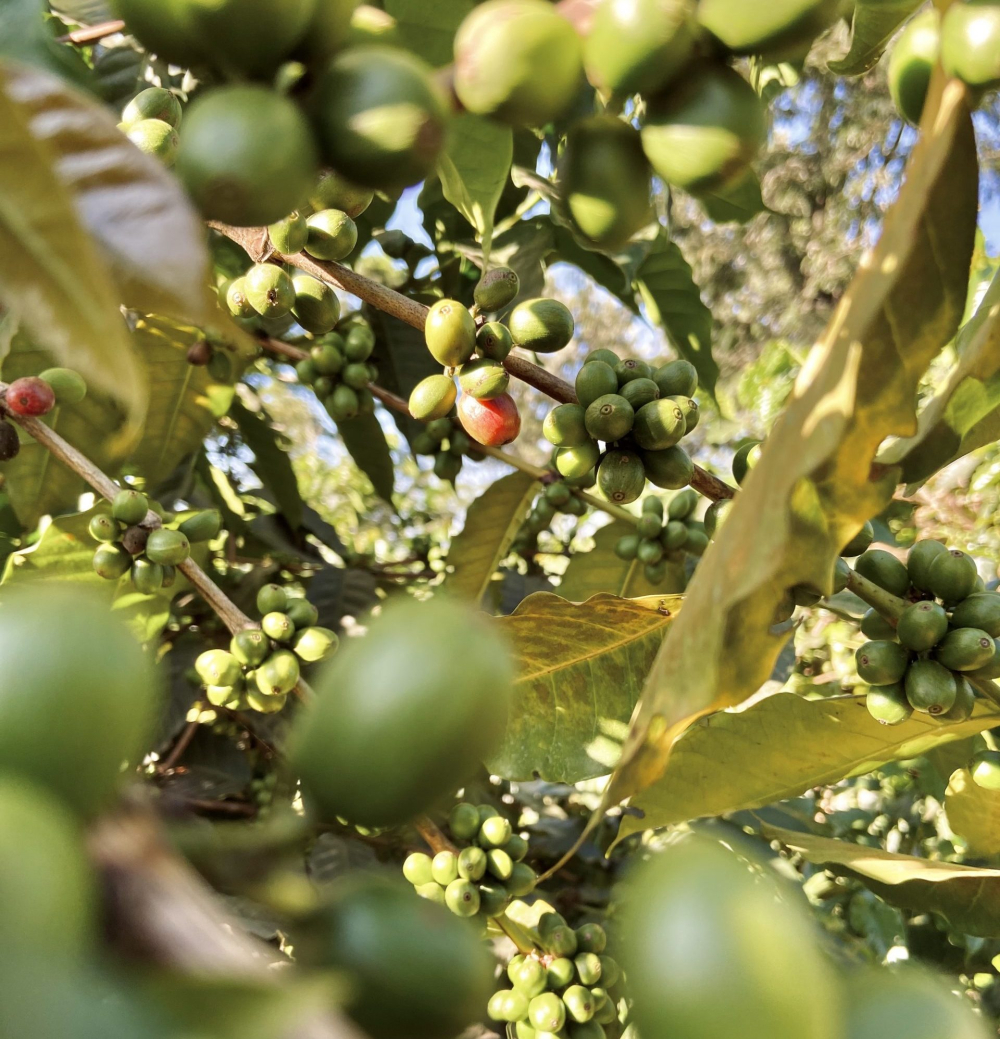
Kilimanjaro AA represents the highest grade of coffee beans from this region. It is graded by bean size and falls into one of the largest size categories. Beans of this grade are not only plump and uniform in appearance but also relatively outstanding in flavor performance, with balanced sweetness and acidity and distinct layers, often regarded as the most representative single-origin coffee exhibiting “African flavors.” It has high clarity and pronounced aromas. Upon tasting, one can often perceive a clear citrus note, followed by the sweetness of berries and a tea-like aftertaste that lingers delightfully.
The Typica variety used in this coffee is one of the earliest and most widely cultivated original Arabica varieties. Typica coffee trees are tall and slender, often exceeding 5 meters in height, with leaves that often have a bronze hue at the tips. The coffee beans are slender and pointed at both ends, resembling the shape of an egg. This variety typically features bright citrus acidity and a soft sweet finish, delivering a clear and elegant flavor. However, due to their tall stature, making them difficult to harvest, and their susceptibility to diseases such as leaf rust, yields are relatively low. Therefore, cultivating Typica requires more labor and technical input, which also makes it a classic in the hearts of many specialty coffee enthusiasts.
In terms of processing methods, coffee from Kilimanjaro in Tanzania primarily uses the washed process, which can effectively enhance the clarity and flavor expression of the coffee. The specific procedure includes: first removing unripe cherries and impurities, then stripping the pulp and outer skin of the coffee cherry, followed by placing the mucilage-covered beans into fermentation tanks where microbial action breaks down the pectin layer. Finally, multiple rinses and thorough drying ensure stable moisture content in the beans, laying a solid foundation for subsequent roasting.
Similar to Kenya, Tanzania also grades coffee beans based on size, using standard sieves to categorize beans into different grades. Among them,AA Graderepresents the largest beans, with sieve sizes of 17–18 (approximately 7.20 mm), and is recognized in the market as a high-quality grade;AB Gradehas beans sized 15–16 (approximately 6.8 mm–6.2 mm), considered a step below but still offering good flavor;PB Gradeconsists of peaberry beans, which make up about 10% of the total, often exhibiting intense flavors due to their higher density;C Gradeincludes smaller beans sized 12–14 (approximately 4.8 mm–5.6 mm).
Regarding roasting and brewing, Kilimanjaro AA-grade Typica beans are best suited for medium-light roasting to preserve their bright acidity and complex fruit aroma layers. The recommended roasting curve is: charge temperature at 170°C, yellowing point at around 6 minutes 30 seconds and 150.8°C, first crack starting at 10 minutes 6 seconds and 182.7°C, with development ending about 1 minute 45 seconds later at 193°C. This level of roasting fully showcases the delicate balance of its citrus, berry, and tea flavors.
For pour-over, it is recommended to use a V60 dripper, with a coffee-to-water ratio set at 1:15, water temperature controlled at 91°C, and grind size adjusted to approximately medium-fine on the EK43s grinder (around setting 10). The specific brewing steps are as follows: begin with a 30-second bloom using 30 grams of hot water, then pour in a circular motion up to 125 grams. When the water level drops halfway, add another 225 grams, for a total yield of 380 grams. The total brew time should be around 2 minutes 30 seconds to 3 minutes. These parameters fully highlight the bean’s balanced sweet and acidic profile along with its tea-like aftertaste.
Cupping results show that this coffee has caramel-like dry fragrance, while the wet aroma reveals a fresh berry character. Upon tasting, a distinct citrus acidity is immediately apparent, followed by the sweetness of berries interwoven with the smooth texture akin to tea, resulting in an overall refreshing and layered profile. The aftertaste carries a hint of honey-like sweetness, making it very suitable for coffee lovers who enjoy fruity acidity and refined textures.

In summary, Tanzania’s Kilimanjaro AA Typica coffee, with its unique terroir environment, traditional washed processing, and strict grade selection, showcases the distinctive highland flavors of Africa. Whether enjoyed as a single-origin cup or used as a practice bean for refining pour-over techniques, it offers a highly referential coffee experience.
The above content is compiled by CoffeeHunters, a coffee news website.


