







Introduction:Are you confused by terms like cold drip, cold brew, and ice steeping among these low-temperature extraction methods? This article breaks down the principles and history of the three major cold extraction techniques in an easy-to-understand way. Starting with the classification of immersion and drip filtration methods, it explores the origins of Dutch coffee and the evolution of Japanese cold drip brewers. We also recommend five distinctive medium-to-light roasted beans—including Yirgacheffe, Kenya, and Flower Dance—for different techniques, helping you choose the right beans and master the key details of cold brew coffee.
In the world of iced coffee, there are many terms that can be easily confused: cold brew, cold drip, ice steeping, cold soak, Dutch coffee, Kyoto coffee, etc. Though these terms may sound similar, their processes and flavor profiles vary significantly. This article starts with the broad definition of cold brew coffee, then delves into the two main low-temperature extraction methods—immersion and drip filtration—to help you understand the connection between cold drip and Dutch coffee, the design inspiration behind Hana Fusa’s three-tiered cold drip brewer, and the aging process represented by the term "ice steeping." Additionally, we recommend five specialty coffee beans ideal for low-temperature extraction, sourced from Ethiopia, Kenya, Panama, and Costa Rica. We detail each bean’s altitude, variety, and processing method, and analyze how medium-to-light roasts uniquely express themselves in cold brew.
One of the most common challenges for beginners in pour over or cold brew is not the technique itself, but the confusion over terminology. For example, searching “cold brew coffee” might yield results for cold drip, ice steeping, Dutch coffee, and more—even with overlapping or conflicting definitions. In fact, the term “cold brew coffee” comes from the English phrase “Cold Brew Coffee.” Broadly speaking, any black coffee made by extracting ground coffee with cold water over an extended period falls under this category. Whether using immersion or drip methods, as long as the extraction environment remains cool, it can be considered cold brew.
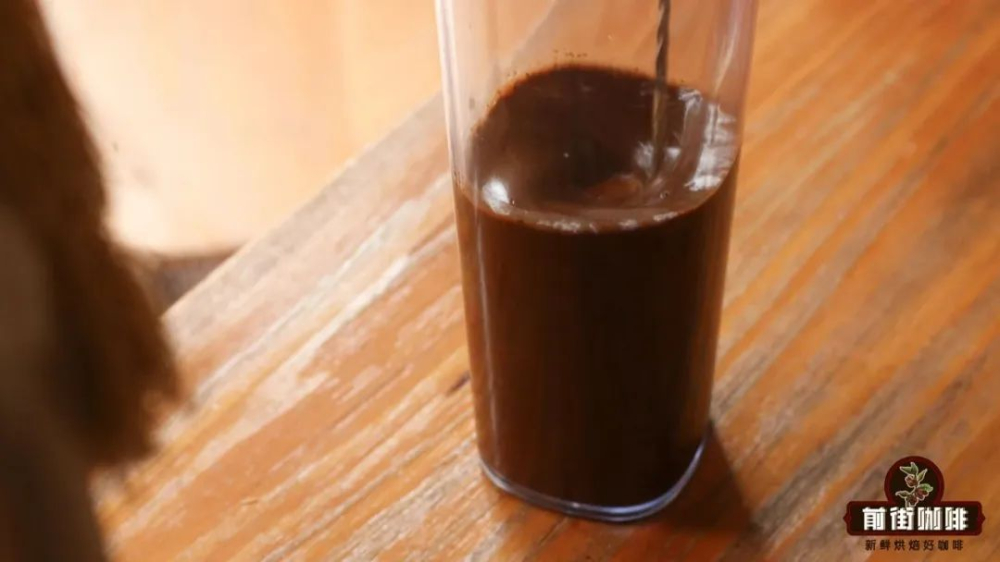
In everyday usage, “cold brew coffee” usually refers to the immersion method—steeping coffee grounds in cold water for several hours, also known as cold soaking. The typical approach involves mixing room temperature or chilled water with coffee grounds, placing the mixture in the fridge for 12–24 hours, and then filtering out the grounds. This method has a low barrier to entry, works with most coffee varieties, and is a staple option for many cafes and home users.
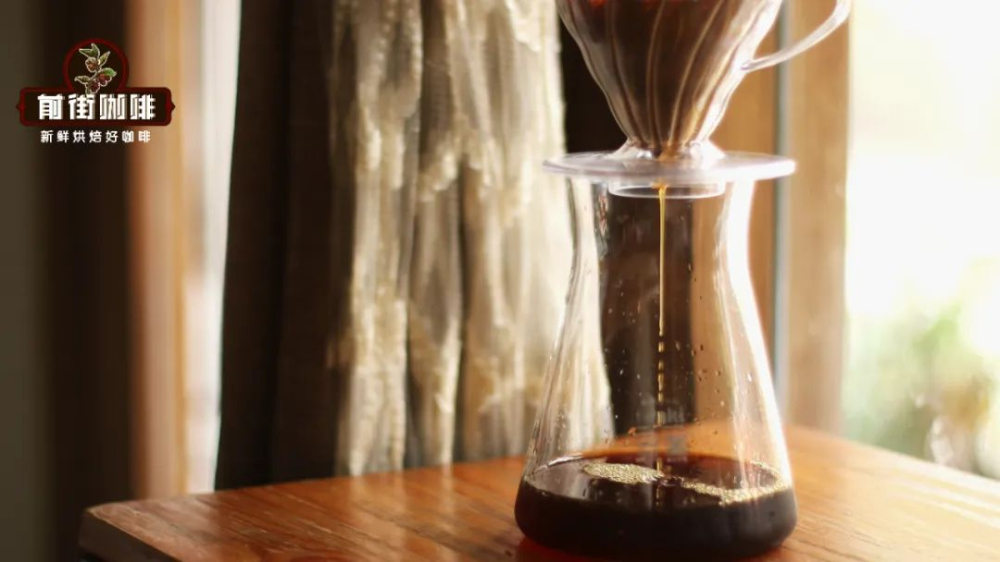
Compared to static immersion, drip filtration-based low-temperature extraction is best represented by cold drip. This technique uses slowly melting ice to drip water drop by drop through a bed of coffee grounds, extracting flavor over several hours or even more than ten hours. The resulting coffee is usually clear and transparent, with a cleaner, more refreshing, and layered flavor profile. Interestingly, in many English-language resources, cold drip is not commonly referred to as “Ice Drip Coffee,” but rather as “Dutch Coffee.” It’s said this name originated in the 17th century when Dutch sailors, aiming to extend the shelf life of coffee during long voyages, soaked coffee grounds in cold water. They discovered this method reduced bitterness, made the coffee easier to carry, and improved storage. While the true origin is hard to verify, this cold extraction technique later spread to Japan, where it was refined by the founder of Kyoto’s Hana Fusa coffee shop and chemistry students, eventually gaining widespread acclaim.
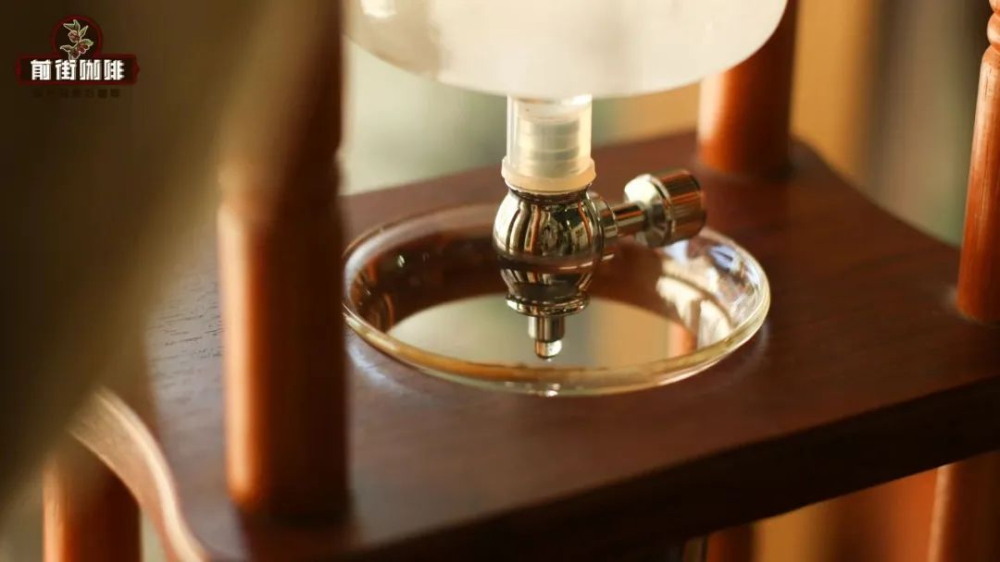
In the mid-19th century, Kyoto’s Hana Fusa (花房) introduced the then-current cold extraction technology and, together with chemistry students, developed a three-tiered, tower-like cold drip device. Leveraging gravity and valve control, it allowed melted ice water to steadily drip and slowly, evenly extract coffee grounds. Not only was the device technically ingenious, but its appearance was also regarded as a work of art. It became the prototype for various cold drip brewers later launched by brands such as HARIO, KINTO, and Kalita. As Japanese brands went global, these devices gradually made their way to Europe and were referred to in Western markets as “Kyoto Coffee,” emphasizing their Japanese craftsmanship and aesthetic.
As for the term “ice steeping coffee,” its definition in the market is rather vague—not only do different shops explain it differently, but there are also few clear records about its origin. Some consumers think ice steeping is the same as cold drip, while others assume it’s just another term for cold soak. In this article, we interpret ice steeping as the “aging stage” after low-temperature extraction—that is, sealing and letting the finished cold drip or cold soak coffee sit undisturbed for several hours to a day, allowing the flavor compounds to further meld and ferment, resulting in a rounder, deeper taste, somewhat akin to the fermentation process in winemaking. Therefore, whether you use cold drip or cold soak, as long as you let it rest and age for a period, it can be classified as ice steeping coffee.
With an understanding of the differences among these three cold extraction methods, choosing the right coffee beans becomes even more critical to the final flavor outcome. Since low-temperature extraction highlights the sweetness and fruit acidity of coffee, it’s recommended to select medium-to-light roasted beans. This not only avoids excessive astringency or off-flavors but also showcases a fresher, more nuanced profile. Below are five specialty coffee beans recommended for low-temperature extraction, all from popular regions, complete with detailed parameters and flavor descriptions:
1. Yirgacheffe Red Cherry Natural Coffee Beans
Origin: Yirgacheffe, Ethiopia
Elevation: 1700–2200 meters
Variety: Local heirloom
Processing: Natural
Flavor: Prominent notes of berries, honey, and citrus; bright acidity—ideal for cold brew lovers who enjoy fruity and sweet profiles.
2. Kenya Little Tomato Coffee Beans
Region: Kiambu, Kenya
Mill: Asali
Elevation: 1550–1750 meters
Variety: SL28, SL34
Processing: K72 washed
Flavor: Features distinct notes of cherry tomato, dark plum, and honey; vibrant acidity with a structured body, offering layers of complexity after cold brew.
3. Panama Flower Dance Coffee Beans
Region: Boquete, Panama
Elevation: 1600 meters
Variety: 70% Geisha + Catuai, Caturra
Processing: Washed
Flavor: Bright notes of citrus, floral, and oolong tea; clean and refreshing taste—perfect for cold drip enthusiasts who enjoy complex profiles.
4. Costa Rica Mozart Coffee Beans
Region: Tarrazú, Costa Rica
Farm: Canet Estate
Elevation: 1980 meters
Variety: H1
Processing: Raisin honey
Flavor: Offers raisin sweetness and white floral notes; smooth mouthfeel—suited for those seeking sweetness and body in ice steeping.
5. Strawberry Sugar Geisha Blend Coffee Beans
Region: Panama + Costa Rica
Farms: Boquete + Tarrazú
Elevation: 1500–1800 meters
Variety: Geisha, Catuai, Caturra
Processing: Washed + honey
Flavor: Combines Geisha’s delicate floral notes with the sweetness of honey processing—suitable for various brewing methods including cold drip, cold soak, and pour over.
Overall, low-temperature extraction is not just a method of making coffee—it’s a journey of flavor exploration. Whether you prefer the clarity of cold drip, the body of cold soak, or the aged complexity of ice steeping, mastering bean selection and extraction details will allow you to enjoy a uniquely flavorful cold brew, especially in the summer heat. Now, go ahead and experiment to find your favorite combination!
The above content is compiled by CoffeeHunters, a coffee news website.


