







Introduction:Panamanian Geisha coffee is renowned for its high price and unique flavor profile, but is its often thousand-yuan price tag really worth it? This article delves into the variety’s background, growing conditions, and flavor characteristics to help you understand the rationale behind its cost, while also recommending cost-effective entry-level options. Whether you’re looking to try something new or gain a deeper understanding, this guide will help you make an informed choice.
When it comes to Geisha, many people immediately think of sky-high auction prices and astonishing floral-fruity aromas. This coffee variety, originating from Ethiopia, has carved out a niche in the global specialty coffee market thanks to its distinctive aromatic profile and balanced acidity and sweetness. But why is its price always so high? Is it market hype or genuine quality? This article will break down the value of Panamanian Geisha from aspects such as its varietal origins, cultivation environment, and flavor features, and offer practical purchasing advice.

Geisha is extremely particular about its growing environment. It requires high altitudes, significant day-night temperature variations, fertile and well-drained soil, as well as careful cultivation and harvesting management to develop its signature flavors. Generally speaking, the ideal growing altitude ranges between 1,400 and 2,000 meters. Such an environment helps the coffee cherries ripen slowly, accumulating richer sugars and complex flavor compounds. In addition, moderate shading can protect the coffee trees from intense sunlight, reducing the risk of leaf scorch and further stabilizing green bean quality.
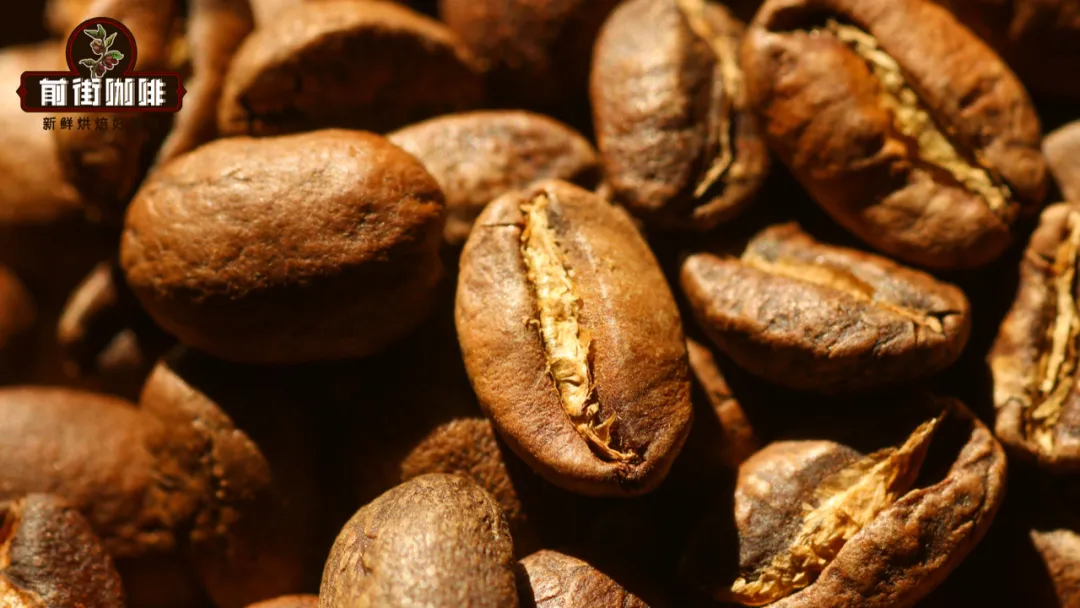
In terms of appearance, Geisha beans are noticeably more slender than regular coffee beans, taking on an elongated oval shape with pointed ends and a plump center. Compared to common varieties like Typica or Catuai, Geisha beans are more elongated, which is one of the identifying characteristics of the variety. This shape also allows for more even heat distribution during roasting, contributing to consistent flavor expression.
When it comes to flavor, what’s most captivating about Geisha is its elegant floral notes and distinct citrus character. Common flavor descriptions include bergamot, jasmine, white floral notes, along with a bright acidity upon tasting, and an aftertaste that resembles the tea-like sensation of green or black tea, with a soft and layered sweetness. This high level of clarity and fine complexity is exactly what captivates many coffee enthusiasts.
However, Geisha does not always deliver its best flavors in just any environment. In fact, its performance varies significantly across different regions, with Panama’s Boquete region being the most representative. The local microclimate and volcanic soil conditions provide an almost ideal growing environment for Geisha, giving rise to its unique terroir expression. Therefore, if you want to experience classic Geisha flavors, prioritizing products from the Panamanian region is a wiser choice.
So, what is a reasonable price for a bag of Geisha coffee beans? Taking a 100-gram pack as an example,a price ranging between 80 and 350 yuanis generally considered within a reasonable range. If the price is too low, be cautious as it might be another variety masquerading as Geisha; if it exceeds this range, it may be due to brand premium or special limited-edition offerings. Consumers are advised to pay attention not only to the price when purchasing, but also to the roast date and storage conditions to ensure optimal flavor expression.
For coffee lovers trying Geisha for the first time, it is recommended to start with a washed-process, medium-light roasted Geisha. This processing method highlights its fresh floral and fruity notes while retaining a balanced acidity and sweetness, making it very suitable for brewing methods such as pour over, drip bags, or cold brew. Generally speaking, medium-light roasting preserves more of the original flavors, and beans with a roast date within 5 days can better showcase their vibrant aroma and taste.
If you wish to experience Geisha flavors on a more budget-friendly basis, you can also consider blends with a high percentage of Geisha. For example, some products use 70% Geisha as the base, blended with other varieties such as Caturra or Catuai. This can lower the unit price while still retaining Geisha’s distinctive citrus acidity and honey-like sweetness. These blends are suitable for daily drinking and can also help drinkers gradually adapt to Geisha’s unique flavor profile.
In summary, the reason Geisha is expensive lies in its demanding growing conditions, limited production, and unique flavor expression. But consumers don’t need to chase only high-priced, limited-edition offerings. By mastering some basic purchasing principles, it’s entirely possible to enjoy the charm of this coffee at a reasonable price. Whether as a daily drink or an occasional treat, choosing the right Geisha coffee that suits your taste and budget can add a new dimension to your coffee experience.
The above content is compiled by CoffeeHunters, a coffee news website.


