







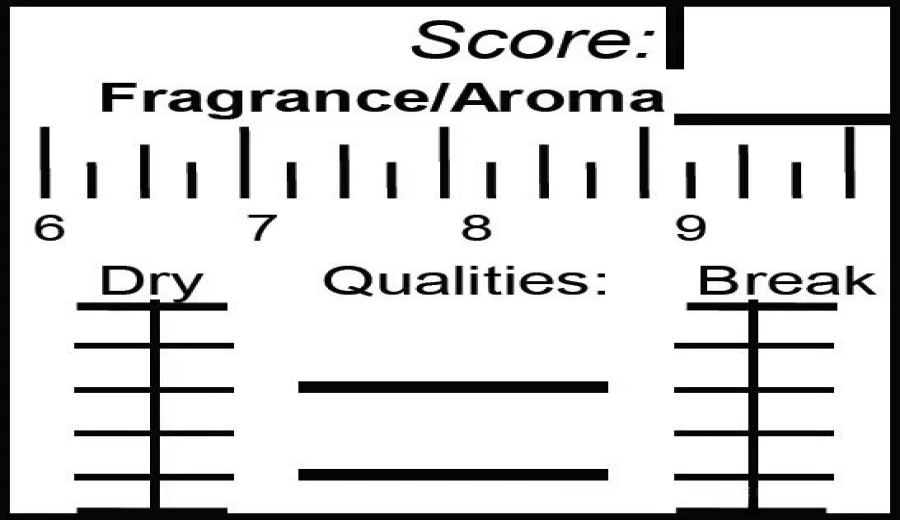
Introduction:The SCAA Coffee Cupping Form is a core tool for professional coffee tasting, covering ten key dimensions such as aroma, flavor, and aftertaste. This article provides a detailed breakdown of the evaluation criteria and sensory focus for each scoring item, helping coffee enthusiasts master professional cupping techniques and enhance their sensitivity and descriptive ability for coffee flavors. Through systematic learning, you will gain a deeper understanding of the quality characteristics of specialty coffee.
Coffee cupping is a scientific evaluation method that transforms subjective sensory experiences into objective data, and the cupping form developed by the SCAA (Specialty Coffee Association of America) is the most authoritative tool in this process. This form breaks down coffee quality into ten key dimensions, from the initial dry fragrance to the final overall impression, guiding evaluators to assess in a standardized manner.
For beginners new to cupping, understanding these scoring items not only helps improve personal tasting abilities but also lays the foundation for deeper exploration of the coffee world. Next, we will interpret these ten scoring dimensions one by one to help you master professional-level coffee sensory analysis techniques.
First Item: Aroma (Fragrance/Aroma)
Aroma evaluation is divided into two stages: dry fragrance and wet aroma. After grinding the coffee beans, the first thing captured is the dry fragrance, which is usually the first impression of the coffee and may include floral notes, nutty aromas such as roasted hazelnuts or almonds, and other pleasant scents.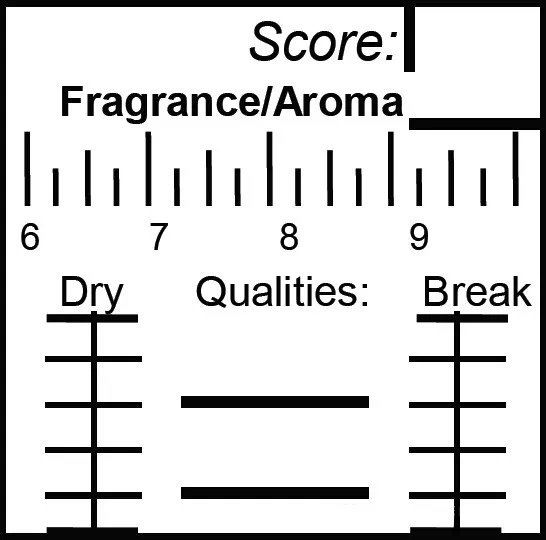 After pouring water, the wet aroma released by the coffee grounds is even richer, possibly presenting honey, citrus, or stone fruit aromas, which often excite the taster’s anticipation.
Second Item: Flavor (Flavor)
Flavor is evaluated when the coffee temperature drops to around 71°C, which is the key moment for flavor assessment. This item examines the taste directly perceived in the mouth and the aromas captured through retronasal olfaction, including all identifiable flavor characteristics. High-quality cupping samples typically display multi-layered flavor combinations, and these details directly impact the score for this item.
Third Item: Aftertaste (Aftertaste)
Aftertaste refers to the taste and aroma sensations that remain in the mouth after the coffee is swallowed or spit out.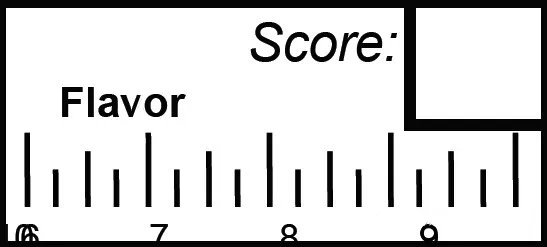 Good aftertaste should have continuity, especially the persistence of sweetness, which often becomes a key factor in scoring. Short-lived or unpleasant aftertastes can lead to a significant drop in score, while high-quality coffee may have an aftertaste that lasts several minutes and gradually changes.
Fourth Item: Acidity (Acidity)
High-quality acidity should be bright and lively, rather than sharp or harsh. Common high-quality acidic expressions include citrus, berries, sweet lemon, even mild sweet-and-sour notes like cantaloupe, or the crisp sensation of green apple.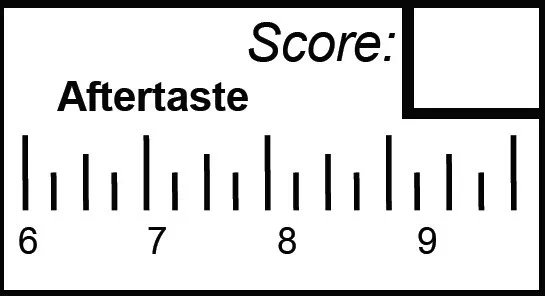 Conversely, poor acidity may exhibit fermentation notes, vinegar-like flavors, or spoiled fruit characteristics, all of which significantly affect the score.
Fifth Item: Body (Body)
Body evaluates the physical sensation and texture of coffee in the mouth, rather than actual taste. It includes physical characteristics such as oiliness, viscosity, and weight. For example, whole milk has a more noticeable body compared to water, and the difference between thick soup and clear soup also reflects the importance of this tactile characteristic.
Sixth Item: Uniformity (Uniformity)
This item evaluates the flavor stability among five cup samples. Ideally, all samples should perform consistently, and any significant differences or flaws in a single cup will lower the score.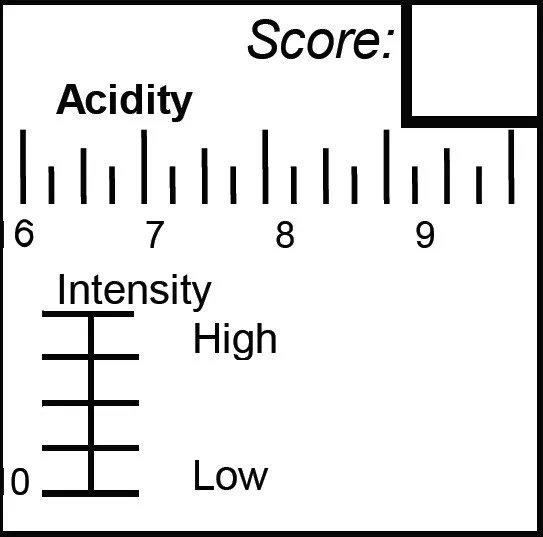 Five completely consistent cup samples can receive full marks, which is the basic indicator for evaluating the stability of coffee quality.
Seventh Item: Balance (Balance)
Balance examines the harmony among various sensory elements. High-quality coffee should achieve a harmonious unity of acidity, sweetness, bitterness, saltiness, and mouthfeel. For example, whether bright acidity can naturally transition to sweetness, or whether rich body is accompanied by smooth texture without astringency. This overall harmony directly impacts the score for this item.
Eighth Item: Clean Cup (Clean Cup)
Clean cup is an essential requirement for specialty coffee, meaning the coffee should not exhibit any off-flavors or defects.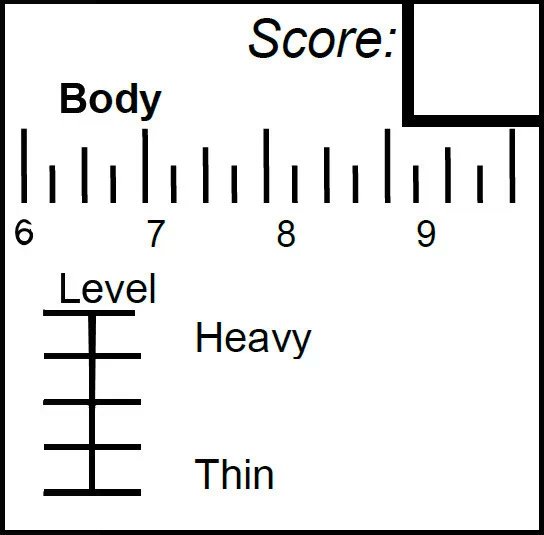 Common negative characteristics include earthy notes, medicinal flavors, fermented acidity, rubbery sensations, onion-like tastes, astringency, etc. The presence of any of these defects will significantly lower the clean cup score.
Ninth Item: Sweetness (Sweetness)
Sweetness not only reflects the ripeness of the coffee cherry but is also an important indicator of quality. High-quality coffee should exhibit a clear sense of sweetness, which may come from sugarcane sweetness, caramel sweetness, or other types of natural sweetness. Even if the degree of sweetness varies, as long as the sweet characteristic is clearly identifiable, it can usually receive a relatively high score.
Tenth Item: Overall (Overall)
This comprehensive score reflects the evaluator’s overall impression and personal preference for the coffee. It considers whether the coffee is enjoyable, appealing, and the overall quality of the drinking experience. Through this item, evaluators can integrate individual sensory perceptions into an overall value judgment of the coffee.
The above content is compiled by CoffeeHunters, a coffee news website.


