







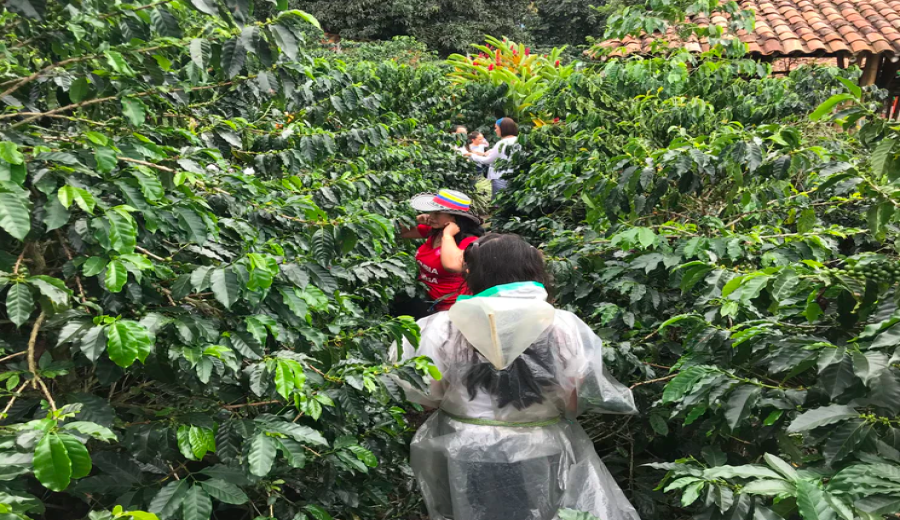
Introduction:Colombia is the world’s second-largest coffee producer, renowned for its refined washed Arabica beans with gentle, sweet flavors and distinctive fruity and cocoa notes in the aftertaste. This article provides a comprehensive overview of the country’s six major coffee-growing regions — from the berry-forward notes of Huila to the high-altitude sweetness of Cauca — examining how altitude, climate, and soil influence flavor profiles. It also explores the characteristics of mainstream varieties such as Caturra, Bourbon, and Castillo, as well as differences between processing methods like washed and honey. Practical pour over recommendations and parameters are included to help you deeply appreciate the essence of Colombian coffee.
As the world’s second-largest coffee producer, though slightly trailing Brazil in total output, Colombia has earned international acclaim for the exceptional quality of its washed Arabica coffee. Its beans typically exhibit a soft, sweet profile, and when processed skillfully, they reveal captivating cocoa layers, making them highly favored by coffee enthusiasts.
Colombian coffee beans are mostly grown in high-altitude volcanic soil regions, resulting in large, uniformly sized beans with bright acidity and good body. They occasionally present complex wine-like undertones and refreshing fruit aromas. These qualities make Colombian beans a common base in blended coffees. For instance, the classic Brazilian-Colombian blend showcases an appealing balance of nuts, cream, dark chocolate, and caramel.
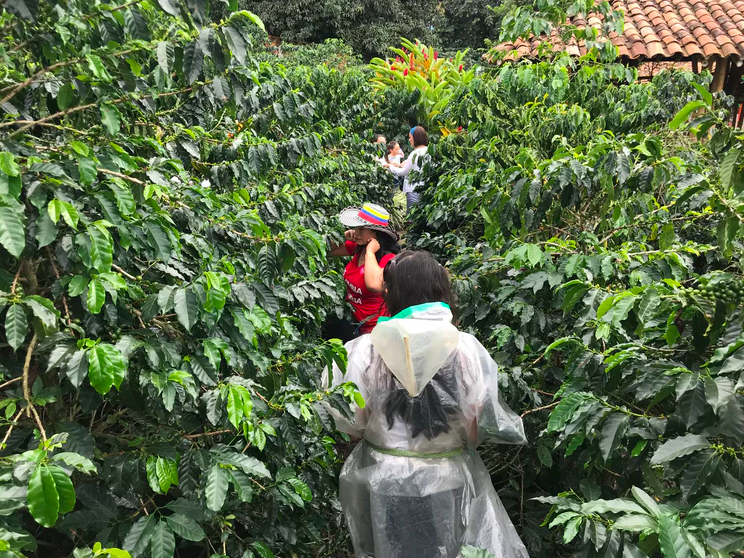
Located in the northwest of South America, Colombia’s climate is significantly influenced by its terrain. The country receives an annual precipitation of 2,000 to 3,000 millimeters, with average temperatures ranging between 15.8 and 20.5°C. Coffee-growing areas mostly fall within the ideal range of 18 to 22.5°C. The nation boasts rich volcanic soils and diverse microclimates, allowing fresh beans to be harvested year-round. Based on variations in altitude and geographical location, Colombian coffee is subdivided into over 200 grades, with high-altitude southern regions (above 1,500 meters) being the hub for specialty beans, known for their delicate acidity, berry notes, and pronounced sweetness.
This article will focus on Colombia’s six premium coffee-growing regions: Medellín, Huila, Cauca, Nariño, Tolima, and Santander. We will analyze each area’s altitude, climate, soil composition, and flavor profiles, introduce mainstream varieties like Caturra, Bourbon, and Castillo, and explore common processing methods such as washed, natural, and honey. Additionally, practical pour over advice and parameters are shared to help readers fully grasp the diverse charm of Colombian coffee.

Huila Province, situated in the southern part of Colombia’s Central Cordillera, is one of the country’s most representative specialty coffee regions. Surrounded by mountains and characterized by hilly terrain, it also hosts an active volcano that erupted in 2008, blanketing the region with mineral-rich volcanic ash that nourishes the soil and supports coffee cultivation. Planting altitudes in Huila generally exceed 1,500 meters, and the area is crisscrossed by important rivers, ensuring abundant water sources and creating a unique microclimate.
In the past, Colombian coffee was often graded by bean size, but with the rise of the specialty market, greater emphasis is now placed on micro-region and smallholder microlot quality. Coffee from the Huila region is often pooled from dozens of small farmers and carefully selected through batch-by-batch cupping, thereby preserving more distinct regional characteristics. The coffee here typically features pronounced fruit acidity, nutty aromas, and caramel aftertastes, offering a striking contrast to the commonly perceived “balanced and smooth” profile of Colombian coffee.
Huila is also one of the regions richest in volcanic ash, giving its soil exceptional fertility — a key factor behind the refined flavors of its coffee. The region’s staple bean, “Colombia Huila,” comes from this area. It’s suitable for everyday drinking and can also serve as a blending base, delivering a harmonious combination of nuts, dark chocolate, and fruit acidity.
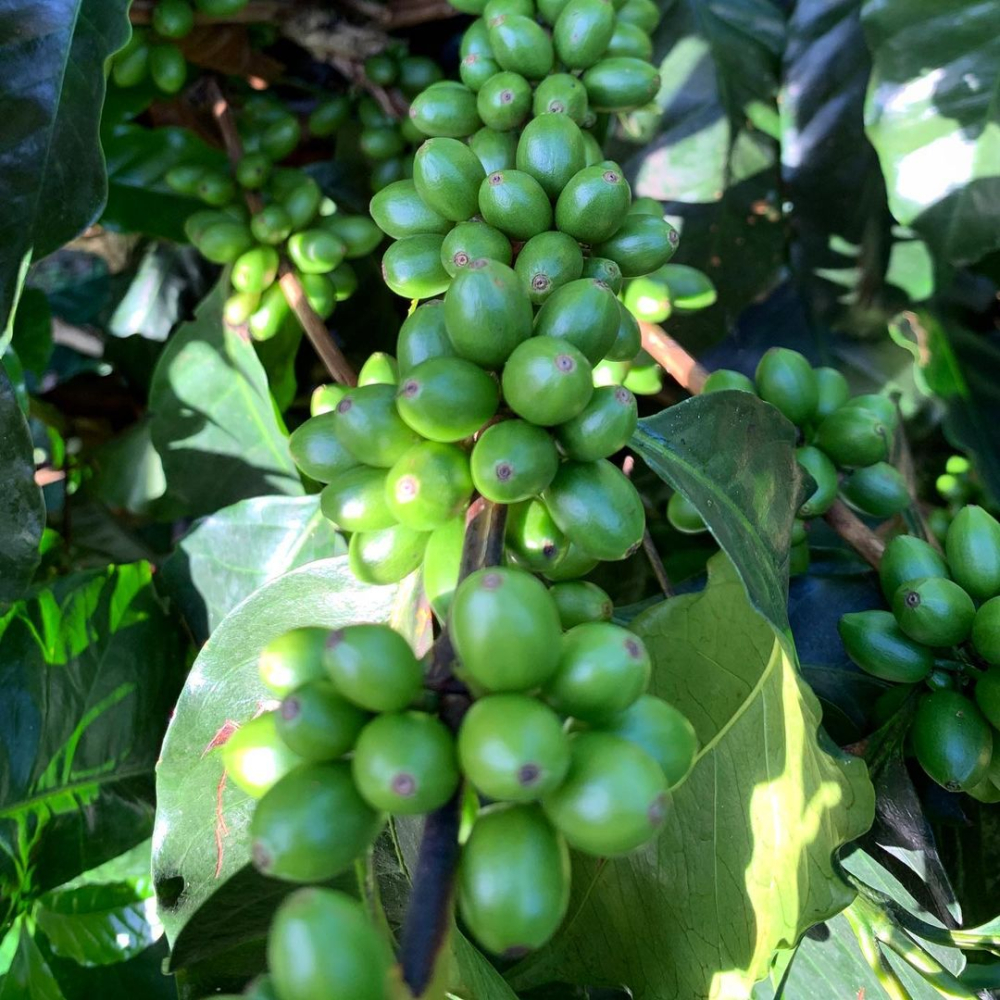
Cauca is one of Colombia’s officially recognized coffee origins, with an average altitude of 1,758 meters, and some areas reaching up to 2,100 meters. The region is predominantly mountainous, home to two major volcanoes, Sotara and Petacas, which are part of the Andes mountain range. About 80% of Cauca is mountainous, and its climate is significantly affected by altitude and slope orientation. Annual rainfall is concentrated during the rainy season, while the dry season typically occurs from August to September, followed by the coffee flowering and harvesting periods.
The most distinctive feature of Cauca coffee lies in its significant diurnal temperature variation: the average daily temperature is around 11°C, with daytime averages of 18°C. This temperature fluctuation helps coffee seeds and beans absorb nutrients more effectively, resulting in superior acidity and sweetness. As such, Cauca coffee is often praised as a specialty coffee with exceptional acidity and unique sweet aroma.
Nariño Province is located in southwestern Colombia, bordering the Pacific Ocean to the west and Ecuador to the south. The Andes Mountains run through the region, and coffee is primarily cultivated in high-altitude cloud zones between 1,600 and 2,300 meters. The volcanic soil here is fertile, producing small but dense coffee beans with vibrant green color. Nariño’s annual production is about 150,000 bags, with only around 6,000 bags classified as specialty grade. Most are purchased by large American coffee importers, but many smallholders remain committed to producing high-quality microlots.
Tolima Province is located in southern Colombia, adjacent to Huila and Cauca. It features north-south oriented Andes and Cordillera mountain ranges, as well as the north-south flowing Magdalena River. The region’s name originates from the indigenous Pijao people, in whose language “Tolima” means “covered in snow,” reflecting its mountainous topography. Farms in Tolima are generally larger, averaging 10 to 15 hectares, and mostly operate under cooperative models. Farmers deliver their fresh cherries to shared processing facilities, though some choose to process independently to maintain quality control.
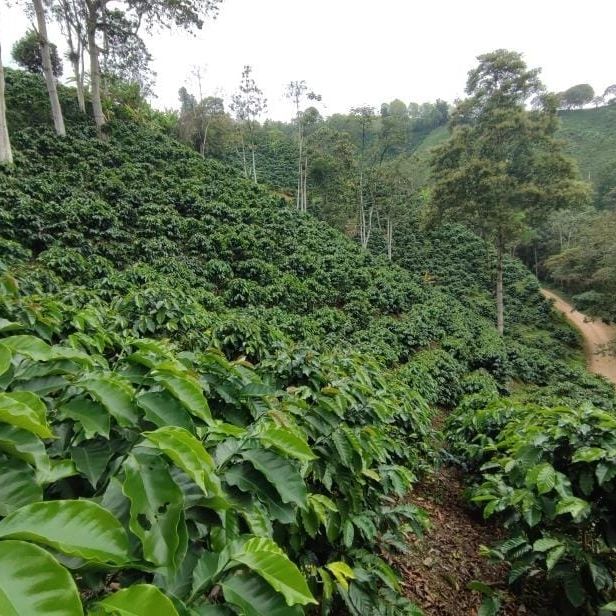
Medellín Province is located in northern Colombia. Its coffee offers a rich flavor profile with moderate acidity and pronounced sweetness. In particular, Medellín beans exported by the FNC association are known for their consistency and cleanliness, surpassing those of typical batches. Santander Province is situated in northwestern Colombia, adjacent to the Magdalena River, with planting altitudes of about 1,400 to 1,600 meters. Covering an area of 30,537 square kilometers, it is one of the earliest regions in Colombia to cultivate coffee. Currently accounting for about 5% of national production, its coffee often features bold flavors, long aftertastes, and unique herbal freshness.
Rose Valley coffee comes from the Grand Tree Estate in Santander Province. In cupping, it often exhibits complex aromas of winey chocolate, roses, cranberries, peaches, and cream, with a rich and unforgettable flavor profile.
Mainstream Colombian coffee varieties include Caturra, Bourbon, Typica, and Pacamara. Among them, Caturra is a natural mutation of Bourbon, with a shorter plant stature but higher yield. Though it has weaker disease resistance, it is widely planted across Central and South America. Additionally, Colombia has developed several disease-resistant varieties, such as Castillo, Tabi, Cenicafe, and the variety named “Colombia” itself, as well as rare types like Geisha, Mocha, Rume Sudan, Eugenioides, SL28, and Maragogype.
In terms of processing methods, due to its abundant water resources, Colombia predominantly uses washed processing. Smallholders often employ custom-made small-scale processing machines (such as Ecomill or Eco-Pulper), which efficiently remove the pulp and most of the mucilage with minimal water usage. The parchment beans undergo brief fermentation before washing, allowing for more precise overall quality control. Although some farms have experimented with innovative methods like natural and honey processing in recent years, washed remains the classic approach that best highlights the clean taste of Colombia’s high-altitude coffee.

Practical pour over recommendation (using Huayueye and Rose Valley as examples): Use a V60 filter, with a 1:15 coffee-to-water ratio, medium grind (about the size of coarse sugar, 80% through a #20 sieve), and water temperature at 91°C. Start with a 30-second bloom using double the coffee weight (around 30 grams) of water, then pour in a slow circular motion to reach 125 grams, followed by pouring up to 225 grams before stopping. Total extraction time is approximately 2 minutes. Stir gently after brewing before pouring into your cup.
Huayueye offers flavors of intense strawberry jam and rose aroma, with tasting notes of strawberry, jam, and liqueur chocolate. Rose Valley presents complex aromas of winey chocolate, roses, cranberries, peaches, and cream. If you opt for Huila as your everyday bean, its pronounced nutty, dark chocolate, and fruity acidity will appeal to those who enjoy bolder flavors. It is recommended to choose freshly roasted beans within five days and allow them to rest for 4 to 7 days for optimal maturity. If purchasing pre-ground coffee, consume it promptly to avoid oxidation affecting flavor. Whole bean, freshly ground, and brewed immediately remains the best way to enjoy Colombian coffee.

The above content is compiled by CoffeeHunters, a coffee news website.


