








Introduction:Want to enjoy a smooth, complex cold drip coffee on a hot summer day? Cold brew coffee can actually be divided into three main types: cold drip, ice-brewed, and cold steeped. Each varies in brewing method, flavor profile, and best-use scenario. This article will delve into the origins, working principles, pros and cons of cold drip coffee, as well as provide practical brewing parameters and step-by-step instructions. We’ll also recommend three types of beans with distinct flavor profiles to help you better master your ideal cold drip taste.
On a sweltering summer day, there's nothing better than a refreshing and energizing cup of coffee—but the "cold brew coffee" you see on the market actually includes several different brewing methods, such as cold drip, ice-brewed, and cold steeped. These three differ significantly in extraction techniques and final flavor. This article focuses on cold drip coffee, exploring its historical roots, technical characteristics, brewing process, and key parameters to give you a comprehensive understanding of this delicate and patient extraction craft.
Cold drip coffee (also known as Kyoto coffee or Japanese slow drip coffee) has various origin stories—some say it comes from the Netherlands, while others claim it has been popular in Japan for hundreds of years. It’s almost a daily beverage in Korean cafés, and related drip equipment is commonly found in brands from Japan and Korea. This extraction method, which involves slowly dripping ice water through layers of ground coffee, is characterized by a constant temperature and long extraction time, bringing out the coffee’s sweetness and low acidity exceptionally well.
The advantage of cold drip coffee lies in the use of cold water that slowly seeps through the coffee grounds, resulting in a smooth-tasting brew with minimal acidity. The stability of the entire process also ensures high flavor consistency.However, the challenge lies in controlling the dripping speed. It’s recommended to aim for about 7 drops per 10 seconds as the ideal rate—too fast or too slow can affect the balance of flavors.

Below is a basic cold drip brewing process and suggested parameters, ideal for coffee enthusiasts who want to try it at home:
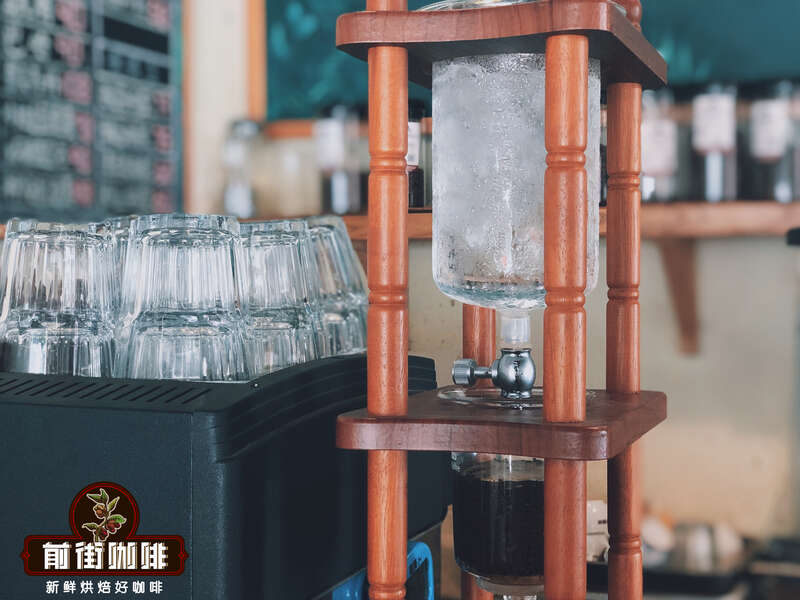
Materials and Tools Preparation:60g of coffee grounds, an ice-water mixture (roughly a 1:1 ratio of ice to water), a drip device (including an upper chamber, filter layer, and lower chamber), filter paper, and a glass storage bottle.
Step 1: Preparing the Coffee Bed
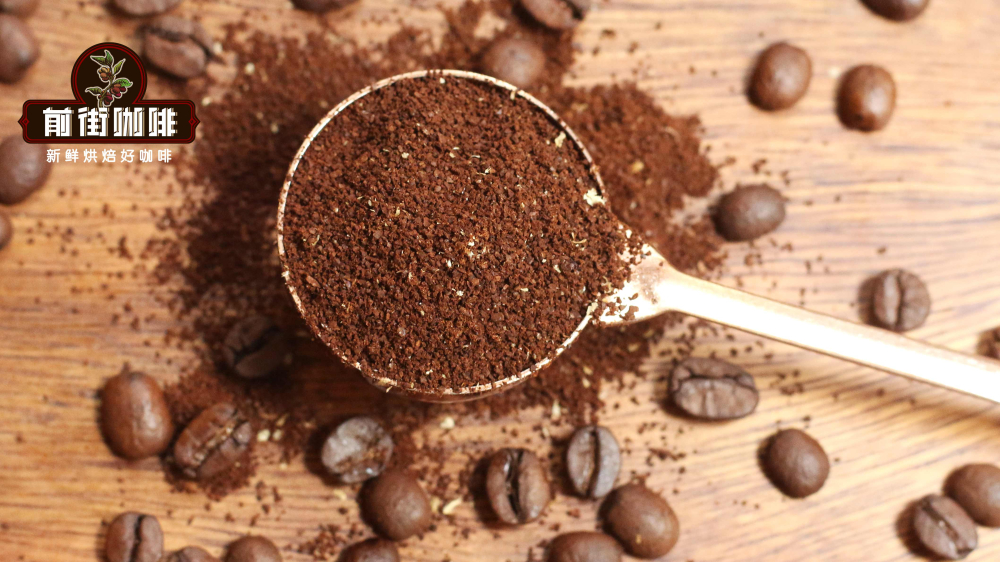
Place a round filter paper at the bottom of the coffee chamber, slightly wet it with water, and press it snugly against the walls. Then add60g of medium-fine ground coffee(recommended to pass through a 20-mesh Chinese standard sieve with about 85% extraction rate, slightly coarser than typical pour over). Gently shake the bed to level it, or use a tamper to flatten the surface to ensure even water distribution later on.
Step 2: Covering with Filter Paper
Place another piece of filter paper on top of the coffee grounds. Its primary function is to disperse the water flow and prevent the coffee bed from collapsing over time due to prolonged dripping, which could impact extraction evenness.
Step 3: Pre-Wetting (Blooming)
Pre-wet the coffee bed with ice water, similar to the “bloom” step in pour over. This helps the coffee grounds fully expand, improving overall extraction efficiency and flavor consistency.
Step 4: Adjusting Drip Rate and Starting Extraction
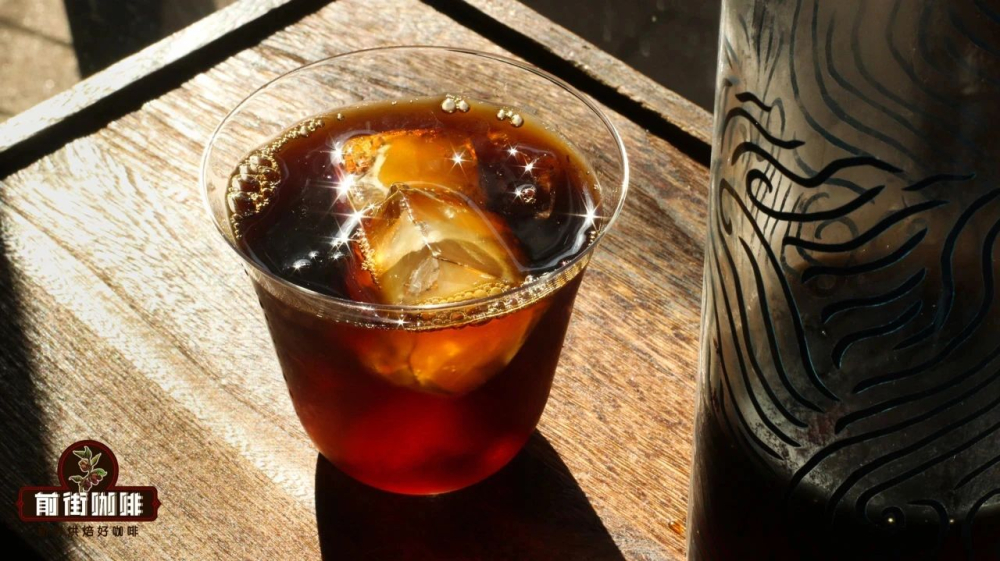
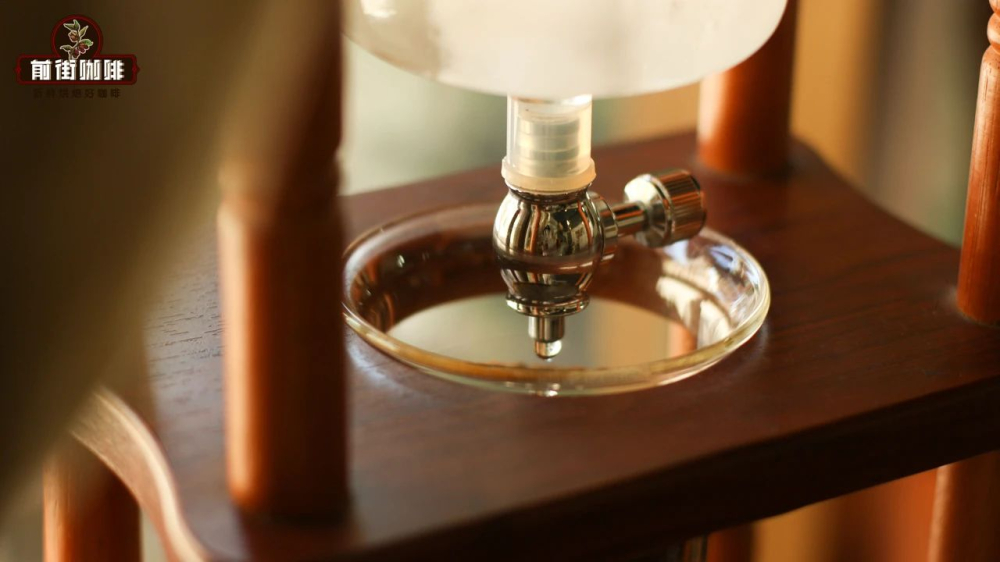
Add ice and water to the upper chamber in a 1:1 ratio,and adjust the drip valve to control the flow rate to about 7 drops per 10 seconds. This speed ensures the coffee grounds are extracted steadily and gently. The total extraction time usually takes about 6 to 8 hours.
Step 5: Resting and Maturation
After extraction, it’s recommended to pour the coffee liquid into a sealed glass bottle and let it rest in the refrigerator for at least 8 to 12 hours. This allows the flavors to further integrate, resulting in a smoother and more rounded mouthfeel.
Different types of coffee beans will bring vastly different flavor experiences to cold drip coffee. Based on personal taste preferences, you can choose from the following three types of beans:
Dark Berry Profile (Sweet and Fermented Notes)
For example, the anaerobic honey-processed beans from Costa Rica’s Finca Carmen Estate. After anaerobic fermentation, these beans offer intense aromas of blueberry, black grape, and wine. When brewed as cold drip, they present bright fruity acidity and a rich, lingering finish—perfect for those who enjoy fruity and fermented profiles.
Clean and Bright Profile (Citrusy Acidity)
Take the SL28/SL34 variety from Kenya’s Assaria, for instance. It features vibrant and lively acidity, with refreshing citrusy notes reminiscent of cherry tomatoes and grapefruit. As cold drip, it tastes crisp and balanced with sweet and sour harmony—ideal for hot afternoons.
Rich and Sweet Profile (Chocolate and Caramel Base)
We recommend trying Indonesia’s PWN Golden Mandheling. Though it’s a dark roast, cold drip processing significantly reduces bitterness and instead highlights rich cocoa, chocolate, and caramel notes. It leaves a sweet, layered finish—great for those who prefer bold and warming flavors. It performs even better with ice, and we suggest refrigerating it for 24 hours after brewing before drinking.
In summary, cold drip coffee is not just a brewing technique but also a way to appreciate the finer details of coffee. By mastering grind size, coffee-to-water ratio, drip rate, and resting time—and choosing the right beans—you can easily make your own personalized cold drip coffee at home and enjoy the ultimate cool refreshment and richness of summer.
The above content is compiled by CoffeeHunters, a coffee news website.


