







Introduction:Choosing the right coffee beans is key to making a great pour over brew. This article delves into the types of coffee beans suited for pour over, starting with the differences between single-origin and blends, and using Colombian Huila, Indonesian Mandheling, and Ethiopian Yirgacheffe as examples to explore three classic flavor profiles—acidic, balanced, and bitter. It also details the origin characteristics of Sumatra Lintong Mandheling, its wet-hulling processing method, and the origin of the name "Mandheling" to help you better understand the beans and make smarter choices.
Whether a pour over coffee can showcase enchanting layers of flavor largely depends on selecting the right beans. Market coffee beans are mainly divided into two categories: single-origin and blends. While the filtered extraction method of pour over is generally recommended for single-origin beans, blends can also yield excellent results. If you want to explore different flavor expressions, you might start with three classic pour over beans: each showcases a distinct core trait—balanced bitterness, rich body, or bright acidity—allowing you to experience their clear differences in one tasting session.
First, let’s discuss what kind of coffee beans are suitable for pour over. Typically, pour over is a filtered extraction method, and it’s usually recommended to use single-origin beans because they can highlight the unique terroir and processing characteristics of a specific origin. However, that doesn’t mean blends aren’t suitable for pour over. With the right selection, blends can also produce well-balanced and layered flavors. The key lies in the taste and aroma profile you wish to highlight.
If you’re looking for recommended pour over beans, you may prioritize the following three representative options: each represents one of the three classic directions in the pour over flavor spectrum—neutral-to-bitter, rich and full-bodied, and bright and fruity-acidic. Tasting them together allows you to directly perceive their differences and charm.
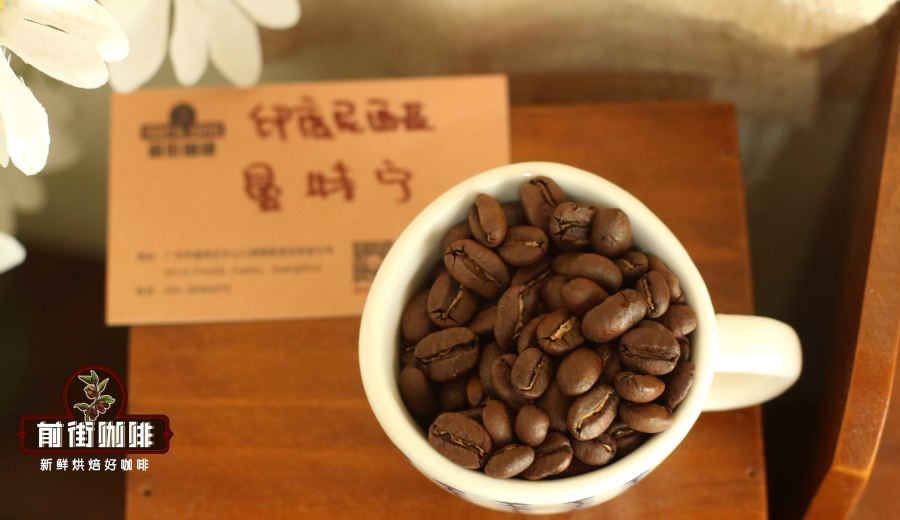
The first is a coffee bean from Colombia, often described as having a neutral tone with pronounced notes of nuts and chocolate, gentle acidity, and low bitterness. It has an overall balanced and smooth profile, making it very suitable for beginners in pour over. The second is a classic bean variety from Sumatra, Indonesia, known for its rich and bold mouthfeel, more noticeable bitterness, almost no acidity, yet with unique spicy and herbal notes. Its flavor resembles that of chocolate and woody tones, beloved by those who enjoy deep, intense profiles. The third is a bean from Ethiopia, renowned for its bright acidity, relatively low bitterness, and vibrant fruity acidity paired with delicate floral notes, making it the top choice for those who prefer fresh and lively flavors.
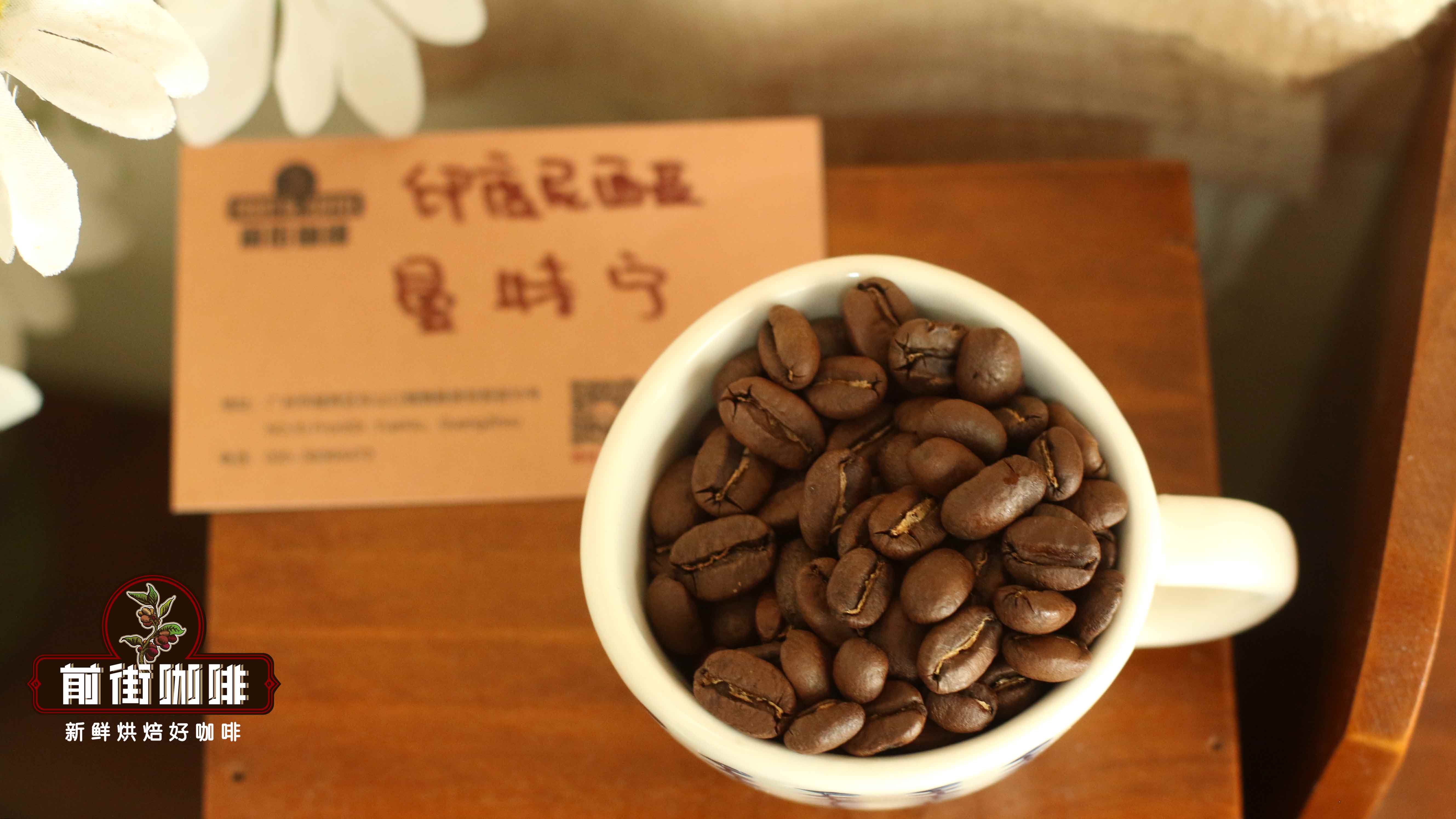
Based on the tasting experiences of most coffee enthusiasts, these three beans can be broadly categorized into three types: acidity-forward, balanced profile, and bitterness-emphasized. If you want to better understand which flavor direction suits your palate, it’s recommended to try each one and discover the one that best matches your taste.
When it comes to pour over coffee, there’s one classic origin and bean variety you absolutely can’t overlook: Mandheling from the Lintong region of Sumatra, Indonesia. As one of Asia’s most important coffee-producing regions, Sumatra, along with Java and Kalimantan, is one of the three renowned origins in the Malay Archipelago. Among them, Sumatra Mandheling is globally renowned for its rich, bold character and deep aromatic profile. The Lintong region, located in northern Sumatra, is one of the key producing areas for Mandheling. With an altitude of about 1,100 to 1,600 meters and a climate suitable for coffee cultivation, combined with the unique wet-hulling process, it creates the distinctive flavor profile of Mandheling.
Around Lake Toba in northern Sumatra and Lake Tawar in Aceh are the two core growing areas for Mandheling coffee, commonly referred to as the "Two Lakes, Two Mandhelings." Though both areas produce Mandheling with a robust mouthfeel and intense aroma, there are still noticeable differences in the details. Mandheling from the Lake Toba area often exhibits a deeper, more muted aromatic quality, sometimes with a unique herbal note reminiscent of grass jelly. In contrast, Mandheling from the Lake Tawar area tends to have a relatively brighter fruity acidity, occasionally featuring hints of cedar or light woody tones, resulting in a more refreshing and layered flavor.
As for the origin of the name "Mandheling," there’s an interesting little historical story. During World War II, Japan occupied Indonesia. At the time, a Japanese soldier drank a particularly fragrant and mellow cup of coffee at a café and curiously asked the owner the name of the coffee. However, the owner misunderstood and thought he was asking “where are you from?” and answered: “Mandailing” (the local term for residents of Sumatra). After the war, the soldier recalled that unforgettable cup of coffee and asked an Indonesian coffee trader to ship 15 tons to Japan. The coffee was hugely popular in the market, and the name "Mandheling" thus spread and became synonymous with this classic coffee.
If you’re interested in learning more about Sumatra Lintong Mandheling, pay special attention to its origin details and processing specifics. Official information for this bean typically states it comes from the Lintong region of Sumatra, Indonesia, graded as G1 and hand-sorted three times to ensure stable and consistent bean quality. Using the traditional wet-hulling process not only speeds up the drying but also imparts unique aromas and textures to the beans. The beans are grown at an altitude of about 1,100 to 1,600 meters, considered mid-to-high elevation, which helps the coffee cherries ripen slowly and accumulate richer flavor compounds. In terms of flavor, common descriptors include toasted bread, nuts, pine, caramel, and herbs—elements that together create the uniquely bold and deep profile of Mandheling.
The above content is compiled by CoffeeHunters, a coffee news website.


