







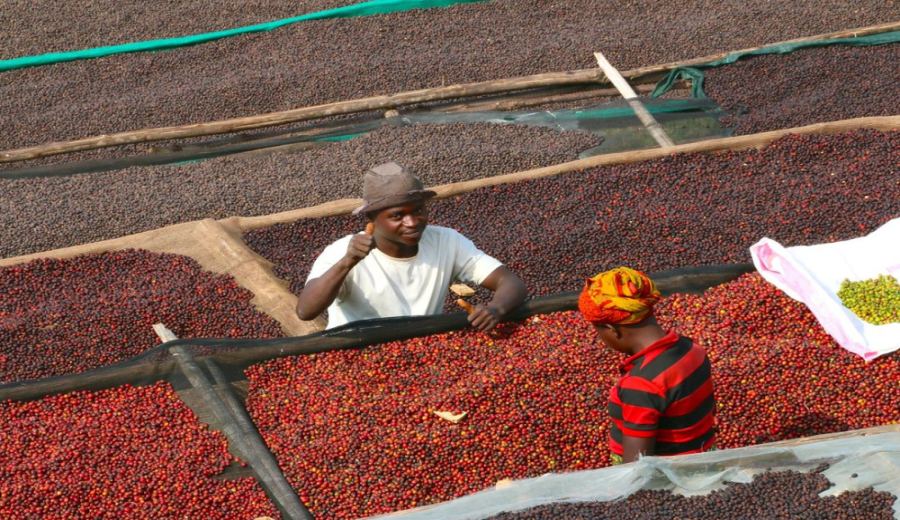
Introduction:As Ethiopia’s most iconic specialty coffee region, Yirgacheffe is renowned for its distinctive citrus and jasmine aromas, as well as its bright acidity. This article provides an in-depth look at the region’s geographical background, the differences among its three main processing methods, the G1 to G9 grading system, and how the Red Cherry Project has enhanced quality. It also offers flavor profiles and practical pour over recommendations for several classic Yirgacheffe beans, helping coffee enthusiasts gain a deeper understanding of this vibrant and legendary origin.
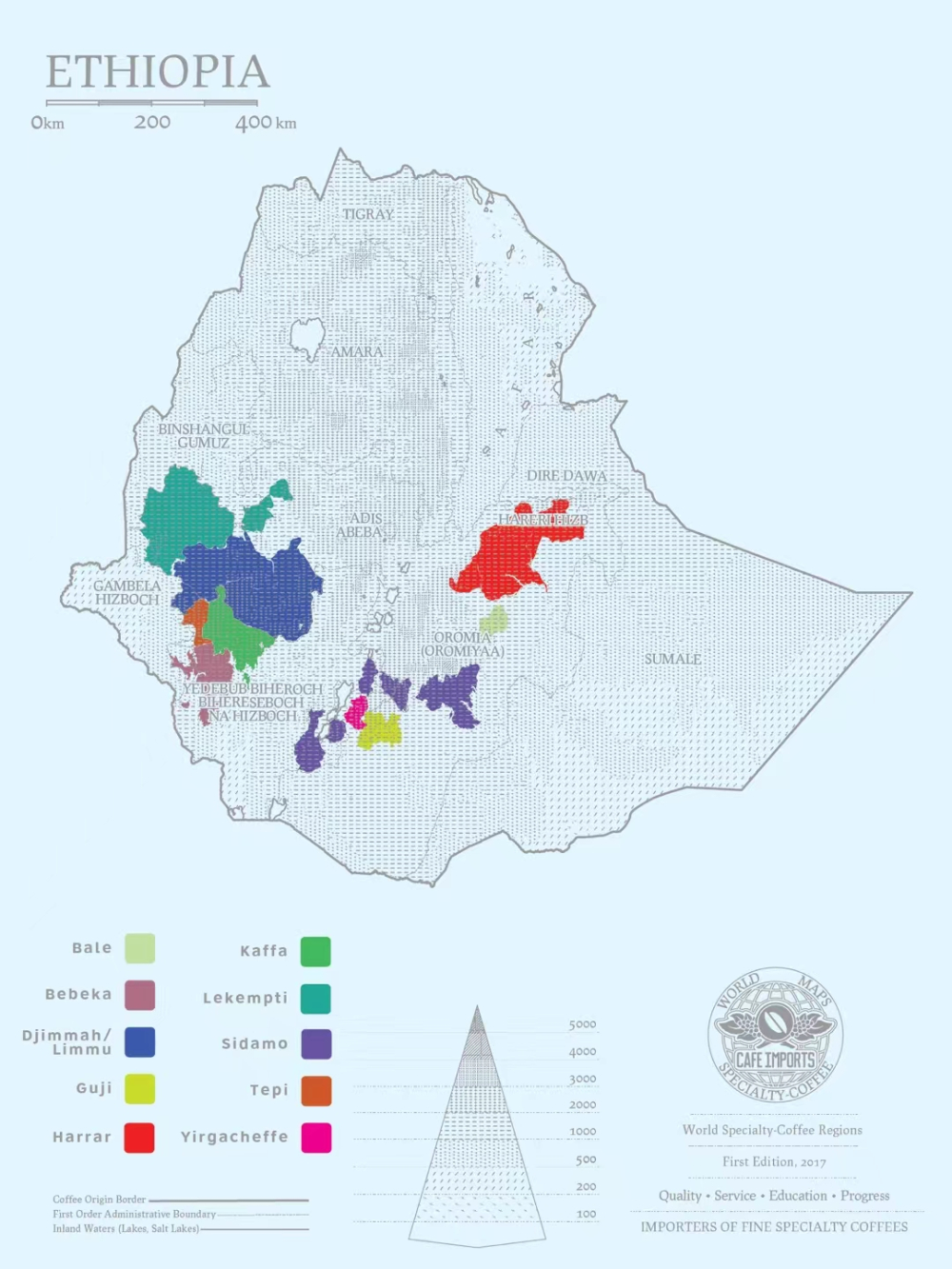
Yirgacheffe is a well-known town in Ethiopia’s Southern Gedeo Zone and one of the most representative regions in the global specialty coffee market. The area generally sits at elevations between 1,700 and 2,100 meters, representing a typical high-altitude growing environment that allows coffee cherries to ripen slowly, accumulating richer flavor compounds.
Originally part of the larger Sidamo region, it was eventually designated as a distinct coffee-producing zone due to significant differences in processing methods and flavor profiles compared to other areas. In Ethiopia’s ancient language, the term “Yirgacheffe” is composed of “Yirga” (meaning “peace”) and “Cheffe” (meaning “marsh” or “wetland”), which can be interpreted as “let us settle in this wetland,” symbolizing the inseparable bond between this land and coffee.
The so-called “Yirgacheffe flavor” typically refers to prominent citrus (such as lemon and orange), berry aromas, accompanied by soft jasmine or tea-like floral notes, with a bright and clear acidity, clean mouthfeel, and often a light tea-like body with a sweet aftertaste—qualities highly favored by pour over coffee enthusiasts.
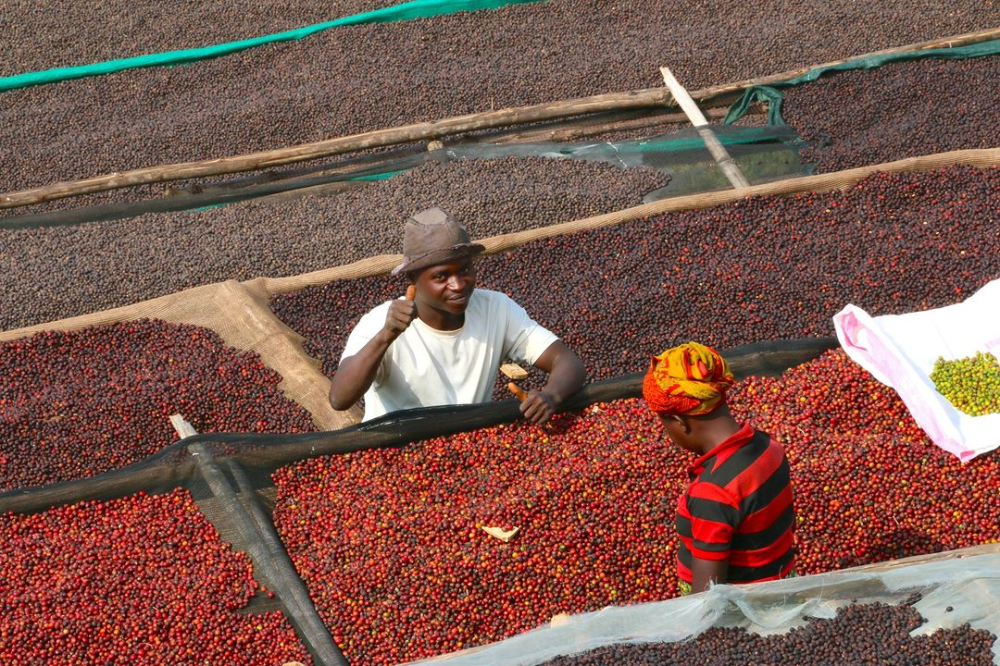
To enhance the international competitiveness of its coffee industry, the Ethiopian government registered the flavor profiles of three major regions, including Yirgacheffe, as trademarks in 2004, and established the Ethiopian Commodity Exchange (ECX) in 2008, turning coffee into a standardized auction commodity. Through a strict grading system and flavor classification, buyers can select beans with specific trademarked flavor profiles according to their needs, ensuring consistency in quality and taste.
The Yirgacheffe area also includes smaller regions such as Wenago, Kochere, and Gelena Abaya. Due to similarities in altitude, microclimate, and processing methods, the coffee produced in these areas shares a high flavor resemblance with Yirgacheffe, with Kochere even often being categorized under the Yirgacheffe regional classification. The Yirgacheffe Coffee Farmers Cooperative Union (YCFCU) was established locally, comprising 28 cooperatives formed by villagers, each roughly the size of a village. These cooperatives are responsible for collecting and processing coffee cherries harvested by nearby farmers and selling them under the cooperative’s name.
Ethiopia’s coffee cultivation is predominantly based on smallholder farming, with farmers often growing coffee trees in their backyards or intercropped with other crops. During harvest season, the coffee cherries are sent to cooperatives for further processing. As a result, the origin information labeled on many commercially available coffee packages actually refers to the cooperative that processed the beans. For example, a representative cooperative in a certain area serves as a notable processing unit, formed by over 300 farmers who, with mature processing techniques, produce coffee that enjoys a good reputation in the market.
Washed Process: Clear and Bright Citrus and Floral Notes
Traditionally, the Yirgacheffe region mostly used the African natural (sun-dried) processing method, where whole coffee cherries were spread directly on the ground to dry. However, since the introduction of modern washed processing techniques from Central and South America, the acidity of the local coffee has become more vibrant and bright, the floral and fruity aromas have become clearer, and the potential negative fermentation flavors during sun drying have been effectively reduced.
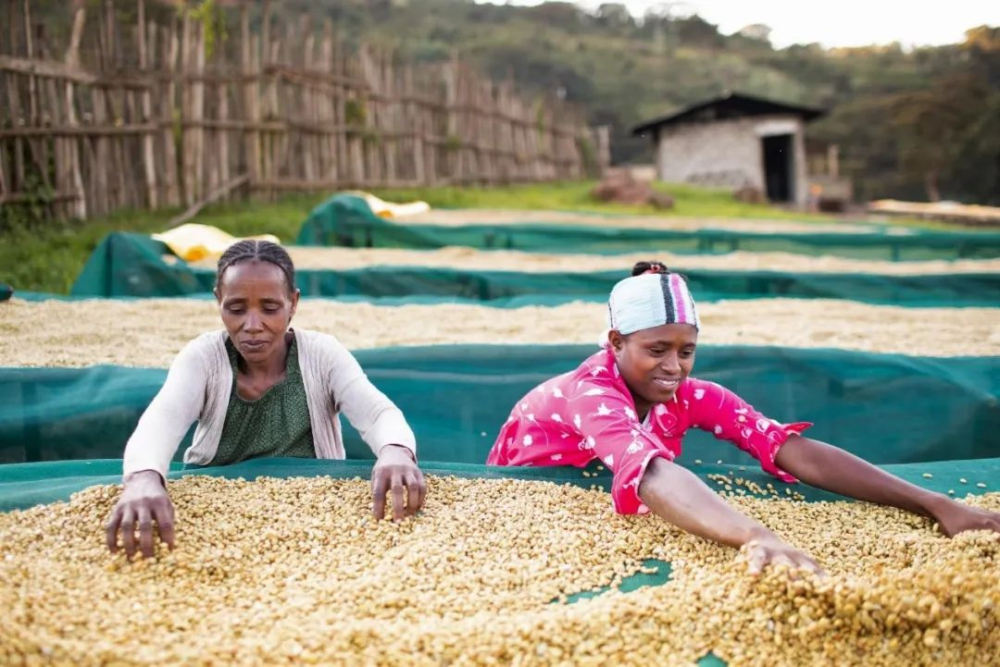
The steps of washed processing include: first removing the outer skin and pulp of the coffee cherry, then placing the seeds with mucilage into fermentation tanks for 12 to 36 hours of fermentation. Microbial action breaks down the mucilage, which is then thoroughly washed clean with water, and finally the seeds are evenly spread on drying beds to dry. This method preserves the purest acidity and aroma characteristics of the coffee beans.
Generally, washed Yirgacheffe coffee features flavors of jasmine, citrus fruits (such as lemon and orange), berries, and a light tea-like body, with a brisk acidity, making it suitable for coffee drinkers who prefer a clean and refreshing taste. Medium-light roasting can further highlight its floral and fruity notes. It is recommended to use a fine grind and a higher water temperature (around 92–93°C) to fully extract the delicate flavor layers.
Red Cherry Project: Enhancing Quality and Farmer Income
To improve coffee quality and increase farmer income, the Dutch trading company Trabocca BV launched the “Red Cherry Project” (Operation Cherry Red Project) in 2007, focusing on high-altitude regions such as Yirgacheffe. The project emphasized improving various processing techniques (including washed, semi-washed, and natural), and arranged professional cuppers to ensure quality control. The project required farmers to harvest only 100% fully ripe red coffee cherries and adjust harvesting strategies according to different microclimatic zones, with each batch limited to 1,500 to 3,000 kilograms.
Trabocca provided economic loans, advanced processing equipment, and technical training, significantly raising the overall quality level of the Yirgacheffe region and increasing the international selling price of the coffee, thereby improving the living conditions of local farmers.
Natural Process: Rich Berry and Fermented Sweetness
Under the impetus of the Red Cherry Project, Trabocca introduced professional natural drying racks and shade nets to the region between 2008 and 2009. The natural process method selects only fully ripe, plump red cherries, and ensures even drying through manual, timed turning until the moisture content drops to 11–12% before hulling.
Compared to the washed process, natural Yirgacheffe typically exhibits richer berry acidity, abundant fermented fruit aromas, and higher sweetness, making it suitable for espresso or creative blends. A brand’s natural red cherry coffee beans, known for their tropical fruit aromas and full body, are also often blended with wine barrel-fermented beans to create complex-profile espresso.
Yirgacheffe Coffee Bean Grading System
With the growth in export volume, the Ethiopian Commodity Exchange redefined the grading standards for coffee beans. Based on processing methods, Yirgacheffe beans are divided into Class A and Class B, and then further subdivided into nine grades from G1 to G9 according to cupping scores. Among them, G1 and G2 are considered specialty grades, and only those with a cupping score of 85 or above can be classified as Q1 grade.
G1 represents 0 to 3 defective beans per 300 grams of green coffee, making it the highest grade; G2 allows 4 to 12 defective beans. The two differ in flavor purity and defect rate, but both represent high quality.
Pour Over Recommendations and Extraction Parameters
Since Yirgacheffe coffee beans usually feature bright acidity and complex floral and fruity aromas, medium-light roasting is recommended to preserve their delicate flavor characteristics. High-altitude beans are harder in density, so a higher water temperature (around 92–93°C) and finer grind size (e.g., 80% through a 20-mesh sieve) are needed, paired with a fast-flow V60 filter cone, which helps balance the flavor layers.
Practical suggestion: Use 15 grams of coffee, with a 1:15 coffee-to-water ratio. Begin with a 30-second bloom using twice the amount of hot water (about 30 milliliters), then pour water in a circular motion from the center outward. Total water volume is 15 x 15 = 225 milliliters, completed in two to three pours. Before brewing, ensure the coffee beans are freshly roasted (the optimal tasting period is 4–7 days post-roast), and store them properly to maintain their flavor.
In summary, every Yirgacheffe coffee, whether washed, natural, or independently processed by cooperatives, showcases rich floral and fruity profiles and diverse acidity-sweetness balances. From the light jasmine and lemon notes of washed everyday beans, to the distinctly acidic and tea-like finish of the Fruit Ding Ding cooperative, to the berry-rich and sweet natural red cherry offerings—each is worth savoring in detail and serves as an excellent starting point for exploring the terroirs of Ethiopian coffee.
The above content is compiled by CoffeeHunters, a coffee news website.


