







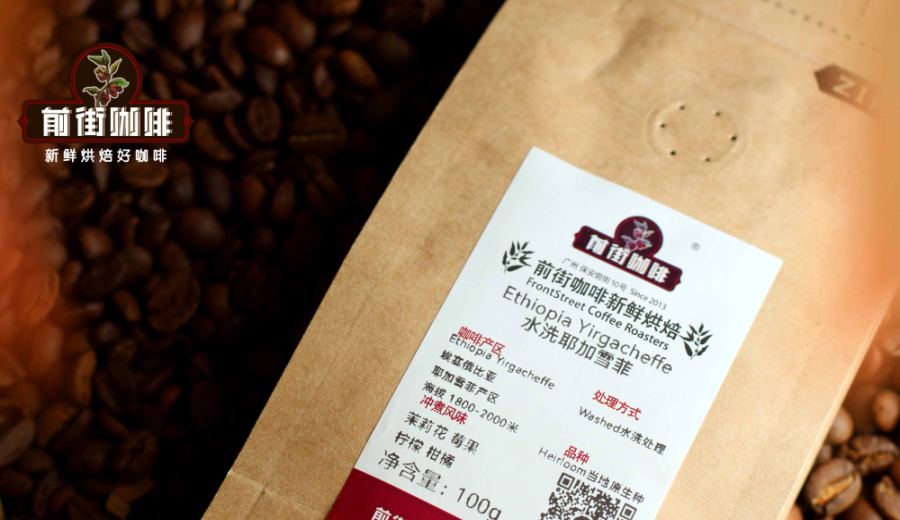
Introduction:Want to brew a cup of Ethiopian Yirgacheffe washed sun-dried coffee with bright citrus, floral, and berry flavors at home? This article will walk you through how to start by selecting high-altitude sun-dried Yirgacheffe beans, then adjusting grind size, water temperature, and pour over technique step by step. Use the three-pour method to bring out the bean’s richly layered bright acidity and fruity notes—even beginners can confidently master key parameters and easily replicate professional-level pour over flavors.
Yirgacheffe in Ethiopia has long been one of the dream regions for specialty coffee lovers. With an altitude of over 2,000 meters and large diurnal temperature variations, the coffee cherries grown there are rich in aroma, especially known for their unique citrus, jasmine, lemon, and berry-like fruit and floral notes. The Yirgacheffe region mostly uses both sun-dried and washed processing methods for green beans, but sun-dried Yirgacheffe preserves more intense tropical fruit and honey-like sweetness—a favorite among many pour over enthusiasts.
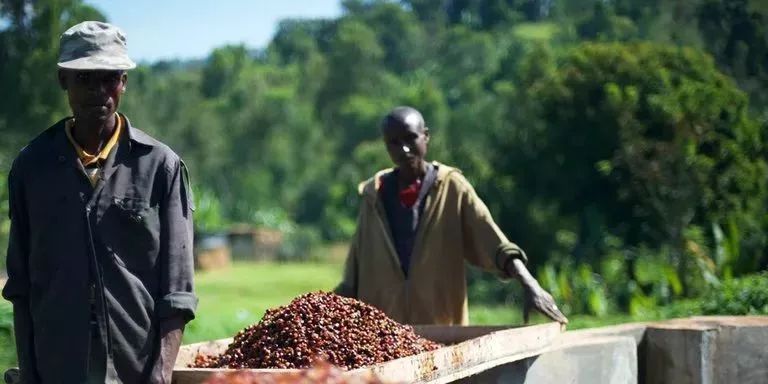
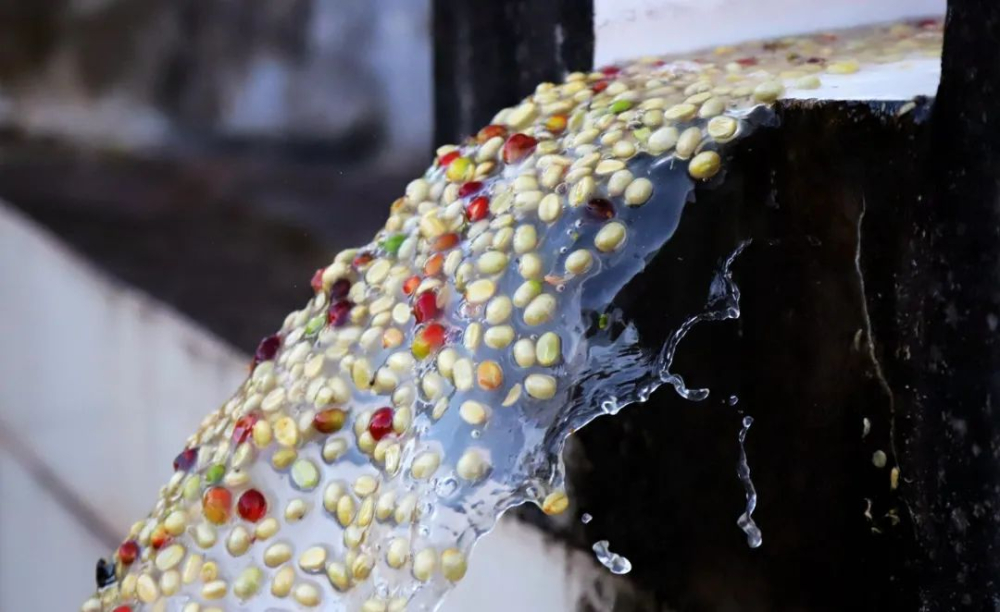
Compared to washed processing, the sun-dried method takes longer, as the coffee cherries dry with the pulp still attached. This allows the sugars and flavor compounds in the mucilage to penetrate deeper into the seeds, resulting in a richer and more distinctly sweet profile. These beans typically have a soft yet bright acidity, prominent sweetness, and intense fruit and floral aromas—making them ideal for slow extraction and appreciation via pour over.
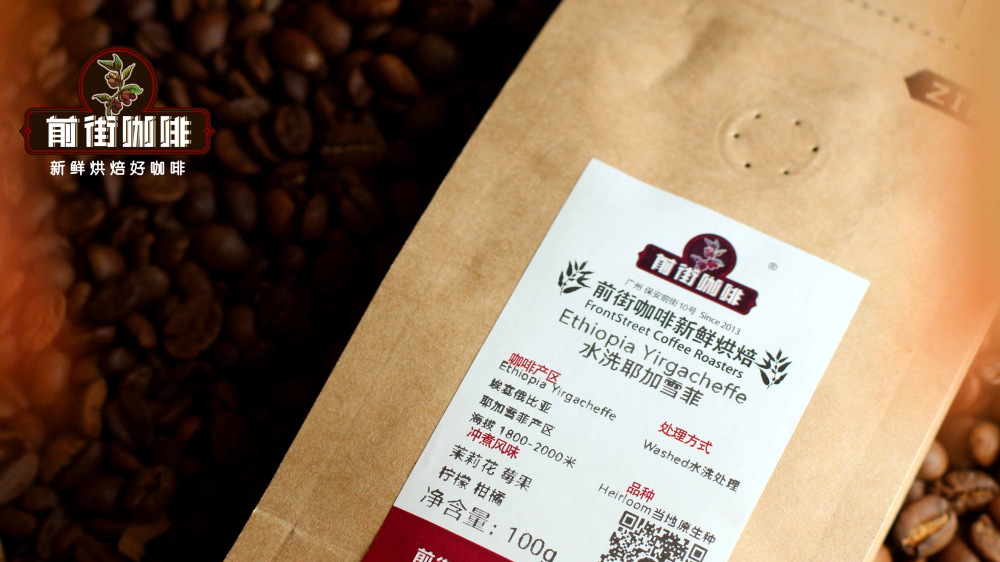
To successfully brew an outstanding cup of sun-dried Yirgacheffe, it's essential to first understand its basic bean characteristics. These beans are usually medium-light roasted, small in size but high in density. Over-roasting can lead to burnt bitterness or loss of flavor. Therefore, roasters often opt for a medium-light roast to highlight their bright acidity and captivating fruity profiles. When brewed properly, these beans can showcase extremely high flavor clarity and complexity, making them a great choice for beginners exploring pour over and African beans.
In terms of equipment preparation, it is recommended to have basic tools such as a pour over kettle, filter cone, filter paper, digital scale, thermometer, grinder, and server ready in advance, and to choose freshly roasted Yirgacheffe sun-dried coffee beans that are within their prime freshness window. Grind size and consistency are key factors affecting extraction. Commercial grinders come in both hand-cranked and electric versions; regardless of type, grind particle size should be carefully controlled to achieve optimal extraction efficiency.
Generally speaking, medium-light roasted Yirgacheffe is recommended to be ground to a medium-fine consistency, similar to white sugar or slightly coarser. Taking the EK43s grinder as an example, its passing rate through a Chinese No. 20 sieve (0.85mm) can be set at80%approximately,10which corresponds to a grinder setting of about
Water temperature is also a parameter that cannot be overlooked during the pour over process. For medium-light roasted beans like Yirgacheffe, it is recommended to set the water temperature between91~93°Cto help fully activate their floral and fruity aromas and vibrant acidity. If brewing in a cooler environment, the water temperature can be appropriately increased by about 1~2°C to ensure sufficient heat during extraction. Conversely, using water close to boiling point may accelerate the release of impurities, resulting in unpleasant burnt bitterness or astringency in the coffee.
The choice of filter cone also affects the final flavor profile of the coffee. For example, the Hario V60, with its large center hole and spiral rib design, allows water to flow through quickly while extending contact time with the coffee grounds—making it suitable for brewing medium-light roasted beans with bright and lively acidity, such as sun-dried Yirgacheffe. In contrast, the KONO filter cone is better suited for medium-dark roasted beans aiming for a fuller body. Therefore, if you want to fully experience Yirgacheffe’s fruity and floral tones and refreshing acidity, the V60 is the tool of choice.
During actual pouring, it is recommended to use the classic three-pour method, which helps achieve even extraction and avoids over-concentration in any single stage. Taking 15 grams of coffee grounds as an example, with a brew ratio set at1:15, the total water volume is 225 milliliters, which can be divided into three pours: the first pour of 30 milliliters for a 30-second bloom to activate the coffee grounds; the second pour of 95 milliliters, continuing until about 55 seconds to enhance bed expansion and flavor release; and the final pour of 100 milliliters, slowly completing the drip-through, with the total brew time controlled at around2 minutes.
When operating, first wet the filter paper and attach it to the filter cone to help avoid paper taste interference and preheat the equipment. After placing the ground coffee into the filter cone, gently shake it flat, then begin the first bloom pour. During blooming, it is recommended to use a small stream of water circling from the center outward to ensure all coffee grounds are evenly saturated. Subsequent second and third pours should maintain a steady water flow, taking care not to pour too forcefully and disturb the coffee bed, which could affect extraction uniformity.
After brewing, gently swirl the server to mix the coffee liquid evenly before pouring into your cup for tasting. This Yirgacheffe sun-dried pour over coffee typically features bright citrus notes, soft acidity, and subtle hints of berry and honey aromas, with a clean finish and a lingering sweet aftertaste. Every pour over enthusiast can fine-tune grind size, water temperature, or pouring technique according to personal taste preferences, gradually developing their own unique extraction style.
The above content is compiled by CoffeeHunters, a coffee news website.


