







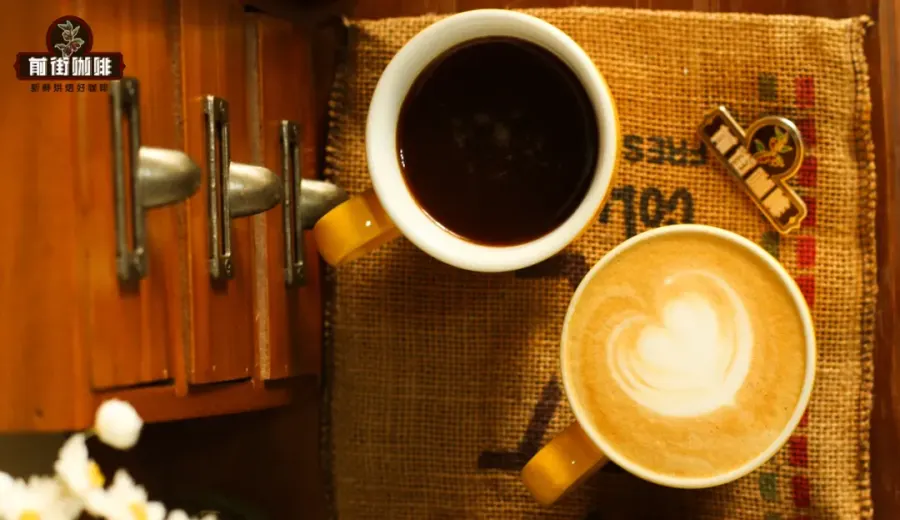
Introduction:Coffee Combos (one bean, two drinks) have become a creative offering in many cafés in recent years. A single shot of espresso is split to make both an Americano and a latte, allowing customers to taste how the same coffee bean expresses itself differently across beverages. However, this format places special demands on bean selection, espresso extraction, and milk-to-water ratios. This article dives deep into how to choose the right coffee beans, adjust espresso parameters, and control the proportions of water and milk—helping you consistently recreate professional-level Combo coffees, whether in a café or at home.
In recent years, Coffee Combos have gradually gained popularity in specialty cafés. This serving style typically involves splitting a single extracted shot of espresso into two or three smaller portions, then preparing them as different drinks such as an Americano and a latte, enabling consumers to experience the flavor variations of the same coffee bean across multiple brewing methods. However, achieving an ideal and balanced taste profile for a Combo is no easy feat. Every step—from bean selection and espresso extraction to the final ratio of coffee to water or milk—is critically important.
For baristas, making a Combo not only tests their understanding of the beans but also requires flexible adjustments to extraction strategies to ensure that both the Americano and latte can showcase their unique characteristics, even when using the same coffee. This article will detail how to select coffee beans suitable for Combos, adjust espresso extraction parameters, and control the ratio of water to milk—so you can easily create a layered and balanced one-bean-two-drinks coffee either at home or in a café.
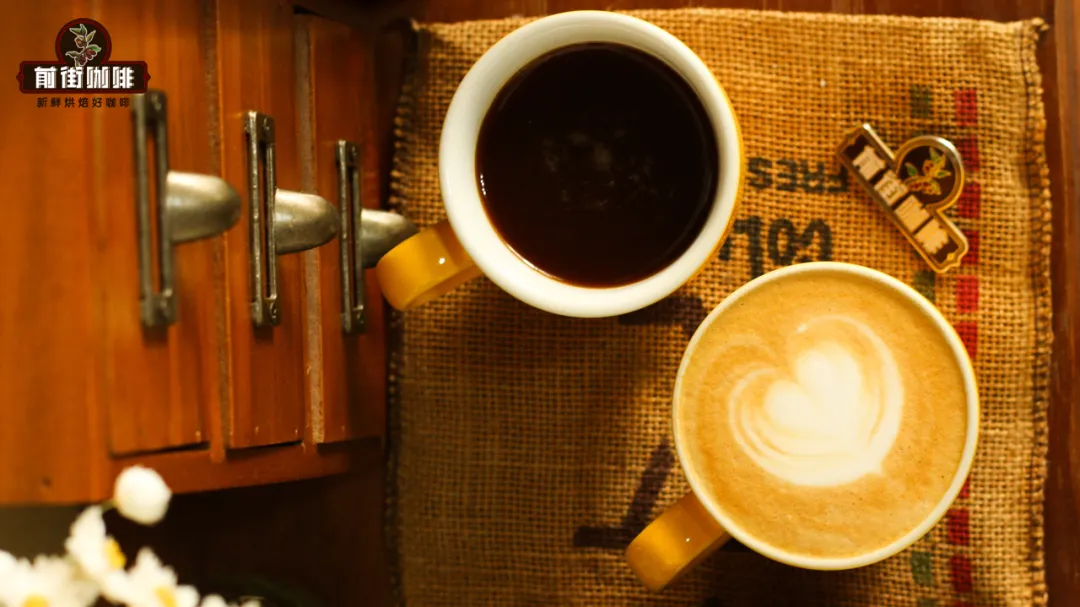
The so-called Coffee Combo, simply put, is the process of dividing a shot of extracted espresso into two or three parts to create different flavored coffee drinks, such as an Americano and a latte, sometimes even expanding to three variations. Through this method, customers can experience the diversity and potential of a single coffee bean across different brewing styles. But this creative drink format places high demands on the barista’s technical skill and judgment—not only must the essence of the bean be considered, but the extraction and proportioning strategies must also be readjusted to highlight the best of each flavor.
Faced with such challenges, many baristas and enthusiasts often ask questions like: “What kind of beans are suitable for Combos?”, “How should espresso extraction be adjusted?”, or “What should the coffee-to-water or coffee-to-milk ratios be for an Americano and a latte?” This article will tackle these practical concerns, systematically breaking down the key elements of creating a successful Combo, and providing a reference for actual operation procedures—so whether you’re a pro or a hobbyist, you can master this technique.
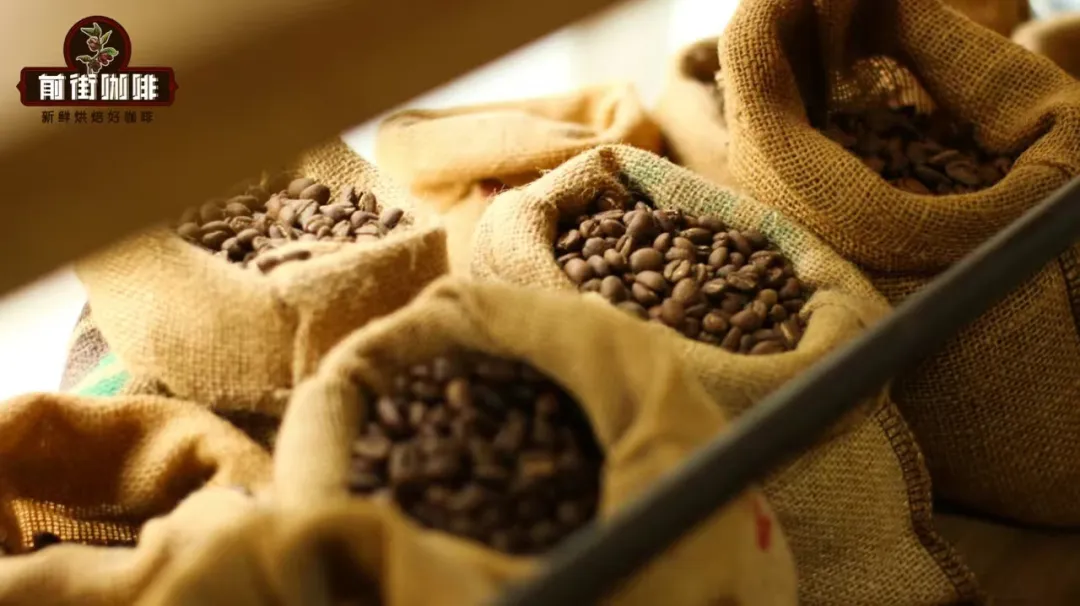
When selecting coffee beans suitable for Combos, the primary consideration is whether the beans can perform well in both the Americano and latte formats, which are quite different from each other. Generally, most Combos in the market are presented as “one black, one white”—that is, one Americano and one latte—so the beans must have the potential for both clarity of flavor and a rich mouthfeel. Choosing beans that are too lightly roasted may showcase bright fruit acids and floral notes well in an Americano, but might come across as thin in a latte; conversely, beans that are too darkly roasted may deliver a rich body in a latte, but tend to produce overly harsh bitterness in an Americano.
Therefore, it is recommended to choose amedium roastwithbalanced fruity notes and moderate fermentation character—such as anaerobic natural, berry-toned, or mature fruit-flavored single-origin beans. Common and reliably performing options include Sidamo SOE, Strawberry Candy, Mozart SOE, and Gran Selezione Geisha SOE. These beans usually exhibit rich layers across different drinks, making them well-suited for crafting one-bean-two-drink Combos.
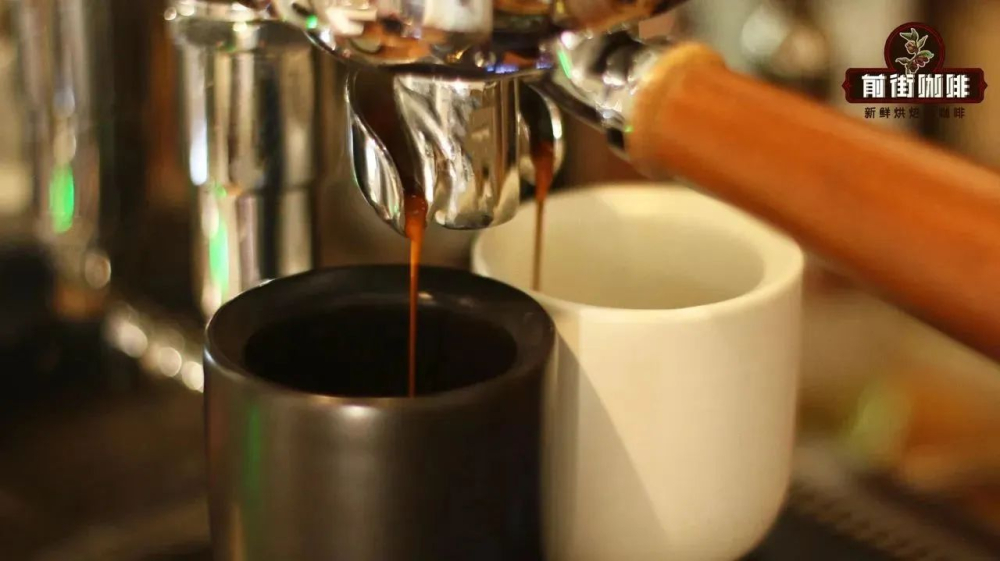
Extracting the espresso is one of the key steps in making a Combo. Since the final extraction will be divided into two or more drinks, it is advisable to usea slightly higher dose of coffee groundsto ensure there is enough total liquid espresso. A standard espresso extraction usually uses about 20–22 grams of coffee, with a 1:2 coffee-to-water ratio, yielding 40–44 milliliters of espresso. If you want to create a richer and more appropriately portioned Combo, you can also try a ristretto-style extraction—using only 70% to 80% of the usual liquid yield—and grind finer to increase the concentration and intensity of the espresso.
Once the espresso is extracted, the next step is to divide it between the Americano and the latte. The most common approach is to split the espresso evenly, or to pre-divide it using a split portafilter, which allows for more precise control over the base coffee in each cup. Then, add hot water or milk according to the requirements of each drink.
For the Americano, it is recommended to use a1:3.5 ratio—for example, 22 milliliters of espresso with about 80 milliliters of hot water. The water temperature should be around 70°C, which helps dilute the intensity of the espresso while preserving its clarity of flavor. As for the latte, a1:4 ratiois suggested—for instance, 22 milliliters of espresso with 90 milliliters of milk. The milk temperature should be maintained at around 65°C to ensure fine microfoam and a comfortable drinking temperature, while allowing the coffee and milk to balance harmoniously.
When actually making a Combo, it is recommended to prepare two cups with a capacity of about 120 milliliters each to facilitate portioning and control. If you’re not using a split portafilter, you can extract a full shot of espresso first and then manually divide it by ratio—but this method is more challenging and is best attempted after gaining some experience.
Taking an anaerobically natural-processed Santa Vini single-origin bean as an example, this demonstration uses 22 grams of coffee, a 1:1.2 coffee-to-water ratio, with an extraction time of about 36 seconds, yielding approximately 26–28 milliliters of espresso. This shot can be used to make one Americano and one latte, paired with hot water and milk respectively, adjusted according to the aforementioned ratios. Before the actual extraction, it’s advisable to steam the milk in advance to save time during the process.
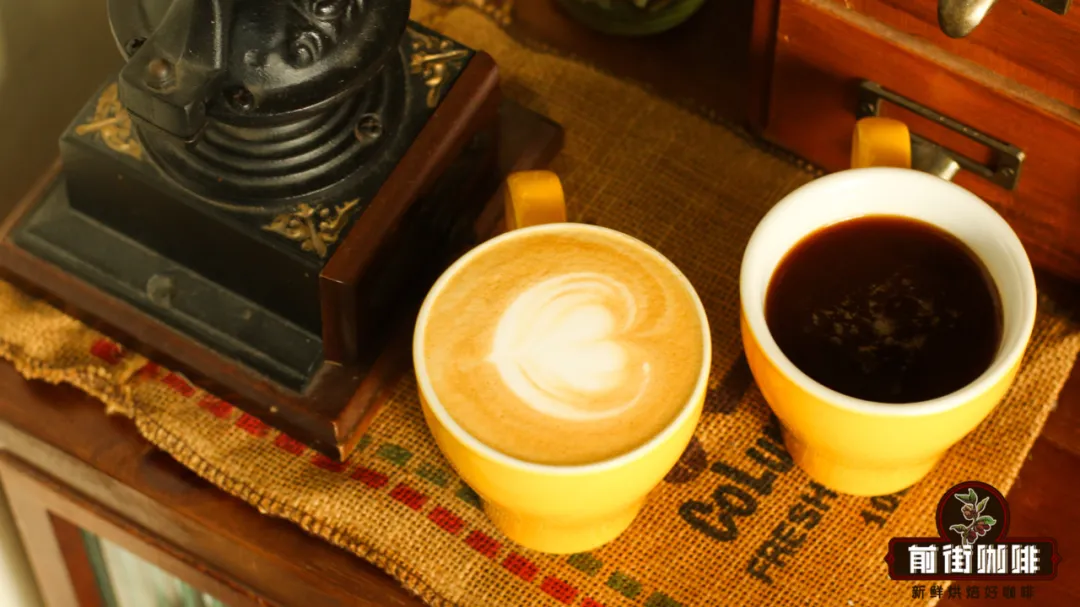
Once all elements are ready, pour the divided espresso sequentially into the hot water and milk to complete the final combination and latte art, then it’s ready to enjoy. It’s recommended to taste the Americano first, followed by the latte, to experience the transition from bright and refreshing to rich and smooth. For the Santa Vini example, the Americano showcases distinct citrus, pineapple, and subtle red wine aromas with prominent sweetness; the latte, meanwhile, reveals soft flavors of mango and red wine, with a smooth mouthfeel and excellent balance—fully demonstrating the diverse charm of the same bean across different drinks.

The above content is compiled by CoffeeHunters, a coffee news website.


