







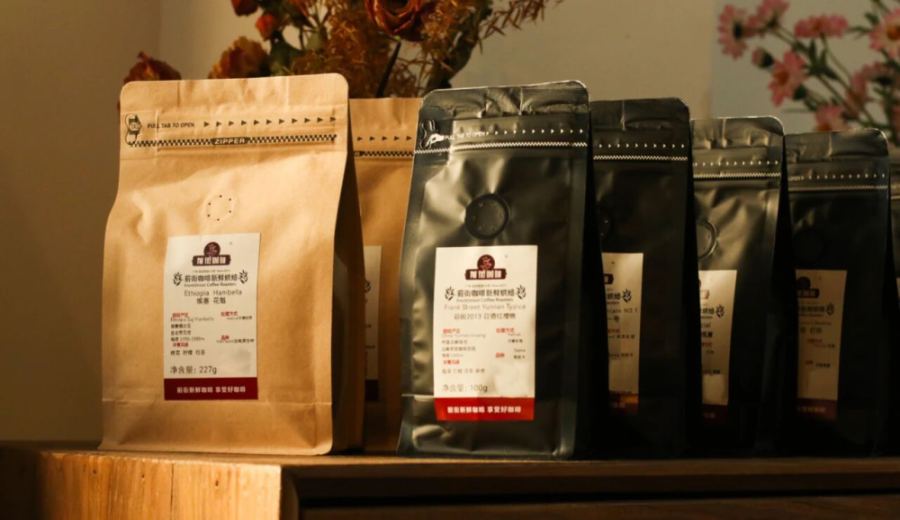
Introduction:Choosing the right coffee beans is the first step to enjoying delicious coffee. This article explores how to avoid the pitfalls of commercially canned beans by focusing on roast freshness and regional flavor characteristics. It also curates six classic single-origin beans from renowned regions such as Ethiopia Yirgacheffe, Kenya, and Panama, detailing their altitude, processing methods, and unique flavor profiles. It even includes pour over brewing recommendations to help beginners quickly develop their own bean selection logic.
Walking into a café or browsing an online store, the variety of beans by origin, grade, and processing method can be overwhelming. In reality, just mastering two key principles can help you pick high-value, great-quality beans: prioritize roast freshness, and then choose based on your personal taste preferences. This article will break down essential buying tips in an easy-to-understand way and introduce you to six representative single-origin coffees — from bright fruity acidity to rich chocolatey notes, there’s one that’s perfect for you.
For beginner coffee enthusiasts, the most common concern is, “How do I buy without making a bad choice?” The key is to prioritize products with clearly labeled roast dates rather than just looking at the best-before date. Freshly roasted coffee beans have the optimal aromatic compounds and flavor expression, and it’s recommended to use them within 2 to 4 weeks post-roast to fully experience their layered complexity.
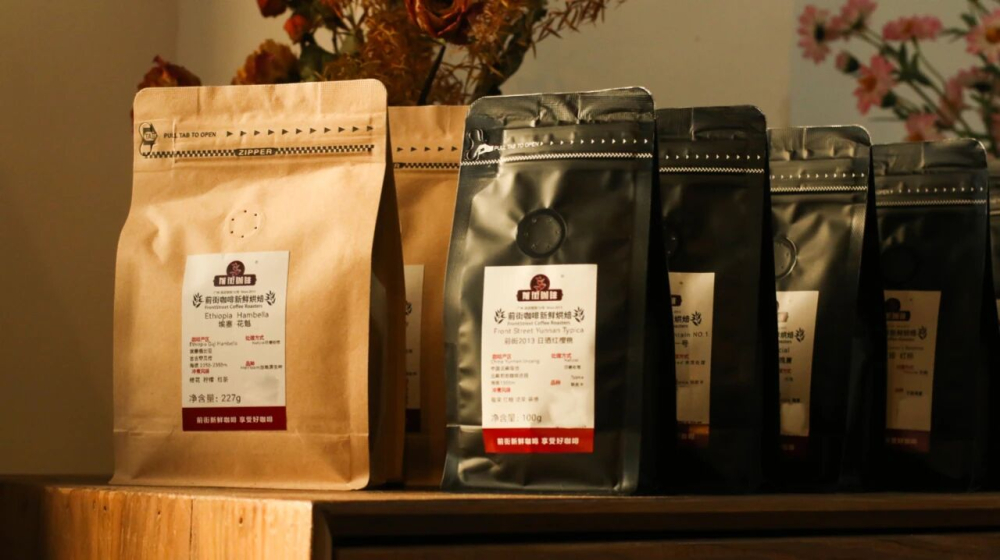
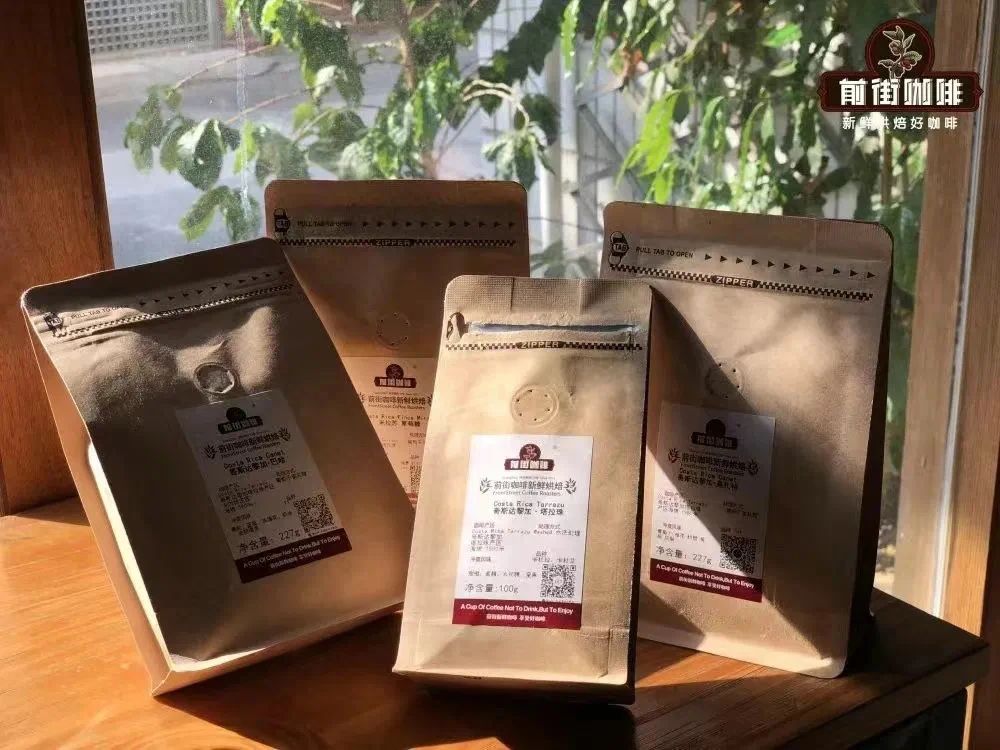
Professional roasters usually indicate a clear roast date on the packaging and use aluminum foil bags with a one-way degassing valve. This design allows the beans to release carbon dioxide during maturation while preventing oxygen from entering and causing flavor degradation. Be especially cautious: if the package only states a “best before X months” date but lacks a roast date, it’s likely not freshly roasted.
A coffee’s flavor profile is deeply influenced by environmental factors such as climate, altitude, and processing techniques. Below, we’ve selected six distinctive single-origin beans, divided into two major flavor types — high acidity and rich body — to help you quickly choose based on your drinking preference.
Bright Acidity Representatives: Fresh Fruity and Floral Tones
1. Ethiopia Yirgacheffe (Red Cherry)
Grown at altitudes of 1700–2200 meters in highland regions, this coffee is processed using the traditional natural (sun-dried) method, preserving the natural sugars of the fruit. Its flavor profile features bright acidity led by lemon, licorice, and citrus, with mid-palate notes of berries and sweet orange. The finish transitions into the mellow warmth of black tea and caramel, with a notable sweetness and rich layering.
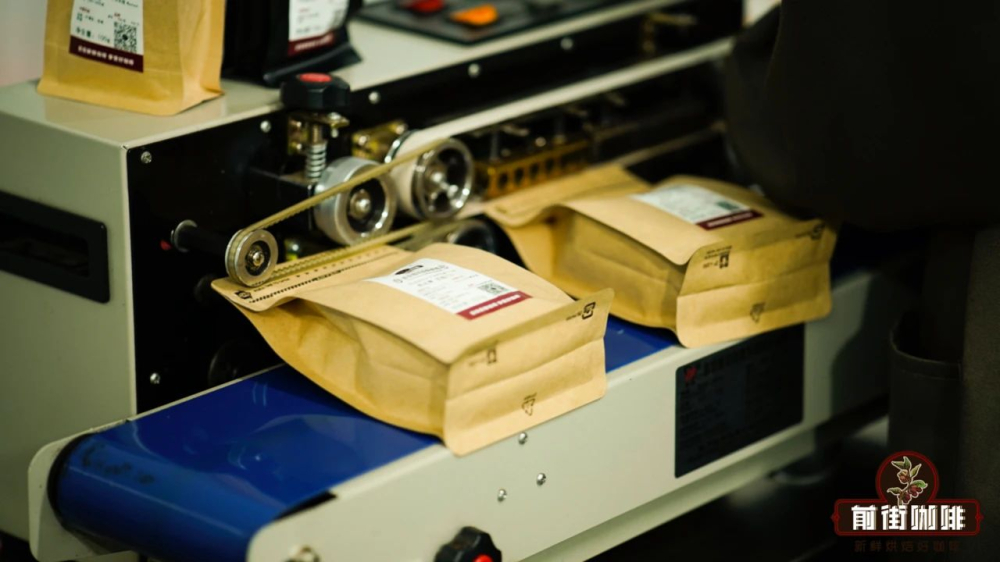
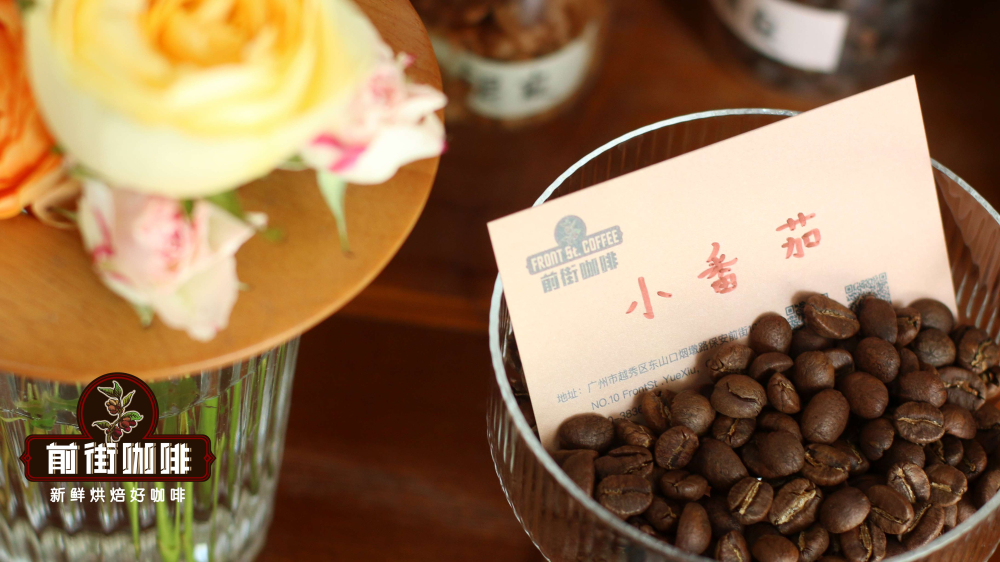
2. Kenya (Little Tomato)
Renowned for its unique double fermentation washed process, beans from this origin showcase intense acidity with notes of cherry tomato and berries. The cup is lively like fresh juice, with a naturally rising sweetness in the mid-palate, and a finish that offers an elegant, tea-like coolness. Ideal for those who enjoy a balance of bright acidity and fruity complexity.
3. Panama (Geisha - Flower Dance / 花蝴蝶)
Grown at 1700–2200 meters at the Altezaran Estate, this heirloom coffee undergoes a carefully crafted mix of washed and natural processes. The flavor blends floral notes, black tea undertones, and berry sweetness, with a consistent citrus character throughout. The finish reveals delicate nutty aromas, featuring soft acidity and a long-lasting aftertaste. Perfect for pour over lovers who appreciate multi-layered flavor variations.
Rich Body Representatives: Intense Chocolate and Nutty Tones
4. Colombia (Huila)
Sourced from high-altitude farms at 1500–1800 meters in the Huila region, these beans have a typical nutty and chocolatey base enhanced by a refined washed process that brings out caramel sweetness. The flavor balance is excellent, with sweetness, acidity, and bitterness perfectly integrated. The cup is full-bodied and rich, ideal for those who enjoy a bold mouthfeel and sweet aftertaste.
5. Indonesia Mandheling (Golden Mandheling)
Grown in the volcanic soil of the Sidikalang region in Sumatra at 1550–1750 meters, this coffee is processed using the exclusive K72 washed method. These AA TOP-grade SL28 and SL34 variety beans exhibit an extremely rich texture and clean, crisp acidity. Caramel and nutty aromas persist throughout, with pronounced chocolate notes and a long, layered finish. It’s a representative of the classic Southeast Asian flavor profile.
6. Brazil (Queen’s Estate)
From the Gesha hybrid estate in the Poços de Caldas region at 1600–1650 meters, the washed process highlights a strong foundation of nuts and dark chocolate, accompanied by natural sweetness from fermented fruits. The flavor profile is relatively mild, with prominent sweetness and low acidity, along with subtle lemon notes. The overall cup is round and smooth, making it very suitable for those new to single-origin coffee.
These six premium coffee beans from different origins each showcase unique terroir characteristics. Even among the bright acidity types — Yirgacheffe, Kenya, and Panama — there are diverse expressions ranging from intense fruitiness to gentle tea-like notes. Meanwhile, the rich-bodied types — Golden Mandheling, Colombian Huila, and Brazilian Queen’s Estate — present varying styles from intense chocolate to soft nuttiness. It’s recommended to start trying based on personal preferences and gradually build your own coffee flavor map.
The above content is compiled by CoffeeHunters, a coffee news website.


