







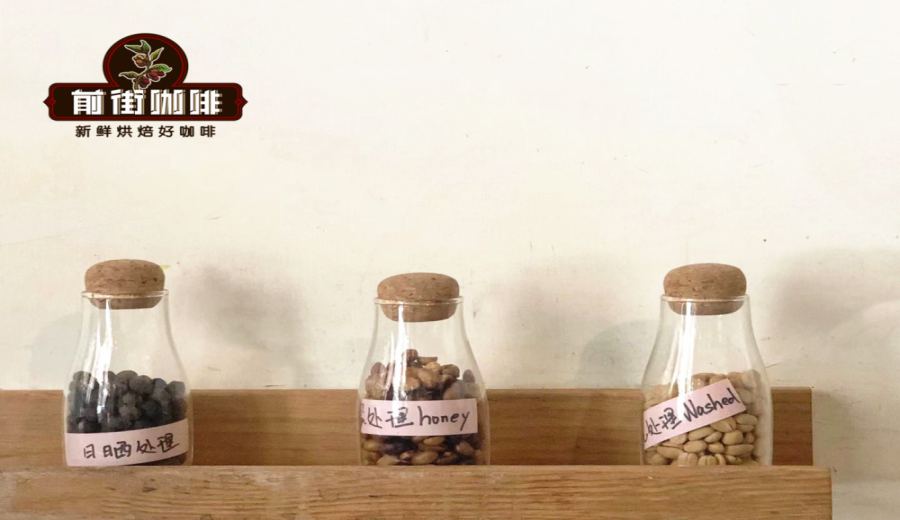
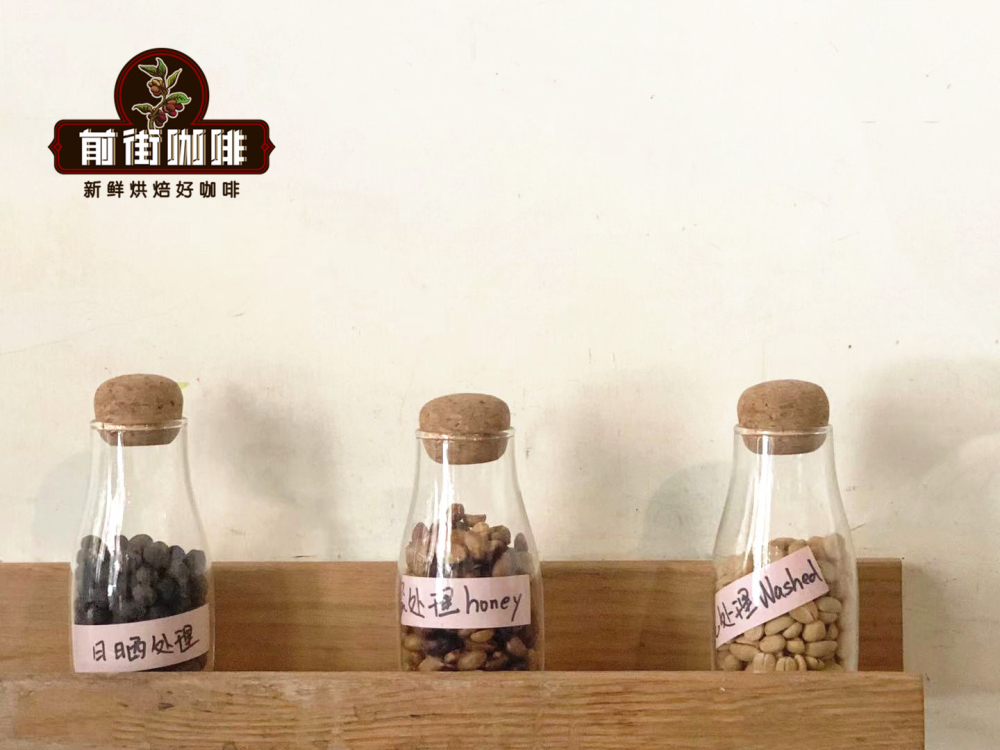
Introduction:Honey processed coffee blends characteristics of washed and natural processes, renowned for fermenting with part of the fruit mucilage retained, offering flavors that balance sweetness with complexity. This article delves into the full honey processing workflow, covering the differences among various grades such as yellow honey, red honey, black honey, and raisin honey, while providing practical pour over recommendations and parameters. It also recommends several high-quality varieties including Costa Rican Blackberry, Strawberry Candy, and Nicaraguan Red Bourbon, helping you better understand and enjoy the unique charm of honey processed coffee.
Honey processing (Honey Process) is a coffee bean processing method situated between washed and natural processes, widely used in Central America and particularly prevalent in Costa Rica. The hallmark of this technique lies in retaining part of the mucilage layer, allowing the beans to ferment during drying through the natural sugars in the mucilage, resulting in a distinctive flavor profile that is distinctly sweet, fruit-forward, and softly acidic.
The honey processing procedure can generally be divided into four main stages: fruit harvesting, pulping, mucilage drying, and subsequent storage. Each step plays a crucial role in shaping the final flavor. First, coffee cherries are harvested either manually or mechanically, then undergo initial sorting based on appearance and ripeness to ensure only optimally mature fruits proceed to the next stage.
Next comes the pulping process. The pulper removes the skin and most of the flesh from the coffee cherry, butdeliberately retains the mucilage layer—this sugary, viscous substance is the soul of honey processing. In fact, the mucilage provides about 80% of the fermentation nutrients during processing, playing a key role in the intensity of flavor and the level of sweetness. Depending on the proportion of mucilage retained, common grading categories for honey processing include yellow honey, red honey, and black honey, with mucilage retention rates of approximately60%, 75%, and close to 100%, respectively. Generally speaking, the more mucilage retained, the higher the sweetness and the richer the flavor profile after drying.
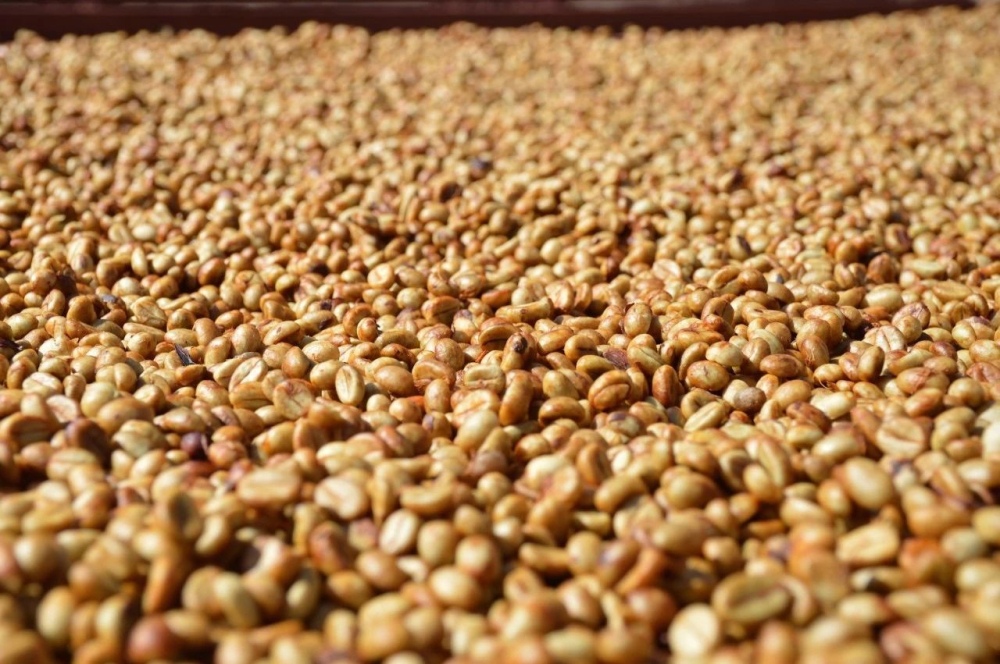
The key difference between honey processed coffee and washed coffee during the drying phase is the retention of the mucilage. The drying process reduces the moisture content from around 60% post-harvest down toabout 11%, a duration that typically spans18 to 25 days, depending on climate conditions and processing experience. Throughout drying, temperature, humidity, and turnover frequency must be closely monitored to avoid over-fermentation or mold growth.
Once dried, the coffee beans are bagged and stored in warehouses until just before export, when the outer parchment layer is removed. Proper storage during this phase is also essential for maintaining bean quality.
In major producing regions such as Costa Rica, Brazil, and Colombia, honey processing was traditionally categorized into four grades based on the amount of mucilage (also called pulp) left on the bean: 40%, 60%, 80%, and 100%. This classification aligns with the later popularized terms yellow honey, red honey, and black honey, but is fundamentally determined by variations in mucilage retention and drying conditions.
Yellow honey is typically exposed to the most sunlight, with relatively short drying times of aroundone week, resulting in a flavor that tends to be cleaner, with slightly lower sweetness but a bright acidity. Red honey, dried partially in shade or cloudy conditions over an extended period oftwo to three weeks, exhibits more pronounced sweetness and complexity. Black honey undergoes the longest drying time, usually requiringat least two weeks or more, and is processed underminimal light exposure, yielding the most intense flavors, the highest sweetness, but also the greatest processing difficulty and cost. It’s ideal for coffee enthusiasts seeking ultimate flavor profiles. To experience the richness of black honey, look out for Costa Rican Blackberry, which delivers soft floral notes, a prune-like sweetness, and a cherry-laced finish, all wrapped in a round and layered mouthfeel.
Additionally, there is a special type of honey processing—raisin honey (also referred to as date honey). This method retains100% of the mucilage, anddoes not wash off the fruit flesh at all. This represents a higher level of processing difficulty and stricter control conditions. On the day of harvest, coffee cherries are first floated in water tanks to remove unripe or overripe floaters, leaving only the densest, ripest fruits. These are then placed on raised beds to pre-dry for at least three days before the outer skin is removed, keeping the complete mucilage layer intact, followed by a lengthy drying process. During this stage, the beans must be turned frequently but gently to ensure even heat distribution and fermentation, while avoiding over-fermentation or mold. Raisin honey processed coffee often features intense fermented aromas, a sweet-and-sour balance reminiscent of white wine, and a dried fruit-like sweetness. To try this style, consider Strawberry Candy from a well-known shop, which showcases delicate notes of rose, grape, and blueberry—perfect for those who enjoy a blend of fruity and sweet profiles.
Nicaragua’s Jiménez Molina Fiallos Estate, also known as Finca Jiménez or associated with Jaime Jose Molina Fiallos, is also renowned for its honey processed Red Bourbon. Located in the La Sabana region at an elevation of1400 to 1450 metersin Madriz Province, with a harvest season from December to March each year. Processed by the estate owner Montecristo and the mill operated by Jaime Jose Molina Fiallos, the Red Bourbon variety is treated with the honey process method, resulting in coffee that offers notes of chocolate, red fruits, and pronounced juiciness, coupled with medium body and balanced acidity-sweetness, making it a favorite among many pour over enthusiasts.
When brewing honey processed coffee at home, it is recommended to use beans with a medium-light roast, ground to a medium-fine consistency (such as the standard medium-fine grind for pour over cones, roughly the size of sugar granules), with water temperature controlled between90 to 93°C. A coffee-to-water ratio of 1:15 to 1:16 is advisable, with a pre-wetting (bloom) phase of about 30 seconds followed by pulse pouring. The total extraction time should ideally fall within2 minutes 30 seconds to 3 minutes. These parameters help fully highlight the sweetness, fruitiness, and rich layered profile of honey processed coffee.
In summary, honey processed coffee, through the technique of retaining mucilage for fermentation, successfully strikes a balance between the clarity of washed coffee and the intensity of natural coffee, offering a coffee experience that is both complex and approachable. Whether you're a beginner or an advanced pour over enthusiast, understanding the characteristics of different honey processing grades can help you find the honey processed beans that best suit your taste.
The above content is compiled by CoffeeHunters, a coffee news website.


