







Introduction:Jamaica Blue Mountain coffee is renowned worldwide for its exceptional balance of acidity, sweetness, bitterness, and body, and is considered a premium choice among specialty coffee enthusiasts globally. This article delves into the growing environment, variety characteristics, and grading system of Blue Mountain coffee, and offers professional advice on pour over brewing methods, including filter selection, water temperature control, pouring techniques, and optimal coffee-to-water ratios, helping you master the core skills of brewing Blue Mountain and experience the unique charm of this top-tier coffee.
Blue Mountain coffee has always been celebrated for its delicate balance of acidity, bitterness, sweetness, and body, and is recognized globally as one of the most mellow coffees. To truly understand Blue Mountain, it's not enough to simply taste its flavors—you must also grasp its origin, variety, processing methods, and pour over techniques comprehensively. This article will take you from the growing environment of Jamaica Blue Mountain, analyzing the differences between various grades and processing methods, and detailing the best parameters and practical tips for pour over brewing Blue Mountain, ensuring you can grasp the essentials from beginner to advanced levels.
Although in recent years Geisha coffee has gained attention for its distinct floral and fruity notes and high price, in the eyes of many coffee experts, Blue Mountain coffee still stands out with its stable and elegant flavor profile. Its taste doesn't rely on a single standout characteristic, but rather on the harmonious blend of acidity, sweetness, bitterness, and body, offering a calm and layered taste experience, especially appealing to those who enjoy single-origin coffee. However, due to the extremely limited production of Blue Mountain, the commonly available "Blue Mountain-flavored blends" are often only approximations of the flavor, rather than coffee beans genuinely grown in the Jamaica Blue Mountain region.
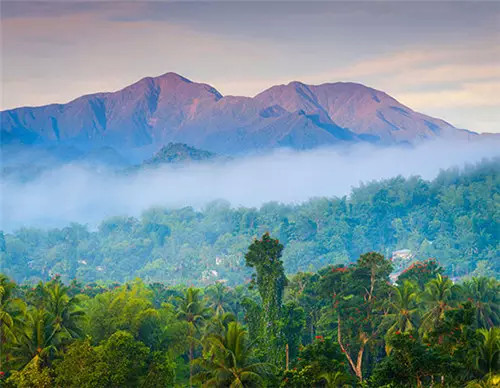
The unique flavor of Blue Mountain coffee first stems from its exceptionally favorable geographical environment. Authentic Blue Mountain coffee is grown only in specific areas of the Jamaica Blue Mountain mountain range at elevations between 910 and 1700 meters, including regions such as Saint Andrew, Saint Mary, Saint Thomas, and Portland. These areas are located in the eastern part of Jamaica, featuring a humid climate with an average annual temperature of about 27°C, along with year-round cloud cover that provides good shading and moderate temperature variation for the coffee trees. In addition, the local volcanic soil is fertile, and the steep planting slopes make harvesting difficult, all of which contribute to the high quality and rarity of Blue Mountain coffee.
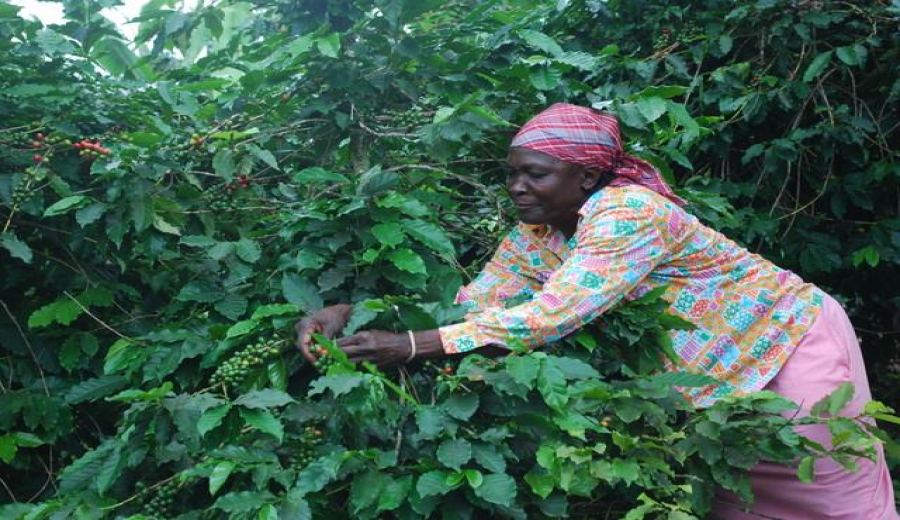
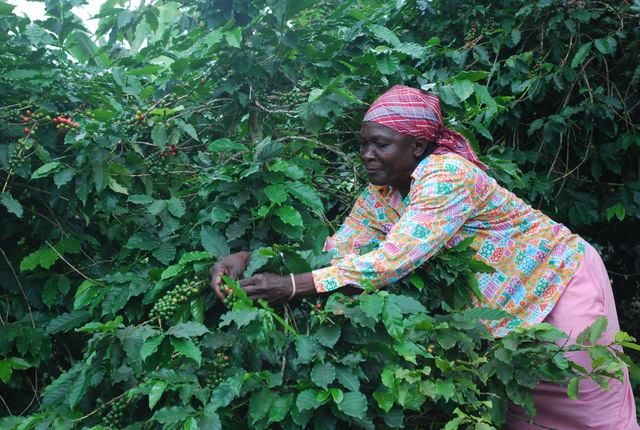
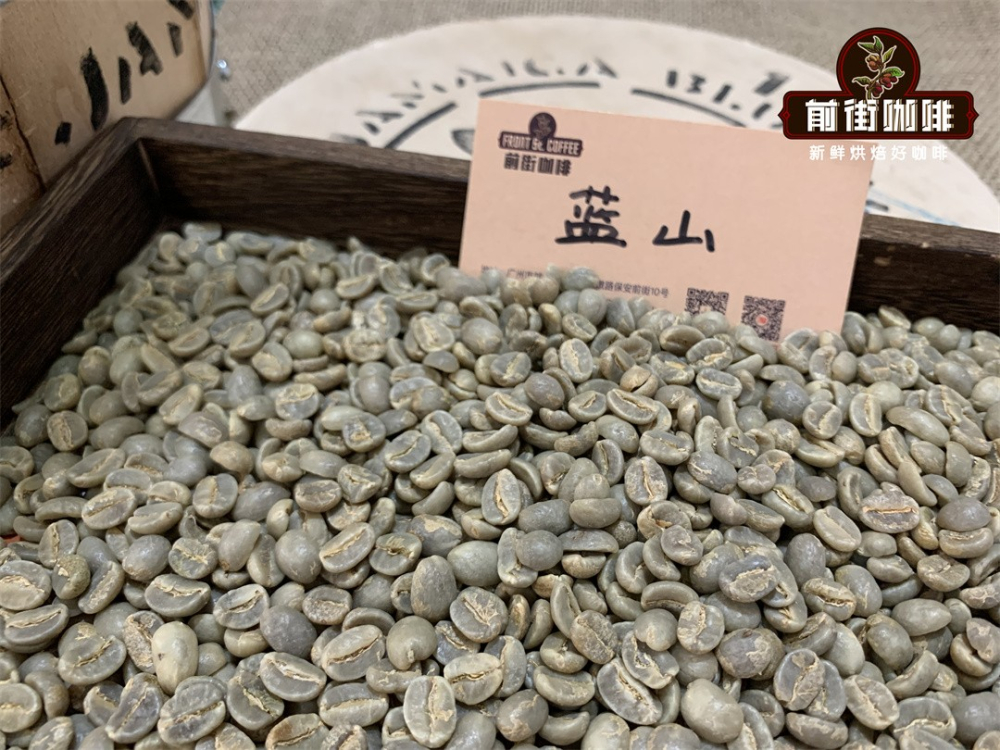
Blue Mountain coffee uses the Typica variety, one of the most traditional and historically significant Arabica varieties. Typica coffee trees have long oval-shaped leaves with smooth surfaces, tall stature, and wide branch angles typically between 50 and 70 degrees, hence it is also known as "red-topped coffee." Its cherries are bright red and cherry-like, but the variety is weak in disease resistance and has low yield, which also makes Blue Mountain coffee even more precious. The appearance of Blue Mountain coffee beans is plump, uniformly sized, and usually exhibits a bluish-green hue, a sign of high freshness and proper processing.
Jamaica classifies coffee grown in the Blue Mountain mountain range into three major categories based on altitude: Blue Mountain coffee (910-1700 meters), High Mountain Supreme (460-910 meters), and Common Grade (below 460 meters). Among them, Blue Mountain coffee is further subdivided into four grades: NO.1, NO.2, NO.3, and PB (peaberry). NO.1 is the highest grade, requiring beans larger than 17 mesh, a defect rate below 2%, and a moisture content of around 13%. The Blue Mountain No.1 green beans typically purchased meet these standards, and in terms of flavor, they exhibit a balanced acidity, sweetness, bitterness, and body, with a long-lasting and layered aftertaste.
It is worth noting that the packaging method of Blue Mountain coffee is unique, as it is shipped in wooden barrels rather than the burlap sacks commonly used for other coffees. Each wooden barrel is also stamped with a green frog logo, the certification symbol of the Rainforest Alliance, indicating that the product comes from farms that meet sustainable agricultural standards. Among them, the Clifton Estate is a well-known producer of Blue Mountain coffee that has received this certification and is one of the sources of many top-tier Blue Mountain coffees.
In terms of processing methods, Blue Mountain coffee has traditionally been primarily washed processed, but since 2019, the Clifton Estate has also introduced small batches of naturally processed Blue Mountain coffee. The washed processing steps include: floating the cherries in water to remove underripe or defective beans, then removing the pulp and skin, followed by 8 to 12 hours of fermentation, cleaning the bean surface with flowing water and friction, and finally drying the beans evenly to a moisture content of 12% to 14%. This method yields Blue Mountain coffee with a clean taste, bright acidity, and stable flavor profile, closely aligning with the classic style of Jamaica Blue Mountain.
As for pour over brewing of Blue Mountain coffee, it is recommended to use medium-dark roasting to bring out the nutty and cocoa aromas, and to choose equipment such as the KONO filter that enhances body. Specific parameters are suggested as follows: 15 grams of coffee, water temperature around 90–92°C, coffee-to-water ratio controlled at approximately 1:15, with the first stage involving a 30-second bloom using 30 grams of water, followed by pouring in a small stream in a circular motion centered on the coffee bed until reaching 125 grams for the first pour, then waiting for the coffee bed to drop before pouring up to 225 grams, with a total extraction time of about 2 minutes. These parameters can fully highlight the balanced flavors of Blue Mountain coffee while preserving its rich body characteristics.
In terms of actual tasting, washed Blue Mountain typically exhibits strong black chocolate and nutty notes, with a creamy-smooth mouthfeel and an elegantly balanced acidity, sweetness, and bitterness; naturally processed Blue Mountain may carry slight berry-like acidity, such as dark plum or mulberry, accompanied by a sense of fermentation, and the finish often showcases distinct black chocolate and nutty aromas. Regardless of the processing method chosen, factors such as water quality, water temperature, grind size, and brewing technique during extraction will significantly impact the final flavor. It is recommended to use freshly roasted coffee beans (ideally within 5 days of roasting) and to let the beans degas for 4 to 7 days before brewing to achieve the most ideal flavor expression.
The above content is compiled by CoffeeHunters, a coffee news website.


