







Introduction:Sumatra Mandheling coffee, with its rich and full-bodied flavor profile and unique layers of taste, has become a classic favorite among many coffee enthusiasts. This article delves into the origins of Mandheling, explores the growing regions and processing characteristics of PWN Golden Mandheling, helps you distinguish between Golden Mandheling, Lintong Mandheling, Tiger Mandheling, and Aged Mandheling, and provides practical pour over parameters and techniques to help you brew a distinctly layered Sumatran cup at home.
Mandheling coffee is beloved worldwide for its bold and heavy body, along with its chocolatey and nutty aroma notes. This classic coffee from Sumatra, Indonesia, is not only ideal as a single-origin pour over but is also commonly used in espresso blends to enrich the finish. This article will detail the history of Mandheling, the grading system of PWN Golden Mandheling, its regional characteristics and processing methods, and compare the differences between Golden Mandheling, Lintong Mandheling, Tiger Mandheling, and Aged Mandheling to give you a more comprehensive understanding of this classic coffee. Additionally, we offer practical pour over recommendations to help you easily recreate a rich and sweet Mandheling flavor at home.
 If you’re looking to choose a popular representative among many medium-to-dark roasted beans, Mandheling is certainly among the top contenders. With its intense aroma, solid body, and long-lasting aftertaste, it’s a classic flavor that’s hard to ignore. Many coffee shops position it as a single-origin bean, but its rich chocolate and nutty tones also make it highly suitable for inclusion in espresso blends, adding complexity to the drink. Long before Blue Mountain coffee became widely known, Mandheling was once hailed as one of the world’s top coffees. Roasted Mandheling green beans often appear in brownish-green or dark green hues, with a distinctive caramel aroma, offering a balanced bitter-sweet taste with very low acidity, making it a favorite among seasoned coffee aficionados.
When it comes to Mandheling, many people first wonder about the origin of the name. In fact, “Mandheling” is not the name of a region, port, or coffee variety, but rather a mishearing of the name of the Mandailing ethnic group in Indonesia. During World War II, a Japanese soldier tasted an exceptionally rich and smooth coffee in an Indonesian café and asked the owner what kind of coffee it was. The owner mistakenly thought he was being asked about his background and answered “Mandailing.” After the war, the soldier recalled that “Mandheling” coffee and asked an Indonesian coffee trader to ship 15 tons to Japan, where it received great acclaim. The name Mandheling has since spread far and wide. That coffee trader is none other than the now well-known PWN (Pwani Coffee Company). Currently, much of the Golden Mandheling sold by major retailers is sourced from PWN. These beans undergo at least one mechanical and three manual hand sorts to ensure consistent quality and outstanding flavor.
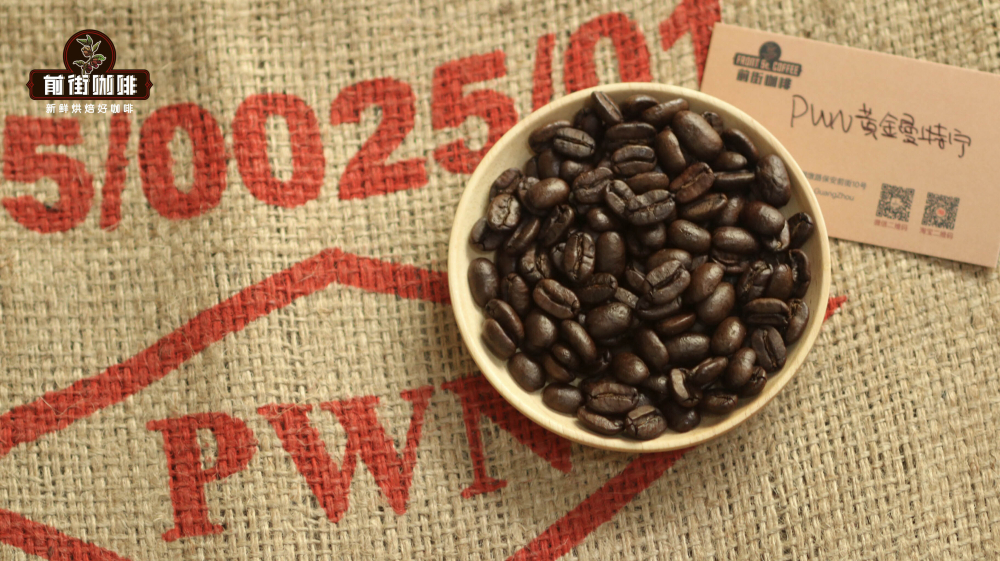 At the time, Mandheling was mainly exported to the Japanese market, where consumers had extremely high standards for coffee quality. As a result, the green beans usually underwent multiple rounds of manual sorting to remove defects, maintaining their dark green color and uniform appearance. Thanks to this, Mandheling gradually built up a reputation for high quality on the global market, winning the hearts of coffee lovers in Europe and America as well.
It’s worth mentioning that although the term “Golden Mandheling” was promoted by the Japanese market, the PWN company had already registered the trademark “golden Mandheling.” Therefore, in terms of both legal and brand legitimacy, only Mandheling produced by PWN can be called Golden Mandheling. Due to its limited production and high demand, there are many counterfeit products on the market. While some imitations strive to match its appearance and sorting process, their flavor profiles often still show noticeable gaps. Japan’s version of “Golden Mandheling” also has its own exclusive brand called “Dingshang Mandheling,” and consumers can try comparing them to discern the subtle differences.
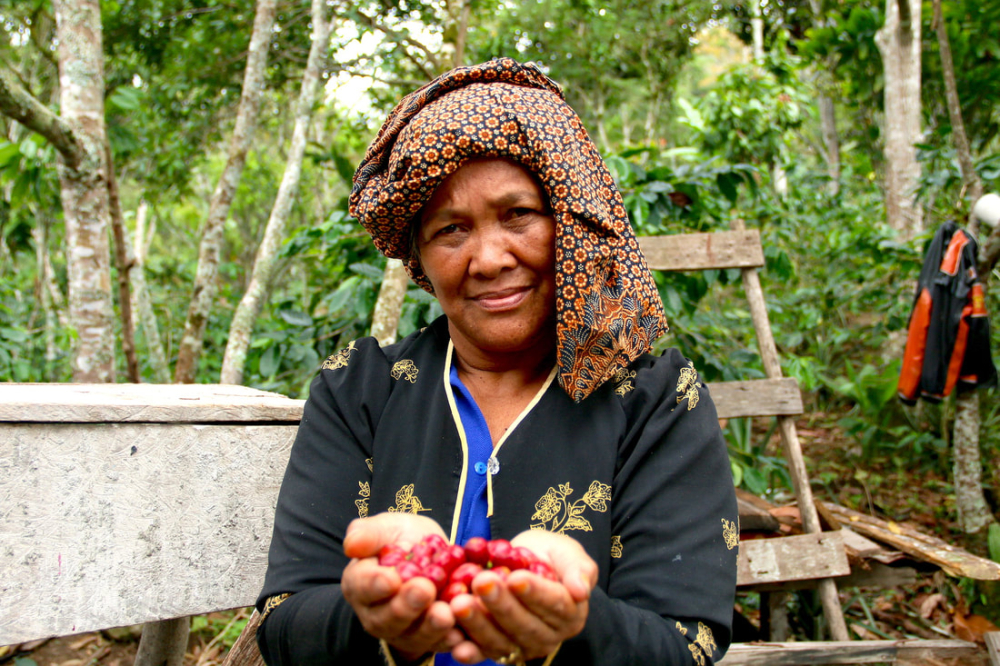 Identifying genuine PWN Golden Mandheling is actually not complicated and can be done primarily by focusing on two key elements: the official certificate that comes with the product upon factory release, and the jute sacks printed with the PWN brand logo. It’s recommended that consumers confirm with the supplier before purchasing whether these two pieces of information can be provided. If they cannot be shown, it’s wise to be cautious.
So, what’s the difference between Golden Mandheling and regular Mandheling? The key lies in the selection standards and processing procedures of the producing company. Generally speaking, even regular Mandheling, if rigorously selected, can exhibit a flavor profile close to that of Golden Mandheling. However, because the highest-quality coffee beans in Indonesia are mostly procured by PWN, the premium Mandheling available on the market still mainly comes from PWN. The Mandheling from northern Sumatra is mainly produced around Lake Toba, where the coffee is known for its full body, low acidity, and intense aroma.
Traditional Arabica coffee from northern Sumatra is often sold under the names “Lintong Mandheling” or simply “Mandheling.” Strictly speaking, Lintong refers to a small high-altitude area located southwest of Lake Toba, characterized by hilly terrain covered with abundant ferns. The coffee is mostly grown on small private farms without shade trees or the use of chemical agents. In contrast, Mandheling is a broader term that encompasses Lintong as well as nearby regions such as Diari (with its capital Sidikalang) and the northern part of Lake Toba, which share similar geographic and climatic conditions.
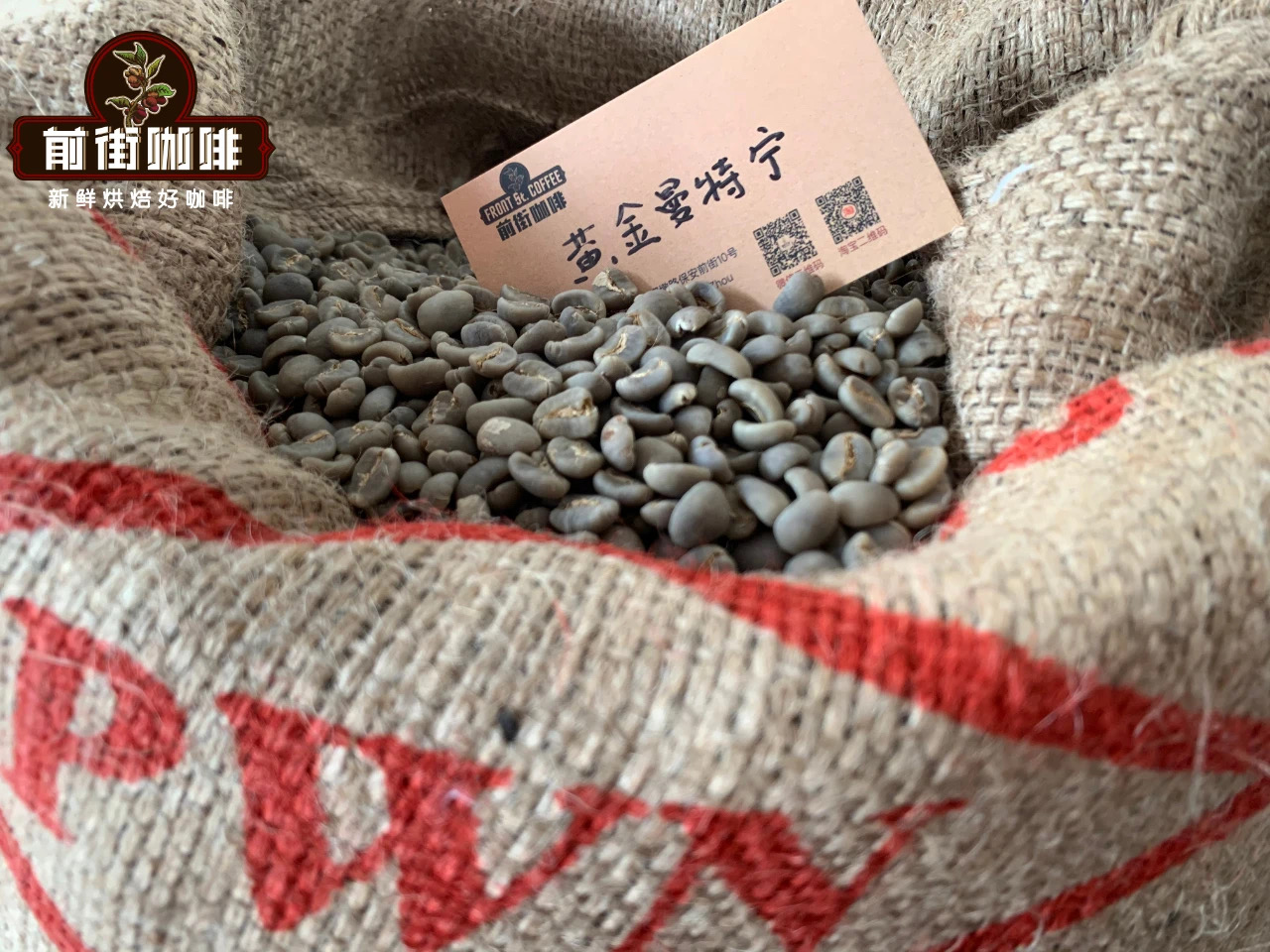
In one brand’s coffee list, besides Golden Mandheling, there are also options such as Lintong Mandheling, Tiger Mandheling, and Aged Mandheling. Their biggest difference lies in the growing region. Lintong Mandheling comes from the Lintongnihuta area southwest of Lake Toba, known for its high-altitude clay plateaus and abundant tree ferns, yielding approximately 15,000 to 18,000 metric tons of Arabica coffee per year. Tiger Mandheling originates from the Gayo highlands in northern Aceh Province, Sumatra, located around the town of Takengon and Lake Laut Tawar, with elevations ranging from 1,110 to 1,600 meters. The coffee is mostly grown by smallholders under shaded conditions, with volcanic soil and ample rainfall providing ideal growing conditions.
Aged Mandheling is a special category referring to Mandheling green beans that have been stored for a long period. The characteristic of this coffee is a pronounced sweetness, and successful aging can soften what might otherwise be overly sharp acidity, transforming it into a smoother, sweeter flavor. However, if the aging process is not properly controlled, it may lead to flavor degradation, resulting in an unpleasant cup, so careful selection is required.
Currently, many retailers only stock PWN Golden Mandheling, while other types of Mandheling are often out of stock. For Golden Mandheling, here are some practical pour over suggestions: use a KONO filter, with a dose of 15 grams, a 1:15 coffee-to-water ratio, water temperature at 86–87°C, and grind size at medium-coarse (approximately 70% passing through a #20 national sieve). Specifically, start with a 30-gram bloom for 30 seconds; then pour in a slow circular motion until reaching 125 grams for the first pour, and pause when the water level is about to expose the coffee bed; next, pour up to 225 grams before stopping, and remove the filter just before it finishes dripping. The total extraction time is about 2 minutes, yielding a well-balanced and layered Sumatran Mandheling specialty profile.
The above content is compiled by CoffeeHunters, a coffee news website.


