







Introduction:Honey processing is a common method used by Costa Rican coffee farmers to prepare green beans. By retaining varying degrees of the fruit mucilage layer, it imparts unique sweetness and layered flavors to the coffee beans. This article delves into the production process of honey processing, analyzes the differences between yellow honey, red honey, and black honey, and recommends three representative Costa Rican honey-processed coffee beans to help you find the most suitable option based on your personal taste.
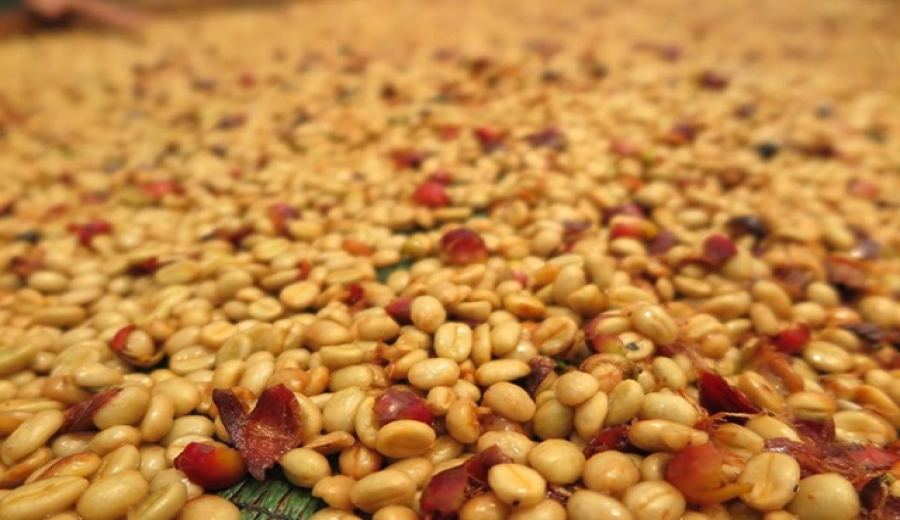
Honey processing (Honey Process or Miel Process) originates from Central America. The name comes from the Spanish word "Miel," meaning honey, and refers to the practice of retaining part or all of the fruit mucilage layer during the drying of green coffee beans. This technique evolved from Brazil’s pulped natural method and was widely adopted and refined in Costa Rica. Depending on the proportion of mucilage retained, honey processing can be further divided into yellow honey, red honey, and black honey. Generally, the more mucilage retained, the higher the coffee’s sweetness and flavor complexity.
A Detailed Breakdown of the Honey Processing Steps
The first step in honey processing is the careful selection of coffee cherries. After harvest, the coffee cherries undergo an initial screening to remove unripe, overripe, or visibly defective fruits, ensuring that only high-quality cherries proceed to the next stage. This step is crucial for the purity of the final coffee flavor.
Next, the selected cherries are sent to a depulper to remove the outer skin and pulp,whilethe sticky mucilage layer is specially retained.
The mucilage is the part of the coffee cherry richest in sugars and a key element in the fermentation process. It is understood that the mucilage provides about 80% of the sugar source throughout the processing period, significantly influencing the coffee’s sweetness and flavor development.The approximate mucilage retention ratios for the three types of honey processingare as follows: yellow honey retains about 60%, red honey about 75%, and black honey retains nearly all of the mucilage. As a result,black honey processed coffee typically has the most intense flavors, the most pronounced sweetness, and often exhibits deeper fruity and wine-like notes.

The coffee beans, having had their skin and pulp removed but with the mucilage retained, then enter a lengthy drying phase. The goal of this stage is to reduce the moisture content of the green beans from around 60% down to approximately 11%. This drying process usually takes 18 to 25 days, depending on local climate conditions and the experience of the processing facility. During drying, temperature, humidity, and ventilation must be closely monitored to avoid over-fermentation or the risk of mold.
Once drying is complete, the coffee beans are temporarily bagged and stored, generally awaiting hulling (removal of the parchment layer) just before export, keeping the inner green beans intact for export and roasting.
Comparison of Characteristics: Honey Processing vs. Other Methods
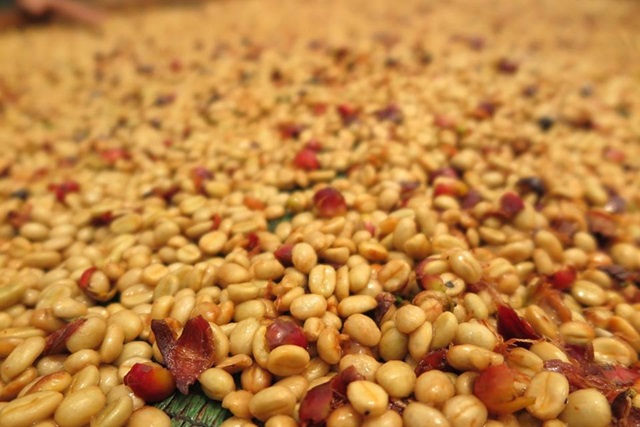
Compared to washed processing, honey-processed beans retain the mucilage, resulting in more pronounced fermentation flavors and typically a rounder mouthfeel with stronger sweetness. Compared to traditional natural (sun-dried) processing, honey processing—having removed the skin and pulp—offers a cleaner flavor profile with clearer acidity, while still retaining rich sweetness and fruity tones.
As a pioneer and promoter of honey processing techniques, Costa Rica boasts relatively mature processing craftsmanship and stable quality, making it a top choice for sourcing high-quality honey-processed coffee.
Three Recommended Costa Rican Honey-Processed Coffees Worth Trying
If you’d like to experience the charm of honey-processed coffee, the following three Costa Rican honey-processed coffee beans each offer unique flavor profiles, catering to different preferences among coffee enthusiasts.
1. Blackberry-Flavored Honey-Processed Coffee Beans
This coffee, when brewed, presents distinct sweetness notes of longan, grape, and honey, accompanied by gentle floral undertones. It has a rich, smooth mouthfeel with a lasting and pronounced aftertaste, making it ideal for those who prefer low acidity and value sweetness and layered complexity. When used for Americano preparation, it achieves a good balance of acidity and bitterness, delivering a stable and well-layered overall flavor.
2. Strawberry Candy Blended Coffee Beans
This is a high-altitude blend from two regions—Panama and Costa Rica—combining the floral and fruity notes of washed Geisha with the rich sweetness of Costa Rican honey processing. Roasted to a medium level, it highlights clear floral and fruity tones while also bringing out moderate caramel and roasty aromas. Upon tasting, one can perceive rich flavors of raisin, preserved fruit, and rose, making it a highly distinctive specialty blend.
3. Mozart Raisin Honey-Processed Beans
These Costa Rican beans are renowned for their sweet flavor reminiscent of Kyoho grapes. Using a raisin-style honey processing method, the coffee fruit undergoes slow fermentation, concentrating the sugars. Roasted to a medium-light level, it accentuates its intense raisin, rose, and natural wine-like flavors, making it ideal for coffee drinkers who enjoy strong fruitiness and a hint of fermented character.
Things to Note When Purchasing Honey-Processed Coffee
When selecting honey-processed coffee beans, it is recommended to chooseproducts with a fresh roast dateand prioritize beans from reputable roasters to ensure consistent quality. Freshly roasted coffee beans not only have more vivid flavors but also fully showcase the sweetness and fruity layers brought by honey processing. Additionally, adjusting grind size and water temperature according to your brewing method can help bring out the best flavor performance.

The above content is compiled by CoffeeHunters, a coffee news website.


