








Introduction:Yirgacheffe is one of Ethiopia’s most iconic coffee-growing regions, renowned for its bright acidity and delicate floral and fruity notes. This article delves into the region’s geography, the distribution of major cooperatives, the flavor differences between washed and natural processing methods, and provides expert recommendations on roasting and pour over brewing to help you master the brewing techniques of this classic specialty bean.
Yirgacheffe is not a type of coffee drink, but a well-known coffee-producing region in southwestern Ethiopia famous for cultivating high-quality Arabica beans. Coffee from this area often features fresh floral aromas, citrus notes, and a tea-like aftertaste, making it extremely popular in the global specialty coffee market. Whether you’re a coffee beginner or an advanced enthusiast, understanding Yirgacheffe’s regional background, processing techniques, and ideal extraction methods will allow you to better appreciate its unique flavors.
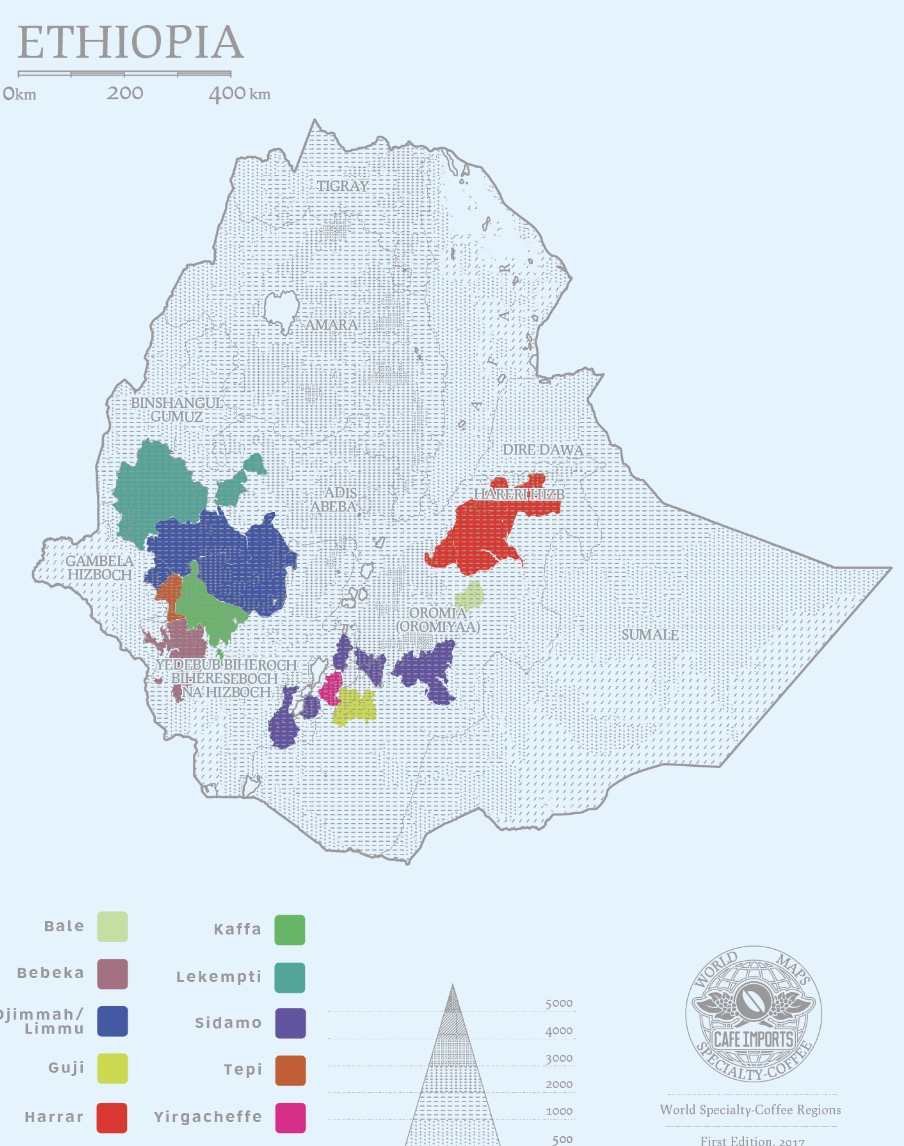
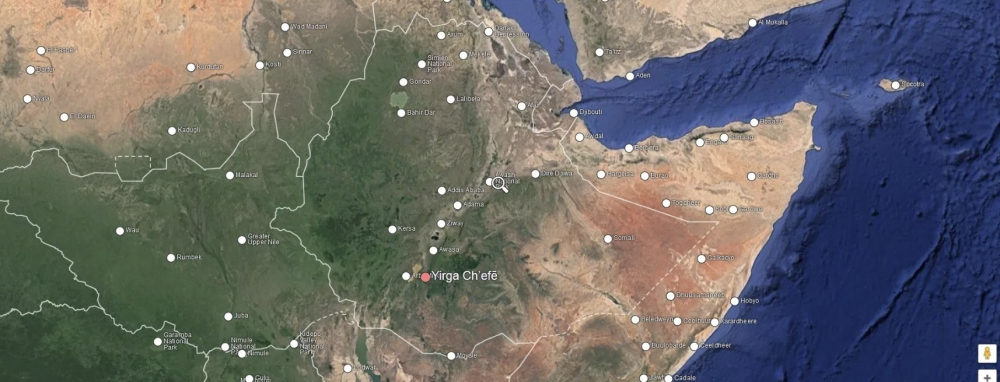
Located in southern Ethiopia, Yirgacheffe was originally a small town within the Gedeo Zone. In 2010, due to the uniqueness of its coffee flavors, it officially became independent from the Sidama region. The area benefits from high altitudes (averaging around 1700 to 2100 meters), abundant water sources, and suitable day-night temperature variations — ideal conditions for Arabica coffee trees. These geographical factors contribute to the fine acidity and rich aromatic layers of Yirgacheffe coffee beans.
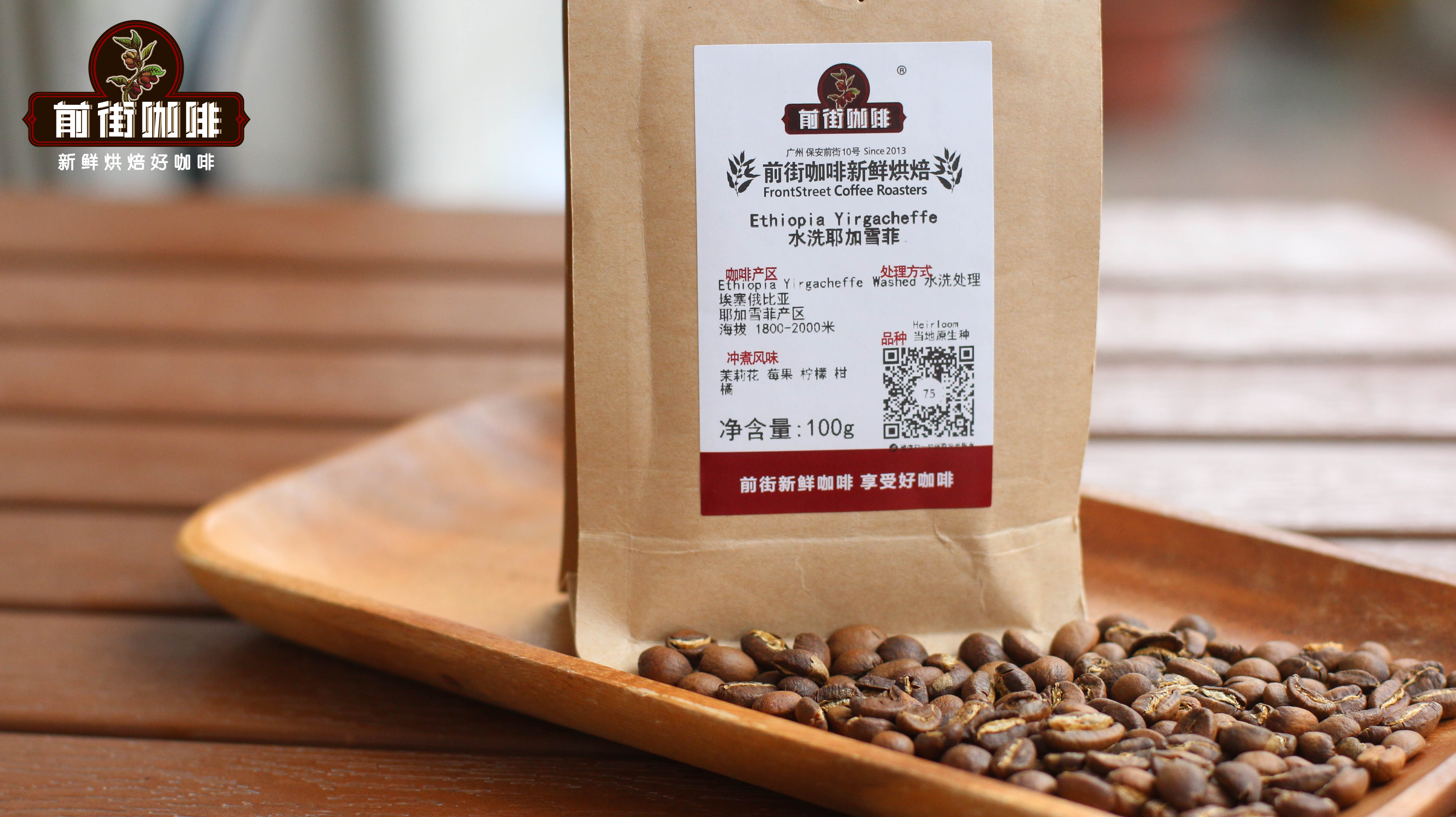
When it comes to coffee varieties in Yirgacheffe, most are labeled as “Ethiopian Heirloom.” Since Ethiopia is the birthplace of coffee, the region has a large number of wild or semi-wild coffee tree varieties that have not been commercially subdivided and possess genetic diversity — these are commonly referred to as heirloom varieties. Due to the diverse range of varieties and common hybridization, Yirgacheffe coffee beans often vary in size and offer a wide spectrum of flavors.
The Yirgacheffe region is home to many small-scale coffee farmer cooperatives. These cooperatives not only ensure fairer compensation for farmers but also allow consumers to trace the origin and processing details of each lot. Among the most representative are cooperatives such as Gotiti, Konga, Werka, Hafursa, and IDIDO. These single-origin cooperatives are not regulated by the Ethiopian Commodity Exchange (ECX), enabling them to trade directly with international buyers and preserve more distinctive flavors and quality control.
The Gotiti cooperative is located in the Wolkite district, southeast of Yirgacheffe. It became independent from the original Wolkite cooperative in 2012 and is composed of about 300 farmers. The cooperative excels in traditional washed and natural processing methods. Its washed beans often exhibit a clean citrus acidity, subtle white floral notes, honey sweetness, and a refreshing green-tea-like aftertaste.
The cooperative is situated in the Gedeo region, where the soil is iron-rich and deep, supporting healthy coffee tree growth and nutrient absorption. It once released a Konga natural-processed lot with vibrant citrus acidity, intense berry juice flavors, and a honey-sweet, creamy-smooth finish.
The Werka cooperative belongs to the YCFCU alliance and is located in a remote mountainous area with challenging transportation conditions, which has helped preserve its original and pure processing style. Certified organic by the EU Skal, the cooperative mainly uses washed and natural methods. Its washed beans are characterized by lemon and grapefruit acidity, complemented by ginger flower, honey, and Tieguanyin tea-like notes, offering distinct layering.
The Hafursa cooperative is one of the earliest-established cooperatives in Ethiopia, founded in 1975. It lies on high-altitude slopes ranging from 1850 to 2100 meters above sea level. Thanks to its superior growing environment, its coffee beans often feature a balanced acidity-sweetness structure and delicate aromas.
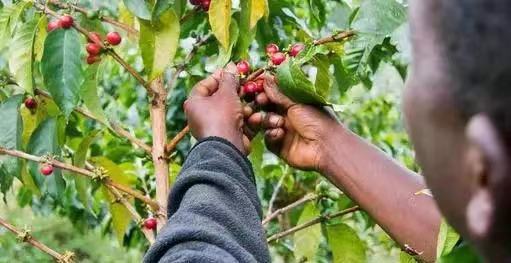
The IDIDO cooperative is located in the high-altitude valleys of Yirgacheffe town, with abundant annual rainfall and coffee cultivation at around 2000 meters above sea level. Local smallholder farmers harvest fully ripe red cherries between December and February each year. With good processing techniques and fertile soil, the resulting beans often exude captivating floral notes reminiscent of Geisha, with refined and enchanting flavors.
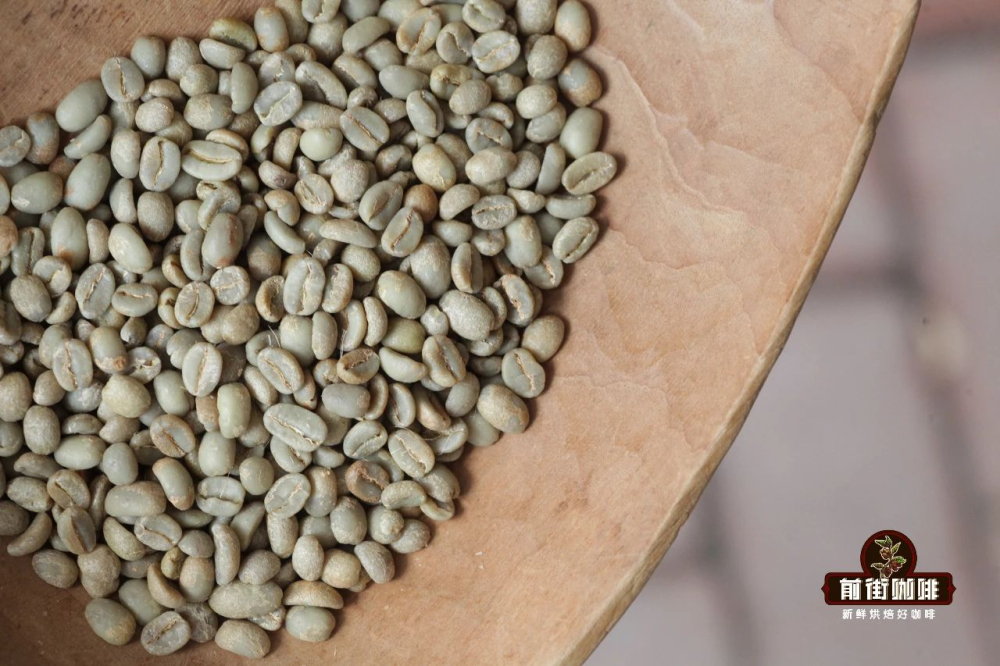
Coffee processing in Yirgacheffe primarily involves two methods: washed and natural. Washed processing involves removing the fruit skin and pulp, fermenting to remove the mucilage, then washing with clean water and sun-drying. This method highlights clean, bright acidity and clear fruity tones. In contrast, natural processing keeps the coffee fruit intact, allowing the sugars in the pulp to penetrate the seeds during prolonged sun drying, resulting in a richer sweetness and fermented aroma, with flavors typically more rounded and full-bodied.
For roasting Yirgacheffe, a light roast is recommended to preserve its bright acidity and delicate floral and fruity aromas. Beans are usually shipped within five days post-roast to ensure they are at their optimal flavor window. For home pour over brewing, a medium-fine grind (similar to the size of granulated sugar, approximately 80% passing through a Chinese No. 20 sieve) is advised, with water temperature controlled between 90–92°C.
A 1:15 coffee-to-water ratio is recommended, using a three-stage pouring technique: start with a 30-second bloom using 30 grams of water; then pour in small amounts of water in a circular motion up to 125 grams, wait for the water level to drop halfway, then continue pouring up to 225 grams. The total extraction time should be kept between 2 minutes and 2 minutes 10 seconds to fully showcase Yirgacheffe’s nuanced layers and unique flavors.
The above content is compiled by CoffeeHunters, a coffee news website.


