







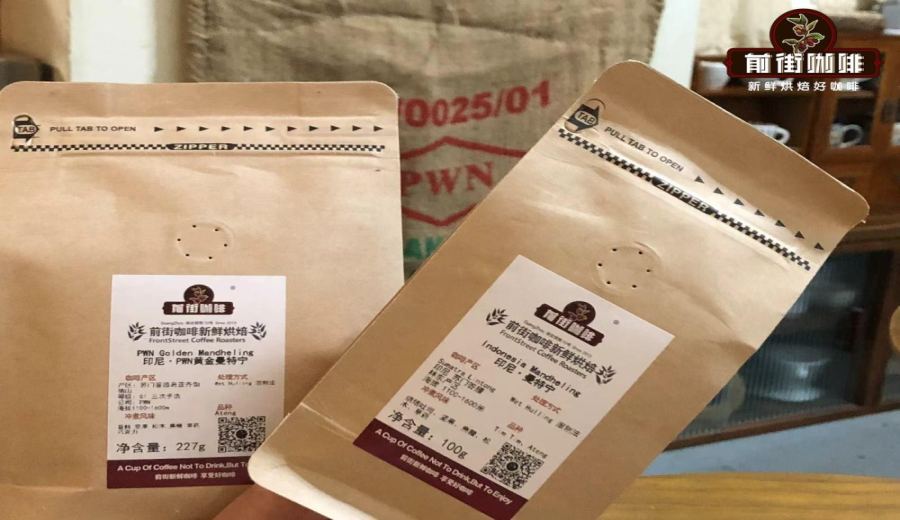
Introduction:Indonesian Sumatran Mandheling coffee is renowned for its bold, full-bodied flavor with herbal and spicy notes, particularly from the distinctive "Two Lakes, Two Mandhelings" regions. What exactly creates this classic herbal aroma? This article delves into the terroir secrets and craftsmanship of this iconic coffee, covering everything from regional environments and varietal evolution to wet hulling processing and roasting profiles.
When it comes to Indonesian coffee, many people immediately think of Mandheling. This coffee, famous for its rich body and unique herbal and spicy aromas, is a favorite among many serious coffee enthusiasts. In the industry’s bean menus, the darkest-roasted option is often from Indonesian Mandheling, with its intense spicy character, herbal notes, and caramel and cocoa finish leaving a lasting impression. But how exactly does this herbal flavor come about? We’ll explore the flavor origins of this classic coffee by examining Sumatra’s geography, coffee varietal background, wet hulling processing in tropical climates, and the actual performance of the renowned “Two Lakes, Two Mandhelings” producing regions.
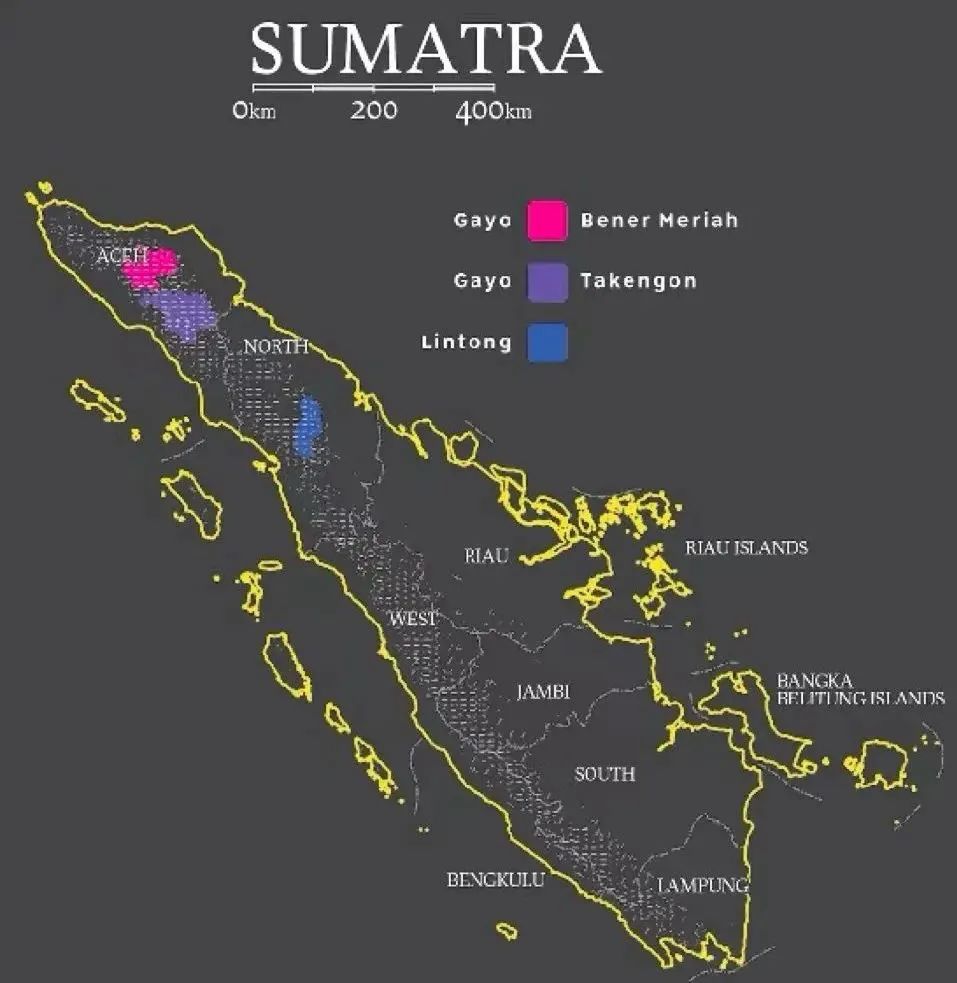
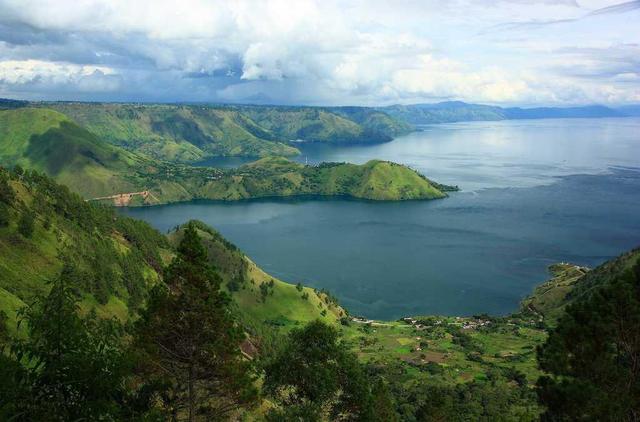
Sumatra is Indonesia’s largest island and the primary origin of Mandheling coffee. Interestingly, the name “Mandheling” actually originates from the name of a local ethnic minority rather than a coffee variety, but over time, the term has almost become synonymous with Sumatran coffee. The core producing areas of Mandheling are concentrated in northwestern Sumatra, with the two most famous regions being the Gayo Mountains (Gayo) and Tawar Lake area in Aceh Province, as well as the area around Lake Toba in North Sumatra Province—collectively known in the industry as the “Two Lakes, Two Mandhelings.” These regions sit at elevations of about 1,100 to 1,600 meters, with hilly terrain and fertile volcanic soil providing ideal growing conditions for Arabica coffee.
Indonesia’s coffee cultivation history dates back to the 18th century, when the island primarily grew traditional Arabica varieties such as Typica and Bourbon. However, with the outbreak of coffee leaf rust in the late 19th century, a large number of coffee trees were infected, leading to a sharp decline in production. To restore output, more disease-resistant varieties were introduced, including Robusta. This turning point in cultivation history also laid the groundwork for the unique flavors of Mandheling.
Currently, the main varieties grown in Sumatra are Ateng and TimTim. Although their names sound like new varieties, they are actually local colloquial terms for Catimor and Timor. It’s worth noting that only Catimor grown on Sumatra and other indigenous Indonesian islands is referred to as Ateng. Timor is a natural hybrid originating from East Timor, a cross between Arabica and Robusta. Although it is still classified as Arabica, it carries Robusta’s disease-resistant genes. Catimor, in turn, is an F1 hybrid group derived from Timor and Caturra.
Robusta itself contains higher levels of caffeine, amino acids, and chlorogenic acid, with chlorogenic acid being the main compound responsible for bitterness and herbal flavors. Therefore, Ateng and TimTim, which have Robusta lineage, are more likely to exhibit unique notes such as herbal and earthy tones in their flavor profiles. This is also why Sumatran Mandheling always carries a hint of distinctive “wildness.”
Beyond varietal factors, Indonesia’s tropical rainforest climate has also had a profound impact on coffee processing methods. With year-round high temperatures, frequent rainfall, and humidity levels consistently between 70% and 90%, traditional sun-drying methods are difficult to carry out effectively. To overcome this challenge, Indonesian farmers developed the unique “wet hulling” method (known in Indonesian as Giling Basah). This process is similar to the washed method in its early stages, involving fermentation and initial sun drying, but the coffee beans still retain relatively high moisture content. At this point, the parchment layer is directly removed using a hulling machine, and the beans are then further dried until their moisture content drops to 12%–15%. Although this method may seem rough, it significantly shortens the drying time and improves efficiency.
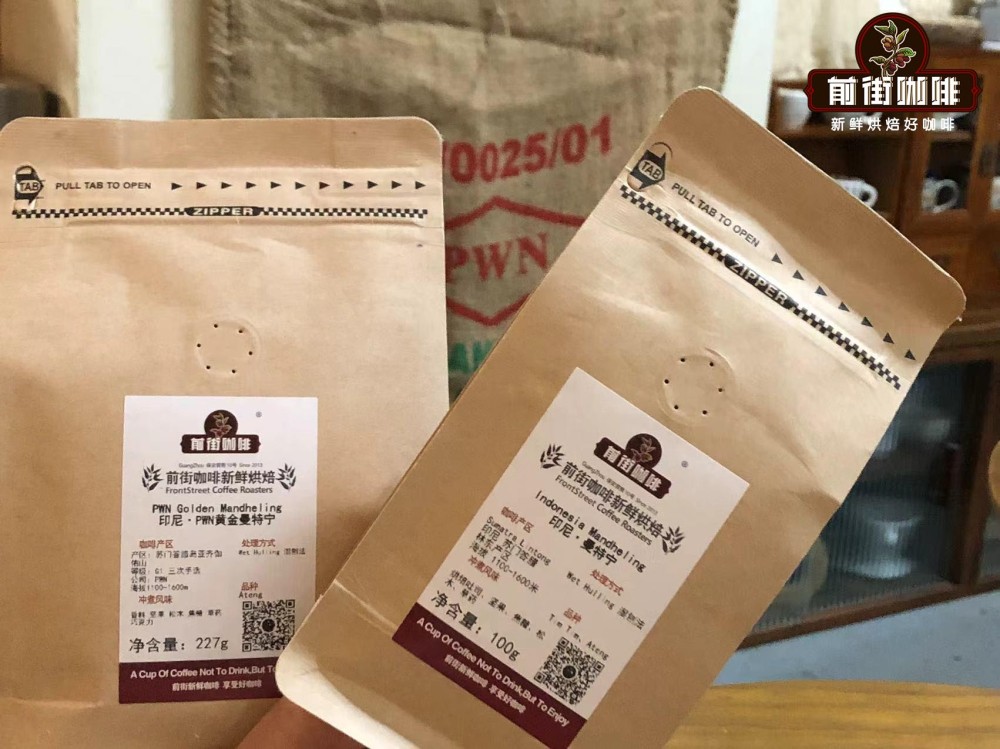
However, the wet hulling process can also cause some physical damage to the coffee beans, often resulting in hoof-shaped cracks on the bean surface—hence the nickname “hoof beans.” But it is precisely this rugged processing approach that gives the final coffee a richer, bolder flavor with a unique profile. Currently, the Lindong Mandheling used in the industry’s entry-level selection series is made from the Ateng and TimTim varieties and processed using wet hulling. To fully showcase the classic characteristics of Mandheling, these beans are usually deeply roasted, allowing the beans’ compounds to further caramelize and ultimately deliver a complex aroma of distinct herbal, piney, caramel, and dark chocolate notes—making it a classic flavor benchmark beloved by many coffee enthusiasts.
The above content is compiled by CoffeeHunters, a coffee news website.


