







Introduction:The washed processing method is the preferred technique for many specialty coffee beans, highlighting bright acidity and a clear flavor profile. This article delves into the historical background and processing steps of the washed method, explaining how it delivers stable and highly recognizable regional characteristics. It also recommends several commonly available washed beans on the market, including classic origins such as Yirgacheffe, while providing practical V60 pour over parameters and flavor guidance to help coffee beginners explore terroir through washed batches.
The washed processing method is not only one of the most traditional refining methods in the coffee industry but remains a mainstream choice for many specialty coffee beans to this day. Compared to the natural (sun-dried) process, the washed method imparts a cleaner mouthfeel and more pronounced acidity, making it particularly well-suited for showcasing the unique terroir of specific regions. This article will detail the washed process and its historical origins, analyzing how it enhances coffee’s cleanliness and consistency. It also recommends several popular bean varieties such as Fruit Dingding Cooperative, Little Tomato, Panama Geisha (also known as "花蝴蝶"), Diamond Mountain, and Ethiopian washed Yirgacheffe, while offering detailed V60 pour over operation suggestions and flavor profiles to help you deeply understand the unique characteristics of each producing region through washed lots.
Image placeholder: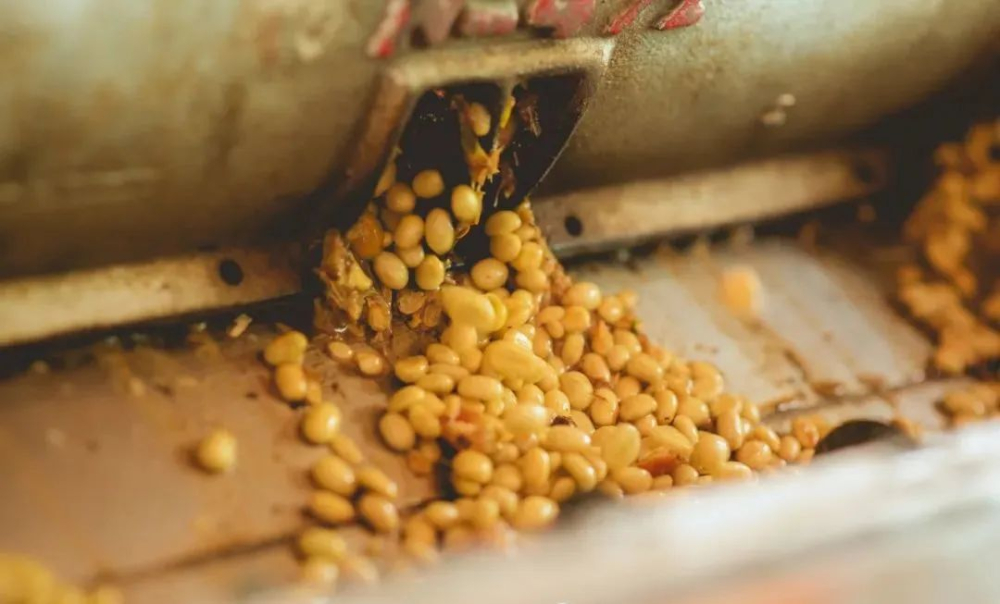
Among the many green coffee processing methods, washed processing stands out for its high standards and stable performance. Compared to the natural process, washed coffee typically exhibits more prominent acidity, clearer layers of fruit aroma, and a clean, defect-free mouthfeel—traits that make it a favorite among professional baristas and coffee enthusiasts. From market coffee menus, it’s easy to find many classic washed beans such as Fruit Dingding Cooperative, Little Tomato, Panama Geisha, Diamond Mountain, and even Ethiopian washed Yirgacheffe, all of which use washed processing to create fresh, bright, and highly distinctive flavor profiles. These are ideal for purchase and tasting through professional platforms or reliable channels.
Looking back at the evolution of coffee processing techniques, the earliest methods were predominantly natural (sun-dried)—that is, freshly harvested coffee cherries were directly exposed to sunlight and dried naturally to remove moisture. While this method is simple and low-cost, it is highly dependent on weather conditions and prone to mold and off-flavors in humid or high-temperature environments, resulting in very unstable quality. At the time, sun-dried beans without strict quality control were often classified as lower-grade G3 products. As market demand for higher coffee quality grew, standardization and quality control became key drivers of industry transformation.
It was against this backdrop thatin 1740, the Dutch first introduced the washed processing method in the West Indies, using water and fermentation techniques to remove the mucilage layer from the surface of coffee beans. This not only significantly improved drying efficiency but also effectively suppressed mold and pests, ensuring the quality and hygiene of the beans. This innovation made washed beans a symbol of high-quality coffee. Later,the invention of the coffee pulper in 1844further enhanced the efficiency and precision of washed processing. However, the washed method consumes a large amount of water—on average, processing 200 kilograms of green beans requires 10 to 20 tons of fresh water—so processing facilities are usually located in areas with abundant water resources. This shows that its development was driven not only by flavor considerations but also by a comprehensive balance of production capacity and quality control.
Image placeholder: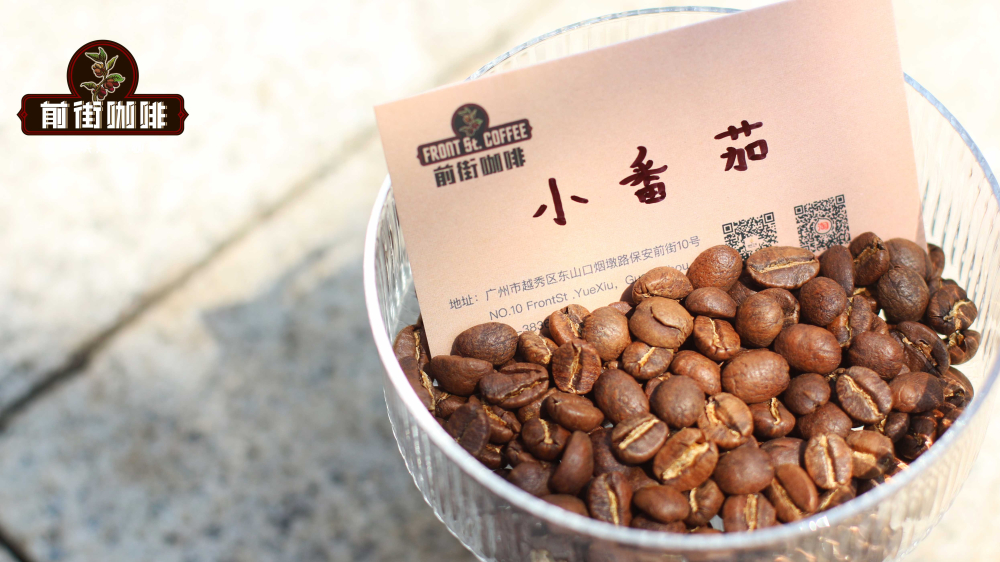
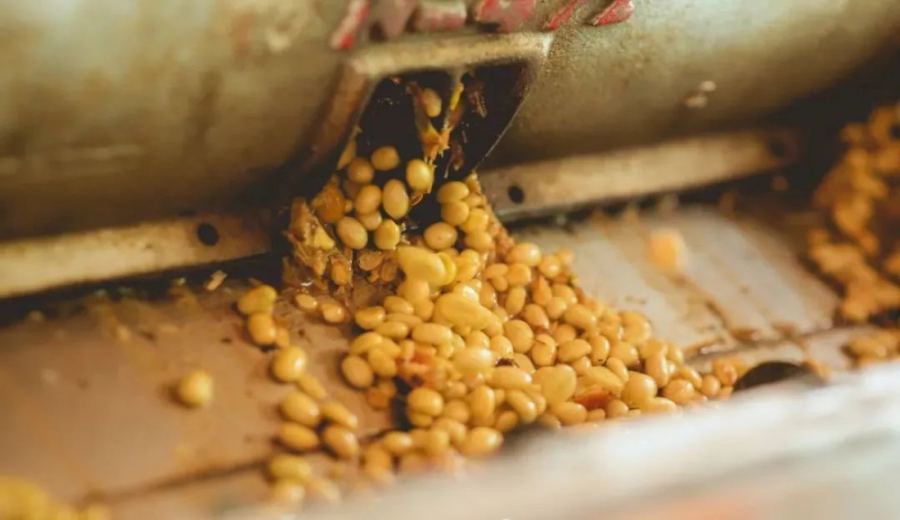
The washed processing procedure is quite meticulous, beginning with the floatation step after harvesting, where water buoyancy is used to screen out unripe or defective cherries. Next, mechanical removal of the skin and pulp smoothens the surface of the coffee beans, which are then transferred to fermentation tanks for an overnight soak. During fermentation, the mucilage gradually breaks down due to the action of acidic substances, making it easier to wash away afterward. Even after fermentation, trace amounts of mucilage may remain, so manual or mechanical brushing for 30 to 60 minutes is required, along with continuous rinsing with running water to ensure the beans are clean. Then, through a specially designed channel, beans of inferior quality are separated based on density differences. Finally, the selected parchment beans are evenly spread on racks or mesh beds and dried naturally to reach the target moisture content, completing the entire washed process.
Each step of the washed method effectively removes defective beans and foreign matter, significantly reducing the overall defect rate. In terms of flavor, because the beans dry without being encased in fruit pulp, the result is a cleaner, brighter acidity that clearly showcases the unique characteristics of the producing region. If you want to deeply explore the “terroir flavor” of a particular origin, consider starting with washed lots from that area. Take Ethiopian Yirgacheffe, for example—its coffee, processed via the washed method, exhibits delicate citrus notes, elegant white floral aromas, and a honey-like sweet aftertaste, making it a global benchmark for flavor among coffee enthusiasts.
It’s worth mentioning that although Ethiopia is the birthplace of coffee, limited water resources historically led to the traditional use of the natural (sun-dried) method for processing coffee, causing beans to easily absorb impurities or suffer from uneven drying that affected quality. To address this,in 1972, the local government introduced modern washed processing technology and equipment from Central and South America, significantly raising the processing standards of regions like Yirgacheffe. This resulted in coffee with a crisper acidity and more complex aromatic layers, also prompting Yirgacheffe to break away from the Sidamo region and establish itself as one of the world’s renowned specialty coffee origins.
Image placeholder: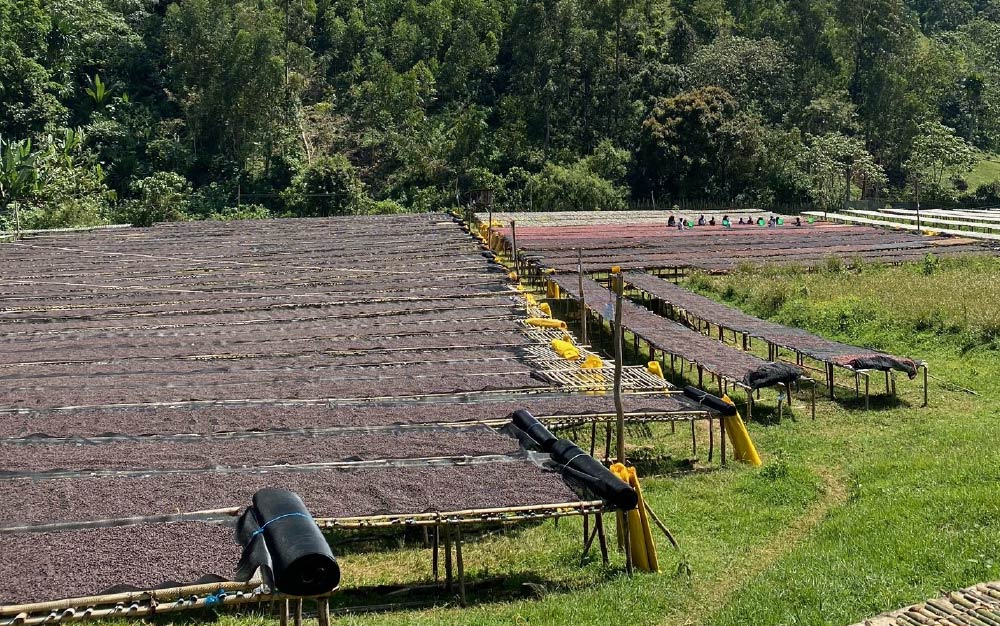
Among the many washed beans available on the market, Ethiopian washed Yirgacheffe regular coffee beans are an extremely representative entry-level choice. Made from local native coffee varieties and roasted to a medium-light level, they are not only affordable but also come in small packaging to minimize waste—ideal for beginners. When brewed, they often display pronounced jasmine floral notes, bright acidity of citrus and lemon, paired with a natural honey-like sweetness, delivering an overall balanced and layered cup.
For those new to pour over coffee, we recommend using a V60 dripper to brew washed Yirgacheffe. Below are tested reference parameters: Use 15 grams of coffee grounds with a 1:15 coffee-to-water ratio, ground to a fineness similar to superfine sugar (recommended to sieve with a #20 sieve to achieve about 78% fine particle passing rate). Start the brew by pouring 30 grams of 92–93°C hot water for a 30-second bloom, followed by pouring 95 grams of water (scale reading approximately 125 grams) within about 1 minute; when the water level drops to two-thirds of the coffee bed, pour the remaining 100 grams (scale reading approximately 225 grams), with a total extraction time of about 1 minute and 35 seconds. Finally, once dripping is complete, remove the dripper and enjoy.
This brewing method fully highlights the bright acidity and aromatic characteristics of washed Yirgacheffe beans, making it ideal for coffee lovers who enjoy a vibrant mouthfeel and fruity flavor profile. Upon tasting, you’ll notice distinct jasmine floral notes, lively acidity of lemon and citrus, and as the temperature cools, the aftertaste gradually reveals berry, cream, and sugarcane sweetness. The finish is smooth, the overall mouthfeel is exceptionally clean, and it serves as an excellent entry point for understanding both the washed process and regional flavors.
Image placeholder: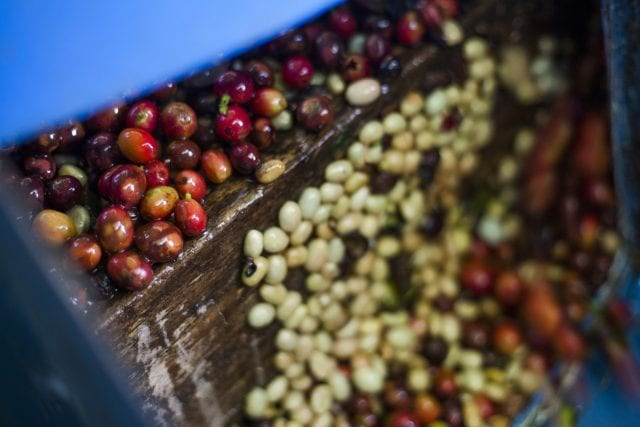
The above content is compiled by CoffeeHunters, a coffee news website.


