







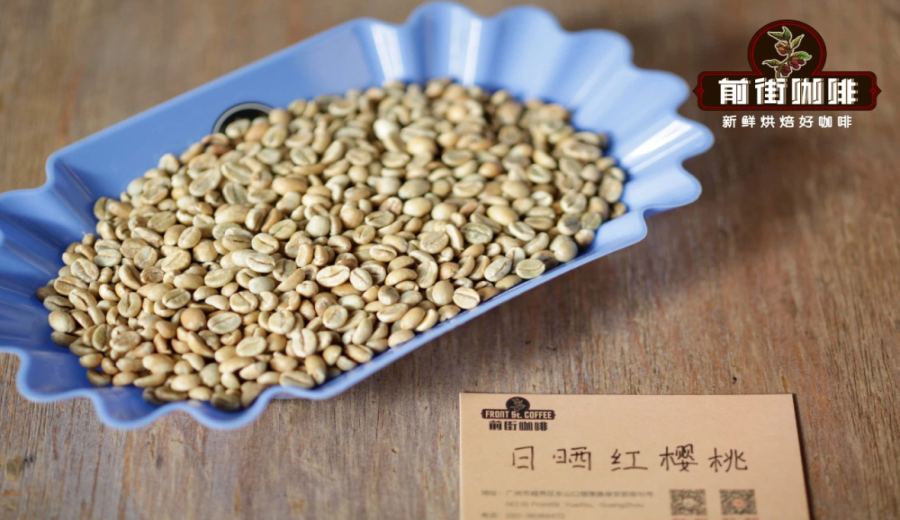
Introduction:Yirgacheffe is one of Ethiopia’s most iconic specialty coffee regions, renowned for its unique white floral notes and bright lemon-citrus acidity. This article delves into the region’s geography, varietal background, evolution of processing techniques, and compares the flavor differences between washed and natural processed coffees. It also provides practical pour over brewing parameters to help readers fully grasp the essence of this classic coffee, offering valuable insights for both beginners and seasoned enthusiasts.
Though small in size, Yirgacheffe coffee beans possess highly distinctive flavor characteristics—especially when lightly roasted, they often showcase bright lemon, soft floral notes, and honey-like sweetness, with lively acidity and a green-tea-like freshness in the aftertaste. This coffee delivers a round and delicate mouthfeel without the need for milk or sugar, making it beloved by specialty coffee lovers worldwide.
The Significance and Geography of Yirgacheffe
Yirgacheffe is not only a famous specialty coffee region in Ethiopia but also one of the country’s coffee symbols. This small town located in Ethiopia’s Southern Nations, Nationalities, and Peoples' Region within the Sidama Zone sits at an altitude of approximately 1700 to 2100 meters, with coffee trees primarily grown above 1800 meters, making it one of the highest-altitude coffee-growing regions in the world. In the local language, "Yirga" means "to settle down" and "Cheffe" means "wetland," indicating that this land has long been a water-rich wetland environment.
In 2010, the Ethiopia Commodity Exchange officially separated Yirgacheffe from the Sidamo region, turning this small town, known for its unique flavors, into a globally recognized specialty coffee region. Yirgacheffe coffee, with its signature white floral notes and citrus acidity, has become one of the representative flavor profiles of African coffee.
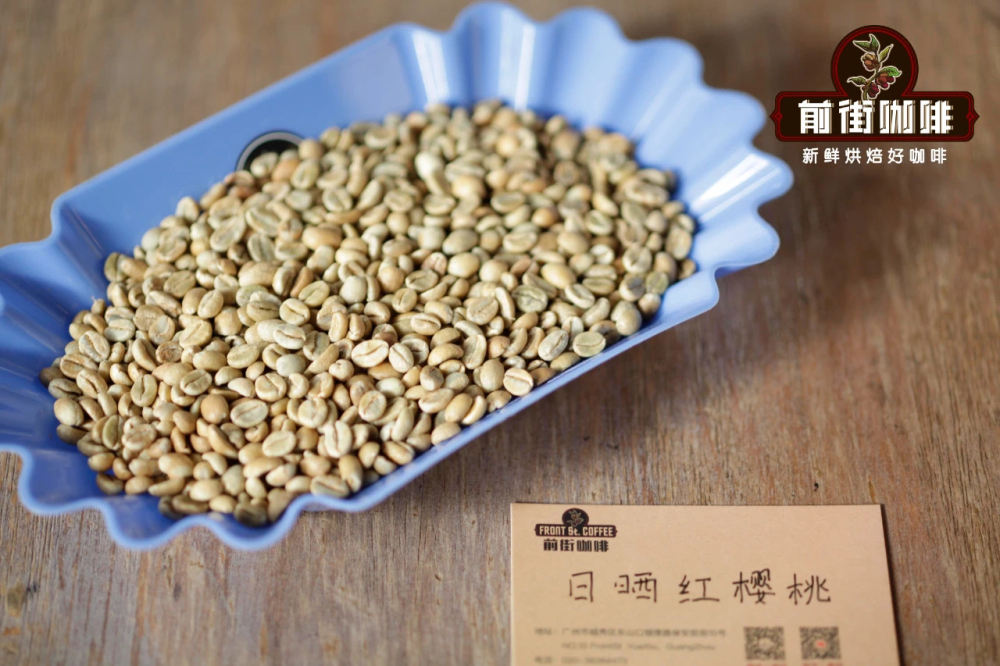
Why Are Yirgacheffe Coffee Beans Smaller in Size?
Many consumers, when tasting or purchasing Ethiopian coffee, often notice that the beans vary in size and shape and are usually labeled under the varietal column as “local landrace.” This actually reflects Ethiopia’s genetic diversity as the birthplace of coffee. It is estimated that the country has tens of thousands of coffee varieties that have not yet undergone complete genetic identification. To protect these precious genetic resources—and due to the challenges of identification—the local government collectively refers to them as “local landrace” (HEIRLOOM), commonly translated in Chinese as native or ancient varieties.
These landrace varieties mostly exhibit unique flavor profiles and are also one of the key reasons why Yirgacheffe coffee can present such diverse aromas and taste experiences.
Yirgacheffe’s Floral Notes and Evolution of Processing Methods
Many people assume that Yirgacheffe coffee is only processed using the washed method, but in fact, the region originally used the traditional natural (sun-dried) processing method. It wasn’t until 1972, when Ethiopia introduced washed processing techniques from Central and South America, that the coffee’s acidity became clearer and its floral notes more pure, significantly enhancing its international reputation. Since then, washed processing has become the mainstream, giving rise to classic coffees like washed Yirgacheffe, known for their clean profile and bright acidity.
However, in recent years, naturally processed Yirgacheffe has regained attention. Through strict fruit selection and meticulous sun-drying processes, it showcases intense fruitiness, berry notes, and even subtle fermented wine-like aromas, adding more diverse flavor expressions to the region.

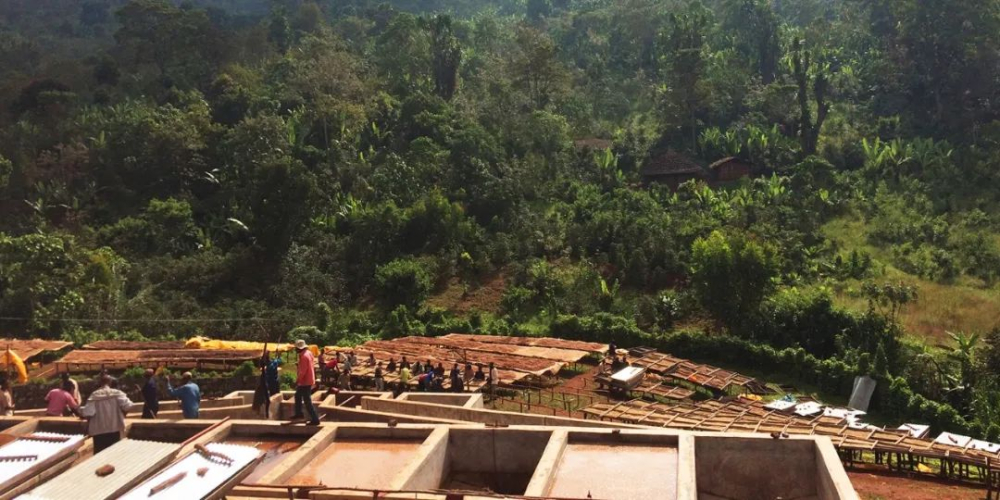
Naturally processed Yirgacheffe demands extremely high-quality raw materials. Only fully ripe red coffee cherries are handpicked during harvest, and defective cherries are repeatedly removed during the drying process to ensure the final bean quality. After two weeks of sun-drying, the sugars and essences from the pulp gradually seep into the beans, reducing the moisture content to 12%. The cherries are then depulped, and the mucilage and parchment are removed before undergoing density and color sorting. This multi-layered quality control process results in a naturally processed Yirgacheffe with a pure and layered flavor profile.
Yirgacheffe’s Processing Cooperatives and Market Challenges
Much of Yirgacheffe’s coffee is collectively processed and sold by local farmer cooperatives. These cooperatives are responsible for consolidating the coffee harvested by farmers, carrying out post-harvest processing, and exporting it under the name of the processing factory. Well-known cooperatives in the area include the Guji Dinki Dinka Cooperative, Aricha Cooperative, Worka Cooperative, and Kochere Cooperative, among others. These cooperatives are not only essential links in coffee production but also play a vital role in increasing farmers’ incomes and enhancing competitiveness in the international market.
To help farmers achieve better earnings and bargaining power, the Yirgacheffe Coffee Farmers Cooperative Union (YCFCU) was established in 2002. It currently includes 28 major member cooperatives and 44 coffee processing sites, serving over 45,000 farmers. The organization is committed to linking organized smallholder farmers with the specialty coffee market, enabling them to sustain their operations and receive fair economic returns.
Differences Between Washed and Natural Processing
The washed processing method involves first removing the coffee cherry’s skin and pulp, then fermenting the beans with mucilage in water tanks to remove the remaining fruit mucilage before sun-drying. This method results in a cleaner coffee flavor and brighter acidity, with a relatively shorter drying time, making it ideal for highlighting fresh notes like lemon and citrus.
In contrast, the natural process involves sun-drying the whole coffee cherry directly. Fermentation occurs through the sugars in the fruit pulp, allowing the beans to absorb more sweetness and fruity notes, along with unique fermented aromas. The sweetness is more pronounced, making it suitable for those who enjoy intense fruit flavors and wine-like notes.
Recommended Pour Over Parameters for Yirgacheffe
For brewing Yirgacheffe, it is recommended to use a V60 filter cone, with water temperature controlled at 90°C, a water-to-coffee ratio of approximately 1:15, and a coffee dose of about 15 grams. The grind size can be referenced based on the 20-mesh standard sieve passing rate of 80%. The specific steps are as follows:
1. First, pour water equivalent to twice the coffee dose (about 30 grams) to bloom, for around 30 seconds, to help release CO₂ from the coffee grounds.
2. Then, pour water in small circular motions. When the total water volume reaches 125 grams, perform the first pour break.
3. Continue pouring until reaching 225 grams in total, then stop and wait for all the water to completely drip through the filter. The overall extraction time is about 2 minutes.
4. Finally, swirl the coffee and pour it into your cup for tasting.
Flavor Characteristics
Washed Yirgacheffe typically presents bright lemon acidity and fresh citrus aromas, with a clean and refreshing mouthfeel reminiscent of black tea. In contrast, naturally processed Yirgacheffe—such as Red Cherry—often features fruity and berry notes, such as strawberry, along with subtle fermented wine-like aromas, where the sweetness is more prominent.
The diversity of Yirgacheffe showcases the boundless potential of Ethiopian coffee. Whether you prefer the bright and clean flavors of washed processing or the rich and sweet profile of natural processing, this region offers an astonishing coffee experience.
The above content is compiled by CoffeeHunters, a coffee news website.


