








Introduction:Tanzanian Kilimanjaro coffee is renowned for its soft citrus and berry notes paired with honey-like sweetness, earning it the title "Gentleman of Coffee." This article delves into the region's characteristics, variety background, washed processing method, and provides suitable roast profiles and V60 three-stage pour-over parameters to help you fully capture the flavor potential of this classic African coffee.
In the landscape of African specialty coffee, Tanzanian Kilimanjaro beans stand out for their unique flavor profile. Compared to the bright acidity of Kenyan beans, it presents a softer, rounder citrus and berry character, complemented by honey-like sweetness and delicate tea-like undertones, hence its reputation as the “Gentleman of Coffee.” A coffee merchant clarified the most suitable roast method through multiple cuppings and pour-over experiments, fully showcasing the regional traits of these beans.
This Kilimanjaro coffee from northern Tanzania is grown at high altitudes ranging from 1,300 to 2,000 meters above sea level. The volcanic soil enriches the beans with abundant minerals, resulting in a rich texture and bright acidity. While its flavor expression is not as bold as that of neighboring Kenyan beans, it excels in delicate fruit acidity and elegant sweetness, making it one of the representatives of the nuanced flavors of African coffee.
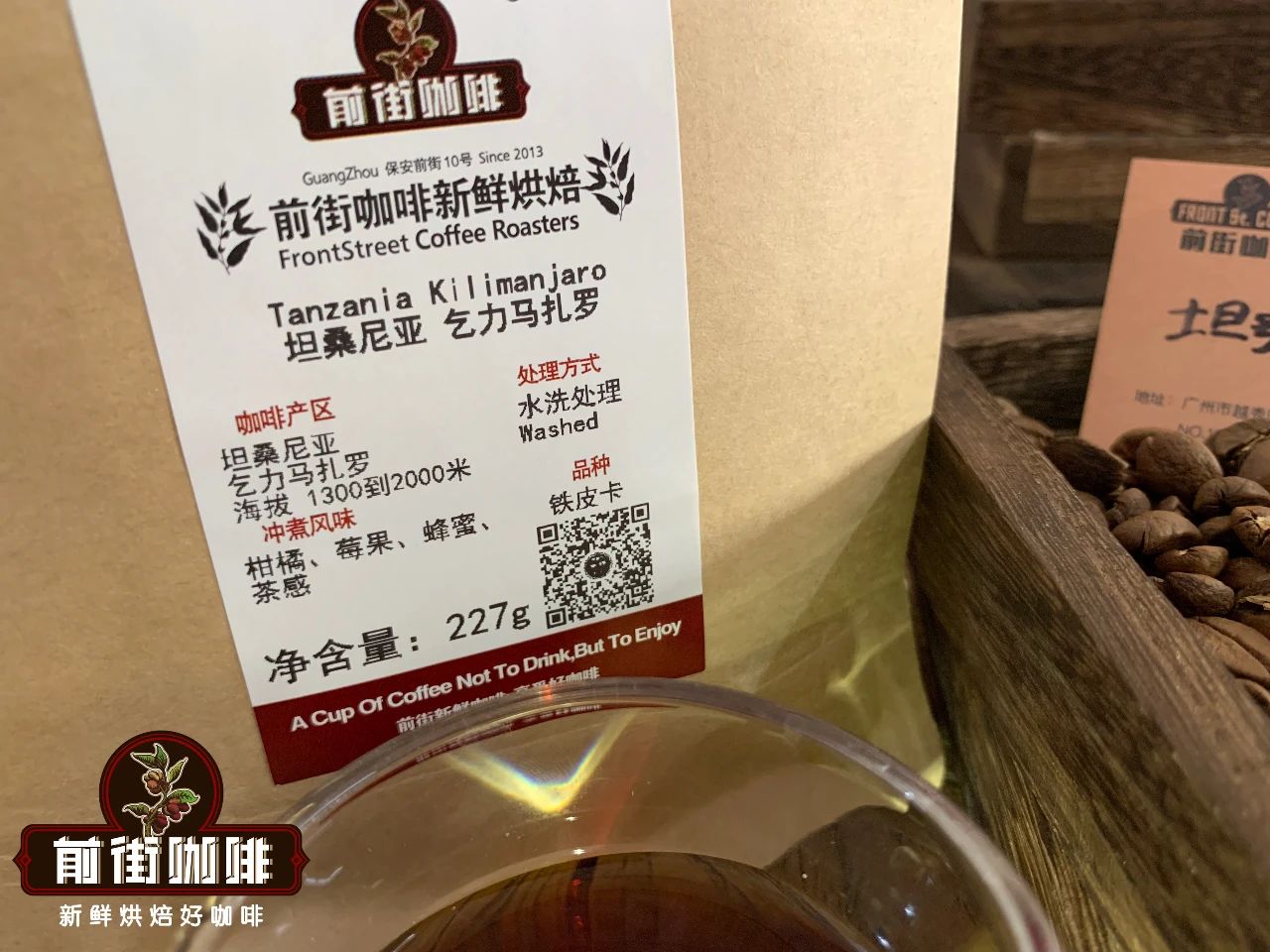
Tanzania mainly cultivates three varieties: Bourbon, Typica, and Kent. The Kilimanjaro beans introduced in this article belong to the Bourbon variety, a natural mutation originating from Yemen, known for its sweet taste and clear acidity. The Red Bourbon variant typically has a richer aroma, bright acidity, and wine-like layered complexity, which are also the distinctive features of these beans. Typica is a classic specialty variety; although it has low yield and is prone to disease, it offers pure flavor. The Kent variety combines high yield with disease resistance and boasts rich, full-bodied aromas.
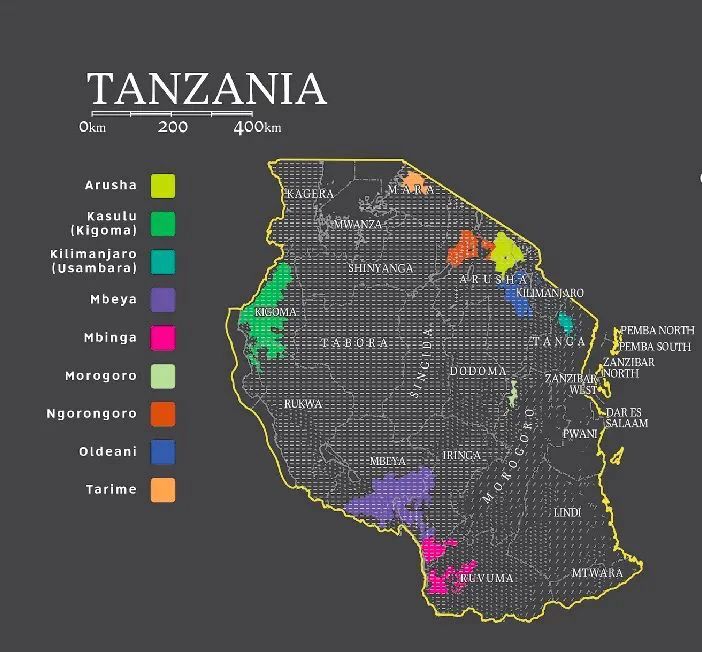
The Kilimanjaro volcanic region is Tanzania’s largest coffee-growing area, with ideal altitude conditions and fertile volcanic ash soil that gives the beans a rich texture and soft acidity. This area includes well-known producing regions such as Moshi and Mbeya, where climate and elevation together shape the unique personality of the coffee. Compared to Kenya, Tanzanian coffee may be slightly less famous but has a similar annual output of about 50,000 tons, with the majority grown at high altitudes, accounting for over 70% of the total cultivated area.
Tanzanian coffee is mostly processed using the washed method, which effectively highlights clean acidity and distinct flavors. The process includes: first removing impurities, then stripping the pulp and outer skin, followed by fermentation to remove the mucilage layer from the inner parchment, and finally washing and drying. This method preserves the original characteristics of the coffee while ensuring flavor purity.
Tanzania adopts a grading system similar to Kenya’s, based on bean size. AA grade represents the largest beans (17–18 mesh, approximately 7.20 mm), and is the highest in both quality and price; AB grade is slightly smaller (15–16 mesh), and PB grade consists of peaberry beans, making up about 10% of the total. This system helps consumers identify bean quality and potential flavor performance.
In terms of roasting, a coffee merchant opted for a medium-light profile to preserve the bright acidity of the citrus and berry notes while bringing out the honey sweetness. Recommended roast parameters: charge temperature at 170°C, yellowing point at 150.8°C at 6 minutes 30 seconds, first crack starting at 182.7°C at 10 minutes 16 seconds, and dropping the beans at 193°C after 1 minute 45 seconds of first crack development. This curve balances the acidity and sweetness, highlighting the delicate flavors of Kilimanjaro beans.
For pour-over, it is recommended to use a V60 dripper with a 1:15 coffee-to-water ratio, water temperature at 91°C, and grind size BG#5G. Use a three-stage pouring technique: begin with a bloom to help release CO₂ from freshly roasted beans and promote even extraction later on; the second pour involves small circular movements in the center, keeping the water level below the height of the coffee bed; the third pour expands the circle to agitate the bottom grounds and ensure full dissolution of soluble compounds. Pay attention to pouring rhythm to avoid over-extraction or off-flavors in the finish.
This Tanzanian Kilimanjaro coffee ultimately delivers berry aromas, with soft and refreshing citrus acidity upon entry, noticeable honey sweetness in the mid-palate, and a finish that leaves behind delicate tea-like notes and a long-lasting aftertaste — making it an excellent choice for experiencing the elegant flavors of African coffee.
The above content is compiled by CoffeeHunters, a coffee news website.


