








Introduction:Indonesian Sumatra Mandheling coffee is renowned for its bold and rich profile, but common Mandheling often falls slightly short in terms of flavor clarity. In contrast, PWN Golden Mandheling stands out with its almost acid-free, full-bodied richness and captivating herbal-spicy notes, making it a top choice for many coffee enthusiasts. This article will delve into its regional characteristics, wet-hulled processing method, PWN’s stringent selection standards, and provide roasting and pour over recommendations to help you fully appreciate the unique charm of this popular coffee bean.
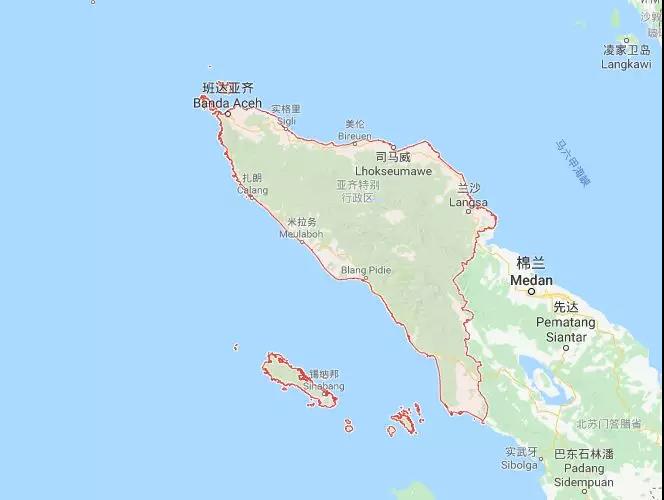
As one of the world’s major coffee-producing regions, Indonesia’s Arabica coffee mainly comes from Lake Toba’s Lintong region in Sumatra, Gayo Highlands in Aceh, Java, and Sulawesi. Among them, Sumatran Mandheling coffee has long been known for its bold mouthfeel and distinctive herbal and earthy aromas. However, many consumers have also found that commercially available Mandheling often has room for improvement in flavor complexity and cleanliness. PWN Golden Mandheling distinguishes itself with its nearly acid-free, rich, clear, and high-clarity profile.
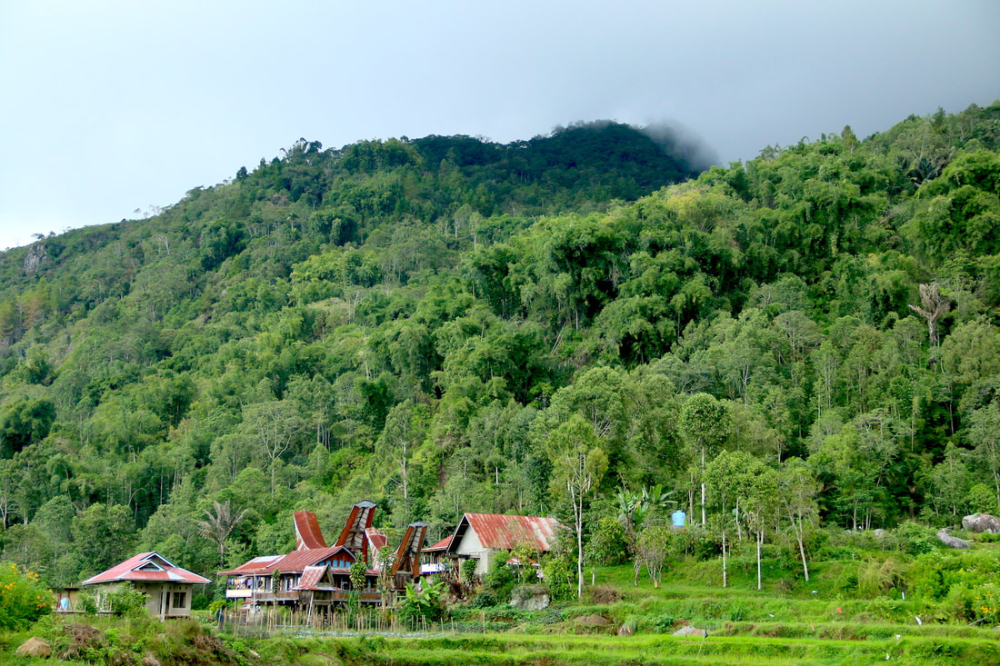
PWN Golden Mandheling, grown in the Gayo Highlands of Aceh, Indonesia, is cultivated at altitudes of approximately 1,110 to 1,600 meters by local smallholder farmers under shaded conditions, using the region’s unique wet-hulled processing method. The region’s rainy climate is not conducive to sun-drying, and economic constraints make wet hulling the predominant method. While this technique preserves rich flavors, it can also lead to high defect rates and muddled flavors if not handled properly. However, PWN Golden Mandheling overcomes these challenges through strict quality control.
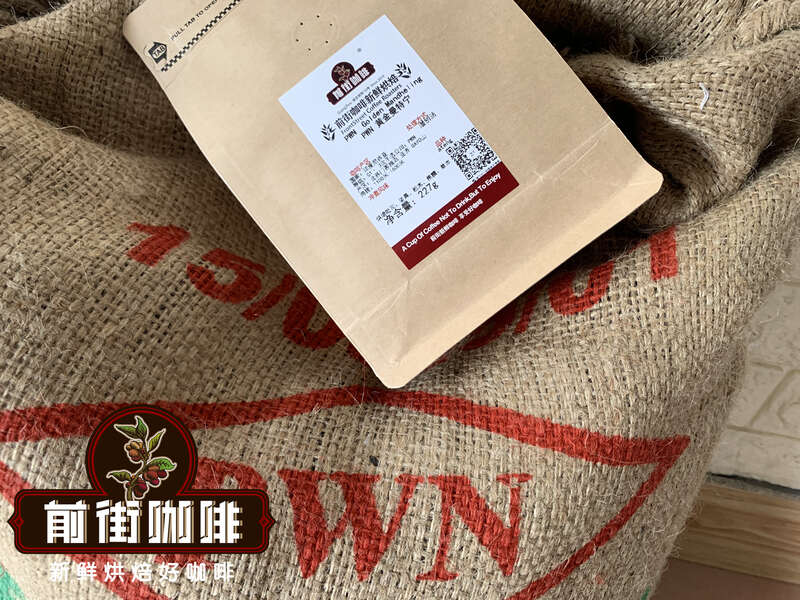
PWN (Pawani Coffee Company, N.V. Pawani Medan), established in 1957, was the first company in Indonesia to export Sumatran Mandheling coffee to Japan and played a significant role in promoting the “Mandheling” name in the international market. Since 1977, PWN has focused on exporting high-quality Sumatran Arabica Mandheling and Robusta AP-I grade coffee, with key markets including Japan, Chinese Taipei, and the United States. In the Japanese and Taiwanese markets, “PWN” is almost synonymous with a “guarantee of quality.” Notably, PWN holds the registered trademark for “Golden Mandheling,” and other brands using similar names are generally employing marketing terminology.
The so-called PWN Golden Mandheling refers to top-tier Mandheling coffee beans that have undergone PWN’s rigorous screening process. These beans must pass three rounds of manual selection and one mechanical screening, selecting only G1 grade beans that are large, uniformly shaped, and have minimal defects—no more than three defective beans per 300-gram sample. This high-standard selection process results in a more concentrated, clean, and uniformly colored cup profile after roasting, laying the foundation for its distinctive taste.
In terms of processing, the rainy climate of Sumatra makes traditional sun-drying difficult, and the washed method is more costly, so wet hulling is widely adopted. This method involves briefly sun-drying the beans with their parchment layer intact after initial fermentation and washing until the moisture content reaches about 20–24%, then hulling the parchment while the beans are still semi-dry, followed by continued drying. While this accelerates the process, it can also lead to impure flavors or defects due to technical or environmental factors. PWN Golden Mandheling ensures high flavor standards are maintained even with wet hulling through strict controls.
The PWN Golden Mandheling green beans used are hand-selected three to four times, with a dark green color and uniform shape, classified as high-quality flat beans. Their flavor profile is distinct, featuring a rich, creamy honey aroma, which is quite unique in the market. For roasting recommendations, due to the bean’s higher moisture content, it is advised to extend the pre-infusion time slightly at the beginning of roasting. After loading the green beans, close the air damper for a 30-second pre-infusion, then gradually adjust the damper and heat to stabilize the drying process. After first crack, the air damper can be moderately increased to 5, with heat adjusted as needed to bring out the optimal aroma and flavor.
Specific roasting reference data is as follows: using a Yangjia 800N machine, bean charge of 480 grams, drum temperature at around 200°C, initial air damper set to 3. About 1 minute in, reduce the heat to 160°C, keeping the air damper unchanged until around 5 minutes and 40 seconds when the bean surface turns yellow and the grassy notes have faded; then adjust the air damper to 4. At 9 minutes and 40 seconds, when the bean surface shows wrinkles and black spots and first crack is approaching, closely monitor the onset of first crack. First crack begins at 9 minutes and 54 seconds; at this point, reduce the heat to 60°C, open the air damper to 5, and drop the beans at 204.5°C.
For cupping, it is recommended to proceed within 8 to 24 hours after roasting, using a 200ml ceramic cupping bowl, with water temperature controlled at 94°C. The grind size should yield a 20-mesh sieve extraction rate of 70%–75%, with a brew ratio of 1:18.18 (approximately 11 grams of coffee to 200 ml of water), and steeping time of about 4 minutes. Cupping results show that PWN Golden Mandheling presents pine and herbal notes in the dry aroma, while the wet aroma features distinct herbal and nutty scents. The flavor profile is clear, including layers such as roasted toast, nuts, pine, and herbs, with an overall balanced and clean expression.
For pour over, the Kono filter is recommended. Its design minimizes airflow disturbance and extends the coffee grounds’ contact time with water, helping to extract a richer and more even mouthfeel. Suggested brewing parameters include a water temperature of 87–88°C, medium-coarse grind, a brew ratio of 1:15, and a coffee dose of 15 grams. Use a three-stage pour: start with a 30-second pre-infusion using 30 grams of water, then pour in small circles to reach 125 grams for the first pour, waiting until the water level is about to expose the coffee bed before pouring to 225 grams. Finally, wait for the water level to drop before removing the filter. Total brew time is approximately 2 minutes and 5 seconds. This method fully highlights the rich, clean, and layered characteristics of PWN Golden Mandheling, with a lingering chocolate and nutty finish.
The above content is compiled by CoffeeHunters, a coffee news website.


