








Introduction:A great latte relies not only on precise milk frothing techniques but also on the quality and characteristics of the coffee beans themselves. This article delves into the key factors that influence latte art, including the performance of the crema layer, the roast level and freshness of the coffee beans. It also provides a detailed analysis of three espresso blends suited to different needs, along with milk pairing suggestions, extraction ratios, and aging tips to help you master the fundamentals of crafting professional-grade lattes.
The allure of a latte lies not just in its rich and mellow flavor, but also in the delicate latte art patterns atop its velvety milk foam. To create a latte that is both a visual and sensory delight, the choice of coffee beans determines success from the start. In particular, the richness of the crema, the control of the roast level, and the freshness of the beans all directly affect the stability of the latte art and the final flavor profile.
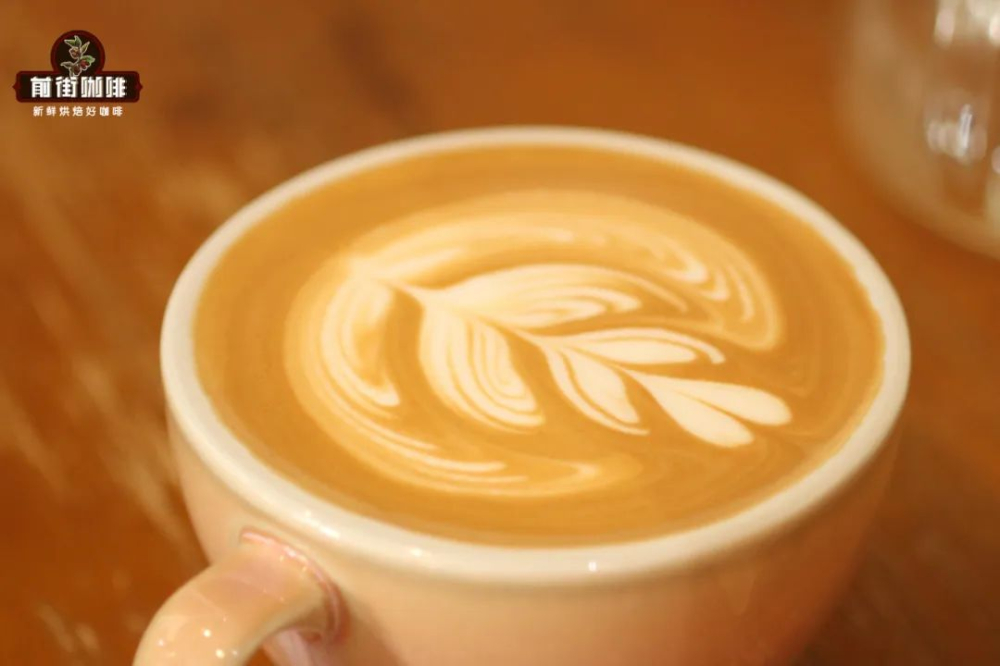
Latte art, also known as "coffee art," originated from the process of pouring steamed milk into espresso, where the flow of the milk foam and the barista’s technique come together to create various designs. Early latte art often featured simple hearts or leaves, but with the rise of specialty coffee culture, more baristas have dedicated themselves to this craft—not only refining their patterns but also developing advanced techniques such as etching, adding even more artistry to each cup.

Over time, latte art has evolved from being just a visual element to being closely related to the texture of the milk foam and the integration of coffee and milk. A successful latte should not only feature an aesthetically pleasing design but also deliver a layered flavor experience, achieving a perfect balance of color, aroma, and taste. This is why drinks like lattes and flat whites often become highlights on social media platforms—they’re not only delicious but also highly presentable.
To make a latte that excels in both flavor and appearance, selecting the right coffee beans is crucial, and among them, the “crema” is one of the key indicators. Ideal crema should be a rich golden yellow, fine and long-lasting, which not only aids in forming latte art but also directly impacts the taste and aroma of the coffee. Achieving such crema requires both a stable espresso machine and high-quality coffee beans.
Below are three recommended espresso blends suited to different needs and flavor preferences:Commercial Blendfeatures a bright golden crema, offering a bold roasted aroma with a natural maple-like sweetness, complemented by layered notes of nuts, cocoa, and dark chocolate. It’s ideal for making lattes—rich, balanced, and great value—making it highly suitable for everyday café offerings.Classic Blendshowcases the traditional characteristics of classic Italian espresso blends, with a thick crema, intense aroma, and layers of roasted hazelnut, butter, dark chocolate, and caramel. When used in milk-based drinks, it presents a smooth, nutty-chocolate-milk flavor that is sweet and easy to enjoy.Dark Cocoa Blendis composed of Yunnan small-bean varieties and Brazilian Red Bourbon, roasted to a medium-dark level. Its crema performance is moderate, with aromas mainly of nuts and chocolate, along with a slight citrus acidity. The overall flavor is well-balanced, making it suitable for daily drinking and stockpiling.
In addition to the coffee beans, the choice of milk is equally important. There are many types of whole fresh milk on the market—some with a strong milky flavor, others lighter. When choosing milk, the focus shouldn’t be on finding the thickest or most intense product, but rather on how well it matches with the coffee. Milk that is too rich can overpower the coffee’s own flavors, while milk that is too watery can make the latte taste thin and bland.
In practice, it is recommended to use a ratio of about35gespresso shots,250mlfresh milk, and75gice cubes when making an iced latte. These are general reference values and can be adjusted according to personal taste. This parameter was determined through repeated testing to achieve the best balance between coffee and milk.
To successfully pour latte art, the first prerequisite is extracting an espresso with rich and well-layered crema. Generally speaking, medium-dark roasted coffee beans are more conducive to forming stable crema, aiding in the integration of milk foam and coffee, resulting in clearer and more stable latte art patterns. Moreover, crema formation is closely related to the carbon dioxide in the coffee beans, so the freshness of the beans is crucial.
Freshly roasted coffee beans usually contain more carbon dioxide. Using them too early (e.g., within 1–5 days after roasting) may result in overly thick crema, which is not ideal for latte art. It is recommended to age the beans for5–7 daysbefore use. Conversely, beans that are too old release most of their carbon dioxide, making it difficult to form enough crema, leading to a thin and weak layer that doesn’t bond well with the milk foam. Therefore, it’s recommended to choose coffee beans roasted within the past7–45 daysfor espresso to achieve the best crema performance and latte art results.

In summary, a successful latte hinges on every step—from the choice of coffee beans, roast level, and freshness, to milk pairing and extraction ratios. Especially the quality and quantity of the crema not only affect the stability of the latte art but also directly determine the flavor layers of the coffee. By understanding these key elements and applying them in your daily brewing, you too can consistently recreate professional-level lattes at home.
The above content is compiled by CoffeeHunters, a coffee news website.


